


Poutine is deceptively simple: a plate of golden fries topped with melted cheese curds and smothered in savory gravy. But “simple” doesn’t necessarily equal “easy to make.”
If you’ve ever tried to recreate poutine at home and ended up with soggy fries or rubbery cheese, you’re not alone. The good news? Once you master the fundamentals, you’ll discover that restaurant-quality poutine is entirely achievable in your own kitchen. This guide walks you through the four essential steps, proving that this beloved Canadian comfort food is built on straightforward principles that any home cook can execute with confidence.
1. Perfectly Crispy Fries
The fries are your canvas, and they deserve serious attention. The goal is a golden exterior that shatters when you bite into it, paired with a fluffy, tender interior. This dual texture is what separates memorable poutine from mediocre versions.
Start with russet potatoes—their high starch content is essential for achieving that desirable crispiness. Cut them into thin matchsticks, roughly a quarter-inch thick, so they cook evenly and allow the gravy to penetrate properly. Here’s a crucial step many home cooks skip: soak your cut potatoes in cold water for 15 to 20 minutes before frying. This removes excess starch, which would otherwise create a gummy texture rather than a crispy exterior.
You have two frying options: a traditional deep-fry or a double-fry method. For the double-fry technique, first fry your potatoes at a lower temperature (around 325°F) for about 5 minutes until they’re tender but still pale. Remove them and let them cool. Then, increase your oil temperature to 375°F and fry them again for 2-3 minutes until they’re golden and crispy. This two-stage approach is the secret to achieving that perfect contrast of textures.
Season your fries lightly with salt while they’re still hot. This timing matters—hot fries absorb seasoning better than cooled ones. If you’re short on time, frozen crinkle-cut fries are a respectable alternative that still delivers satisfying results.
2. Fresh Squeaky Cheese Curds
Cheese curds are where poutine gets its personality. Fresh, slightly squeaky curds are what distinguish authentic poutine from a simple fry-and-gravy plate. The squeak comes from casein proteins in the cheese, and it’s a sign of freshness and quality.
The crucial thing to understand is that cheese curds shouldn’t be piping hot when you add them to your fries. Room temperature curds are actually ideal because they’ll soften and partially melt when the hot gravy hits them, creating that coveted creamy yet textured layer. If your curds are already hot, they’ll lose their characteristic squeak and become one gooey mass.
If fresh cheese curds aren’t available in your area, some recipes suggest using finely grated cheese, though purists will argue this isn’t quite the same experience.
3. Rich, Flavorful Gravy
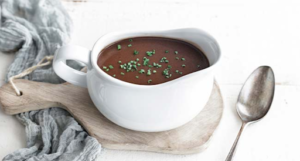
The gravy is the soul of poutine, and it’s where many homemade versions fall short. The best gravy for poutine is a rich, homemade beef gravy that’s flavorful enough to enhance every component without overpowering the delicate cheese curds.
The best gravies are made with real food: meat scraps, garlic, chopped vegetables, wine, and plenty of herbs, all simmered in stock and reduced until the flavors intensify. Once the flavor hits a peak, you can thicken the sauce using a roux, slurry, or beurre manié.
Keep your gravy hot until serving; this is when it will do its magic on the fries and curds, creating the perfect harmony of crispy, creamy, and savory.
4. The Order Matters More Than You’d Think
Now comes the moment of truth. The order in which you layer your poutine dramatically affects the final eating experience. Start by placing your hot, crispy fries in a large bowl or on a plate. While they’re still warm, add your cheese curds. The residual heat will begin to soften them without completely destroying their texture. Finally, ladle hot gravy generously over the top.
The ideal moment to serve poutine is immediately after assembly, when the fries are still crispy, the cheese has that perfect semi-melted quality, and the gravy is steaming hot. Even a few minutes’ delay will result in softened fries and overly melted cheese.
Final Thoughts
Making authentic poutine at home proves that the greatest comfort foods don’t require fancy techniques or hard-to-find ingredients. What they require is respect for each component and understanding of how temperature and texture work together. With crispy fries, quality cheese curds, and thoughtfully seasoned gravy, you’re just minutes away from a dish that stands shoulder-to-shoulder with any poutine served in Quebec.