

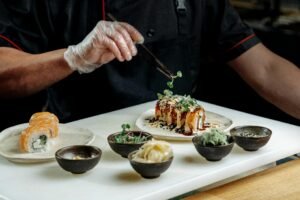
Food safety is shaped by culture, infrastructure, and awareness. Yet across all these variations, one idea remains constant. The way we handle food has a direct impact on the people we cook for, whether it is a table of guests, a group of customers, or simply ourselves at the end of the day.
The Invisible Line Between Home Cooking and Professional Standards
At home, cooking tends to be guided by habit. A quick rinse of vegetables, a glance at whether leftovers still smell fine, or a general sense of how long something has been in the fridge. These instincts are built over time and often passed down through family traditions.
In a professional setting, instinct takes a back seat to consistency. Every step, from receiving ingredients to serving a finished dish, follows a clear structure. This is especially true in places where food service operates on a large scale.
In Texas, for example, the sheer volume of restaurants and food establishments has led to a strong emphasis on standardized practices that reduce risk and protect public health.
That is where formal training begins to shape the way food is handled.
Instead of relying on memory or guesswork, food handlers are taught specific guidelines that apply across kitchens, regardless of cuisine or style. Earning a valid food handler license becomes part of that process, grounding everyday tasks in a shared set of expectations that go beyond personal experience.
But before you can even get a license, you first need to pass the licensing exam. To help candidates more easily ace (and pass) this exam, programs that are designed to prepare future Texas food handler card license holders for the licensing exam are often used. And the reason for this is twofold:
- The professional is better prepared for the Texas-specific licensing test and has a higher chance of acing it.
- They will also get more knowledge than their industry competitors so they can better apply that knowledge practically once they start working.
Understanding Food Safety Across Cultures and Systems
Food safety does not look the same everywhere, and that is part of what makes global cooking so fascinating. In some regions, food is prepared and consumed within hours, reducing the need for long-term storage. In others, preservation techniques such as drying, fermenting, or curing play a central role in keeping ingredients safe over time. These systems are shaped by history, climate, and access to resources.
At the same time, countries with large and complex food industries have developed structured approaches to managing risk. Clear guidelines help ensure that food served in restaurants, markets, and public spaces meets consistent safety standards. These systems are designed to protect individuals and support large-scale food operations where even a small mistake can affect many people.
Understanding these differences helps put everyday cooking into perspective. A home cook experimenting with recipes from around the world may unknowingly combine ingredients and techniques from very different safety systems. Handling raw seafood, storing dairy products, or preparing rice dishes can carry different expectations depending on where those practices originate.
This is where established guidelines become especially useful. Referring to trusted foodborne illness prevention guidelines can help bridge the gap between cultural practices and modern safety standards. These resources offer clear, research-based advice that applies across cuisines, making it easier to adapt global recipes to a home kitchen safely.
By recognizing how different systems approach food safety, cooks gain a broader understanding of their own habits. It becomes easier to see which practices are rooted in tradition and which benefit from a more structured approach. That awareness allows for a balance between honoring global flavors and maintaining the level of care that keeps every meal safe to enjoy.
Bringing Professional Awareness Into Everyday Cooking
Adopting a more thoughtful approach to food safety does not require a complete overhaul of how a kitchen operates. It starts with paying closer attention to the small decisions that happen throughout the cooking process. Over time, these decisions form habits that feel natural rather than forced.
One way to begin is by slowing down during preparation. Rushing often leads to overlooked details, whether it is skipping a proper rinse, using the same utensil for multiple tasks, or forgetting how long something has been left out. A more deliberate pace allows each step to be handled with care, making the entire process more reliable.
It also helps to think of the kitchen as a system rather than a series of isolated actions. The way ingredients are stored affects how they are prepared. The way they are prepared influences how they are cooked and served. When each part of that system is approached with awareness, the overall outcome improves without adding unnecessary complexity.
For those who enjoy exploring unfamiliar dishes, this mindset becomes even more valuable. Trying new ingredients or techniques often comes with hidden risks, especially when their proper handling is not widely known. Taking time to understand these details can make the experience more rewarding and far less uncertain. It is similar to the care taken when exploring global recipes, where curiosity is balanced with attention to detail.
Another important shift is consistency. Practicing safe habits once in a while does not create lasting change. Repeating them regularly turns them into second nature. Simple routines such as cleaning surfaces thoroughly, checking storage conditions, and being mindful of temperature gradually become part of the cooking rhythm.
Bringing professional awareness into a home kitchen is about building confidence that allows creativity to flourish within a safe and reliable environment.