

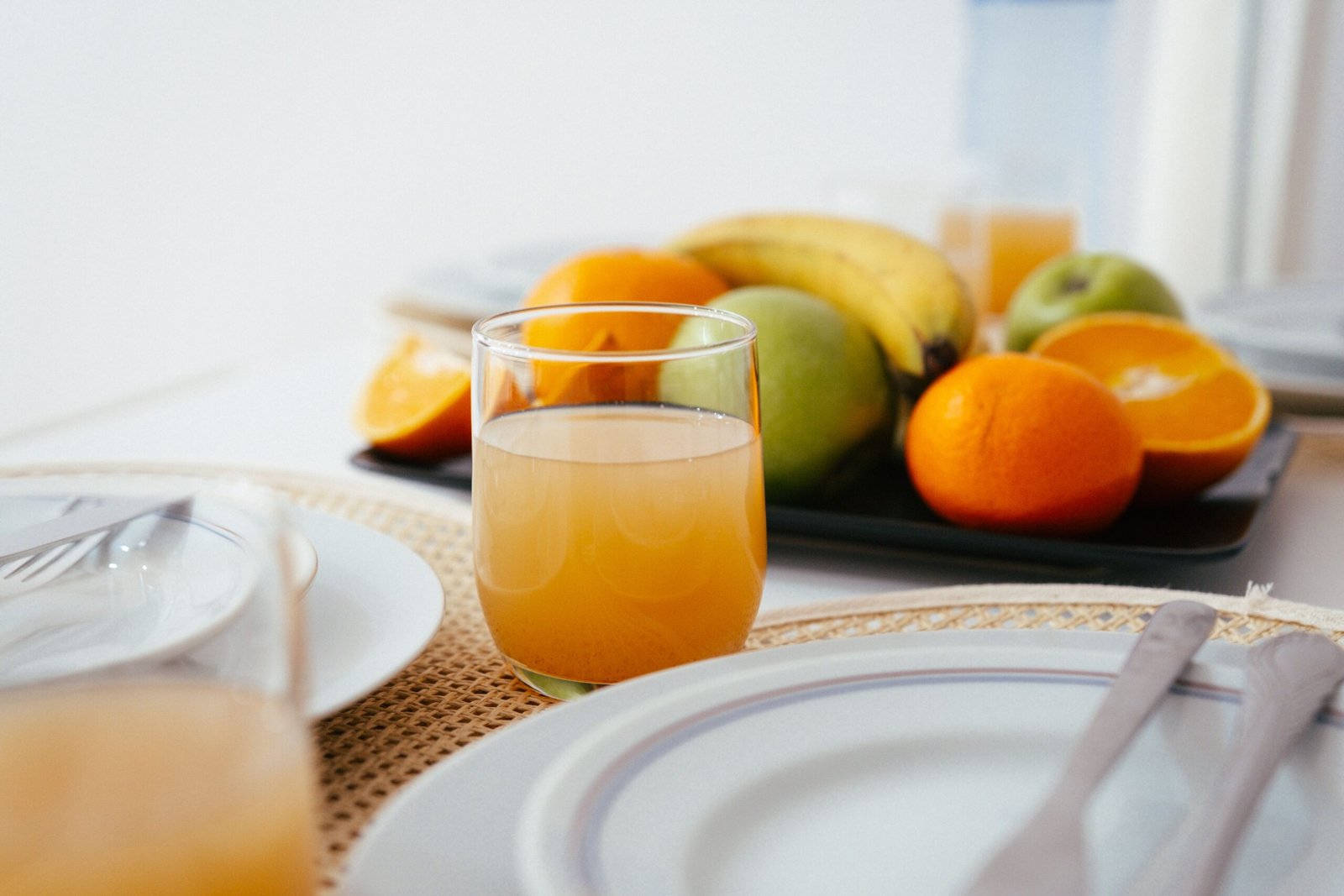
Opening the Door to Better Everyday Nutrition
Most of us know we should eat more fruits and vegetables, yet fitting them into a hectic daily routine is easier said than done. That’s why so many households reach for kitchen tools like blenders, juicers, and food processors—the hope being that these appliances will make eating more produce feel effortless. But this raises a fair question: how do you actually improve your diet with fruits and vegetables without getting swept up in exaggerated “detox,” “fat-burning,” or miracle-juice claims?
This article looks at the evidence-based differences between whole fruits and vegetables and their juiced counterparts, along with practical habits you can realistically build into your own kitchen routine. The advice here is grounded in everyday realities—limited time, competing priorities, a craving for convenience—while staying true to established nutrition research. It doesn’t promote any specific product or brand. Small, sustainable changes in how you prepare fruits and vegetables often matter more than any single appliance or “detox” trend.
Key Takeaway: Kitchen tools can support healthy habits, but they don’t replace the fundamentals of a balanced, produce-rich diet.
Why Fruits and Vegetables Matter: The Foundations of Home Nutrition
There’s a reason fruits and vegetables sit at the center of so much nutrition advice. They provide fibre, which supports digestion, helps regulate blood sugar, and keeps you feeling full longer. They also deliver vitamins, minerals, and phytonutrients—plant compounds prized for their antioxidant and anti-inflammatory properties. Public health guidance pushes for higher produce intake mainly because of this overall nutrient density and fibre content, not because any single food deserves “superfood” status.
One misconception worth clearing up: juice alone can’t “cleanse” or “detox” the body. Scientific reviews and major health organizations simply don’t back strong detox claims tied to juicing.
Put simply, fruits and vegetables support the body in several key ways:
– Digestive health through dietary fibre
– Stable blood sugar regulation
– Cardiovascular support
– Weight management through satiety
– Reduced inflammation via phytonutrients and antioxidants
Whole Fruits vs. Fruit Juice: Understanding What Changes When You Squeeze
How fruit is processed dramatically changes its nutritional profile. Juicing typically strips away most of the fibre, concentrating free sugars into the liquid that remains. That’s quite different from intrinsic sugars found in whole fruit, which come naturally packaged with fibre that slows how quickly your body absorbs them.
| Factor | Whole Fruit | 100% Fruit Juice
|
|---|---|---|
| Fibre content | High | Low or negligible |
| Sugar concentration | Moderate, naturally paced | Higher per serving |
| Satiety | Greater fullness | Less filling |
| Typical health association | Supports weight management | Linked to excess intake concerns |
Eating fruit is generally better for you than drinking fruit juice, according to multiple nutrition reviews. That said, moderate 100% fruit juice intake—within recommended guidelines—can still fit into a healthy diet and may even offer some cardiovascular benefits. The trouble tends to start with overconsumption. As clinical sources often point out, juicing isn’t inherently healthier than eating whole produce. It’s just a different way of getting it into your body.
Key Takeaway: Juice can be part of a balanced diet, but it should not replace whole fruits and vegetables as a primary source of nutrition.
Making Better Choices at Home: Practical Ways to Use Tools Without Overdoing Juice
A practical approach is to make whole-fruit snacks, salads, and cooked vegetables your daily staples, while treating fresh juice as more of an occasional extra. Worth keeping in mind: a single glass of juice can pack in the sugar and calories of several pieces of fruit, so it’s easy to consume more than you realize.
A few balanced strategies:
– Choose smoothies that retain pulp and skins when appropriate, preserving fibre.
– Incorporate whole vegetables into soups, stews, and sauces.
– Pair juice with fibre-rich meals rather than drinking it alone.
– Reserve juice servings to smaller portions rather than full glasses.
Parents, take note: higher juice intake has been linked to weight gain in children, which makes whole fruit the generally safer, more protective choice. And if you’re an adult who leans on juice at breakfast, try pairing it with whole grains, protein, and a piece of whole fruit—doing so can help smooth out blood sugar spikes.
Everyday Tip: Try swapping your afternoon juice for a piece of whole fruit and a handful of nuts. It’s a simple way to add fibre and staying power to your day.
Rethinking “Detox” and “Health Halo” Claims Around Juice
Juice cleanses get marketed as a fix for everything from detoxifying the body to triggering rapid weight loss to “resetting” your metabolism. Yet major health organizations and clinical experts consistently find no strong scientific proof that juice cleanses offer detox benefits beyond what the liver and kidneys already handle on their own.
Extreme juice-only approaches come with real downsides: high sugar intake paired with little protein or fat, blood sugar swings, reduced satiety, and trouble maintaining steady energy throughout the day. Stretch this out over the long term—replacing balanced meals with juice-only regimens—and the concerns only grow. There is no scientific consensus that juice cleanses detoxify the body or cure chronic diseases. Enjoying juice alongside meals now and then is reasonable for most people, but it is not a medical treatment.
Key Takeaway: Sustainable dietary patterns—not short-term cleanses—are what’s consistently linked to long-term health.
Building Long-Term Habits: From Occasional Juice to a Sustainable Produce Routine
Whole fruits and vegetables offer fibre, satiety, and a broad range of nutrients that support long-term health—benefits that juice simply can’t replicate on its own. Juice can still have a place in your diet in moderation, but it’s not a superior or exclusive way to get your produce in. What matters more than any single appliance or method is consistency and variety in how you eat fruits and vegetables, whether raw, cooked, or blended with the fibre left intact.
Take a moment to reflect: how often are you drinking juice compared with eating whole fruit? Are your kitchen tools helping you prepare whole-food meals, or are they mostly churning out fast, high-sugar drinks? Try one small change this week—swap a daily juice serving for a piece of whole fruit—and pay attention to how it affects your fullness and energy levels.
Over time, the most powerful nutrition strategy isn’t more juice—it’s more whole, minimally processed fruits and vegetables. If you’re managing a specific health condition, such as diabetes, check with a qualified health professional before making significant dietary changes.
Key Takeaway: Start small—plan a weekly shopping list that prioritizes whole produce, and let juice remain an occasional addition rather than a daily staple.