

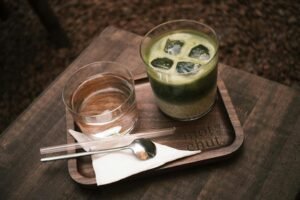
Green tea has been enjoyed for centuries, especially in Japan, where it is part of daily life, culture, and wellness traditions. Today, green tea is popular all over the world for its fresh taste and health benefits. But not all green teas are the same. Matcha, sencha, gyokuro, and bancha may come from the same plant, yet they differ greatly in how they are grown, processed, and consumed.
Understanding these differences can help you choose the right Japanese green tea for your lifestyle, taste, and health goals.
The Green Tea Plant: One Source, Many Teas
All Japanese green teas come from the plant Camellia sinensis. What makes each tea unique is how the leaves are grown, harvested, and prepared. Factors such as sunlight exposure, leaf age, steaming time, and whether the leaves are eaten whole or steeped in water all affect flavor and nutrition.
This is why matcha feels so different from sencha or bancha, even though they share the same origin.
What Makes Matcha Unique?
Matcha is unlike any other green tea because you consume the entire leaf. Instead of steeping leaves in hot water and discarding them, matcha leaves are ground into a fine powder and mixed directly into water.
To produce matcha green tea powder, tea plants are shaded for several weeks before harvest. This shading increases chlorophyll and amino acids, giving matcha its deep green color and smooth, rich taste.
Flavor Profile
Matcha has a bold yet creamy flavor with a natural sweetness and gentle bitterness. High-quality matcha often has a soft, umami taste rather than sharp bitterness.
Nutritional Advantage
Because you consume the whole leaf, matcha provides higher levels of antioxidants, fiber, and nutrients than steeped green teas. It is especially rich in catechins and L-theanine, a compound linked to calm focus and mental clarity.
Sencha: Japan’s Everyday Green Tea
Sencha is the most commonly consumed green tea in Japan. It is grown in full sunlight and harvested from young leaves. After picking, the leaves are quickly steamed, rolled, and dried.
Flavor Profile
Sencha has a fresh, grassy taste with mild bitterness and a clean finish. The flavor can vary depending on the season and region, but it is generally light and refreshing.
Nutritional Profile
Sencha contains antioxidants and vitamins, though in lower amounts than matcha. Since only the water extract is consumed, some nutrients remain in the discarded leaves.
Sencha is ideal for daily drinking and pairs well with meals.
Gyokuro: The Luxury Green Tea
Gyokuro is often considered the most refined Japanese green tea. Like matcha, gyokuro plants are shaded before harvest, but the leaves are steeped rather than ground.
Flavor Profile
Gyokuro has a deep umami flavor with almost no bitterness. The taste is smooth, rich, and slightly sweet, making it a favorite among tea enthusiasts.
Nutritional Profile
Due to shading, gyokuro is high in L-theanine and chlorophyll. While it does not deliver the full-leaf benefits of matcha, it still offers a strong nutritional profile compared to other steeped teas.
Gyokuro is usually enjoyed in small amounts and brewed at lower temperatures to preserve its delicate flavor.
Bancha: The Gentle, Everyday Tea
Bancha is made from older, more mature tea leaves harvested later in the season. It is often seen as a more casual, family-friendly tea.
Flavor Profile
Bancha has a mild, earthy taste with very little bitterness. It is less grassy than sencha and easier on the stomach.
Nutritional Profile
Bancha contains fewer antioxidants and less caffeine than other green teas. This makes it a good option for evening drinking or for those sensitive to caffeine.
How Processing Changes Nutrition
One of the biggest differences between matcha and other green teas lies in how the tea is consumed.
- Matcha: The whole leaf is stone-ground into a fine powder and ingested.
- Sencha, Gyokuro, Bancha: Leaves are steeped in hot water and then discarded.
Because of this method, when you buy matcha green tea powder, you are choosing a product that delivers a far more concentrated dose of antioxidants, amino acids, and natural compounds. This does not mean other green teas are unhealthy; it simply means matcha offers a more intense nutritional experience per serving because you are consuming the entire plant rather than just the water-soluble extracts.
Caffeine and Energy Levels
Green teas contain caffeine, but the effect varies.
- Matcha provides steady, long-lasting energy due to the balance of caffeine and L-theanine
- Sencha offers a gentle lift suitable for daytime use
- Gyokuro has higher caffeine but feels smoother
- Bancha is very low in caffeine and calming
This balance is why many people choose matcha as an alternative to coffee.
Which Green Tea Is Best for You?
The “best” green tea depends on your needs:
- For focus and antioxidants: Matcha
- For daily hydration: Sencha
- For a refined tea experience: Gyokuro
- For relaxation and low caffeine: Bancha
Each tea has its own role, and many people enjoy rotating between them.
Final Thoughts
Matcha, sencha, gyokuro, and bancha all come from the same tea plant, yet they offer very different experiences. Matcha stands out because you consume the whole leaf, gaining more nutrients and a stronger effect on focus and wellness. Sencha is fresh and balanced, gyokuro is rich and luxurious, and bancha is gentle and comforting.
Understanding these differences helps you make smarter choices—not just for taste, but for health and lifestyle as well. Whether you enjoy a quiet cup of sencha or a vibrant bowl of matcha, Japanese green tea offers something valuable for everyone.