Home Blog Page 13

Hosting a Zero-Waste Dinner Party: Ideas That Work

Dinner parties are a timeless way to connect with friends, family, and even neighbors. But they often come with a cost that goes beyond the grocery bill: overflowing trash bins, single-use plastics, and leftover food waste. Hosting a zero-waste dinner party doesn’t mean compromising on flavor, fun, or elegance. It means making choices that reduce your environmental footprint while still delivering a memorable guest experience.

Whether you’re new to the concept or looking to level up your eco-friendly hosting game, this guide offers some effective and easy-to-implement ideas that really work. 

Let’s explore how you can throw a fantastic dinner party—with zero regrets and zero waste.

1. Plan the Guest List and Menu with Purpose

A successful dinner party starts with knowing who you’re feeding and how much food you actually need. Inviting a manageable number of guests helps reduce the chances of over-preparing. Consider dietary preferences and portion sizes when planning your menu. This makes it easier to buy the right amount of ingredients and avoid waste at the end of the night.

Instead of designing a menu around trend-driven dishes, try using what’s already in your pantry or fridge. Look for seasonal produce and ingredients you can use in multiple dishes. That bunch of parsley might work as a garnish, in your salad, and in a fresh sauce. Planning this way doesn’t just cut down on food waste; it saves time and money too.

2. Use Sustainable Containers and Reusables 

Ditch the disposables. One of the easiest ways to cut waste is to avoid single-use plastics and packaging. This includes paper plates, plastic utensils, cling film, and aluminum trays. Instead, serve food in real dishes and cover leftovers with reusable silicone lids or beeswax wraps.

If you’re looking for quality reusable products, Foodware Express is a great place to start. They offer an extensive range of eco-friendly food containers, reusable carryout bags, compostable utensils, and more. 

Whether you’re packing up leftovers, serving up drinks, or setting the table, their products are durable, sustainable, and thoughtfully designed. Many items are made from compostable materials like sugarcane and bamboo, which break down naturally and safely.

3. Send Digital Invitations

Skip the paper and go digital. It’s easier, quicker, and generates zero waste. Digital invites also make it easier to manage RSVPs, send reminders, and update information.

You can also use the invite as a gentle way to set the tone of the evening. Mention that it’s a zero-waste dinner party and encourage guests to bring their own containers if they’d like to take home leftovers. A little heads-up goes a long way in getting everyone on the same page.

4. Decorate with Nature or Reusables

Décor doesn’t have to mean plastic banners, synthetic table runners, or single-use centerpieces. For a zero-waste dinner party, think natural and reusable. Look around your home first—there’s usually plenty you can use. Potted herbs, fresh flowers from your garden, and even fruit bowls can create a cozy, elegant feel.

If you want some ambient lighting, opt for candles in glass holders or string lights you already own. Tablecloths and napkins made of cloth add a soft, classic touch and can be washed and used again. With a little creativity, you can set a beautiful table that’s completely waste-free.

5. Shop Locally and Bring Your Own Bags

The grocery haul is where much of the waste begins, so this is a key step. Try shopping at your local farmers’ market or zero-waste store. These places usually offer produce without plastic packaging and often allow you to bring your own containers and bags.

Pack reusable produce sacks, cloth totes, and mason jars for dry goods or snacks. Some stores also support bulk bin shopping for items like pasta, rice, nuts, and spices. Shopping this way reduces packaging waste and supports local growers, making your dinner party sustainable before it even begins.

6. Cook from Scratch (As Much as Possible)

Making meals from scratch is one of the easiest ways to avoid packaging waste. Pre-made meals and frozen appetizers often come in layers of plastic, cardboard, and Styrofoam. When you cook at home using raw, unpackaged ingredients, you have more control over both what you serve and how much waste it creates.

Cooking from scratch also allows you to portion more accurately, which helps reduce food waste. You can prep only what you need, and even plan recipes that use the same ingredients in different ways. Plus, homemade food usually tastes better, and it sends a message that your dinner was crafted with care.

7. Serve Drinks in Bulk

It’s easy to accumulate a pile of empty bottles and cans at the end of the night. A simple way to prevent that is by serving drinks in larger, shared containers instead of individually packaged servings. Offer water in glass pitchers with lemon or cucumber slices. Serve iced tea, lemonade, or cocktails in large dispensers, and keep a cooler with a refillable growler or jug of beer or wine.

Don’t forget reusable or compostable cups if you don’t have enough glassware for everyone.

8. Create a Thoughtful Waste Station

Even with the best intentions, some waste is inevitable. That’s why having a clear, easy-to-use waste station is so helpful. Set up separate bins for compost, recycling, and landfill items. Label them in big, bold letters so guests know exactly where to put things.

You can even add a short note or example items to help clarify what goes where. This small effort reduces the chances of cross-contamination and encourages your guests to be part of your zero-waste efforts.

9. Send Guests Home with Leftovers—Sustainably

At the end of the evening, avoid letting good food go to waste. Encourage your guests to take some home, but do it without disposable foil or plastic wrap. Offer compostable to-go boxes if guests haven’t brought their own containers.

This is where having a small stash of eco-friendly containers really pays off. It not only keeps food from being thrown out but also sends your guests home with a little reminder of the great night they had.

Hosting a zero-waste dinner party isn’t about doing everything perfectly—it’s about making conscious choices that collectively make a difference. Small actions add up quickly, and you might even inspire your friends to do the same. The key is to start simple, be prepared, and enjoy the process. After all, sustainability is best served with good food and good company.

How to Liberate Yourself From Your Food Intolerance

You won’t read much about fructose intolerance on popular blogging sites. It isn’t included on the list of trendy food intolerances of the modern era, but it can be just as debilitating. This digestive disorder moves undigested fructose into the large intestines, which are incapable of absorbing fructose fully. The result? Uncomfortable symptoms like pain, diarrhea, and bloating. That doesn’t mean you have to give up your favourite berries. Intoleran supplements your digestive enzymes and obliterates your symptoms.

How To Diagnose a Food Intolerance?

If you have common signs of food intolerance, an exclusion diet is the perfect way to identify the problematic trigger. Common food intolerances include:

  • Sucrose intolerance, which leads to nausea, stomach pain, and bloating.
  • Lactose intolerance, which causes intestinal pain and bloating.
  • Polyol intolerance, which lead to symptoms typical of irritable bowel syndrome.
  • Histamine intolerance, which manifests as headaches, sinusitis, and fatigue.
  • Galactose intolerance, which manifests as jaundice, fatigue, and vomiting.

Fructose intolerance can lead to yellowing skin and severe vomiting. It might also reduce your blood sugar levels and lead to long-term complications like liver damage, so it must be taken seriously.

People who experienced food poisoning in Indonesia are advised to reach out to Bali belly recovery support that offers professional medical guidance and rapid rehydration solutions. These specialized services can help distinguish between dietary intolerances and bacterial infections while restoring the essential fluids lost during a bout of illness.

How To Identify Your Trigger Foods

Exclusion diets are time-consuming and limiting, but they’re one of the best ways to pinpoint specific food culprits. They’re best done under the guidance of a doctor or dietitian, who will identify any likely triggers. Once you have your list, you must eliminate those foods from your diet for two to four weeks. This requires you to read labels vigilantly. Once your body has had time to calm down, you can begin introducing the eliminated foods one at a time. Monitor your body’s response, paying particular attention to abdominal symptoms, rashes, and fatigue. Theoretically, once you’ve completed your exclusion diet, you will know which foods are problematic.

Identifying Fructose in Foods

You might think fructose’s only source is fruit, but it also hides in a few obscure places. Honey, agave sweetener, and corn syrup all contain significant quantities of nature’s favourite sweetener.

Sweet sauces like barbecue sauce and chutney often contain significant amounts of fructose, too.

Understanding Digestive Enzymes

Digestive enzyme supplements give your body what it needs to digest the foods your body can’t cope with on its own. Intoleran products offer enzyme replacement therapy for every unique food intolerance. It’s finally time to start enjoying your food again.

How To Eat Healthy at an Italian Restaurant if You Love Pasta

You sit down, the menu lands on your hands, and your eyes go straight to the pasta section. Nothing else really stands a chance. But then the mental back-and-forth begins. Can you make this work? Can you still eat pasta and feel good about it? The answer is yes. 

Italian food is loved worldwide for its variety and depth, far beyond just pizza and pasta. Its regional diversity helped it earn the top spot as the world’s best cuisine. In 2022, the global Italian food market hit 228 billion euros.

Eating healthy at an Italian spot doesn’t mean saying no to everything you love. It means knowing how to order in a way that satisfies your cravings and your goals. You can do both. You just need to know where to start. 

Understand What ‘Healthy’ Means for You First 

Healthy means different things to different people. Some want fewer carbs. Others want fresh ingredients, better balance, or lighter sauces. What works for one person might not work for you. So before scanning the menu, get clear on what matters to you. That way, your choices feel intentional, and not like you’re winging it at the last second. 

The American Heart Association recommends taking a minute to check the menu online. Most places share their dishes ahead of time, and some even include nutrition details, which helps narrow down better options. Look out for words like fresh, grilled, or vegetarian, as these often signal lighter, heart-healthy choices. And if you’re unsure, ask the server how it’s prepared or if simple swaps are available.

Once you’ve got that figured out, the menu gets easier to navigate. At spots like the best Italian restaurant Miami residents frequent, Italian dishes often speak for themselves. They usually highlight the ingredients, prep methods, and regional touches. You won’t need to make a bunch of changes to keep things balanced. 

Start With Something Light (but Satisfying) 

The beginning of the meal sets the pace. Go in heavy, and everything that follows feels heavier. But start light, and you leave more room for what you came for. 

A garden salad with arugula, shaved fennel, or roasted tomatoes brings color and crunch without much effort. Ask for olive oil and lemon instead of bottled dressing. It’s cleaner and often tastes better. If you’re into soup, a broth-based soup like minestrone is usually a safe bet, since it’s filling but not too much. 

You don’t need to skip starters altogether. You just want something that opens up your appetite, not fills it completely. Keep it fresh, skip anything fried, and let the pasta dish take center stage when it’s time. 

Say Yes to Pasta, Just Order It Smart 

There’s nothing wrong with ordering pasta. The trick is picking the right one. Go for sauces made with tomato, olive oil, or herbs. They’re lighter and usually don’t overpower the dish. Skip anything drowning in cream sauces or loaded with cheese unless that’s really what you want. 

Whole wheat or chickpea-based pastas are a solid option if they’re available. They’re higher in fiber and leave you fuller without feeling sluggish. Chickpea pasta, for example, has nearly 50% more protein and fiber than whole grain. That extra fiber helps keep energy levels steady and curbs the urge to overeat.

Even traditional pasta can work, you just need to keep an eye on your portion size. Ask if they offer a half-size or split with someone at the table. You can also add something to round it out. Lean protein like grilled shrimp, chicken, or turkey sausage adds balance. Toss in some fresh vegetables like spinach, mushrooms, or zucchini, and you’ve got a nutritious option that hits the spot. 

Don’t Let the Bread Run the Show 

Bread always shows up early. It’s warm. It’s tempting. And it’s usually gone before the appetizers even hit the table. If you want it, have it, but don’t make it your whole pre-meal. A slice with olive oil can be the perfect start. Just don’t let it replace the rest of the meal. 

You can also set boundaries without making it weird. Ask the server to hold the breadbasket or bring a small portion. The idea isn’t to ban the garlic bread but to give the rest of the food a fair shot. Bread should support balanced meals, not take them off track. 

Rethink Side Dishes and Add-Ons

Side dishes can sneak up on you. Creamy risottos. Battered zucchini. Buttered potatoes. They sound small, but they add up fast in both calorie count and heaviness. Instead, look for simple vegetables, beans, or a cold salad that balances the pasta. 

Grilled asparagus, roasted beets with warm fennel vinaigrette, green beans with mushrooms and shallots, quinoa salad, sautéed spinach, low-fat scalloped potatoes, or roasted peppers bring a lot to the table without feeling like a downgrade.

If you see nothing that fits, ask. Italian kitchens are usually happy to throw something together with seasonal fresh vegetables. This kind of balance helps manage portion control and supports your energy level throughout the meal. 

Pick a Drink That Works With the Plate 

Drinks are part of the meal, but they don’t have to weigh it down. A glass of wine? Sure. Just pair it with food so it complements the dish instead of leading the meal. A crisp white with lighter pasta. A bold red with Bolognese. Easy. 

If you want something non-alcoholic, sparkling water with citrus is a simple, clean option. It refreshes without clashing with the food. And if you’re skipping alcohol altogether, that doesn’t mean skipping taste.  

A house-made soda with real fruit or a bitter herbal spritz can be a smart middle ground. Just keep an eye on sugar content, which can add up quickly in cocktails or sweetened drinks. 

Save Room for Something Sweet 

Yes, you can have dessert. The trick is deciding if it’s worth it and how much you actually want. You don’t have to skip it out of obligation, but you also don’t need to order something just because it’s there. 

If the table’s ordering tiramisu or panna cotta, share a few bites rather than committing to the whole thing. That first or second spoonful is usually the best anyway. You get the experience, the flavor, and the satisfaction without the crash later. 

Or ask if there’s fresh fruit on the dessert menu. A bowl of berries with a dusting of powdered sugar or a drizzle of balsamic can hit the sweet spot without tipping you into food coma territory. You’ll end on a light meal instead of feeling overly full from a hearty pasta dish. 

Final Words 

Pasta lovers like you don’t need to sit on the sidelines or settle for a salad while everyone else gets to enjoy the real thing. You came for the experience, not just the food. So, let yourself enjoy it.  

Order something that excites you, make a few mindful swaps, and remember that one meal doesn’t define your habits. You can enjoy the flavor, the setting, and the whole experience, and still walk away feeling like you made a good call.

A Culinary Experience in Greece: From Aegean Flavors to Traditional Kitchens

Greece may have contributed immensely to modern life and culture, but what steals the show is its brand of authentic Mediterranean cooking pioneered by the Grecian people over centuries.

Greek food only tastes best when enjoyed in its homeland, and a Greece cruise is the only way to taste the delectable cuisine while sailing your way across the country’s stunning coastline.

Each and every port of call will give cruisers the chance to steep themselves in the wonderful food culture the destination has to offer. So without much ado, lets delve into the extraordinary culinary experiences this country has to offer.

Key Features of Aegean Cuisine 

The region’s climate allows extensive cultivation of artichokes, olive trees, herbs and fresh vegetables, all natural ingredients that are characteristics of quality Aegean cuisine.

Additionally, seafood is also one of the essential offerings in local meal gatherings, which goes into enhancing the festive atmosphere around the dining table.

Popular Aegean Dishes

The Aegean flavors and cuisine are known for its variety and originality which is apparent in the recipes passed down over generations.

Time-honored methods and use of local organic ingredients have gone into making the dishes described below which can satisfy even the most discerning gourmand.

Artichokes

One of the most relished vegetable dishes in the Aegean are artichokes cooked in olive oil and served when cold. Artichokes often come with side portions of yogurt, in order to enhance its taste and improve health.

Izmer Kofte

This signature Aegean dish is made by kneading minced meat with spices and baking it in an oven. The cooked meatballs are traditionally accompanied by rice and yogurt for a satisfying meal.

Kesek

Kesek is another traditional Aegean offering that is usually served during weddings or other special occasions. It is made by simmering meat and wheat together for a few hours and is typically accompanied by yogurt. Its soft texture and nourishment it provides has made Kesek a cherished meal of the region.

Fish and Seafood

Being rich in marine life of the Aegean Sea, there is no dearth of high quality and fresh seafood on the islands. Deep water species like grouper, mackerel and bass are in high demand. The catch is typically marinated with olive oil, spices and herbs and grilled to perfection. Species like octopus, calamari and shrimp are also a popular part of Aegean cooking.

Pumpkin Dessert

The pumpkin dessert is an extremely popular sweet dish which is made by cooking pumpkin with sugar and then garnishing the dish with walnuts. Made from fresh local ingredients, the pumpkin dessert is a classic example of a simple but wonderful Aegean culinary tradition.

Giaprakia

This is the most popular dish of the Kozani region which is usually served in several restaurants during the winter months leading up to Christmas. Giaprakia is made from pickled white cabbage leaves and stuffed with rice, minced pork and beef in equal proportions and plenty of berries which are called moschopipero.

The Traditional Cuisine of Hydra

The wealth of high class ingredients has played an important part in the island’s gastronomic development. For example the famous Gogles, a delicious handmade pasta, is made only with flour and water and served with melted butter. Visitors with a sweet tooth should not forget to buy almond pears and sugar baklavas.

That said, the favorite dessert of the locals is lalangites, which are pancakes dipped in honey and form a part of a traditional Greek lunch. During Easter, the local magiritsa and lamb on spit are the preferred dishes, unlike the other Aegean islands who like the famous patoudo, a goat stuffed with rice and liver and cooked in the oven.

Comfort Food in Times of Loss: Ingredients That Nourish Grief

Grief affects more than the heart. It touches appetite, energy, and the daily routines that once felt simple. During those early days, food often becomes both a burden and a quiet source of comfort.

Certain meals have a way of softening hard moments. A bowl of soup or a warm baked dish can settle the body when emotions feel too heavy to carry. Familiar ingredients often bring back memories that help people feel less alone.

In this guide, we’ll explore how comfort food supports grief. It looks at ingredients that calm, dishes that connect, and habits that offer quiet strength. If you’re searching for ways to care for yourself or someone else during a time of loss, the kitchen may be one of the best places to begin.

Understand the Role of Food in Grief

Grief often disrupts appetite, digestion, and daily eating patterns. Some people lose interest in food. Others turn to familiar meals for comfort. Both responses are common. According to Signature Headstones, food becomes more than nutrition during this time. It becomes a way to care for the body while emotions settle.

Warm, soft, and easy-to-digest foods can help ease the physical tension that grief creates. A simple meal can offer structure when everything else feels unstable. For many people, preparing or sharing food becomes a quiet form of support.

Moreover, eating with others after a loss brings emotional relief. It gives people a reason to gather and talk. That connection matters. Food fills space when words are hard to find, and it helps restore balance one bite at a time.

Choose Ingredients That Comfort the Body and Mind

Certain ingredients support both physical health and emotional well-being. Foods rich in complex carbohydrates, like oats, sweet potatoes, and brown rice, can help stabilize mood and energy. They release glucose slowly, which helps the body feel steady throughout the day.

Warm spices like cinnamon, ginger, and turmeric may ease tension or nausea. These ingredients are easy to include in teas, soups, and simple meals. Leafy greens, nuts, and fatty fish offer nutrients that support brain health during times of stress.

Comfort also comes from texture and warmth. Soft foods like stews, mashed vegetables, or warm grains can calm the body. When grief makes eating hard, these gentle meals make it easier to start again.

Cook with Purpose and Simplicity

After a loss, complex meals can feel overwhelming. Grief often reduces focus, energy, and appetite. That’s why simple recipes work best. One-pot dishes, roasted vegetables, soups, and grain bowls are easy to make and gentle to eat.

Cooking can also bring structure to the day. It gives your hands something to do and helps build a small sense of control. Preparing a meal, even a basic one, can shift your focus away from stress and back toward care.

Warm meals with familiar ingredients can also provide emotional comfort. Foods like rice, broth, pasta, or eggs are easy to digest and require little effort to prepare. Batch cooking or preparing extra portions allows you to have nourishing options ready when energy is low.

If you’re cooking for someone in grief, keep portions small and flavors mild. A warm dish placed in their hands says more than words sometimes can. That quiet act of care often makes a difference they will remember.

Share Food as a Way to Connect

Grief can feel isolating, even when people are physically present. Shared meals help break that silence in a gentle, familiar way. Eating with others offers emotional relief and creates space for connection without the pressure to explain or talk. It helps reintroduce a sense of rhythm when daily life feels unfamiliar.

Bringing food to someone who is grieving is one of the most meaningful forms of care. It removes a task from their day and reminds them they are seen and supported. A warm dish, like soup, baked bread, or pasta, can speak louder than sympathy alone.

You don’t need a large gathering. Sitting down with someone over a simple meal can ease tension and bring calm. It gives space for presence without requiring deep conversation. And for those who don’t feel ready to talk, the act of sharing food offers quiet comfort, reminding them they are not alone in what they’re feeling.

Balance Indulgence and Nutrition

Comfort foods often lean toward sweets, baked goods, or rich meals. These are common choices during grief because they offer fast relief and emotional warmth. It’s okay to enjoy these foods. They can bring a sense of calm when little else does.

But grief can also lead to skipped meals or heavy eating with little balance. That’s why it helps to mix comfort with nutrition. Adding fruits, vegetables, whole grains, and protein supports your energy and mood throughout the day.

You don’t need strict rules or perfect meals. A bowl of pasta with vegetables or a piece of cake, followed by fruit, is enough. The goal is to feel cared for, not restricted. Both comfort and nourishment can exist on the same plate.

Use Familiar Flavors to Feel Grounded

Grief can leave you feeling disconnected from daily life. But familiar foods help restore a sense of normalcy when everything else feels off. Meals from childhood, family recipes, or cultural dishes carry memory and meaning. They remind you of home, comfort, and people you love.

Also, familiar flavors support appetite. When eating feels like a task, known tastes are easier to accept than new or complex dishes. Even something simple, like toast, soup, or rice, can bring calm through routine.

If you’re cooking for someone in grief, consider preparing a dish they’ve always enjoyed. That quiet act often says more than long conversations. When words don’t come easily, flavor can do the work of memory, comfort, and connection.

Let Cooking Become a Form of Healing

Cooking can offer focus and comfort during grief. Simple tasks like chopping, stirring, or baking create a rhythm that helps calm the nervous system. These actions give your hands purpose and allow space for quiet reflection.

Further, preparing food supports healing through structure. Choosing ingredients, following steps, and finishing a meal can provide a small sense of progress when days feel uncertain.

You don’t need to cook something elaborate. Even boiling rice or making a sandwich can feel grounding. Cooking is not about the outcome. It’s about the care behind the act. When you cook with attention, even for yourself, it becomes a way to feel present and gently begin to move forward.

Final Thoughts on Food as Grief Support

Grief affects the body, mind, and daily habits. And during this time, food plays a quiet but steady role in helping people through the early days of loss. It offers comfort, supports basic health, and brings people together when words are hard to find.

But comfort food doesn’t need to be fancy or perfect. What matters is that it’s familiar, easy to prepare, and gentle on the body. Cooking, eating, and sharing meals create structure during a time of emotional disruption. That’s why they help people stay grounded and feel less alone.

So whether you’re caring for yourself or someone else, thoughtful food choices can provide real support. A warm meal, a favorite dish, or even a shared snack can ease pain in ways that feel natural and lasting.

Delightful Holiday Baking Tips from Around the World for Festive Cheer

As the holiday season approaches, our kitchens transform into bustling hubs of creativity and warmth. There’s something magical about baking during this time, especially when we draw inspiration from traditions around the globe. From spiced gingerbread houses in Germany to rich fruitcakes in the UK and delicate almond cookies in Scandinavia, each culture has its unique way of celebrating with sweet treats.

In the American South, pecan pies take center stage during the holidays. Made with buttery crusts and filled with rich, nutty goodness, these iconic desserts reflect a long-standing culinary tradition that’s both comforting and festive. Whether made from scratch or ordered from artisan producers, they’re a must-have on any holiday table.

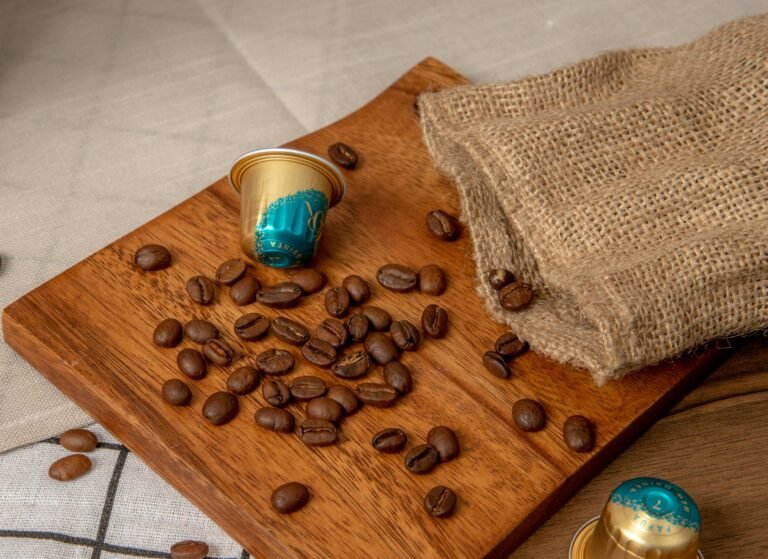
Pairing desserts with the right beverage also enhances the experience. In Italy and many parts of Europe, espresso is the go-to after a hearty holiday meal. Investing in a quality espresso machine can elevate your baking ritual, allowing you to savor rich, aromatic coffee alongside your homemade pastries.

In this article, we’ll explore holiday baking tips from various countries, helping us expand our culinary horizons while filling our homes with delightful aromas. Whether we’re seasoned bakers or just starting, these tips will elevate our holiday baking game. Let’s embark on this delicious journey together and discover how to bring a taste of international flair to our festive celebrations!

Overview of Holiday Baking Traditions

Holiday baking traditions reflect the rich cultural heritage of various regions. Each tradition brings unique flavors and techniques, enhancing our festive celebrations.

    • Germany: In Germany, we often bake stollen, a fruitcake filled with dried fruits, nuts, and spices. Traditionally shaped like a baby Jesus wrapped in swaddling clothes, this cake symbolizes the Christmas season’s spirit.
    • Italy: We celebrate with panettone, a sweet bread loaf filled with candied fruits and a hint of citrus. Originating from Milan, this treat has become a staple in many households during Christmas and New Year’s.
    • Mexico: In Mexico, we prepare tres leches cake, a light sponge cake soaked in three types of milk. Often served at holiday gatherings, it creates a moist, rich dessert that’s perfect for festive occasions.
    • Sweden: Swedish gingerbread cookies, or pepparkakor, play an essential role in our holiday traditions. These spiced cookies are often cut into shapes, decorated, and hung on trees as ornaments.
    • United States: In the U.S., we enjoy diverse baking customs, including cookies, pies, and the iconic pumpkin pie. Each family may have their variations, making this season a delightful exploration of flavors.

These traditions illustrate the festive spirit we share, as baking intertwines with our cultural identities. By embracing these diverse practices, we create lasting memories and flavors that enrich our holiday celebrations.

Popular Holiday Baked Goods

Holiday baked goods vary across cultures, showcasing unique flavors and traditions. We explore classic desserts from Europe and unique treats from Asia that enhance our festive celebrations.

Classic Desserts from Europe

Europe boasts an array of classic holiday desserts. We find stollen from Germany, a fruitcake filled with dried fruits and nuts, often dusted with powdered sugar. Italy presents panettone, a dome-shaped sweet bread, enriched with candied peel and raisins. France offers bûche de Noël, a chocolate yule log, symbolizing the winter solstice. In Sweden, we enjoy pepparkakor, spiced gingerbread cookies, often shaped into festive figures. Each of these desserts adds festive charm and warmth to our holiday gatherings.

Unique Treats from Asia

Asia features an exciting variety of unique holiday desserts. We experience mochi from Japan, a rice cake filled with sweet red bean paste, often enjoyed during New Year’s celebrations. China delights us with mooncakes, filled with lotus seed paste and salted egg yolk, traditionally consumed during the Mid-Autumn Festival. In India, we savor barfi, a dense, sweet confection made from condensed milk and flavored with cardamom or pistachios. Each of these treats brings cultural significance and rich flavors, enhancing our holiday baking experience.

Essential Baking Tips for Success

Baking success relies on careful ingredient selection and the right tools. We’ll explore essential tips to enhance our holiday baking experience.

Choosing the Right Ingredients

Selecting quality ingredients significantly impacts our baked goods. We prioritize fresh, seasonal produce and organic options when available. Ingredients like butter should be unsalted for better control over sweetness. Use high-quality chocolate and spices for enhanced flavor. For flour, all-purpose blends work for most recipes, but specialty flours can elevate texture. Fresh eggs improve rise and moisture, while proper storage prevents spoilage. Whenever possible, we measure by weight for accuracy, ensuring consistent results across different baking sessions.

Tools and Equipment You Should Have

Having the right tools streamlines our baking process. We rely on a few essential items, including a good set of measuring cups and spoons, a kitchen scale, and mixing bowls. A stand mixer simplifies tasks like whipping cream and kneading dough, while a whisk ensures even mixing. We keep quality baking sheets and pans in various sizes for versatility. Silicone mats and parchment paper help with easy clean-up. Thermometers for ovens and candy monitor temperatures precisely, ensuring our treats bake perfectly every time.

Cultural Significance of Holiday Baking

Holiday baking serves as a rich tapestry weaving together traditions, history, and community. Each culture offers unique recipes that reflect its values and beliefs during festive times. In Germany, stollen represents the Christmas spirit, its fruit-filled layers symbolizing faith and redemption. Italy’s panettone, a staple during Christmas, showcases the importance of family reunions and festive gatherings, often shared among loved ones.

Mexico’s tres leches cake embodies celebration, with its moist texture representing abundance and hospitality. Swedish gingerbread cookies, designed for decoration, highlight creativity and craftsmanship, featuring intricate designs that nourish both the heart and home during the holidays. In the United States, a diverse array of cookies and pumpkin pies showcases regional variations, linking families through generations of recipes that evoke cherished memories.

These baked goods carry stories through generations, each bite echoing cultural narratives. In Japan, mochi brings families together with its chewy texture and symbolism of prosperity, while China’s mooncakes serve to celebrate the harvest moon, fostering unity among family members. Indian barfi, with its rich flavors, signifies festivities and the sharing of joy and blessings, forming connections within communities.

Baking during the holidays transcends mere culinary practice. It conveys sentiments of love, generosity, and gratitude, creating lasting memories within families and communities. Each recipe shared becomes a means of storytelling, fostering traditions that strengthen bonds across disparate cultures. Through exploring these holiday baking traditions, we embrace a deeper understanding of global customs, uniting our festive experiences in celebration of diversity. For more insights, check out The Kitchn for expert baking advice.

From Road Trips to Recipes: Adventures That Start with a Journey

Journeys have a special way of shaping our experiences. Whether it’s hitting the open road on a motorcycle or discovering a new recipe inspired by a distant place, adventures often begin with the simple act of traveling. These journeys transform ordinary moments into memorable stories, bringing together the thrill of exploration and the joy of discovery. Let’s explore how road trips and recipes intertwine to create adventures that nourish both the body and soul.

The Open Road: Freedom and Discovery on Two Wheels

There’s something uniquely freeing about riding a motorcycle. The wind rushing past, the changing scenery, and the sense of connection with the road all contribute to an experience unlike any other. Road trips on a motorcycle are not just about reaching a destination; they’re about savoring every moment along the way.

For many enthusiasts, preparing for such trips involves careful planning. Sometimes the bike itself needs to be transported to the starting point or a new region, which is where services like Bristol motorcycle shipping come in handy. Ensuring your motorcycle arrives safely allows you to focus on the adventure ahead without worrying about logistics.

Once on the road, every twist and turn can lead to unexpected discoveries, hidden cafés, scenic viewpoints, and friendly locals. These moments make the journey richer, creating stories that last long after the trip ends.

Culinary Adventures: Recipes Born from Travel

Travel doesn’t just feed the soul; it feeds the stomach too. One of the best ways to capture the essence of a journey is through food. Every place has its unique flavors, spices, and cooking methods that tell the story of its culture and history.

When travelers return home, they often bring back more than souvenirs. Inspired by the meals they savored on the road, many attempt to recreate these dishes in their own kitchens. This process turns the memories of a trip into tangible experiences. Delicious recipes that keep the adventure alive long after the journey.

Trying new recipes can be an adventure in itself. Experimenting with unfamiliar ingredients and techniques opens the door to creativity, transforming cooking from a routine chore into an exciting exploration.

How Journeys Connect Road Trips and Recipes

Road trips and recipes share a common thread: they both begin with a journey, whether physical or sensory. A motorcycle road trip might lead you through regions known for particular foods, and sampling these local dishes can inspire you to bring a taste of the road back home.

Imagine riding through the countryside, stopping at a family-run restaurant to try a traditional stew or pastry. The flavors linger in your mind, encouraging you to collect recipes or adapt them with your own twist. These culinary discoveries become souvenirs that go beyond objects; they’re gifts of culture and experience.

Moreover, the act of preparing and sharing food can be a social adventure. Friends and family gathered around a table, sharing stories from the road and savoring dishes inspired by travels, creating a new kind of journey, one centered on connection and memory.

Planning Your Own Adventure: Tips for Road Trips and Recipes

If you’re ready to embark on an adventure that combines the thrill of the road with culinary discovery, here are a few tips to get started:

  1. Prepare Your Motorcycle for the Trip
    Whether you’re starting locally or transporting your bike from afar, reliable shipping services ensure your motorcycle arrives safely and ready for the open road.
  2. Research Local Cuisine Along Your Route
    Find out which foods and dishes are specialties in the regions you plan to visit. Look for local markets, diners, or family-owned restaurants to get an authentic taste.
  3. Document Your Culinary Finds
    Take photos, write down recipes, and collect any cooking tips from locals. These notes will help you recreate the flavors of your journey once you’re back home.
  4. Experiment in the Kitchen
    Don’t be afraid to try new ingredients or adapt recipes to suit your taste. Cooking inspired by travel can lead to exciting new favorites.
  5. Share Your Experiences
    Invite friends or family to share the meals you prepare and tell stories from your road trip. These shared moments build new memories tied to your adventure.

Embracing the Journey in Every Aspect

Adventure is more than just the miles traveled; it’s about how those experiences enrich our lives. From the excitement of a motorcycle road trip to the comfort of a meal cooked with love and inspiration, journeys create lasting impressions.

So, whether you’re planning your next road trip or looking for a new recipe to try, remember that every adventure starts with a single step, or a single ride. And sometimes, the best stories come from the moments in between.

6 Tips for Organized, Functional Kitchens

A well-organized kitchen is more than just visually appealing—it streamlines your cooking process, saves time, and reduces stress. The kitchen is often the heart of the home, where meals are prepared, snacks are grabbed, and conversations happen. When everything has a place and systems support daily use, even the smallest kitchens can feel spacious and functional.

Functionality doesn’t come from size alone; it’s a result of smart planning. With the right strategies, you can eliminate clutter, enhance efficiency, and fall in love with your kitchen again. Whether you cook every day or just need a space that works for your lifestyle, a few focused changes can yield significant results. It’s about creating intuitive zones that work with your habits, not against them.

Design with Flow in Mind

Your kitchen layout defines how you move and interact with your tools and appliances. The “kitchen work triangle”—the distance between the sink, stove, and refrigerator—is still one of the most effective design guidelines, especially for small kitchens. But regardless of layout, maintaining clear counter space is essential. It reduces friction when preparing meals and creates a natural workflow.

Keep only daily-use items out in the open. This includes essentials like a coffee maker, toaster, or utensil holder. Store lesser-used appliances in cabinets or utility closets. Group cooking tools close to where they’re used. For instance, keep pots and pans near the stove, and cutting boards near your prep area. These small shifts improve flow and reduce back-and-forth movement. Even in galley kitchens or small urban spaces, planning with intent can help make the most of every inch.

Rethink Cabinet Strategy

Cabinet organization is often the difference between a smooth cooking experience and a frustrating one. Pull-out shelves, risers, lazy Susans, and drawer dividers make cabinets more accessible. Categorize contents by type—baking tools in one area, dinnerware in another—and use labeled bins to keep small items contained. Keep heavier items on lower shelves and lighter ones higher up for safety and convenience.

Don’t overlook vertical space. Hooks for mugs or utensils, hanging shelves, or magnetic knife strips open up room and keep surfaces tidy. Pantry goods like spices, canned food, and dry goods benefit from clear containers and stacking systems. This visibility cuts down on overbuying and helps maintain freshness. If you’re short on pantry space, turning a closet into a pantry can free up significant room elsewhere and allow for better segmentation of storage needs. It’s a cost-effective option that transforms underused square footage into highly valuable kitchen real estate.

Maximize Countertop Real Estate

A clutter-free counter is vital for both appearance and practicality. Aim to keep at least two feet of continuous counter space clear for food preparation. Remove décor that serves no function and relocate paperwork, chargers, or keys to other rooms. When counters are crowded, food prep becomes cramped and chaotic, raising stress levels unnecessarily.

Use wall-mounted storage to keep cutting boards, utensils, or spices accessible without crowding surfaces. Under-cabinet lighting brightens your prep area and makes the room feel larger. Even a small rolling island can create prep space that’s flexible and unobtrusive. The more room you have to work, the more efficient and enjoyable cooking becomes. Consider adding a butcher block insert or fold-down surface if you’re tight on space.

Turn Drawers into Zones

Drawers are among the most misused spaces in a kitchen. Junk drawers become black holes without proper dividers. Start by emptying every drawer and grouping items into categories: tools, utensils, gadgets, and miscellaneous. Only keep items you use regularly and relocate the rest. Frequently used tools should always be within arm’s reach of the zones where you use them.

Invest in expandable drawer dividers to separate spatulas from measuring spoons or dishcloths from food wraps. Deep drawers are ideal for storing pots and pans with adjustable pegs to keep them from sliding. Store lids vertically using racks to free up space. Think of drawers as functional zones, not storage dumping grounds. With the right inserts, even oddly shaped tools can find a stable home, eliminating frustration and saving time during meal prep.

Streamline Cold Storage

Refrigerators and freezers need regular attention to stay functional. Start by decluttering—toss expired condiments, mystery leftovers, and freezer-burned items. Group similar foods together: dairy on one shelf, condiments in the door, and leftovers on an eye-level shelf so they don’t get forgotten. Keeping everything in plain sight reduces waste and allows for quicker grocery planning.

Use clear bins in the fridge just as you would in a pantry. Label them if needed—snacks, lunch prep, veggies, or sauces. In the freezer, group items into bags or containers by type: frozen fruit, meat, premade meals. Regularly cleaning your fridge and taking stock of what you have will save money and prevent waste. An inventory checklist on the door can also help reduce duplicates and confusion. Keeping cold storage efficient helps your kitchen as a whole run more smoothly.

Build Habits That Support the Space

Waste management can make or break your kitchen’s efficiency. Position your trash can, recycling bin, and compost near prep areas. Pull-out waste drawers keep bins out of sight without losing accessibility. For added functionality, include a scrap bowl on the counter while cooking to simplify clean-up. These little touches save steps and help maintain a cleaner workspace.

Finally, establish a rhythm of maintenance. Do a five-minute tidy at the end of each day—wipe down surfaces, load the dishwasher, and put everything back in place. This small habit prevents messes from piling up and keeps your kitchen pleasant to walk into every morning. Weekend resets can go a step further—wiping down cabinet doors, organizing drawers, and checking expiration dates.

A functional kitchen reflects your routines. Choose systems and layouts that support your specific habits, not someone else’s aesthetic. When storage, surfaces, and flow work in harmony, you’ll spend less time hunting and more time enjoying the space where nourishment and connection begin. A well-run kitchen isn’t about perfection—it’s about making your daily life easier, cleaner, and more joyful.

The goal of any kitchen organization system should be sustainability. If the structure is too complicated or doesn’t align with your natural habits, it won’t last. Think in terms of ease, flow, and daily use. Your kitchen should support your lifestyle—whether you’re cooking for one or feeding a full house. Prioritizing function over perfection leads to better long-term results and a space that truly serves you.

One Drink, Endless Benefits: Why Sea Moss Is Your New Daily Ritual

If you’re looking for a natural way to fuel your body, boost your immunity, and elevate your wellness, it’s time to take a serious look at sea moss drinks. This ocean-grown superfood has taken center stage in the health world, and for good reason. With its rich mineral content, digestive benefits, and skin-enhancing properties, sea moss is proving to be more than just another trend—it’s becoming a daily ritual for people who want to feel and look their best. Let’s dive into what makes this humble sea plant the powerhouse your routine has been missing.

A Nutrient Powerhouse from the Sea

What sets sea moss apart from most other natural supplements is its sheer mineral density. This marine algae is believed to contain 92 out of the 102 minerals that your body needs to function optimally. These include vital nutrients such as iodine, zinc, calcium, magnesium, iron, and potassium—all of which play crucial roles in various bodily functions, including metabolism, mood, muscle function, and bone strength. Drinking sea moss daily is like giving your body a multivitamin in liquid form, but from a completely natural source.

Boosting Your Immune System Naturally

In today’s health-conscious world, immunity is top of mind, and sea moss delivers. Its high levels of vitamin C and amino acids help support the immune response and reduce inflammation. When consumed as a drink, these compounds are quickly absorbed, allowing your body to benefit faster. Incorporating a sea moss drink into your morning routine can serve as your natural immune shield, especially during cold and flu seasons.

Gut Health Begins with Sea Moss

A healthy digestive system is the foundation of overall wellness, and sea moss is rich in prebiotic fiber that helps feed the good bacteria in your gut. This supports smoother digestion, more regular bowel movements, and better nutrient absorption. Many people who incorporate sea moss into their diets notice a reduction in bloating and a lighter, more energized feeling throughout the day. If you’re struggling with digestive issues, this is one drink that could change everything.

Glowing Skin from the Inside Out

If skincare is part of your wellness routine, adding sea moss drinks can supercharge your glow. Packed with sulfur, vitamin A, and omega-3 fatty acids, sea moss helps reduce skin inflammation, regulate oil production, and promote collagen formation. When your internal systems are nourished, your skin reflects it. Instead of layering on creams to fight breakouts or dullness, why not feed your skin from within?

A Natural Energy Boost Without the Crash

Unlike caffeinated beverages that offer temporary stimulation followed by a sharp crash, sea moss drinks deliver sustained energy thanks to their rich blend of B vitamins and iron. These nutrients help your body produce red blood cells and carry oxygen more efficiently, leading to improved endurance and focus. Whether you’re powering through a long workday or an intense workout, sea moss gives you the fuel to perform without the jitters.

Supports Thyroid Function and Hormonal Balance

Iodine plays a crucial role in regulating the thyroid, and sea moss is one of the best plant-based sources of this essential mineral. Proper thyroid function is crucial for maintaining optimal energy levels, metabolism, and hormonal balance. If you’ve been feeling sluggish or noticed unexplained weight gain, your thyroid may need extra support, and sea moss could be the missing link in your wellness plan.

Improved Joint Health and Inflammation Response

Inflammation is at the root of many chronic conditions, and sea moss offers powerful anti-inflammatory properties, thanks to compounds such as omega-3 fatty acids and potassium chloride. Regular consumption can help reduce joint pain and stiffness, particularly in individuals managing arthritis or other inflammatory disorders. Sea moss helps your body move more freely, making it an ideal daily supplement for anyone looking to stay active and pain-free.

Hydration and Electrolyte Replenishment

Staying hydrated isn’t just about water—your body also needs electrolytes like sodium, potassium, and magnesium to maintain balance. Sea moss naturally contains these electrolytes, making it an excellent choice for hydration, especially after sweating or engaging in intense physical activity. Skip the sugary sports drinks and reach for something that not only hydrates but also nourishes on a cellular level.

Mental Clarity and Emotional Balance

The brain is deeply affected by nutrient levels and inflammation. Sea moss may improve mental clarity and mood by supporting a healthy nervous system. Nutrients such as magnesium and B-complex vitamins play a role in emotional regulation and the stress response. Many people who regularly consume sea moss drinks report feeling more focused, less anxious, and more in tune with their day. It’s a simple way to invest in your mental well-being.

Making Sea Moss a Ritual You’ll Stick To

Consistency is key with any wellness practice. The beauty of sea moss drinks is that they’re incredibly easy to incorporate into your routine. Whether blended into a smoothie, mixed with fruit juices, or taken on its own, sea moss offers flexibility and versatility. Because it tastes relatively mild, it pairs well with a variety of flavors, making your daily ritual both delicious and effective.

Incorporating sea moss into your daily routine isn’t just about following a health trend—it’s about embracing a lifestyle that prioritizes natural nourishment and long-term vitality. From boosting immunity and supporting gut health to enhancing energy and promoting radiant skin, sea moss offers a wide range of benefits that your body will appreciate. If you’re ready to elevate your wellness journey with this ocean-grown superfood, make it a daily habit and experience the difference firsthand. For premium sea moss products you can trust, visit holisticvitalis.com and take the first step toward a healthier, more vibrant you.