

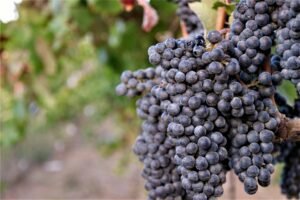
Australia has long been recognized worldwide for producing exceptional wines shaped by a remarkable range of climates and regions. More recently, the focus has broadened beyond taste and accolades, with sustainability becoming an increasingly important part of the Australian wine story.
For newcomers, the concept of sustainable wine can feel overwhelming, touching on everything from environmental impact and vineyard practices to ethics and certification standards. This guide simplifies the essentials, providing a clear and approachable introduction to the sustainable wine Australia produces, and helping you understand how to choose sustainable bottles with confidence.
What Is Sustainable Wine?
Sustainable wine refers to wine produced using practices that minimize environmental impact, support biodiversity, and promote long-term vineyard health while remaining economically viable for growers. Unlike a single rigid standard, sustainability is a broad framework that balances environmental care, social responsibility, and business longevity.
In Australia, sustainable wine production often includes reducing water usage, improving soil health, lowering carbon emissions, managing waste responsibly, and ensuring fair and safe working conditions. Importantly, sustainability focuses on continuous improvement rather than absolute perfection.
Why Sustainability Matters in Australian Winemaking
Australia’s wine regions face unique environmental pressures. Prolonged droughts, rising temperatures, and unpredictable weather patterns all affect grape quality and yields. Sustainable farming helps wineries adapt to these challenges by building resilience into vineyards and surrounding ecosystems.
From a consumer perspective, choosing sustainable Australian wine supports producers who are investing in the future of the land. It also aligns with growing interest in ethical consumption, where purchasing decisions reflect environmental and social values alongside quality and price.
Understanding the Difference
Sustainable wine is the broadest category. It may include organic practices but does not require them. Instead, it focuses on measured improvements across environmental, social, and economic factors.
Organic wine is produced from grapes grown without synthetic pesticides, herbicides, or fertilizers. Organic certification is regulated and audited, ensuring compliance with strict standards.
Biodynamic wine goes a step further, treating the vineyard as a self-contained ecosystem. Biodynamic growers follow organic principles while also incorporating specific preparations and lunar calendars. While biodynamics can sound unconventional, many respected Australian producers credit these methods with improved soil vitality and grape expression.
All three approaches aim to reduce environmental harm, but sustainability offers the most flexible and widely adopted pathway within Australia.
Key Sustainable Practices in Australian Vineyards
Sustainable Australian wine producers commonly focus on several core practices:
- Water efficiency: Drip irrigation, recycled water systems, and careful monitoring help reduce water consumption in a dry climate.
- Soil health: Cover crops, composting, and reduced chemical inputs improve soil structure and microbial activity.
- Biodiversity: Maintaining native vegetation and wildlife corridors supports beneficial insects and natural pest control.
- Energy and emissions: Many wineries invest in solar power, lightweight bottles, and carbon accounting to lower their footprint.
- Waste reduction: Recycling grape marc, reducing packaging, and minimizing landfill waste are standard sustainability goals.
These practices not only protect the environment but can also enhance wine quality by producing healthier vines and more balanced fruit.
Sustainability Certifications to Look For
Australia has several recognized sustainability programs that help consumers identify responsibly produced wine.
One of the most prominent is Sustainable Winegrowing Australia (SWA), a national framework supported by the wine industry. Wines produced under this program meet strict standards across environmental stewardship, social responsibility, and economic resilience.
Other labels you may encounter include organic and biodynamic certifications. While certification is not the only indicator of sustainability, it provides reassurance that claims are independently verified.
Does Sustainable Wine Taste Different?
A common misconception is that sustainable wine tastes inferior or “alternative.” In reality, sustainability is about how grapes are grown and wine is produced, not about imposing a particular flavor style.
Many sustainable Australian wines are similar in taste from conventionally produced wines, while others are celebrated for expressing regional character more clearly. Healthier soils and balanced vineyards often lead to grapes with better natural acidity, flavor concentration, and complexity.
For beginners, the best approach is to focus on wines you enjoy while gradually exploring sustainably produced options within familiar styles.
How to Choose Sustainable Australian Wine as a Beginner
If you are new to sustainable wine, start with simple, practical steps:
- Look for sustainability logos or organic certification on labels.
- Ask bottle shop staff about sustainably produced Australian wines.
- Explore producers known for environmental leadership within well-known regions.
- Read winery websites for clear explanations of their sustainability practices.
You do not need to change your buying habits overnight. Even choosing one sustainable bottle among your regular purchases contributes to positive change.
The Future of Sustainable Australian Wine
Sustainability is no longer a niche concern within Australian winemaking. As climate pressures increase and consumer awareness grows, sustainable practices are becoming standard across the industry. Innovation in vineyard management, packaging, and renewable energy continues to improve both environmental outcomes and wine quality.
For beginners, this is good news. It means sustainable Australian wine is increasingly accessible, affordable, and diverse in style.
Final Thoughts
Sustainable Australian wine represents a balance between quality, environmental care, and long-term viability. By understanding what sustainability means, recognizing credible certifications, and making informed choices, beginners can enjoy excellent wine while supporting responsible producers.
Ultimately, sustainability in wine is about preserving Australia’s vineyards for future generations without compromising the pleasure of what is in the glass today.