

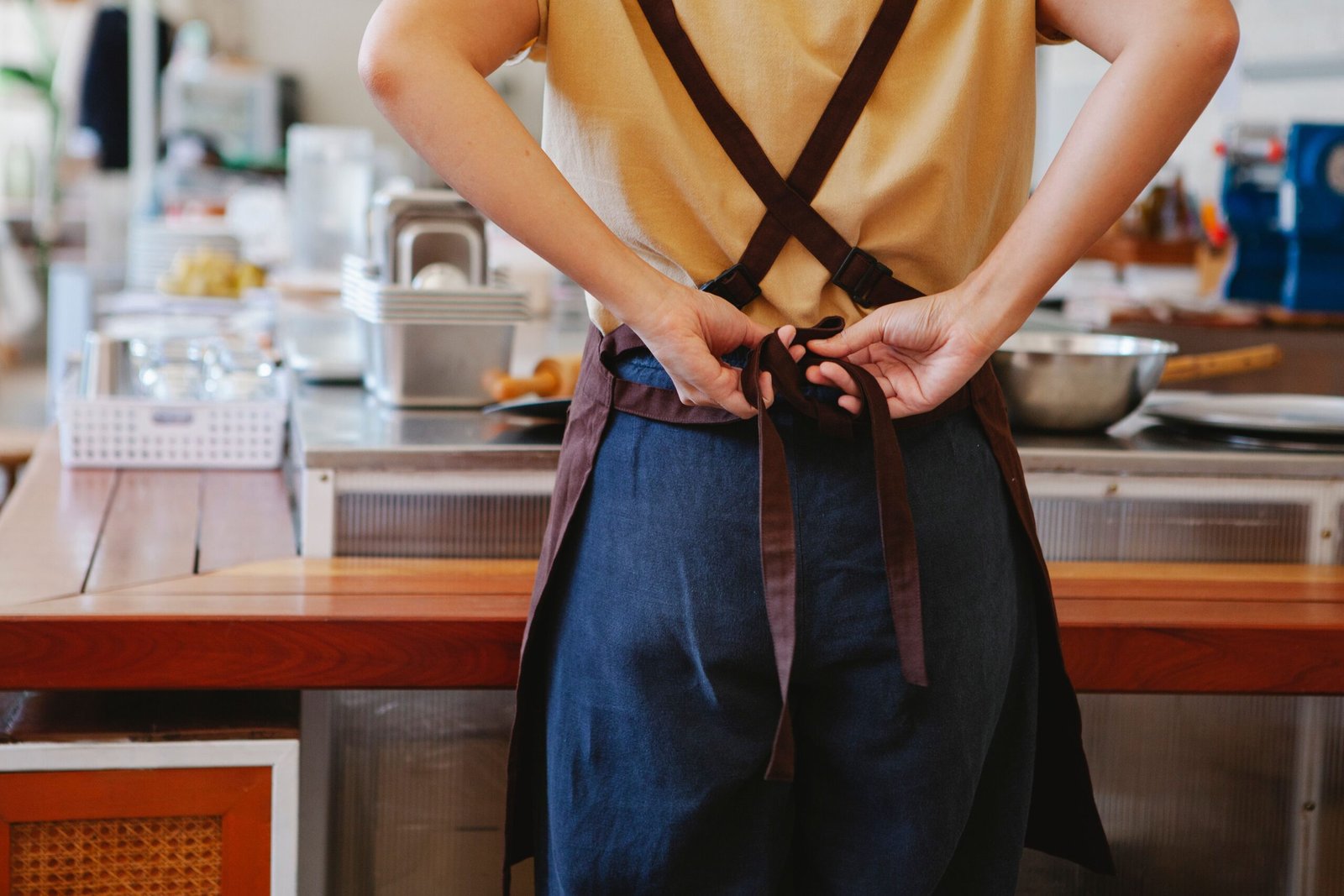
A holiday feast, a Sunday of batch cooking or a dinner party for friends can easily keep you in the kitchen for hours. That means a lot of standing, bending, reaching and lifting, often surrounded by heat, steam and the odd splash of sauce. What you wear makes a real difference to how comfortable and safe you feel by the time the food hits the table.
Start with clothes that let you move freely without getting in the way. Soft joggers, breathable tops or SKIMS loungewear sets work well, as long as the fit is relaxed rather than baggy. Loose sleeves and flowing hems can catch on pan handles or drift too close to a flame, so aim for pieces that stay close to the body while still giving you room to stir, stretch and carry.
Choose Breathable Fabrics
Kitchens can heat up fast, especially when the oven, stovetop, and dishwasher are all running. Breathable fabrics like cotton, bamboo, modal, and lightweight jersey help keep you cool while still feeling soft against the skin. If you tend to overheat, avoid heavy fleece, thick sweaters, or synthetic fabrics that trap warmth.
Layering can also be helpful. Start with a light short-sleeve or long-sleeve top, then add a cardigan or zip-up layer if your kitchen is cool at the beginning. Once the cooking starts and the temperature rises, you can remove the outer layer easily.
Prioritize Safe Fits
Loose sleeves, dangling ties, and flowing garments may look cozy, but they can be risky in the kitchen. Wide sleeves can brush against burners, dip into sauces, or catch on cabinet handles. If you wear long sleeves, choose fitted cuffs or roll them up securely before cooking.
The same rule applies to tops and bottoms. Oversized clothing can be comfortable, but it should not hang so loosely that it becomes a hazard. A fitted T-shirt, a simple sweatshirt with snug cuffs, or a breathable long-sleeve top is usually a better choice than anything with dramatic sleeves, fringe, or long drawstrings.
Wear Supportive Shoes
Footwear is one of the most important parts of your cooking outfit. Standing on hard kitchen floors for hours can lead to sore feet, aching knees, and lower back discomfort. Supportive shoes with cushioning can make a major difference.
Avoid cooking barefoot for long sessions, especially if you are handling heavy pans, knives, or glass dishes. A dropped utensil or splash of hot liquid can cause injury. Instead, choose cushioned sneakers, supportive clogs, or house shoes with a firm sole and good grip. Slip-resistant soles are ideal, particularly if your kitchen floor gets wet easily.
Add an Apron
An apron is practical, protective, and often underrated. It keeps your clothes cleaner while protecting them from flour, oil, sauce, and splatters. A full-coverage apron is especially useful for messy cooking projects like frying, baking, kneading dough, or making tomato-based sauces.
Look for an apron with adjustable straps, a comfortable neck or cross-back design, and pockets for small tools, a towel, or a timer. If you cook often, choose one made from durable cotton or canvas that can be tossed into the wash after use.
Keep Hair and Accessories Simple
Long cooking sessions are easier when your hair is secured and your accessories are minimal. Tie long hair back with a hair tie, clip, or headband to keep it away from food, flames, and your face. This is also more hygienic and prevents distractions while you work.
Jewelry should be kept simple. Large rings, bracelets, and dangling necklaces can get in the way, collect food residue, or snag on utensils. If you are kneading dough, handling raw meat, or washing produce, it is best to remove rings and bracelets before starting.
Dress for the Type of Cooking
Different kitchen tasks call for slightly different outfit choices. If you are baking, expect flour, butter, and sugar to end up on your clothes, so wear washable pieces and an apron. If you are frying, choose long sleeves with fitted cuffs to help protect your skin from oil splatter. When grilling indoors or working near high heat, avoid delicate fabrics that may scorch or hold odors.
For entertaining, you may want an outfit that is both comfortable and presentable. A neat top, stretchy pants, supportive shoes, and a clean apron can help you feel polished without sacrificing practicality.
Final Tips for Kitchen Comfort
Before you begin a long cooking session, think about movement, heat, safety, and cleanup. Wear breathable clothing, supportive shoes, and an apron you do not mind getting dirty. Avoid anything overly loose, delicate, or difficult to wash.
The best kitchen outfit lets you focus on the food instead of adjusting sleeves, nursing sore feet, or worrying about stains. With the right clothing, you can move confidently, stay comfortable, and enjoy the process from prep to plating.