

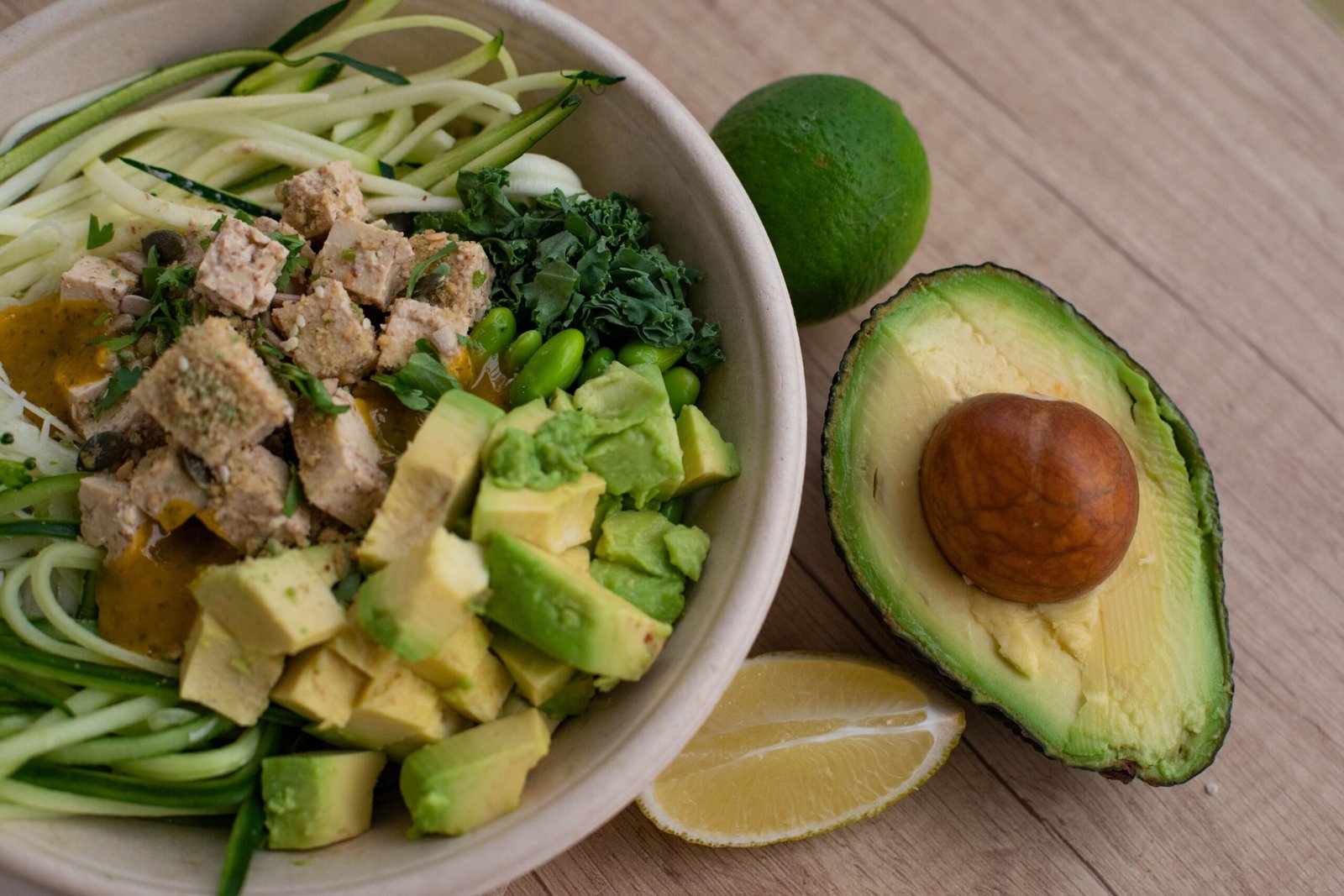
A healthier pantry does not have to mean throwing away everything you like or committing to a completely new way of cooking. In fact, the most sustainable nutrition upgrades often come from small swaps, smart additions, and better versions of foods you already eat. The goal is making your everyday meals a little more nourishing without making them harder, more expensive, or less enjoyable.
Most people have a handful of meals they come back to each week, such as pasta, tacos, sandwiches, rice bowls, soups or breakfast toast. Pairing a convenient daily habit like gummy vitamins with a well-stocked pantry is an easy way to cover your bases, since the right ingredients naturally add more fiber, protein, healthy fats, vitamins and minerals to those familiar dishes. A nutrient-rich pantry works with the way you already cook and gives you plenty of simple ways to make meals even better.
Start With What You Already Eat
Before buying anything new, take a look at your current pantry and notice your regular patterns. Do you eat oatmeal most mornings? Keep pasta and jarred sauce on hand? Make wraps for lunch? Snack on crackers? These habits are not problems to eliminate; they are opportunities to improve.
For example, if pasta is a weekly staple, try keeping whole grain pasta, chickpea pasta, or lentil pasta next to your usual box. If you enjoy rice, add brown rice, wild rice, or quinoa to the shelf. If you love chips and salsa, stock bean-based chips or add a can of black beans to turn the snack into a quick meal. Building nutrition around existing habits makes change feel natural rather than forced.
Upgrade Your Carbohydrates
Carbohydrates are often unfairly criticized, but they can be an important source of energy, fiber, and micronutrients. The key is choosing options that offer more than just refined starch.
Good pantry upgrades include oats, whole grain crackers, brown rice, barley, farro, quinoa, whole wheat couscous, and whole grain bread crumbs. These foods can be used in familiar ways: oats for breakfast, quinoa in bowls, barley in soup, and whole grain crackers with cheese or hummus.
You don’t need to replace every refined grain at once. Try mixing half white rice and half brown rice, or using whole grain pasta with your favorite sauce. Gradual changes are easier on your taste buds and your routine.
Add More Plant-Based Protein
Protein helps keep meals satisfying, and pantry-friendly sources make it easy to add without much planning. Canned beans, lentils, chickpeas, tuna, salmon, sardines, peanut butter, almond butter, nuts, seeds, and shelf-stable tofu are all useful staples.
Beans and lentils are especially versatile. Add white beans to pasta, black beans to tacos, chickpeas to salads, or lentils to soup. You can also mash beans with olive oil and seasoning for a sandwich spread. These additions increase fiber and protein while keeping meals affordable.
Nuts and seeds are another simple upgrade. Sprinkle pumpkin seeds on oatmeal, add chia seeds to yogurt, stir ground flaxseed into pancake batter, or use walnuts in salads. Small amounts can make a meaningful nutritional difference.
Choose Better Fats
A nutrient-rich pantry should include fats that support flavor and satisfaction. Extra-virgin olive oil is one of the easiest upgrades because it works for sautéing, roasting, dressings, and finishing dishes. Avocado oil is another useful option for higher-heat cooking.
Nut butters, tahini, canned fish, olives, and seeds also provide healthy fats. These ingredients can make simple foods taste richer while adding nutrients. For example, tahini can turn lemon juice and water into a creamy dressing, and canned salmon can transform toast or crackers into a more balanced lunch.
Keep Flavor Builders on Hand
Healthy food becomes much easier to enjoy when your pantry includes bold, convenient flavor boosters. Stock spices, dried herbs, vinegars, mustards, hot sauce, salsa, low-sodium soy sauce, broth, canned tomatoes, garlic, onions, and citrus-friendly seasonings.
These items help you rely less on excess salt, sugar, or heavy sauces. Smoked paprika can make roasted chickpeas taste savory, cinnamon can make oatmeal feel sweeter without much added sugar, and vinegar can brighten beans, grains, and vegetables.
Make Snacks Work Harder
Pantry snacks can be both enjoyable and nourishing. Instead of removing your favorite snacks, pair them with foods that add nutrition. Crackers with peanut butter, popcorn with nuts, tortilla chips with bean dip, or dried fruit with seeds can feel familiar while being more balanced.
Look for snacks with fiber, protein, or healthy fats. Trail mix, roasted edamame, whole grain granola, tuna packets, and fruit cups packed in juice are easy options to keep nearby.
Build Slowly and Stay Flexible
You don’t need a perfect pantry by next week. Choose one category to improve at a time: grains this week, proteins next week, then oils, spices, or snacks. As you run out of an item, replace it with a slightly more nutrient-dense version.
The best pantry is one you actually use. By making small, practical upgrades to foods you already enjoy, you can create meals that are more nourishing without changing everything you eat.