

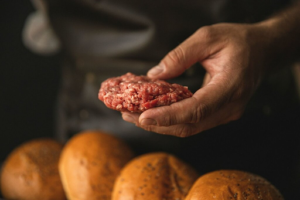
Freshly minced meat tastes better and lets you control exactly what goes into your meals.
Using high-quality meat mincers for home kitchens improves consistency and hygiene.
Grinding your own meat reduces reliance on store-bought options with unknown fillers or preservatives.
Home mincing is ideal for burgers, sausages, meatballs and specialty diets.
Why More Home Cooks Are Choosing to Mince Their Own Meat
There’s been a quiet shift in home kitchens across Australia. More people are moving away from pre-packaged mince and choosing to process their own. It’s not about trying to be fancy—it’s about quality, trust, and taste.
Store-bought mince can be convenient, but it often comes with uncertainty. You don’t always know the cut, how fresh it is, or what’s been added to extend shelf life. When you mince your own meat at home, you get full control over what ends up on the plate.
For anyone who cares about what they feed their family, or simply wants better flavour and texture, investing in a good mincer is a practical step that pays off quickly.
Understanding the Benefits of Home Mincing
One of the biggest advantages of home mincing is knowing exactly what you’re using. Whether it’s chuck steak for burgers, chicken thighs for meatballs, or a lamb and beef blend for koftas, you get to choose the cut and fat content.
You also avoid the unnecessary extras. Some commercial mince includes added water, preservatives, or filler meat that affects both cooking performance and nutritional value. When you prepare it yourself, it’s all natural—and you can season it before or after, depending on what you’re making.
Texture is another win. Pre-packaged mince can be mushy or uneven, especially if it’s been overworked or frozen and thawed. A high-quality meat mincer for home kitchens creates consistent, clean results that cook more evenly and hold together better in recipes.
What You Can Make Beyond Just Mince
With the right mincer, your options go well beyond basic beef. You can prepare chicken or turkey mince for lighter meals, grind pork for homemade sausages, or mix cuts for custom blends. Some mincers also come with sausage stuffing attachments or specialty plates for coarse or fine textures.
This flexibility is especially useful if you follow a specific diet, shop in bulk, or hunt and process your own meat. It’s also great for reducing waste—offcuts or trimmings that might otherwise be thrown out can be turned into fresh, usable mince.
And for families with food allergies or dietary needs, home mincing offers peace of mind. You know exactly what’s in each batch, without cross-contamination or unwanted ingredients.
What Makes a Mincer “High Quality”
The difference between a cheap plastic mincer and a solid stainless steel unit is clear from the first use. High-quality mincers are designed to process meat smoothly without clogging, overheating or leaving behind uncut chunks.
They should feel stable on the bench, be easy to clean, and come with a motor or handle that doesn’t require constant adjustment or excessive force. Look for heavy-duty materials, sharp blades and proper sealing to ensure long-term performance.
A good high-quality meat mincer for home kitchens will handle frequent use without wearing out—and will process everything from soft chicken to tougher cuts like beef brisket or pork shoulder with ease.
Safety and Hygiene Matter More at Home
When you’re working with raw meat, hygiene is key. A reliable mincer makes cleaning easier and safer, reducing the risk of bacteria transfer or meat spoilage. Models that disassemble fully are easier to scrub, and stainless steel parts are more resistant to corrosion or residue buildup.
It also helps to chill both your meat and the mincer parts before grinding. This keeps the meat firmer and reduces smear, especially for high-fat cuts. The result? Cleaner cuts, better texture and a safer finished product.
Storing freshly ground meat correctly is the final step. Pack it into airtight containers or wrap portions tightly before freezing to maintain freshness and avoid freezer burn.
Tips for Getting the Best Results
Start with well-trimmed, cold meat and cut it into small cubes before feeding it into the mincer. Don’t overload the hopper, and allow the machine to work at its own pace—forcing the meat through too quickly can reduce quality.
If your mincer allows for different grinding plates, experiment with size. Coarse grinds work well for burgers or chilli, while finer textures are ideal for sausages or bolognese. Mixing meats, like beef and pork, can also give dishes a richer flavour and better moisture.
You’ll also want to test seasoning and salt levels with a small batch before committing to a full recipe. This is especially important for sausages or meatballs, where seasoning plays a bigger role.
Investing in a Long-Term Kitchen Essential
A good mincer is more than a one-use appliance. For many households, it becomes part of the regular kitchen rotation—right up there with slow cookers or mixers. It supports better eating habits, reduces reliance on packaged food, and adds more creativity to your cooking.
Whether you’re feeding a family, meal prepping for the week, or just want to upgrade your home cooking, a reliable meat mincer is a practical investment. And with so many options now designed for home use, you don’t need a commercial kitchen to get professional-quality results.