

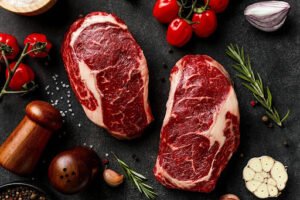
You’ve been there. You pull a beautifully marbled steak from the fridge, let it rest on the counter, season it with care, then sear it on a hot pan. But something goes wrong. It cooks unevenly. The texture is off. The flavor doesn’t quite hit the mark.
So you ask yourself: What am I missing?
The truth is, most of the work behind a perfect steak happens before the pan gets hot. It starts with choosing the right cut, understanding your beef and setting yourself up for success before the meat even touches heat.
In this blog, we will break down what goes into mastering steak preparation, how to select high-quality beef and why smart prep makes all the difference when it comes time to cook.
Quality Isn’t Optional. It’s Foundational.
Every great steak begins with great beef. And no amount of butter-basting or reverse-searing can make up for poor quality meat. If you’re aiming for steakhouse results at home, start with sourcing. High-quality beef is defined by visible marbling, consistent color and firm texture, all of which directly affect flavor and tenderness during cooking. And steaks with even marbling melt fat slowly as they heat, creating remarkably balanced juiciness from edge to center.
This is where Riverbend Ranch Black Label Beef enters the conversation. Renowned for its exquisite marbling and unparalleled tenderness, this premium beef is a standout choice for any special occasion. Founded by Frank VanderSloot, this ranch spans a vast 290,000 acres and raises over 63,000 Black Angus cattle. Their commitment to genetic excellence, considering over 40 factors, ensures consistently high-quality beef that is both flavorful and sustainably sourced.
That kind of care matters. The genetics of the animal, the diet and the environment all play into the final texture and flavor of the meat. A high-quality steak should feel dense but not tough. It should have visible marbling that melts into the meat during cooking. And it should not need heavy seasoning to shine.
Choose your beef like you choose your wine: with curiosity, attention and a respect for where it comes from.
Selecting the Right Cut for the Right Result
Not all steaks are built the same. The cut you choose affects flavor, tenderness and cooking method. Some cuts are naturally richer. Others are leaner but still flavorful when treated correctly.
Here’s a quick breakdown of popular cuts:
- Ribeye: Known for its marbling and bold flavor. Best seared or grilled.
- New York Strip: Leaner than ribeye, with a firmer bite. Still juicy when cooked right.
- Filet Mignon: Extremely tender, very mild in flavor. Pairs well with sauces or butter.
- Sirloin: More affordable, slightly tougher but full of beefy flavor when rested properly.
- Flank or Skirt: Thin cuts with strong grain. Perfect for slicing against the grain and using in fajitas or steak salads.
Choose based on your cooking goals. Want something buttery and rich? Go ribeye. Want something elegant and mild? Try filet.
Tip: Avoid pre-marinated steaks. They often mask the meat’s natural flavor and can overcook easily due to added sugars.
Temperature Control Begins Early
Most people ruin steaks because they either cook them too cold or too hot. A great steak doesn’t go straight from the fridge to the pan. Cold meat takes longer to cook and that leads to uneven doneness.
Pull your steak out about 30 to 40 minutes before cooking. Let it come to room temperature on the counter. This helps it cook more evenly and gives you a better sear.
At the same time, your pan or grill needs to be properly heated. You want it hot enough to sear but not so hot that it scorches the outside before the center cooks. Cast iron works best for indoor searing because it holds heat consistently.
You should hear a loud sizzle the moment the steak hits the pan. That sound means the Maillard reaction is starting—a fancy term for the flavor-building browning process that gives steak its crust.
Salt Smart, Season Simple
Forget heavy rubs and complex marinades. If your beef is high quality, it does not need to be hidden. Season your steak with kosher salt at least 40 minutes before cooking or just before it hits the heat. Anything in between can pull moisture out and affect browning.
Here are some simple seasoning principles:
- Use coarse salt. Fine salt dissolves too fast.
- Don’t be afraid to season generously. Some of it will fall off during cooking.
- Add fresh cracked pepper after cooking to avoid burning.
You can add herbs like rosemary or thyme during cooking if you want extra aroma but keep your flavor profile clean. The steak should be the star.
Let It Rest and Slice It Right
This step is too often skipped. After cooking, the steak needs to rest. That time allows juices to redistribute through the meat so they don’t spill out the moment you slice.
For a 1-inch steak, rest it for 5 to 7 minutes. For thicker cuts, 10 to 15 minutes is better. Cover it loosely with foil to keep it warm.
Then slice. And slice properly. Always cut against the grain. This shortens the muscle fibers and gives you a more tender bite.
If you’re not sure where the grain is, look at the direction of the lines on the meat. Turn your knife perpendicular to those lines and slice confidently.
The Tools That Make a Difference
While technique matters most, the right tools help. A few essentials make steak cooking more precise and less stressful.
- Cast iron skillet or grill pan for high, even heat
- Instant-read thermometer to avoid guesswork (125°F for rare, 135°F for medium-rare)
- Tongs for easy flipping without piercing the meat
- Sharp chef’s knife for clean, even slices
Avoid pressing the steak with a spatula. You’re squeezing out the juices that you worked hard to keep in.
Why It All Adds Up
The best steak is not made in a moment. It is a result of intention layered over every step—starting with sourcing, followed by smart prep and finished with respect for the process.
You don’t need to be a chef. You don’t need a sous-vide machine or a backyard smoker. What you need is patience, good ingredients and attention to detail.
A perfect steak begins long before the pan. And once you learn to respect each part of that process, the result on the plate is not just dinner. It is a reflection of everything you chose to do right.
That first bite will prove it.