Home Blog Page 55

How to make Homemade Root Beer

The art of brewing root beet is sadly not widely known anymore. It’s a real shame because root beer is a real one-of-a-kind beverage. It’s not only delicious thanks to its earthy flavors that make up this fizzy soft drink but it’s also very healthy as well! Just like many other fermented drinks, root beer is a very good probiotic that has been used in natural medicine for centuries. It’s not that often that you get to enjoy something so undoubtedly tasty without the worry of how it might negatively affect your health.

Root Beer

I remember drinking root beer when I was a little girl, especially during the summer. California’s hot weather encouraged us to try out different cold sodas and root beer instantly became my favorite. I drank a ton of it and I especially loved it in the form of root beer floats. There was a local grocery store next to my house that always carried a few bottles of root beer and I remember asking the staff to set some aside for me because I would come back once I saved up some allowance to buy it.

At that time, I didn’t care what brand the root beer was as I couldn’t really tell any difference. Now, however, whenever I buy root beer because I don’t have the time to make my own, I tend to choose microbreweries over big commercial brands. They just have more depth to them, you know?

Fermenting Food At Home

Root beer is one of the most fun sodas to make at home. It’s not that difficult and you can experiment with spices to find your favorite flavor combination. And because it’s a soft drink (don’t let the name ‘beer’ fool you!), it’s a fun cooking project to do with your kids! At the end of this post, you will find the recipe for root beer that I usually follow.

I am so glad that the trend of fermenting food at home is coming back. We would all be so much healthier if we only ate more probiotic foods. Fortunately, being conscious and aware of what you are eating is slowly and gradually becoming the new normal and I couldn’t be happier about it.

Corporations know this and want to cash in on that trend as well. For example, this one major food company is selling root beer flavor concentrates that are supposed to make it easy for you to make your own root beet at home. Here is the ingredient list for that little packet:

Caramel Color, Water, Corn Syrup, Wild Cherry Bark Extractives And Other Natural Extractives, Natural And Artificial Flavors, Methyl Salicylate (Flavoring Agent), Vanillin, Gum Arabic, Gum Tragacanth, And Sulfiting Agents. (source)

Doesn’t seem too healthy, right? Full of artificial ingredients, this concentrate might provide some root beer-resembling taste but it definitely won’t act as a probiotic. It’s much better to do your own flavoring.

Root Beer Variants

Do you remember sarsaparillas? The soft drink that was usually sold in beautiful amber-colored bottles? I remember sipping it with my sister when we were little and feeling very ‘adult’ because the bottles resembled real beer bottles. I remember my uncle telling us that sarsaparillas were actually made this way specifically so that cowboys who didn’t want to get drunk could also partake in the so-called ‘drink culture’ at saloons.

Sarsaparilla has a similar taste to root beer. The sarsaparilla herb serves as the base of this soft drink and traditional root beers were also made using the same ingredient in combination with some other ones. There’s also birch beer that is considered to be a variation of root beer and is made using birch bark. It gives it a unique flavor that is both sweet and minty.

In my recipe, I use both birch essential oil and sarsaparilla in addition to other classic root beer flavors like wintergreen leaf, orange peel, and sassafras. All of these flavors result in an absolute king of root beers!

Root Beer In Natural Medicine

As I mentioned before, root beer is a probiotic which makes it a valuable beverage when it comes to caring for our well-being. I have been reading up on other types of fermented food and how they affect our health in a book titled Sacred Herbal and Healing Beers: The Secrets of Ancient Fermentation.

We know already that natural medicine has its roots in our history. People have been using herbs, spices, roots, berries, and other parts of different plants to treat ailments and prevent diseases. We know that plants have unique healing properties that can be utilized to our benefit. This precious knowledge has been passed on from generation to generation for as long as humanity existed. It would be unwise to ignore it.

Root beer is just one example of such food that has fallen out of fashion despite its wonderful properties. We have grown accustomed to relying on the effectiveness and speed of modern medicine while forgetting that we have so much more at our disposal. I am a strong advocate for combining both natural and modern medicine to support our health in the most effective way possible. Relying on just one of them is not the right way to go.

As the book says:

“…plants are considered to possess intelligence, awareness, and a soul.  They are experienced with being able to speak with human beings and convey information about how they may be used as medicine.”

What Are The Other Benefits Of Root Beer Ingredients?

Sassafras: analgesic, antiseptic, carminative, dentifrice, rubefacient, fungicide, diaphoretic, perfume, and sudorific, and to treat: scurvy, skin sores, toothaches, kidney problems, rheumatism, bronchitis, swelling, menstrual disorders, sexually transmitted diseases, hypertension, and dysentery (source)

Sarsaparilla: decrease joint pain and itching, reduce bacteria, combat pain and inflammation, and protect the liver against toxins (source)

Orange Peel: cholesterol, heartburn, digestion, cancer, respiratory conditions, and vitamin C (source)

Wintergreen Leaf: headache, fever, sore throat, rheumatic symptoms, and various aches and pains (source)

Dandelion Root: mild laxative, increasing appetite, and improving digestion (source)

Juniper Berries: diuretic, appetite stimulant, a remedy for rheumatism and arthritis (source)

Licorice Root: antiviral, antimicrobial, anti-inflammatory, anti-ulcer, anti-diabetic, immunomodulatory, laxative, antitumour and expectorant, and useful in preventing neurodegenerative disorders and cavities (source)

Burdock Root: diuretic, diaphoretic, and a blood purifying agent (source)

Sweet Birch Essential Oil: rubefacient, analgesic, antiseptic  (source)

Cinnamon: anti-viral, antioxidant, diabetes, alzheimer’s disease (source)

Star Anise: digestion, rheumatism (source)

Vanilla: intestinal gas, fever, and to increase sexual desire (source)

I don’t believe you need any more convincing so let’s go to the recipe!

CLASSIC LACTO-FERMENTED HOMEMADE ROOT BEER

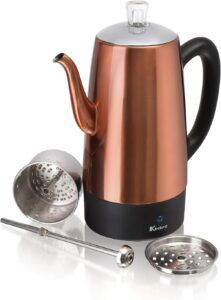
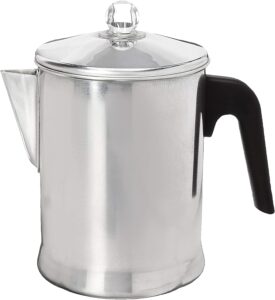
Necessary equipment:

Ingredients:

  • 1 gallon of filtered water (about 16 cups)
  • ½ cup of wintergreen leaf
  • ¼ cup of sarsaparilla root
  • ¼ cup of sassafras bark
  • 3 T. of dried orange peel
  • 1 ½ T. of burdock root
  • 1 ½ T. of dandelion root
  • 1 ½ T. of licorice root
  • 1 t. of juniper berries
  • 1 star anise
  • 1 cinnamon stick
  • 1 ½ cup of whole cane sugar OR unbleached organic white sugar
  • 1 t. of sweet birch essential oil
  • 1 t. of vanilla extract
  • ¾ cup of ginger bug OR fresh whey (how to make whey here)

*I buy all of my spices and herbs for making this root beer from a company called Mountain Rose Herbs. You can usually find everything you need on their website. You can also try and see if there is a well-equipped herb store or a health food store near you.

**You can use unbleached organic white sugar here because the sugar is going to get used up anyway during the fermentation process so there’s not going to be much of it left in your finished root beer. Besides, white sugar is only bad for you when consumed in large quantities and when your metabolism is not working properly so it’s okay to use it from time to time.

Instructions:

  1. Pour the gallon of water into a large stockpot and bring it to a boil.
  2. Add all the herbs, roots, spices, and berries (wintergreen, sarsaparilla, sassafras, orange peel, burdock root, dandelion root, licorice root, juniper berries, star anise, cinnamon stick). Cover with a lid and let simmer for 15 minutes.
  3. Remove from heat leave to steep for up to four hours.
  4. Strain the mixture through a strainer lined with a cheesecloth. Press it a few times to make sure all the liquid is out. After you finish, you can discard the solids.
  5. Add the whole cane sugar and whisk it firmly until it fully dissolves. You can heat the stockpot briefly to help you if you need.
  6. Add the sweet birch essential oil and vanilla extract.
  7. Add the ginger bug (or whey) and stir until well combined.
  8. Pour your mixture into clean beer bottles. Keep whisking the mixture each time so that the birch essential oil won’t separate.
  9. Leave a little amount of the mixture into a small plastic bottle that has a cap. This will be your test bottle so you can check if the fermentation process is complete.
  10. Let the beer bottles and your test plastic bottle ferment at room temperature for two to four days.
  11. Check your test bottle by squeezing its sides. Once you can’t press them in anymore, it means that the fermentation is finished and your root beer is done.
  12. Transfer the beer bottles to the fridge. This will stop the fermentation process.
  13. Root beer tastes best after aging for at least one day in the fridge.
  14. Serve in a chilled beer mug.

That’s it, your lacto-fermented root beer is ready!

Ideas for 4th of July Menu

The 4th of July is coming up and we are throwing a small garden party for our closest friends. In the past few days, I have been combing through my recipe book to see what I can make for the party. If you are in the same situation, rest assured! I prepared a compilation of some great recipes that will allow you to celebrate this wonderful holiday without fearing that your food didn’t turn out as well as you had hoped. All you need to do is buy some fireworks and read this post.

4th of July Holyday

Let’s begin!

Breakfast

  • How about Berry Custard with the sweetened whipped as well? It’s a great combination of different kinds of berries that are in season right now.
  • Or maybe those Chocolate Buttermilk Waffles? Use the honey and blackberry sauce and top with a big swirl of sweetened whipped cream to start off the day of celebrations.

Lunch

  • Hot dogs made with sprouted flour buns, grass-fed sausages, lacto-fermented ketchup and mustard, and a sauerkraut topping? It doesn’t get more probiotic than that!
  • Some potato chips on the side? Fried in coconut oil and drizzled with some homemade vinaigrette dressing.
  • And to drink, a honey-sweetened lemonade that’s perfect for a hot summer.

Dessert

  • A sure way to get everyone’s attention is to serve Homemade Vanilla Ice Cream with some Faux Magic Shell sauce.
  • You could also make some simple milkshakes with dark chocolate and raw milk. Add a few almonds for a nice texture surprise.

Snacks:

  • I recommend fried cheese sticks (fried in ghee or coconut oil) with a serving of Homemade Ranch Dressing.
  • Cheddar Chives Crackers are also a perfect party snack that can be eaten on its own or with a dip.
  • And these Salmon & Cheese Pinwheels will give you a nice nutritional boost PLUS they can be made ahead of time and kept in the fridge until ready to serve. Win-Win!
  • For a truly festive touch, how about a red, white, and blue flag made out of fruit?

This should give you enough ideas so that you can plan your 4th of July party! I didn’t include dinner because well, I never feel hungry after eating that much throughout the day anyway. I’d rather leave some space in my stomach for a toast made with some homemade cocktails!

Have a great 4th of July, everyone! Don’t forget about the valuable tips provided at Eating and Exercising on Holidays.

Homemade Molasses Crinkles

Molasses is a great sweetener that isn’t overly sweet and adds a nice richness to your desserts. In these molasses crinkles, it’s the molasses that makes the cookies so chewy and nice. I simply love how all the flavors melt in my mouth! They taste perfectly with a glass of warm milk when you want to unwind after a long day. And I look forward to eating them together with eggnog when the holidays come around!

I used to make molasses crinkles long before I switched to real food. Now I use sprouted flour and whole cane sugar to make these delicious treats not only tasty but also full of minerals and beneficial nutrients.

The cinnamon, cloves, ginger, and vanilla give them a nice rich flavor that is perfect for cold fall and winter days. And they will also make your kitchen smell simply amazing!

Necessary equipment:

  • measuring cups
  • a medium mixing bowl
  • a whisk
  • a large mixing bowl
  • a stand mixer
  • plastic wrap
  • a shallow bowl or plate
  • a rubber scraper
  • jelly roll pan (or pans)
  • parchment paper
  • a glass bowl
  • a small ice cream scoop
  • a cooling rack
  • a spatula

Ingredients:

  • 2 1/4 cups of sprouted flour (how to make sprouted flour)
  • 3/4 cup (1 1/2 sticks) of softened butter (how to make butter)
  • 1 cup of whole cane sugar + another 1/2 cup for covering the outside
  • 1 egg
  • 1/3 cup of sulfur-free molasses
  • 2 t. of baking soda
  • 1 t. of vanilla extract
  • 1 t. of powdered cinnamon
  • 1/2 t. of ground cloves
  • 1/2 t. of grated ginger
  • 1/4 t. of sea salt

Instructions:

  1. Combine the flour with baking soda, cinnamon, ginger, cloves, and sea salt in a medium mixing bowl using a whisk.
  2. In a large mixing bowl, combine the butter and sugar using a stand mixer. Do so until they turn fluffy.
  3. Add in the egg and molasses. Continue mixing until combined.
  4. Slowly add the sprouted flour mixture while still mixing so that the dough comes together but be careful not to over mix.
  5. Cover your bowl with plastic wrap and put in the fridge to chill for at least two hours. You can also leave it in overnight.
  6. Preheat the oven to 375 degrees.
  7. Line your jelly roll pan with parchment paper.
  8. Put the 1/2 cup of whole cane sugar into a shallow bowl.
  9. Take out the chilled dough and scoop with an ice cream scoop. Roll each scoop between your hands to smooth it out.
  10. Dip the dough ball in the sugar on one side and place them on the lined jelly roll pan, sugar side up.
  11. Bake for up to 12 minutes or until the middle is fully set.
  12. Leave to cool completely on the cooling rack. Enjoy and store in an airtight container.

How to Make Homemade Magic Shell Chocolate Sauce

My recipe for honey-sweetened GAPS-friendly chocolate chips is one of the most popular ones on the website. I suppose the reason for that is that finding quality chocolate with only natural sweeteners in it is an almost impossible task. Cocoa butter and raw honey are much more accessible so no wonder many people prefer to make their own chocolate from scratch.

Chocolate Sauce

So today, I want to show you a recipe based on those GAPS-friendly chocolate chips. It’s a recipe for a homemade version of Magic Shell sauce. If you aren’t familiar with it, Magic Shell is this magical chocolate sauce that hardens over ice cream, creating this shell over a scoop of ice cream. This is possible due to coconut oil and sunflower oil because they solidify at lower temperatures.

As I said, this recipe is using my GAPS chocolate chips but it’s not necessary you use them too. You can also replace them with store-bought honey-sweetened chocolate or chocolate sweetened with unrefined sugar. You can simply buy regular chocolate sweetened with regular refined sugar. It’s not the healthiest option but we should not be restricting ourselves too much in what we eat.

Sweet or Unsweetened Chocolate?

Another option is to use unsweetened chocolate. To do that, you will need to modify the recipe a bit. I prepared both versions below.

And just like in the original, I use coconut oil as my source of fat. I use expeller-pressed coconut oil because it doesn’t taste anything like coconuts. However, you can also use virgin coconut oil if you don’t mind your Magic Shell having a slight coconut flavoring.

I have seen some recipes that use butter instead of coconut oil. I haven’t tried that so I am not sure if it works. Besides, I get enough butter in all my other meals (with vegetables, on toast, etc.) but I am always on the lookout for more occasions to use coconut oil.

And lastly, do use organic fair trade chocolate if you can. Fair trade means that no people were exploited to manufacture that chocolate you are about to eat. It’s simply an ethical thing to do. The organic label tells you that your chocolate doesn’t contain any genetically modified organisms.

Necessary equipment:

  • a double boiler
  • a whisk
  • a rubber scraper
  • a pint glass jar with a lid for storage

Homemade Magic Shell sauce

Ingredients:

Instructions:

  1. Melt the chocolate and coconut oil in a double boiler. Use simmering water and melt gradually so that the mixture won’t burn. Keep stirring so until completely smooth.
  2. Transfer the mixture into a glass jar and leave to cool for at least 10 minutes.
  3. Use over ice cream immediately or store for later.

If stored at room temperature, the sauce will hold for about a week. You can place the jar in warm water to melt the sauce should it harden. You can also store it in a fridge if you need it to hold longer but you will need to re-liquefy it by taking it out of the fridge an hour before serving or warming it up in warm water. After it melts again, leave to cool for at least 10 minutes at room temperature.

Homemade Magic Shell sauce (unsweetened chocolate version)

Ingredients:

  • 1 cup of chopped unsweetened chocolate
  • 1/2 cup of expeller-pressed coconut oil
  • 1/2 cup of whole cane sugar OR 1/3 cup of raw honey
  • 1 t. of vanilla extract
  • 3 T. of brewed coffee
  • a pinch of sea salt

Instructions:

  1. Melt the chocolate and coconut oil in a double boiler. Use simmering water and melt gradually so that the mixture won’t burn. Keep stirring so until completely smooth.
  2. Add in the sugar or honey, vanilla extract, coffee, and sea salt. Whisk to fully combine until the mixture is smooth again.
  3. Transfer the mixture into a glass jar and leave to cool for at least 10 minutes.
  4. Use over ice cream immediately or store for later.

If stored at room temperature, the sauce will hold for about a week. You can place the jar in warm water to melt the sauce should it harden. You can also store it in a fridge if you need it to hold longer but you will need to re-liquefy it by taking it out of the fridge an hour before serving or warming it up in warm water. After it melts again, leave to cool for at least 10 minutes at room temperature.

Traditional Key Lime Pie

I received a bag of Mexican limes from my in-laws last weekend and I was quite at a loss about what to do with them. I used some to make lime-based lemonade and a delicious salad dressing but I still had plenty left. But then I remembered about key lime pie! It was also perfect because I had plenty of leftover sweetened condensed milk in the fridge.

I like eating lemon and lime desserts once in a while because they are just so different from traditional sweet desserts. In key lime pie, the tartness of the limes is contrasted with the mellow and creamy filling made from sweetened condensed milk. The lime juice and lime zest give the kind of freshness that is perfect for a summer dessert. On the other hand, limes contain plenty of vitamin C so they are also good for winter when we all try to prevent coming down with a flu.

Ingredients:

Crust:

Filling:

Topping:

  • 1 cup of sour cream
  • 3 T. of raw honey
  • additional lime zest and lime wheels for garnish


Instructions:

  1. Preheat the oven to 375 degrees.

The crust:

  1. Combine melted butter with graham cracker crumbs and sugar. It’s best to use a food processor to make the crumbs. Stir them together until you get a wet sand-like consistency.
  2. Transfer the crust mixture onto a glass pie plate and spread evenly to form the bottom layer of your pie.
  3. Bake for 20 minutes or until slightly browned.
  4. Lower the oven temperature to 325 degrees.

The filling:

  1. Whisk the eggs in a large mixing bowl.
  2. Add in the lime juice, lime zest, and sweetened condensed milk. Stir to combine.
  3. Pour the filling onto the baked pie crust.
  4. Bake for 15 minutes or until the center looks set.
  5. Put in the fridge to chill for at least two hours (or even better, leave it there overnight).

The topping:

  1. Combine the sour cream and honey in a medium-sized bowl.
  2. Spread on top of your chilled lime pie.
  3. Sprinkle the top with lime zest and decorate with lime wheels.

Enjoy this delicious key lime pie!

Strawberry Shortcake with Mint, Honey & Whipped Cream

Today I will share with you my recipe for strawberry shortcake made solely from whole foods and fresh ingredients. I can proudly say that it is the best strawberry shortcake I have eaten, mostly because I enjoy the flavors without second-guessing what preservatives and chemicals I might be ingesting. In this recipe, the answer is simple: none!

Homemade buttermilk biscuits sweetened with a dash of whole cane sugar are just mouth-watering on their own. Combine that with fresh organic strawberries, mint, honey, and velvety whipped cream and you will get the absolute strawberry shortcake. Perfect for everybody and at any time of the day! Once you try this one, you will never go back to store-bought cake mixes and artificial strawberry pie fillings. This is what people are meant to eat, not those factory-made chemical-laden pseudo ingredients.

Necessary equipment:

  • measuring cup
  • large mixing bowl
  • pastry blender OR a food processor
  • wooden spoon
  • dish towel
  • optional: a large dehydrator
  • ice cream scoop
  • jelly roll pan
  • parchment paper
  • rolling pin
  • two small mixing bowl
  • small strainer
  • rubber scraper
  • medium mixing bowl
  • small spatula
  • stand mixer with a whisk attachment
  • biscuit cutter OR a pizza cutter
  • cake pan

Ingredients:

  • 2 1/2 cup of freshly ground flour (how to make sprouted flour)
  • 1 cup of buttermilk (how to make buttermilk)
  • 3/4 stick of cool butter (about 6 tablespoons) (how to make butter)
  • 1 cup of raw honey
  • 2 T. of whole cane sugar
  • 2 t. of baking powder
  • 1/2 t. of baking soda
  • 1 t. of sea salt
  • several sprigs of fresh mint
  • 1 cup of heavy cream
  • 1 pound of organic strawberries

Instructions:

The biscuits:

  1. Combine flour and butter in a large mixing bowl using a pastry blender or a food processor.
  2. Add in the buttermilk and combine by stirring with a wooden spoon.
  3. Cover with a dish towel and leave to rest at warm temperature (like the oven with the light turned on or a warm pantry) overnight or at least 12 hours. You can also use a dehydrator for this.
  4. Once 12 hours have passed, preheat the oven to 425 degrees.
  5. Uncover the bowl and add in the whole cane sugar, baking powder, baking soda, and sea salt. Combine with a wooden spoon.
  6. Line a jelly roll pan with parchment paper.
  7. Use an ice cream scoop to form round biscuits from your buttermilk dough on the baking sheet. You don’t need to leave a lot of space in between because they won’t grow too much.
  8. Bake for 12 to 14 minutes. The biscuit should be nicely browned by now.
  9. Take out of the oven and leave to cool.

Mint-infused honey:

  1. Put the mint sprigs and honey in a small bowl.
  2. Use a potato masher or a similar tool to smash the mint so that it releases mint oil into the honey.
  3. Leave covered with a dish towel for one hour.
  4. Set a strainer over another bowl and use a rubber scraper to press the honey over the strainer. You will receive mint-infused honey.

Strawberry filling:

  1. Dice the strawberries.
  2. Combine them in a medium mixing bowl with 3/4 of the mint-infused honey.
  3. Stir to combine and leave to rest while you make whipped cream.

Whipped cream:

  1. Whip the cream using a stand mixer with the whisk attachments. Continue whipping until you see soft peaks forming.
  2. Combine the cream with the rest of the mint-infused honey.
  3. Cut the buttermilk biscuits into half and layer on the bottom of your cake pan.
  4. Pour the strawberry filling onto the biscuits in an even layer.
  5. Put the whipped cream on top of the strawberry layer.
  6. Chill in the fridge for a few hours so that cake sets properly and all the flavors combine.
  7. Serve with fresh mint on top. Enjoy!

How to Make Homemade Water Kefir

I am sure that by now you know fully well how big of a fan I am of lacto-fermented foods. I admit I have been going crazy over them during the past year. But I do not regret it one bit. These foods make me feel better so I will continue eating them.

Water Kefir

In this post, I want to introduce you to my recipe for water kefir. I almost always have a batch fermenting in my kitchen, available to drink first thing in the morning. It tastes great as it is but it can also be customized to give your kefir a unique flavor of your own. I have tried many of them over the past few months (I even made root beer water kefir once!) but the one I find myself making most often is strawberry water kefir. I am lucky to live in an area with plenty of small strawberry plantations that provide me with good and organic strawberries, free of GMOs and pesticides.

Any other fruit will work well too! I made lemon, orange, pomegranate, berries, raspberry, plum, and plenty of other kinds of water kefirs and not one of them tasted badly. Just use whatever you have on hand or is in season currently.

Water Kefir – What Is It?

But before you choose your flavor, first let’s talk a bit about what water kefir actually is and why it’s worth taking the time to make your own.

It’s a lacto-fermented drink that you can make at home if you have water kefir grains (they are called grains because they look like them but it’s actually just a specific type of symbiotic culture). The water kefir grains are submerged in sugar water and consume the sugar to produce natural probiotics (healthy bacteria). Once they produced enough probiotics, you remove the water kefir grains and flavor the drink with the fruit or spices of your choice! That’s the gist of the water kefir making process.

That’s what the process of lacto-fermentation is: turning sugars into lactic acid and cellular energy. The byproducts of that are those important probiotics that are also found in other fermented foods like sauerkraut, kimchi, pickles, and natural yogurt. If you eat yogurt because it is good for digestion then you will surely become a fan of water kefir as well! It will make you feel better and healthier.

The process also creates some natural fizziness. In that aspect, water kefir tastes similar to commercial soda drinks. If you find it hard to give up artificially sweetened soda then water kefir might just be the thing that will help you abandon that unhealthy habit once and for all. There is no doubt that store-bought soda drinks are bad for you and should be avoided at all costs. Corn syrup and processed white sugar are the main culprit behind childhood obesity and dental issues. Non-sugar sodas (think zero calorie sodas) are artificially sweetened with suspicious chemicals that have no business being inside your body. Not to mention the carbonation process that makes those sodas difficult on your digestive system. But because water kefir’s fizziness is caused by a natural lacto-fermentation process, it won’t cause you the same negative side effects.

Water Kefir Is Economical And Healthy

So water kefir is not something you drink as an indulgence, like soda. It’s something you drink because it’s good for your body and the indulgence is just a side effect. Perfect combination if you ask me!

Making water kefir is a lot of fun, too! I like to include my son in the process to show him how natural processes work and how good they can taste when done properly. It also makes me feel more connected to nature. Making anything on my own using only organic real foods always feels good but it’s a whole different level if you are working with actual living organisms!

Water kefir grains are very economical because you can reuse them multiple times. I have had my batch for over a year now and they still work perfectly, just as they should. I feel like my water kefir grains have become a little living friend I have always beside me to heal me.

Here’s what you will need to brew your own homemade water kefir:

The water kefir grains are the key to the whole recipe. You can order them online. The packaging will most probably have all the basic instructions written down. It’s really pretty simple!

You will also need some plain organic sugar to make the sugar water. Careful, don’t use whole cane sugar for this because it won’t work! Regular sugar is the best here. Don’t worry about it being unhealthy – the bacteria cultures will eat it for you!

Substitute Sodas For Water Kefir

The quality of the water is also of utmost importance. Regular tap water or even basic filtered water will kill the water kefir grains and the recipe won’t work. That’s because of fluoride and other toxins it usually contains. If you have a home filter that gets rids of these substances then you are probably good to go. I don’t have a home filter so my only option is to go to a local water supply store. There you should find something called reverse osmosis water (RO). RO water is completely pure. It doesn’t contain any toxins but also it lacks minerals.

If you use RO water, add some commercial mineral drops or a pastured egg shell to give that water some nourishment. You might also find Macro Porous Polymer water (MPP) that is toxin-free but still has all the minerals. That’s the best one but it’s quite difficult to find.

And for the other equipment, you will need a few glass mason jars with lids and some other items that can be found in most kitchens. I usually use one big half gallon jar. That’s all! Finally, time for the recipe:
Necessary equipment:

  • two half gallon glass jars
  • a storage lid
  • a soft kitchen cloth
  • a strainer

Ingredients:

Instructions:

DAY ONE

  1. Fill the glass jar with filtered water to about 3/4 of its capacity. If you are using mineral drops, add them at this point. Leave a couple of inches of free space at the top.
  2. Transfer a little bit of that water in the jar to a saucepan and bring it to a boil.
  3. Add in the sugar and stir until it dissolves. Be careful not to burn the sugar. It’s safer to turn off the heat once the water has reached boiling water.
  4. Put the sugar water back in the glass jar.
  5. Carefully add water kefir grains to the water. If you are using egg shell to enrich your water with minerals, add it at this point.
  6. Cover the jar with a soft cloth. It will keep the fermenting jar free of dirt while still allowing it to breathe.
  7. Leave the jar to rest at room temperature for one day. If it’s cold, two days is better.
  8. Taste to see if it’s sweet enough. If it is, move on to the next step.

DAY TWO/THREE

  1. Strain the contents of the jar into another clean jar. If your water kefir grains came in a muslin bag, you won’t need to strain them out. Discard the egg shell and put the water kefir grains aside for now. It’s best to reuse them immediately so I usually put them in a jar with a new batch at this point.
  2. Now add the flavoring to your water kefir. In my case, I add 1 cup of diced strawberries to the water kefir.
  3. Cover the jar with a soft cloth again.
  4. Leave the jar to rest at room temperature for one day.

LAST DAY

  1. Uncover the jar and screw a lid on top of it tightly.
  2. Leave the jar to rest at room temperature for a few hours. This will create the fizziness.
  3. To stop the lacto-fermentation process, transfer to the fridge.
  4. Serve chilled. I like to add a slice of lemon to my glass of water kefir to up the refreshing factor even more.

Enjoy all the benefits of this wonderful fizzy probiotic!

How to Make Homemade Sauerkraut

Out of all the fermented and lacto-fermented foods I am eating on a regular basis (and I eat a lot of them!), homemade sauerkraut is probably the easiest one to make. The only ingredients you need are cabbage, salt, and a few days of waiting time. If you want to start eating more probiotics then sauerkraut is a good place to start. It’s also helpful to those who cannot digest dairy as many other probiotics are dairy-based (yogurt, kefir, and so on).

Turkish cabbage

I usually eat the most sauerkraut (and other fermented foods) during winter when seasonal fruit and vegetables are scarce. Cabbage is very accessible, and you can make a few jars of sauerkraut to use later.

Why would you eat sauerkraut? The main benefit of probiotics is that they are good for your gut flora and immune system. They also contain plenty of vitamin C, an important vitamin during the flu season. Sauerkraut and fermentation in general have been widely used by our ancestors because few other food preservation methods existed. Nowadays it has become kind of a lost art which is a real shame because we lose out on some very important health benefits. So, I try to eat as much sauerkraut as I can to get some of those benefits back.

Necessary equipment:

  • a sharp knife
  • optional: a food processor
  • large bowl
  • a potato masher OR a mallet
  • a half gallon glass jar
  • a jar lid OR a vegetable fermentation valve lid

*As you can see, you can make your own homemade sauerkraut without any fancy equipment. However, if you find yourself liking the taste of sauerkraut and will want to continue making it, I recommend you invest in a fermentation crock. It will make the job much easier!

Ingredients:

  • 1 large cabbage head, can be green or purple
  • sea salt

Instructions:

  1. Cut out the cord of the cabbage head and discard.
  2. Cut the cabbage in half and then into four wedges.
  3. Slice the cabbage thinly used a knife or a food processor. Transfer the slices to a large bowl. Layer them with sea salt after each batch. It should look like this: a layer of shredded cabbage, sea salt, shredded cabbage, sea salt, …
  4. Leave the bowl at room temperature for at least an hour and a maximum of three hours. The salt will draw out the water from the cabbage. It will be ready once you can see about one cup of liquid in the bowl.
  5. Mash the cabbage down using a potato masher or a mallet. Mash it until it breaks down a bit.
  6. Transfer the mashed cabbage to your glass jar. Pack it in as tightly as possible.
  7. If there isn’t enough water, pour some more in so that it almost reaches the brim of the jar.
  8. Now cover your jar with a lid. If you are using a regular non-reactive lid, just put it loosely on top. If you are using a valve lid, screw it on tightly. It’s best if the water is touching the lid from the inside.

Storing your Jar

  1. Set your jar in a dark place in your kitchen. I usually do it somewhere under the counter. If you have other food fermenting at the same time, make sure there are at least a few feet of space free.
  2. Uncover the jar each day to check if there is any mold. If there is then you can simply scoop it out (the cabbage is safe). Keep this up for about a week.
  3. Once a week has passed, taste your sauerkraut and decide whether you want to have it fermenting for longer. Personally, I usually keep the process going for two weeks.
  4. Once your sauerkraut is ready, replace the jar lid with a clean one and screw it on tightly. Put the jar in the fridge to stop the fermentation process.

Eat small batches of homemade sauerkraut every day to enjoy its full benefits! For another great recipe, try my tangy red cabbage with ginger recipe.

Homemade Pumpkin Spice Blend with Cardamom

I am all about homemade spice blends! They make the cooking process easier and more efficient, and you don’t need to rely on store-bough spice blends that often contain unwanted and potentially harmful substances. And when the fall comes around, I always prepare a batch of pumpkin spice to use in dessert recipes or to flavor my morning coffee.

Pumpkin Spice

Making your own blends also gives you a chance to customize it to suit your needs. A typical pumpkin spice contains cinnamon, ginger, nutmeg, cloves, and allspice. But what I like to do is add a bit of cardamom as well. And increase the amount of cinnamon because I just love cinnamon!

Necessary equipment:

  • measuring spoons
  • a small mixing bowl
  • a whisk
  • a glass jar with a lid for storage

Ingredients:

  • 1 T. of ground ginger
  • 1 T. of grated nutmeg (preferably fresh!)
  • 1 T. of ground cinnamon
  • 2 t. of ground allspice
  • 1 t. of ground cloves
  • optional: 1 t. of ground cardamom

Instructions:

  1. Put all of the spices in a small mixing bowl and use a whisk to combine them thoroughly.
  2. Transfer into a glass jar and store with a screwed lid at room temperature.

Since we’re in the topic of homemade spices. Check out my homemade taco seasoning recipe!