Home Blog Page 57

How to Make Homemade Lacto-Fermented Pickles

Pickles are probably the only fermented food that I liked even as a small child. My mom often brought home store-bought jars of pickles because she knew how much I loved them and was glad to have an alternative to unhealthy candy for the her children to eat.

It wasn’t even that unusual for me to receive a jar of pickles as a reward for something good I had done that day! I would eat all of them over the course of one or two days and then, I would drink all the pickle juice like it was the best taste in the world. I suppose for me it was!

Now that I think of it, I believe that my body at the time was craving pickles because it knew that it was good for me. Lacto-fermented cucumbers are full of necessary probiotics that were taking care of my gut flora and making sure it worked properly. I am sure glad I listened to my body then! I think it might have been what saved my digestive system from further damage despite eating a lot of processed canned foods at home.

Here is a short overview of what makes pickles so good for us:

  1. Lacto-fermentation: Lacto-fermentation occurs when you use whey and salt. It restricts the development of the so-called “bad” bacteria while stimulating growth of the good ones. These are called probiotics. Nowadays, I eat plenty of homemade lacto-fermented food, like water kefir, beet kvass, or sauerkraut. Humans don’t eat as many fermented foods anymore because we now have more methods of preserving food. I think it’s a real shame, though. Lacto-fermentation was a vital part of our ancestors’ diet and I intend to preserve that tradition, at least in my home.
  2. Sea salt: Salt was always important for preserving foods and it was normal to follow diets with high salt content. We hear stories about how salt is bad for us and avoid it all costs but I believe that we are actually not eating enough salt. Low salt diet is actually suggested to be bad for your health but not many people are aware of that. When I was a child, a part of what drew me so much to pickles, was the delicious salty taste and I think I was craving for salt. Sure, too much salt is also not too good but you need the right balance. We can’t just blame salt for our health problems without exploring its full properties.
  3. Vitamins: The vitamin content in foods increases during the lacto-fermentation process. This makes pickles a good source of vitamin K, B2, B9, and more! They are not your standard sources for these vitamins but can serve as a good supplement nevertheless.

Onto the recipe! I will show you how to make two versions of pickles in this post: regular traditional dill pickles and garlic dill pickles.

Traditional dill pickles

Necessary equipment:

A quart glass mason jar with a lid
Optional: a sharp knife

Ingredients:

4 to 5 cucumbers or gherkins
1 T. of sea salt
1 T. of whey (how to make whey)
1-2 T. of chopped fresh dill OR 1 t. of dried dill
1 t. of mustard seeds
filtered water

Instructions:

  1. Clean the jar you are going to use to make your pickles. You can even boil it to make sure it’s fully free of dirt.
  2. Pack the cucumbers or gherkins in the glass jar. You can cut them into horizontal slices if you want to.
  3. Put the sea salt, whey, and mustard seeds on top. Do the same with dried dill. If you are using fresh dill, cram it down the sides.
  4. Fill the jar with filtered water almost to the top. Leave at least half an inch of free space.
  5. Screw on the lid and shake the jar gently so that the sea salt and water combine.
  6. Leave the closed jar at room temperature for at least three days and a maximum of seven days. The duration depends on how you prefer your pickles to taste. You can take them out to try out the flavor and if you decide you want to ferment them for longer, just put the lid back on.
  7. When you want the lacto-fermentation process to stop, put the jar in the fridge.

Garlic dill pickles

Necessary equipment:

A quart glass mason jar with a lid
Optional: a sharp knife

Ingredients:

4 to 5 cucumbers or gherkins
1 T. of sea salt
1 T. of whey (how to make whey)
1-2 T. of chopped fresh dill OR 1 t. of dried dill
1 t. of mustard seeds
3 cloves of peeled garlic
filtered water

Instructions:

  1. Clean the jar you are going to use to make your pickles. You can even boil it to make sure it’s fully free of dirt.
  2. Pack the cucumbers or gherkins in the glass jar. You can cut them into horizontal slices if you want to.
  3. Put the sea salt, whey, and mustard seeds on top. Do the same with dried dill. If you are using fresh dill, cram it down the sides. The garlic cloves should also be stuffed in the sides of the jar.
  4. Fill the jar with filtered water almost to the top. Leave at least half an inch of free space.
  5. Screw on the lid and shake the jar gently so that the sea salt and water combine.
  6. Leave the closed jar at room temperature for at least three days and a maximum of seven days. The duration depends on how you prefer your pickles to taste. You can take them out to try out the flavor and if you decide you want to ferment them for longer, just put the lid back on.
  7. When you want the lacto-fermentation process to stop, put the jar in the fridge.

How to make Homemade Ice Cream (Vanilla + Chocolate)

I have never met anyone who doesn’t love ice cream. I am sure these unusual people exist but they must be really scarce since I have never encountered even one.

Ice cream is the perfect comfort snack not only in the hot summer afternoons but also when we are simply not feeling well mentally. It’s one of life’s simplest pleasures and I really enjoy every bite of delicious unpasteurized ice cream.

But ice cream also has a bad rep lately which is something I really cannot understand. Yes, ice cream is made from milk and cream that contains fat. People nowadays avoid fat like a plague without even realizing that fat is also vital to proper nutrition. There are better and worse fat sources but raw full fat cream dairy is one of the best. Non-fat yogurts may contain less fat but that means they also contain less of the much needed nutrients our body craves.

The fear of dairy is also linked with the fear of lactose intolerance. Here is what the Real Milk website has to say about it:

“DANGERS OF PASTEURIZED MILK: Many studies have linked consumption of pasteurized milk with lactose intolerance,  allergies, asthma, frequent ear infections, gastro-Intestinal problems, diabetes, auto-Immune disease, attention deficit disorder and constipation. During a period of rapid population growth, the market for fluid pasteurized milk has declined at 1% per year for the past 20 years. Fewer and fewer consumers can tolerate pasteurized (and ultrapasteurized) milk (Don’t Drink Your Milk, Frank Oski, MD, 1983).

LACTOSE INTOLERANCE: In a survey of raw milk drinkers in the state of Michigan, over 80 percent of those advised by a healthcare professional that they were lactose intolerant were able to consume raw milk without problem.”

Raw Milk vs Pasteurized Milk

There you have it: raw milk doesn’t cause the same lactose problems as pasteurized dairy. Of course, I am sure there are some exceptions to this rule but the point is that the fear of lactose in today’s society is largely unfounded and connected with our fear of fat.

So as you can see, ice cream contains the good type of fat! Not the one you find in fast food burgers.

If you can get your hands on good grass-fed dairy, then you should give this ice cream recipe a try. It’s mind-blowing just how tasty it is compared to the ice cream you can find at supermarkets.

Note: you will need an ice cream maker for this.

Necessary equipment:

  • a large mixing bowl
  • a whisk
  • an ice cream maker

Vanilla Ice Cream

Ingredients:

1 ½ cups of whole milk, preferably raw
1 ½ cups of whole cream, preferably raw
½ of vanilla beans scraped out of a pod (or one teaspoon of vanilla extract but nothing beats real beans!)
1 t. of vanilla extract
¾ cup of whole can sugar OR ½ cup of raw honey/maple syrup
½ t. of sea salt

Instructions

  1. Whisk the milk and the cream together in a large mixing bowl.
  2. Add your chosen sweetener and continue whisking until combined.
  3. Add the vanilla and sea salt, whisk again.
  4. Set your bowl in the fridge so it chills and soaks up the sweetener. Keep it there for about 30 minutes.
  5. Give the mixture one final whisk to make sure all the ingredients are well combined.
  6. Freeze the bowl. Refer to your ice cream maker instructions for the duration. Mine says the ice cream should be frozen for at least 24 hours.
  7. Once your ice cream is ready, scrape it into a container and freeze for another couple of hours to let it solidify some more.
  8. You’re ready to enjoy your vanilla ice cream!

Chocolate Ice Cream:

Ingredients

1 ½ cups of whole milk, preferably raw
1 ½ cups of whole cream, preferably raw
½ of vanilla beans scraped out of a pod (or one teaspoon of vanilla extract but nothing beats real beans!)
1 t. of vanilla extract
¾ cup of whole can sugar OR ½ cup of raw honey/maple syrup
½ cup of cocoa powder
3 T. of organic brewed coffee
½ t. of sea salt

Instructions

  1. Whisk the milk and the cream together in a large mixing bowl.
  2. Add the cocoa powder and continue whisking until combined.
  3. Add your chosen sweetener and keep whisking.
  4. Add the vanilla, coffee, and sea salt. Whisk again.
  5. Set your bowl in the fridge so it chills and soaks up the sweetener and the cocoa. Keep it there for about 30 minutes.
  6. Give the mixture one final whisk to make sure all the ingredients are well combined.
  7. Freeze the bowl. Refer to your ice cream maker instructions for the duration. Mine says the ice cream should be frozen for at least 24 hours.
  8. Once your ice cream is ready, scrape it into a container and freeze for another couple of hours to let it solidify some more.
  9. Your chocolate ice cream is ready for consumption!

How To Use Antibiotics

Doctors prescribe us antibiotics all the time to cure various illnesses and that’s what I want to talk about today in this post. I do not reject antibiotics all together but I truly believe we would all benefit from reducing our antibiotics intake. Here’s why:

Why you should be avoiding antibiotics

If your immune system is healthy, you should not have to resort to antibiotics to fight off illnesses. Antibiotics aid us in the healing process but the truth is that most of the time, they are not necessary.

Sure, you will most likely feel better if you take an antibiotic. And who wouldn’t want to get better as soon as possible, especially if you have a persistent sore throat that just won’t go away? I have had my share of bad infections and I fully understand that feeling.

But when we take antibiotics, we trade in feeling better soon for feeling worse later in life. Antibiotic overuse is a real thing and has caused the development of antibiotic-resistant bacteria. Antibiotics are less effective than ever but we still take them because we are often too impatient to wait for the symptoms to go away on their own, thus creating more bacteria resistant to antibiotics. It’s a vicious circle that won’t ever end. And when those antibiotics don’t work, we reach for even stronger ones, further weakening our bodies.

Antibiotics get rid of bacteria that cause the infection but they also kill good bacteria that our body needs to function. The immune system doesn’t learn how to fight off bacteria properly because the antibiotics do it instead. That makes the immune system weaker and makes us more susceptible to future infections.

Antibiotics use is also connected with various side effects, the most common of which is diarrhea. That’s because the healthy bacteria that aid digestion in the gut are terminated.

I avoid antibiotics if I can and don’t bring my child to the doctor for each symptom. I first try to treat the disease myself with rest and relaxation plus a dose of some tried home remedies. And the best way to avoid antibiotics all together is to take care of your overall health on the daily basis. Sleeping well and eating clean are key to making that happen.

Why you should not be taking it too far

But I do believe that there are times when antibiotics are needed. Sometimes even if you otherwise healthy, take care of what you eat, and don’t suffer from excessive stress, an infection can cause you to simply break down.

The last time I took antibiotics was around Thanksgiving last year. I had a bad sore throat that wouldn’t let go for a few days no matter what I tried. It also coincided with holiday preparations (which are always a source of immense stress for me) and another hormonal issues that I was battling at the same time.

The sore throat finally let go but turned into an ear infection several hours later. I experienced hearing loss in one ear and then the ear infection traveled to the other ear. I was in pain, lying in bed and thinking about all the other things I should have been doing.

Trying to combat it, I drank mullein tea, gargled with salt water, took extra supplements, inhaled essential oil blends… but nothing was helping. After 6 days of feeling like I would never get better, I decided to go to the doctor’s and got a prescription for antibiotics. I do not regret that decision and I don’t think it was a wrong one. The night before I finally went to the doctor I couldn’t get any sleep because I kept crying out from the pain. Each slight movement caused my head to throb painfully. That’s how bad it was.

This one example should show you why antibiotics are not completely evil. If I had not taken them, my infection could have gotten out of control completely and turned into mastoiditis. Mastoiditis used to be the most common cause of child mortality but thanks to antibiotics, it has become almost completely avoidable. And I am grateful for the development of science that made this happen.

It’s all about the balance

As with everything else in life, it’s all about the balance. Yes, antibiotics should be avoided but you should also know when it’s the time to give in and take them.

And speaking of balance, always remember to counter the negative effects of antibiotics with probiotics. Natural probiotics, such as yogurt, fermented foods like pickles or natto, all contain plenty of probiotics – the good bacteria. I take care to include as many probiotics as I can in my daily diet to support me, my gut, and my immune system. You can also get a probiotic supplement and I highly recommend you do it whenever you need to take antibiotics.

Are you often suffering from infections that require you to take antibiotics to fight them off? If so, it’s a clear sign that your immune system could use a boost. Consider switching to a healthier diet and eating more probiotics. Read Diet Recovery and Eat For Heat to understand how your body works and what you could be doing to make it healthier. A healthy person should not require antibiotics every time they get a bacterial infection.

So to sum up, the key to leading a healthier life is using both the wisdom of traditional medicine and the wonders of modern medicine in a way that works best for us. Relying only on one of them is not going to end well in the long run. But utilizing both is what makes us stronger.

How is Stress Stopping You From Losing Weight

Do you remember learning about the “fight or flight” response? It probably came up in science class when you were studying the body’s nervous system.

Stress and Fat

The body’s autonomic nervous system is made up of three parts: the sympathetic system, the parasympathetic system, and the enteric system. The “fight or flight” response is an important feature of the sympathetic system and that’s what I want to talk about today. The sympathetic system is responsible for managing stressful situations and anxiety. This has an important influence on your metabolism, body weight, and overall wellbeing. If you want to learn how to manage stress, then checkout this book by Lori Maxwell.

Stress And Adrenal Fatigue

Stress is causing your body’s sympathetic nervous system to activate. If you are suddenly in danger, it will work extra hard to get you out of it. It’s literally responsible for our survival as species.

Suffering from chronic stress means that your sympathetic nervous system is constantly working which is less than ideal. Each time the fight or flight response is triggered, it releases two catecholamine hormones, epinephrine and norepinephrine, from the adrenal gland. This causes adrenal fatigue because your adrenal gland is constantly releasing new doses of those hormones.

Many people who are under constant stress suffer from adrenal fatigue and they usually don’t even know it. See if those symptoms seem familiar to you: trouble falling asleep, lack of energy, needing caffeine to get through the day, craving salty foods (often fast foods, like French fries). All of those can be a sign of adrenal fatigue.

The sympathetic nervous system is also closely linked to the body’s immune system. Therefore, a healthy sympathetic nervous system means a healthy immune system and an overall improvement in wellbeing.

The adrenal gland releases other hormones besides the epinephrine and norepinephrine. The one I want to focus on here is cortisol.

It’s not a catecholamine hormone but a steroid hormone. Cortisol’s role is to restore your body’s balance that was disrupted by encountering a stress trigger. So again, if you are under constant stress, your cortisol levels are bound to be elevated above average. This can cause immune system suppression, as well as osteoporosis and memory loss.

High cortisol levels are linked to a deficiency in the GABA amino acid. I use the True Calm supplement to increase my GABA amino acid intake, and I find that it helps me manage my stress better.

Weight Loss

Cortisol is also responsible for your metabolism. The fight or flight response causes your basic bodily functions to temporarily shut down so that your body can focus solely on survival. This includes your metabolism as well. And if you are constantly secreting cortisol due to chronic stress then naturally, your metabolism is going to slow down. This process ensures our survival but if continued for prolonged time, can bring more bad than good. A slower metabolism means it’s more difficult to lose weight. Your body feels it’s in constant danger, so it thinks it’s necessary to store an excessive amount of fat for survival.

Losing weight while under chronic stress is a very difficult task. However, incorporating a supplement like Puradrop into your routine may offer support in addressing this issue. The unique formulation is designed to weight loss journey more manageable despite the challenges posed by a slower metabolism and chronic stress.

Stress and Bad Habits

Stress can also make you engage in other unhealthy habits. Stressed people might turn towards fast food instead of homemade dinner because they don’t feel well enough to plan and prepare their meals. It’s simply easier to eat food that is readily accessible to us. Stress eating is another thing. Snacking on chocolate when you are feeling down or stuffing yourself with an unhealthy number of cookies is a form of emotional release. Some skip meals altogether and just snack throughout the day without sitting down to eat proper breakfast and dinner. Sleep deprivation and insomnia are common symptoms of chronic stress. The next day, people have no energy to work on themselves or even think about exercising. It’s a real vicious circle.

A lot of people start dieting to lose weight but if you don’t deal with your root causes of stress then no amount of healthy eating will help you shed that weight. I felt cheated when even after switching to clean eating, my weight wouldn’t budge. I felt like I was doing something wrong, like I was misunderstanding the dietary advice I was being given. Now I realize that the reason for that was constant stress. I realize it’s probably not something you want to hear but first, we all really need to start working on getting our stress levels under control.

Sympathetic & Parasympathetic Nervous System

It’s important to understand the correlation between the sympathetic nervous system and the parasympathetic nervous system. Wikipedia explains it this way:

“Together with the other component of the autonomic nervous system, the parasympathetic nervous system, the sympathetic nervous system aids in the control of most of the body’s internal organs. Reaction to stress—as in the flight-or-fight response—is thought to counteract the parasympathetic system, which generally works to promote maintenance of the body at rest. The comprehensive functions of both the parasympathetic and sympathetic nervous systems are not so straightforward, but this is a useful rule of thumb.”

Relax

Food is not the only thing you need to consider when trying to lose weight. You also need to know how to relax properly. There are a few tried methods that should help you:

  • eating enough carbs so that you have the energy to function
  • maintaining basal temperature (body’s temperature right after you wake up) above 98 degrees
  • getting more sleep (even if it means you need to skip a workout or two)
  • taking warm baths
  • rubbing your hands and feet to warm them up

Forcing your body to relax is how you can give a rest to your sympathetic nervous system. It’s been overworked and overwhelmed; it deserves a moment of relaxation too! It will lower your stress hormone levels and give your body a sign that it’s time to speed up the metabolic rate again. You can read all about that in Diet Recovery.

And remember to focus on the important thing here: it’s not about how much weight you lose but about how you feel. You can be perfectly healthy and feeling full of energy even when you still have some of that leftover fat in your body. So don’t let all that media pressure to be skinny get to you! Focus on your own wellbeing, no matter what size you wear.

Chocolate French Pie

I have never eaten such a delicate pie. This flaky French silk pie crust melts in your mouth when combined with smooth whipped chocolate filling. The French really do know how to make the best desserts. Each bite takes you closer to the paradise.

This pie is not that hard to make, even though it might not look that way. It does take some time but I promise it’s not difficult! Which is why it’s perfect for fancy dinner parties or when you simply want to make something that is not only delicious but also looks elegant. It doesn’t need baking so it’s also perfect for the summer.

I usually serve it with a swirl of sweetened whipped cream on top and a glass of raw milk. There’s something posh and graceful about eating a fancy pie with a wine glass of delicious milk!

The recipe consists of three separate parts: the pie crust, the pie itself, and the sweetened whipped cream.

Chocolate French Pie

Yogurt Pie Crust

Ingredients:

Instructions:

  1. Combine yogurt and butter in a large mixing bowl.
  2. Add the flour and sea salt. Use a wooden spoon to start mixing the ingredients together until they clump.
  3. Use your hands to further prepare the dough. Knead until its surface is smooth.
  4. Leave the dough overnight in a warm place (for example, an oven with a light turned on or a dehydrator). Cover the mixing bowl with a towel to further stimulate growth and keep any dirt out.
  5. In the morning, preheat the oven to 450 degrees.
  6. Sprinkle some sprouted flour on the counter and place the dough on it. Knead it well one more time and use a rolling pin to flatten it to the desired thickness and round shape.
  7. Place the dough onto a pie plate. Trim the edges so that the dough fits perfectly.
  8. Use a fork to make a pattern on the edges and make the dough stick to the plate.
  9. Cover the dough twice with aluminum foil. Use something to weigh it down and keep the foil in place. Place the pie plate in the oven for 8 minutes.
  10. Remove the foil and bake for another 6 minutes or until it browns slightly.
  11. Remove from the oven and leave to cool on a cooling rack.

Chocolate French Silk Pie

Ingredients:

  • Yogurt pie crust from recipe above
  • 1 cup and 3 T. of raw cream
  • 1/3 cup of grass-fed butter
  • 3/4 cup of whole cane sugar
  • 1 cup of unsweetened chocolate (about 1 cup)
  • 2 egg yolks
  • 1 T. of brewed coffee
  • 1 t. of vanilla extract
  • sweetened whipped cream (recipe below)

Instructions:

  1. Put the 1 cup of cream, butter, whole cane sugar, and chocolate in a saucepan and heat together over medium heat until all the ingredients melt. It should take about 5 to 10 minutes. Remove from heat.
  2. Use a large glass bowl and fill it with ice water. This will be your ice water bath for later. Set the ice water bath aside for now.
  3. Put the egg yolks in a medium mixing bowl and whisk them well.
  4. Slowly pour half of the chocolate mixture from the saucepan into the egg yolks. Do it in a thin stream while constantly stirring so that the egg yolks won’t cook from the heat of the chocolate mixture.
  5. Scrape that egg yolk and chocolate mixture with a rubber scraper back into the saucepan and the remaining chocolate filling.
  6. Heat the new mixture over low heat while constantly stirring.
  7. After about 5 minutes, the mixture should thicken start bubbling. Remove from heat immediately.
  8. Now you will need to put that chocolate filling in your ice bath bowl. If your saucepan can fit in there, use it as it is. If you need to, transfer that sauce from the saucepan into another bowl (that will fit into the ice bath bowl without overflowing).
  9. Set the chocolate mixture bowl in the ice water bath. Add the remaining ingredients (3 tablespoons of cream, coffee, and vanilla extract) and stir until combined.
  10. Leave the chocolate to cool in the ice water bath for about 20 minutes. Stir occasionally to prevent clumps.
  11. Remove the chocolate filling and use beat with a mixer for about 2 to 3 minutes so that it turns fluffy and becomes a lighter color.
  12. Use a rubber scraper to transfer the chocolate filling onto the cooled yogurt pie crust evenly.
  13. Spread the sweetened whipped cream on top and cool in the fridge for about two hours before serving.

Sweetened whipped cream

Ingredients:

  • 1 cup of fresh cream
  • 1/3 cup of whole cane sugar
  • 1/2 t. of vanilla extract

Instructions:

  1. Use a mixer with whisk beaters attached to whip your batch of fresh cream. Do it on low speed setting first until you can see some bubbles.
  2. Increase the speed and whip until the cream thickens nicely. Be careful not to over whip.
  3. Add the whole cane sugar and the vanilla extract. Slowly beat until the cream fully combines.
  4. The whipped cream is now ready. Store in an airtight container in the fridge.

A classic recipe for Holiday Eggnog

Eggnog is the king of holiday beverages, and I will not let anyone tell me otherwise. Over the years I have perfected my homemade eggnog recipe and today, I want to share it with you!

Eggnog

The key to a good eggnog is using quality ingredients. For me, that means the usual: whole milk and grass-fed cream instead of artificial thickeners, egg yolks that did not come from a factory farm, and some natural sweetener in the form of raw honey. Add a few pinches of holiday spices and you have the perfect drink! I specially don’t include egg whites because these are better eaten cooked (the enzyme inhibitors are not lost that way).

My recipe has been tested multiple times, and I am confident you will find it just as delicious as me and my family do. It’s very quick too! Blending all the ingredients together in a blender takes seconds and we get to enjoy this holiday beverage almost immediately!

I have also tried replacing eggnog with Silknog a few years ago and I must say that I didn’t hate it. This eggnog-flavored soy milk had a thinner consistency but still tasted very holiday-like. However, then I found out that soy isn’t that healthy after all. It has a very high phytic acid content so the only way it should be consumed is properly fermented. So natto, naturally fermented soy sauce, and fermented miso paste are good but the Silknog? Not so much. That’s when I returned to making my own homemade eggnog and I haven’t looked back ever since.

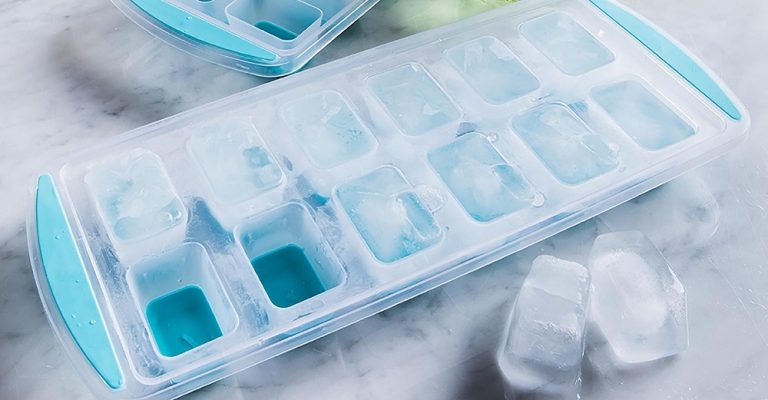
And as a side note, I love this recipe for how versatile it is! Whenever I have some eggnog leftover, I put some of it in ice cube trays and freeze it overnight. Then I have the perfect eggnog creamer for my morning coffee! You can also turn it into eggnog-flavored ice cream if you have an ice cream maker. Or add a few cups of ice to make an eggnog smoothie. The choice is yours!

Necessary equipment:

  • a high-power blender
  • serving glasses

Ingredients:

  • 2 cups of whole milk
  • 2 cups of grass-fed cream
  • 8 egg yolks
  • 4 T. of raw honey or maple syrup
  • 1 1/2 T. of vanilla extract
  • 1 1/2 t. of ground cinnamon
  • 1 t. of ground nutmeg
  • 1/8 t. of ground allspice
  • 1/8 t. of ground cloves
  • a pinch of sea salt
  • optional: bourbon/rum/cognac to taste

Extra: If you want to make this recipe dairy-free, you can replace both the milk and cream with 4 cups of coconut milk. Do the same if you are on a GAPS diet. Also, if you are on GAPS, use honey instead of maple syrup.

Instructions:

  1. Put all of the ingredients in a blender and combine on medium high until fully combined.
  2. Pour into serving glasses.
  3. Garnish with a pinch of fresh nutmeg and add a stick of cinnamon for stirring.

Enjoy! And if you want spiked eggnog, I just happen to have the recipe for you.

How to Make Homemade Pasta

As you probably know already, I love making things from scratch. Not only foods but also cosmetics, oil blends, simple decorations, et cetera. But in this post, we will be talking about food. Specifically, pasta!

Homemade Pasta

Making your own pasta seems like a big hassle but it doesn’t need to be. My recipe is fairly straightforward and doesn’t take up that much of your time. Once you cook up your own pasta a few times, like me, you will be done in a couple of minutes!

The image of the process of pasta being difficult probably stems from the fact that when we see people make pasta on TV’s culinary shows, they usually use special pasta-making equipment, like a pasta roller. But the truth is that you don’t need to necessarily use these machines! You obviously can, and it will probably make your job even easier, but I have successfully made pasta using only a rolling pin to flatten the dough and a pizza cutter to cut out the pasta shape. Heck, you don’t even need a pizza cutter, you can just use a regular knife.

Why Homemade Pasta?

There is absolutely no comparison between store-bought pasta and the homemade version. And the satisfaction that you get from making something with your own two hands is unbeatable.

Pasta Dish

I prepared two separate pasta recipes for you today. The first one is very quick. It uses eggs which I think makes the pasta texture more tender. You just prepare the dough, flatten eat, cut the pasta into your desired shape, boil it, and voila – you’re done! You can even add fresh herbs to the dough to make it even more interesting. This pasta is best served immediately.

The other one is made using soaked flour which means that you need to start the preparations a day before. But in return, your pasta will be easier to digest and have more nutritional value. I feel that it’s also better for making pasta for later use. You can easily dry it and it will hold for several weeks. That’s why I usually make in large batches once a few months.

Necessary equipment:

  • a large mixing bowl
  • a kitchen towel
  • optional: a large dehydrator
  • a rolling pin
  • a pizza cutter OR a pastry scraper OR a sharp knife
  • optional: cooling racks (for drying the pasta)

Homemade Egg Pasta

Ingredients:

Instructions:

  1. Pour the flour into a large mixing bowl. Make a well in the center with your finger.
  2. Crack all the eggs and put them in the well you just made.
  3. Gently knead the flour with your hands, starting from the center where the eggs are. Knead until both ingredients fully combine and the surface of the dough is smooth.

  4. Press the dough with your hands to make roughly a rectangular shape.
  5. Use a rolling pin to flatten it further to about 1/8 inch thickness.
  6. Use your cutting tool to cut the dough into any shape you want. Try to be consistent with the size of each piece so that they boil evenly.
  7. Put the fresh pasta in salted boiling water and cook for 3 to 5 minutes or until the pasta becomes slightly tender.
  8. Serve immediately.

Homemade Soaked Pasta

Ingredients:

Instructions:

  1. Pour the flour into a large mixing bowl. Make a well in the center with your finger.
  2. Pour in the warm water and the apple cider vinegar.
  3. Gently knead the flour with your hands, starting from the center. Knead until both ingredients fully combine and the surface of the dough is smooth.
  4. Cover the bowl with a kitchen towel and leave at room temperature overnight (at least 12 hours).
  5. Remove the dough and put it on a counter lightly sprinkled with flour. Knead for one minute.
  6. Press the dough with your hands to make roughly a rectangular shape.
  7. Use a rolling pin to flatten it further to about 1/8 inch thickness.
  8. Use your cutting tool to cut the dough into any shape you want. Try to be consistent with the size of each piece so that they boil evenly.
  9. You can dry the pasta two ways: leave them as they are on the floured counter (takes more time) or transfer them onto a cooling rack.
  10. When the pasta dries and completely hardens, transfer it to an airtight container and keep in the pantry.
  11. Use within several weeks.

For another great pasta recipe, try my ricotta spinach pasta.

Golden Birthday Yellow Butter Cake

Yellow butter cake

Do you celebrate golden birthdays at your homes? I sure do! A golden birthday is when you become the same age as your birthday. So, for example, if I was born on May 1st, my golden birthday would be celebrated when I was 1 year old.

It was my mom who sold me to the idea by making sure my golden birthday was celebrated in style.

But anyway, this year is my first son’s golden birthday! And because a golden birthday is no ordinary birthday, it deserves a little extra magic. For our backyard party with his friends, I’m putting up gold decorations and adding a few fun touches. I’ll wrap the gifts in golden wrapping paper, use golden straws for the drinks (“gold” lemonade), and even include custom deli paper for serving the snacks to match the theme. I will leave chocolate coins wrapped in gold foil for the kids to search for as part of our little treasure hunt tradition.

But what I hope is going to be the most exciting is the golden cake I plan to bake for my son! The golden cake is going to be a traditional yellow butter cake with some golden buttercream icing on top.

I prepared this cake last week, as a practice cake. It turned out so good that I just had to share the recipe with you. As usual, it’s made of homemade sprouting flour, nourishing grass-fed butter, organic eggs, and sweetened with raw honey and whole cane sugar. There is nothing artificial about this cake! It’s made from scratch to ensure that my son and his guests won’t be suffering from any digestion problems that would ruin the fun they will be having.

Necessary equipment:

  • measuring cups
  • two large mixing bowls
  • wooden spoon OR a whisk
  • kitchen towel
  • optional: a dehydrator
  • cake pan (or two pans)*
  • parchment paper
  • scissors
  • pen OR pencil
  • hand mixer OR a stand mixer
  • cooling racks
  • cake server OR a rotating cake plate for serving

*You can use one cake pan and pour all of the batter into it at once and then, once the cake is done, cut the cake into two even halves. I find that hard to do without specialized tools so I usually bake two separate cakes from half of the batter each.

Ingredients:

Yellow Buttermilk Cake

for soaking the night before:

for next day:

  • 1 cup (2 sticks) of grass-fed butter
  • 4 large eggs from pastured chickens
  • 2 large egg yolks from pastured chickens
  • 1 1/4 cup of raw honey
  • 1/4 cup of whole cane sugar (best if it’s coconut sugar because the color won’t stand out in the batter)
  • 2 t. of baking soda
  • 2 t. of baking powder
  • 1 T. of vanilla extract
  • 1 t. of sea salt

all ingredients should be at room temperature so that the batter will come together with no lumps

Instructions:

  1. Combine the flour and the buttermilk in a large mixing bowl. Cover with a kitchen towel and leave overnight in a warm place. I usually use a dehydrator but you can also just put the bowl in an oven with the light turned on.
  2. The next day, prepare your cake pans. Lay a piece of parchment on the circle bottom of the cake pan and use a pen or pencil to trace the shape of it. Cut out the circle using scissors but make sure you cut just below where the pen or pencil markings are so that you don’t get any of them in your cake. The cutout shape should be the perfect fit for your cake pan. Now butter the cake pan so that the parchment paper circle will stick to it. Butter the top side of the parchment paper as well. Your cake pan is now ready for action!
  3. Preheat the oven to 350 degrees.
  4. In another large bowl, use a mixer to combine butter, raw honey, and whole cane sugar. Keep mixing until the mixture is fluffy and soft.
  5. Gradually add in the soaked flour with buttermilk and mix it in.
  6. Add in the baking powder, baking soda, and sea salt. Mix to combine.
  7. Add eggs, the two extra yolks, and vanilla extract. Mix to combine.
  8. Pour the batter into your prepared cake pans.
  9. Put the filled cake pans onto the counter sharply a few times. This way, you will get rid of any bubbles that might be in the batter.
  10. Bake for 35 to 40 minutes. You will know your cake is ready when it turns golden brown and is set in the middle.
  11. Leave to cool completely on the cooling racks.
  12. Use a butter knife to loosen the cake from the sides of the pan. Carefully get the cake out of the pan.

Golden Buttercream Frosting

Ingredients:

Instructions:

  1. Beat the butter and the honey together in a large bowl using a mixer with a whisk attachment.
  2. Add in the vanilla extract, sea salt, and optionally the yellow food coloring. Beat until the mixture turns fluffy.
  3. Use immediately to frost the cake. Set one cake layer on a cake plate and cover it with the buttercream frosting. Set the second layer on top.
  4. Cover all the sides of the cake with frosting. Smooth it down using a spatula or add some swirls here and there if you are feeling creative. Clean the sides of the cake plate with a towel.
  5. Put any decorations on the cake, like candles or edible flowers.
  6. Chill for at least half an hour before serving.
  7. Try to cut the cake while it’s still chilled so that the frosting won’t lose its shape.

Enjoy this delicious golden birthday cake!

Mahi Mahi with Almond Crust

I’ll be the first one to admit that I don’t get enough seafood in my diet. This is something I am actively working on as I try to gain the courage to cook fish for my family. I don’t know about you but I find cooking and seasoning fish a bit intimidating. I never really learned how to do it since my mom never cooked fish and it’s not like I grew up somewhere with a good supply of fresh seafood.

But I know that we should all be eating plenty of fish because their nutritional value is simply off the charts. They are full of healthy omega 3 fatty acids and vitamin D, vitamin B, and other minerals. And it’s also a great source of protein and amino acids that I sometimes fear we don’t get enough of. Amino acids are very important for brain function and mental health. I always try to get as many amino acids in my kids as I can so that they won’t suffer from depression like I used to.

But I also know that we need to be careful with what kind of fish we buy. I am not talking about particular species but rather the way they were raised. Big commercial fish farms often use grains to feed the fish and make them grow big but that’s not really what we want in the fish we buy for dinner. So, I always try to buy wild-caught fish that weren’t raised in an artificial environment.

Mahi Mahi

Mahi mahi is one of the easiest to find fish in my local area. I usually buy it from nearby health food stores, and they are available for most of the year. It’s relatively easy to prepare and to eat due to how soft it gets when cooked. It’s one of the few fish species that I feel confident in cooking! Butter gives this dish a nice creamy flavor that contrasts well with the refreshing lemon. The almond crust on top turns crispy and completes the whole dish.

I use my own homemade version of the Emeril’s Essence Spice Blend. It’s a commonly used spice blend in my kitchen that works well with fish and most meats.

Ingredients:

  • 2 1/2 T. of powdered paprika
  • 2 T. of garlic powder
  • 2 T. of sea salt
  • 1 T. of cayenne pepper
  • 1 T. of black pepper
  • 1 T. of onion powder
  • 1 T. of dried thyme
  • 1 T. of dried oregano

I just put all the spices together in a small glass jar and shake vigorously so that they combine well. I feel like this is one of the nicest general spice blends that can be utilized in many different ways.

Now onto the mahi mahi recipe!

Necessary equipment:

  • a small mixing bowl
  • a whisk
  • a large mixing bowl
  • a wooden spoon
  • a baking dish

Ingredients:

  • 4 filets of wild-caught mahi mahi
  • 2 cups of almond flour
  • 1/2 cup (1 stick) of melted grass-fed butter
  • 2 t. of sea salt
  • 1 t. of ground black pepper
  • zest of one lemon
  • juice of one lemon
  • homemade Emeril’s Essence Spice Blend to taste

Instructions:

  1. Preheat the oven to 350 degrees.
  2. Combine the melted butter with lemon zest and lemon juice in a small mixing bowl using a whisk. Set aside for now.
  3. In a larger mixing bowl, combine the almond flour with salt and pepper using a wooden spoon. Set aside for now.
  4. Wash the fillets with fresh water and pat dry.
  5. Dip each fillet in the butter mixture first and then cover with the almond flour mixture. Put the prepared fillets in a baking dish.
  6. Pout the leftover butter mixture over the fillets.
  7. Sprinkle the fillets with a large dose of Emeril’s Essence Spice Blend (I usually use at least 2 teaspoons per fillet).
  8. Bake for 25 minutes. You will know the dish is done when the almond crust is crispy and the fish underneath is done.
  9. Serve with halved lemons so that you can squeeze out the juice just before eating.

Enjoy! For a quick seafood recipe, try my baby spinach salmon sandwich.