
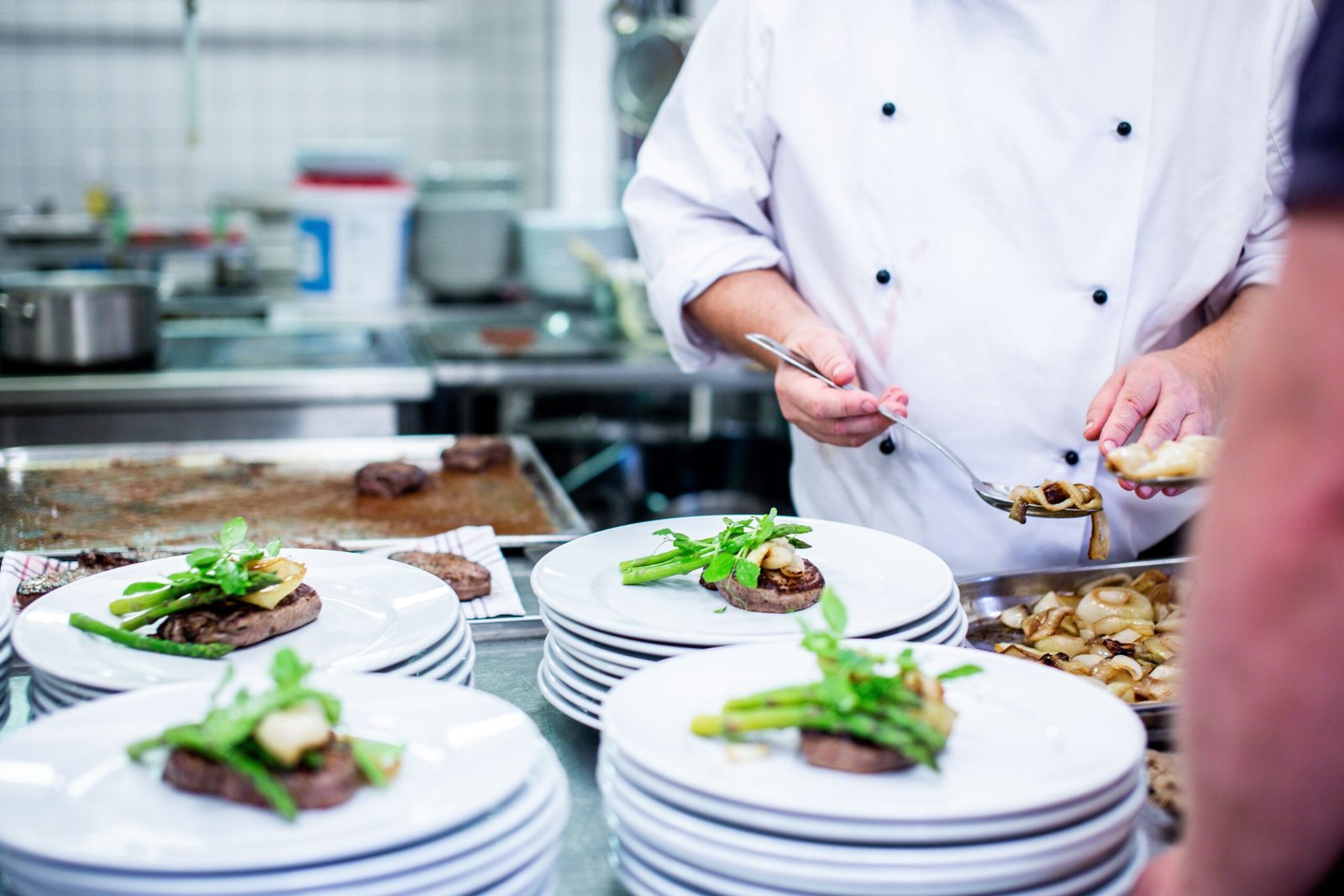

When I first started cooking professionally, all I thought about was the food. The flavors, the plating, the way a dish came together after hours of testing and retesting a recipe. Nobody warned me that running a kitchen, even a small one, would eventually mean spending just as much time managing operations as I spent cooking. It took a few chaotic dinner services before I realized that a good restaurant management system is not a luxury for big chains. It is something every kitchen, no matter how small, eventually needs.
The Moment Everything Clicked
There is a specific memory that sticks with me. It was a Saturday night, the dining room was full, and our old method of scribbled tickets and shouted orders across the kitchen completely fell apart. Two tables received the wrong dishes, one order never made it to the kitchen at all, and by the end of the night I was more exhausted from the chaos of managing service than from the actual cooking.
That night pushed me to look into a proper restaurant management system, and it genuinely changed how I run my kitchen. Instead of relying on memory, handwritten notes, and a lot of hoping for the best, everything from orders to menu updates now flows through one organized system.
Why Passion Alone Is Not Enough
I think a lot of cooks, especially those of us who came into this industry because we love food, resist the idea of “management systems” because it sounds corporate and cold. It sounds like something that takes away from the creativity and heart of cooking. But I have come to see it differently. A good system does not replace passion. It protects it.
When orders are accurate and organized, I spend less time putting out fires and more time actually cooking with intention. When menu changes update instantly across the dining room instead of requiring a scramble to inform every server, I spend less time correcting mistakes and more time perfecting dishes. The system does not compete with my creativity, it gives that creativity room to breathe.
What a Restaurant Management System Actually Solves
For anyone who has not looked into this kind of tool, it can be hard to picture exactly what it does beyond the vague idea of “organizing things.” Here is what it looked like in my own kitchen once we made the switch:
Orders stopped getting lost. Every order placed by a guest, whether through a server or a self ordering QR menu, goes directly into the system and straight to the kitchen. No more relying on someone remembering to relay a ticket during a busy rush.
Menu updates became instant. If we run out of an ingredient mid service, I can mark that item unavailable in seconds, and it disappears from every guest’s menu immediately. No more apologizing at the table because the printed menu still listed something we could not make.
Staff communication improved. Instead of shouting across a loud kitchen or hoping a note taped to the wall gets noticed, updates and order details are visible to everyone who needs them, right when they need them.
Reporting became clearer. I can actually see which dishes are selling well, which ones are being ordered less often, and where guests tend to spend the most time browsing before ordering. This kind of insight used to be a complete guessing game for me.
Learning to Let Go of Old Habits
Honestly, the hardest part of adopting a management system was not the technology itself. It was letting go of habits I had relied on for years, even when those habits were clearly not working well anymore. There is a strange comfort in doing things the way you have always done them, even when it means extra stress and avoidable mistakes.
Once I got past that initial resistance, the transition was surprisingly smooth. The system itself was intuitive enough that my staff picked it up within a single shift of training. Guests adapted just as quickly, especially since many of them were already used to scanning codes for menus at other restaurants they had visited.
The Ripple Effect on the Whole Kitchen
What surprised me most was how much a management system improved things that had nothing to do with technology at all. Staff seemed less frazzled during busy shifts. Guests seemed happier because their orders came out correctly and on time. Even my own mood improved because I was not constantly firefighting avoidable problems every single service.
There is something deeply satisfying about walking into a busy Friday night knowing that the system running in the background is catching details that used to slip through the cracks. It let me focus on what I actually love, which is developing recipes, training my team, and creating an experience guests want to come back for.
Advice for Anyone Starting Out
If you are early in your journey running a kitchen, whether it is a full restaurant or a smaller food business, my honest advice is to not wait as long as I did to get organized. It is easy to assume that management systems are only necessary once a business grows large, but the truth is they help just as much, if not more, when you are small and every mistake feels bigger because resources are tighter.
Cooking will always be the heart of what we do. But the businesses that last, and the cooks who manage to keep their passion alive without burning out, tend to be the ones who build strong systems around that passion early on. It is not about becoming less of a chef and more of a manager. It is about giving yourself the structure to keep doing what you love without the constant chaos threatening to pull it apart.
Looking back, I wish someone had told me this on day one instead of letting me learn it the hard way through a string of stressful Saturday nights. If you are on the fence about whether a management system is worth exploring for your own kitchen, take it from someone who resisted the idea for far too long. It is worth it.