

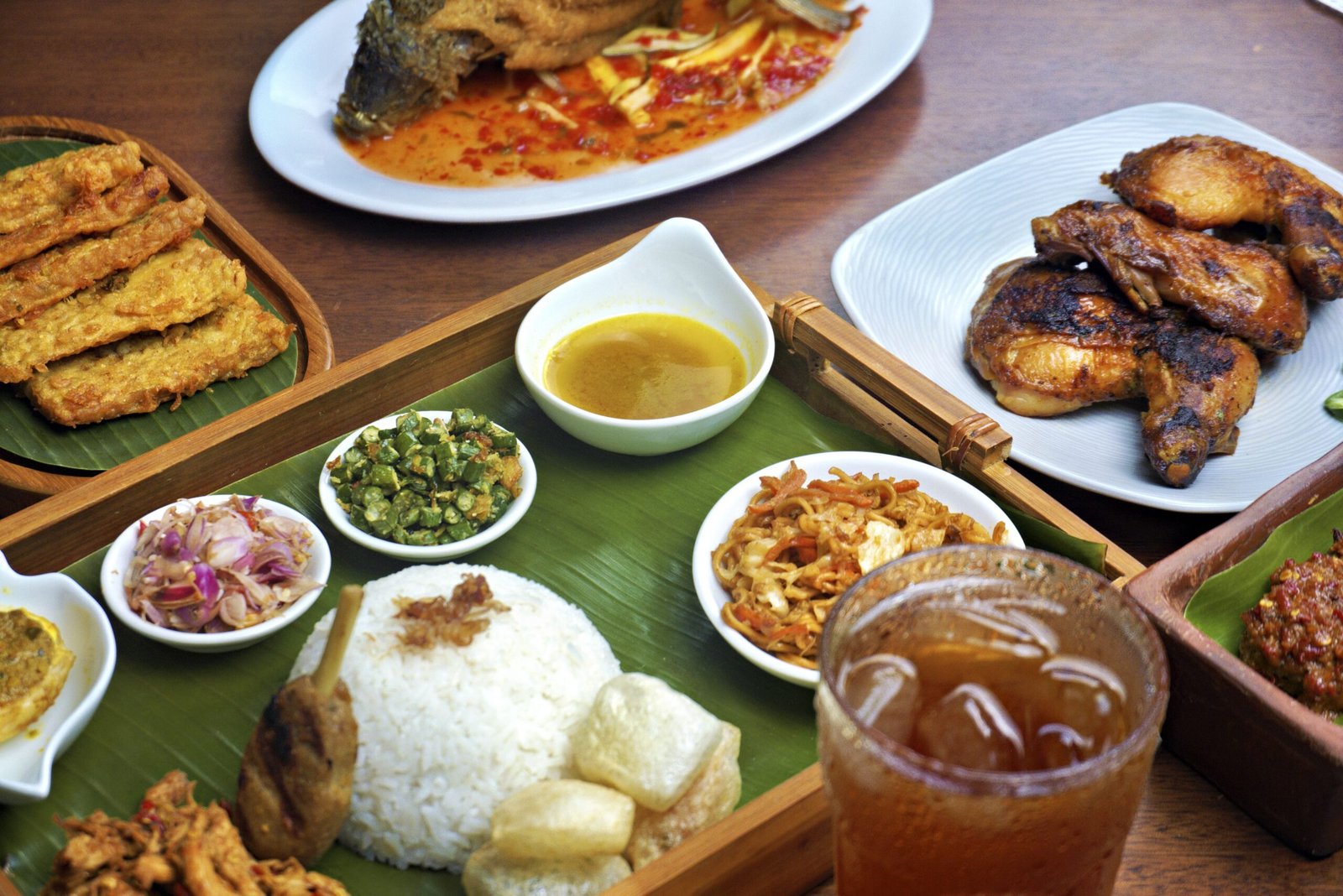
Food tells you more about a place than almost anything else. The way a country eats, what shows up on an everyday table versus a celebration table, how meals are shared or eaten alone, all of it carries history in a way that is easy to taste and harder to explain. Travelling with an appetite for this kind of detail changes how a trip feels, because suddenly the food is not just fuel between sightseeing stops, it is the story itself.
Germany: Regional, Layered, and Underrated
German food culture gets flattened into sausages and beer in most people’s minds, but the reality is far more regional and varied than that reputation suggests. Bavaria eats differently from Hamburg, and both differ again from what shows up in Berlin, where decades of migration have folded Turkish, Vietnamese, and Middle Eastern influence into the city’s everyday food scene.
Anyone spending real time in the capital notices this mix fast. Wandering through restaurants in Berlin makes the point better than any description could, since a single street can move from a currywurst stand to a Vietnamese pho spot to a Turkish bakery within a few minutes.
Italy: A Meal Built Around Time
Italian food culture treats the meal as an event rather than a task. Lunch can stretch well past an hour, courses arrive slowly, and the table is where the day actually pauses. Regional differences matter enormously here too, a plate of pasta barely resembles what shows up two regions over, and locals take that distinction seriously.
What stands out most is how little rushing there is. Even a simple weekday lunch tends to include more than one course, and skipping bread or wine can feel like skipping a step nobody told you was optional.
Japan: Precision as a Form of Respect
Japanese cuisine treats presentation and technique as inseparable from flavour. A bowl of rice, cut vegetables, or a piece of fish is handled with a level of care that looks almost ceremonial to an outsider, yet for the cook it is simply the standard. Seasonal ingredients drive the menu far more than personal preference does, so what you eat in April looks nothing like what shows up in November.
This attention to detail extends to eating too. Meals are often quieter, more deliberate, and structured around balance rather than abundance, which is a sharp contrast to cuisines built around big, generous portions. Nothing on the plate feels like filler, and even a modest bowl of rice earns its place through the effort behind it.
Mexico: Bold Flavour and Shared Tables
Mexican food culture leans into contrast, heat balanced against sweetness, crunch against something soft, all stacked into a single dish. Corn, beans, and chilies form the backbone of most regional cooking, but the variation between states is significant enough that two versions of the same dish can taste like entirely different meals.
Here, people rarely eat meals alone by choice. Food is a reason to gather, and street food culture in particular turns eating into something social and constant throughout the day rather than confined to three sittings. Even a quick lunch tends to involve more than one person and more than one dish passed around the table.
What Comparing Cuisines Actually Teaches You
Putting these food cultures side by side is less about ranking them and more about noticing what each one prioritises. Germany protects variety within its own borders, Italy protects time, Japan protects precision, Mexico protects connection. None of it is universal, and that is exactly the point.
Eating with this kind of attention turns a trip into something closer to a conversation with a place, rather than a checklist of dishes to photograph and move past. The next best thing to standing in one of these kitchens is trying to recreate a little of it at home.