

There is a profound joy in mastering the vibrant, complex flavors of global cuisine right in your own kitchen. Whether it is the aromatic spices of Middle Eastern shawarma, the fiery kick of Mexican street tacos, or the delicate balance of Thai street food, these authentic dishes have a way of bringing people together.
For many passionate home chefs and food bloggers, the natural next step is to share these culinary creations with a wider audience. Transitioning from serving friends at a dinner party to launching a weekend market stall or local pop-up is an exciting, highly rewarding entrepreneurial journey.
However, running a successful micro-food business requires more than just a phenomenal recipe. To truly thrive and build a loyal local following, culinary artisans must master the business dimension—focusing on scalable logistics, brand presentation, and strategic marketing.
The Street Food Experience: Why Presentation and Packaging Matter
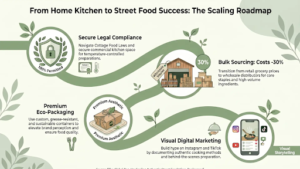
Translating authentic global street food from a home kitchen to a bustling local pop-up requires more than just multiplying the recipe. It demands the right presentation. Customers eat with their eyes first, and the tactile experience of holding a well-crafted container is a vital part of global street food culture.
To elevate their brand above amateur status, successful artisan vendors prioritize sustainability and their Brand Identity. Serving complex, sauce-heavy dishes on flimsy, cheap plastic not only ruins the visual appeal but also damages consumer trust.
By sourcing directly from a reliable custom paper food packaging manufacturer like YoonPak, you can secure eco-friendly, grease-resistant containers that not only keep complex global dishes fresh and intact but also present a highly professional aesthetic to your new customer base.
When upgrading your presentation for a commercial pop-up, you should evaluate packaging based on a few critical metrics:
- Thermal Retention: The ability to keep food hot and fresh during transit or outdoor consumption.
- Grease and Leak Resistance: Essential for dishes with heavy sauces, oils, or curries.
- Eco-Friendliness: Utilizing compostable or recyclable materials to appeal to modern, environmentally conscious consumers.
- Custom Branding: Using eco-safe inks to stamp your logo, turning every customer into a walking billboard.
Scaling Your Ingredients: From Grocery Store to Bulk Sourcing
One of the biggest hurdles for home chefs is learning how to manage Food Cost without compromising on authentic flavor. Buying ingredients at retail grocery prices will quickly eat through your profit margins when scaling up for a 100-person pop-up event.
The key to profitable scaling is transitioning to bulk sourcing. This involves identifying specialized wholesale distributors for your core ingredients, such as 50-pound bags of flour, bulk cooking oils, and specific cuts of meat.
However, when it comes to the soul of your dish—the spices—authenticity cannot be sacrificed. We recommend checking out our comprehensive guide to essential global spices and sauces to understand which high-impact ingredients are worth paying a premium for, and which staples can be safely purchased from bulk restaurant suppliers.
Navigating Cottage Food Laws and Health Permits
Before you serve your first paying customer, you must ensure your micro-business is entirely legally compliant. Operating under the radar is a massive risk that can result in immediate shutdown and hefty fines.
Every state and municipality has specific Cottage Food Laws that dictate what types of foods can be legally prepared in a home kitchen and sold to the public. Typically, these laws only cover “low-risk” items like baked goods, jams, and dry mixes.
If your global street food involves meat, dairy, or complex temperature-controlled preparations, you will almost certainly need to rent space in a certified commercial kitchen. Additionally, acquiring the proper food handler’s permits, vendor licenses, and liability insurance is a non-negotiable step in establishing a legitimate culinary business.
Building Hype: Marketing Your Micro-Business
Creating a buzz around your global pop-up menu is just as critical as perfecting the spices. Today’s culinary landscape is overwhelmingly visual, making it essential to document your authentic cooking methods, unique ingredient sourcing, and brand story on platforms like Instagram and TikTok.
As highlighted in business trend analyses published by Forbes, the barrier to entry for food entrepreneurship has significantly lowered thanks to digital platforms, allowing flavor-focused micro-businesses to build highly engaged local communities long before they serve their first customer.
To generate immediate interest, showcase the preparation behind your signature dishes. For instance, if you are planning to serve authentic Latin American Empanadas, post behind-the-scenes videos of the dough-folding process. This visually engaging storytelling builds anticipation and guarantees a line at your booth on opening day.
Key Takeaways
| Area | Key Takeaway | Impact/Data |
| Packaging | Source custom paper containers directly | Prevents leaks; builds professional brand |
| Supply Chain | Transition to wholesale bulk distributors | Slashes food costs; preserves margins |
| Compliance | Rent certified commercial kitchen space | Avoids shutdowns and hefty fines |
| Marketing | Document prep process on socials | Guarantees opening day booth lines |
Conclusion: Taking Your First Culinary Leap
Making the leap from a passionate home cook to a local street food vendor is a deeply fulfilling endeavor. It allows you to transform the world map in your kitchen into a tangible, profitable business reality.
By approaching your pop-up with a professional mindset—securing premium packaging, optimizing your ingredient sourcing, and leveraging digital marketing—you set a solid foundation for sustainable growth.
The local food scene is always hungry for authentic, high-quality global flavors. With careful planning and an unwavering commitment to your culinary vision, you are well-equipped to take that exciting first step and share your creations with the world.