

In the last few years, increasing numbers of homeowners, gardeners, and sustainability enthusiasts have taken up backyard beekeeping. While some are doing so strictly for honey production purposes, others are also looking to increase the number of local pollinators and provide better health for the plants grown in their gardens. The success of any type of hobby or avocation depends greatly upon how well you prepare yourself to succeed, and also the type of supplies you purchase and use in your endeavor.
Therefore, purchasing quality beekeeping supplies is crucial to the success of your hive, from insulating your hive to storing the honey that you harvested. One supplier that provides a large variety of quality, complete, and easy-to-use beekeeping supplies for beginners and experienced beekeepers is Lappes Bee Supply.
Why Quality Beekeeping Supplies are Important
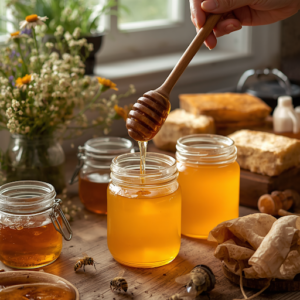
Quality materials and equipment for beekeepers are designed to help with keeping a healthy colony of bees, giving more honey to harvest. Poor quality bee products can cause stress to the beehive and a lower yield of honey, but also cause the colonies to die in the winter. Good quality beekeeping supplies are designed to help beekeepers maintain optimal hive conditions throughout all four seasons of the year.
Some important beekeeping supplies to have are:
- Hives protective gear
- Hive feeders and moisture boards
- Hive insulation wraps
- Hives extraction equipment
- Hives storage containers
Research has shown that the temperature inside hives has very much to do with whether the colonies will be able to survive the winter months. A consistent and steady temperature in each colony is an important part of the survival of that colony.
The Beekeeping Supplies All New Beekeepers Should Own
1. Protection and winter wraps for hives
The challenges that bees face during cold weather are difficult enough without having to worry about whether your hive will survive. Many beekeepers will search the internet for winter beehive wraps before temperatures drop too far, and help keep hives and colonies safe from wind and moisture.
According to my research on whether bees survive winter, proper hive insulation, when combined with other conditions, can help improve the chance of winter survival of the colony and provide stronger colonies in spring to make honey.
2. Appropriate hive feeding and management tools
Bees need to eat during the cold months and times of low nectar flow. Therefore, feeding systems in addition to moisture boards and shims are essential to keep the inside of the hive in good condition.
Many experienced beekeepers recommend getting beehives set up before winter arrives so that everything is prepared. Additionally, many beekeeping forums talk about the impact of how hives are set up and what forage they have on their chances of surviving freezing temperatures.
3. Containers for Storing Honey
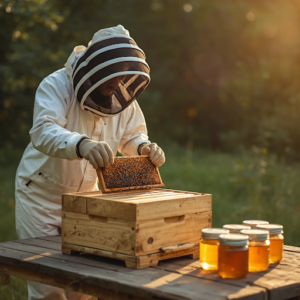
After you’ve harvested an abundant supply of honey, the next step is to find a proper storage container for it. Most beekeepers are looking for durable, easy-to-use containers that meet the following criteria:
- Safe for food
- Will keep honey fresh
- Will not leak
- Will prevent contaminants from entering honey
- Will improve the appearance of honey
- Will help with storing and transporting the honey
Buying good-quality jars or containers is especially important if you plan to sell raw honey locally or if you have friends and family who would love to receive your honey as a gift!
4. Beekeeping Safety & Protective Clothing
Protective clothing provides the beekeeper the confidence to conduct their inspections of the hives in a safe manner. Bee suits, helmets, gloves, veils, and smokers are examples of protective clothing. These items help reduce the chances of getting stung by a honey bee and make it easier for beekeepers to manage their hives.
Beekeeping suppliers generally offer beginner safety kits that are designed to make the inspection of hives easier and assist in producing healthy honey.
Selecting a Supplier for Beekeeping Supplies
Having access to reliable sources of honey bee supplies is critical to your long-term success as a beekeeper. When looking for a supplier, it’s important to find one with high-quality products, educational support, and appropriate equipment for the entire year.
Most beekeepers prefer suppliers who offer:
- Winter hive protective gear
- Beginner beekeeping packages
- Honey harvesting equipment
- Storage containers and accessories
- Seasonal hive maintenance products
Suppliers like Lappes Bee Supply are increasingly popular suppliers of beeswax hive wraps, bee feeders, jars for honey, and bee care products for hobbyists and professional beekeepers.
Final Thought
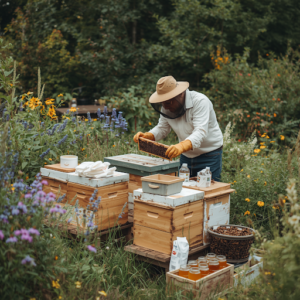
If you want to be an effective beekeeper, you need to start off with the right preparations and the right beekeeping supplies. If you are harvesting honey, the beekeeping supplies you invest in will determine the health of your hives and the quantity of honey produced from them.
Beekeeping tools impact the success of your colonies and the quality of your honey. In addition, if you follow good management practices, take care of your equipment, and use appropriate hive management strategies, you will be able to successfully keep bees for many years.