
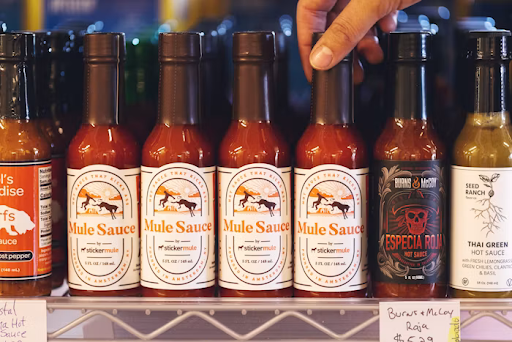

Introduction: The Hidden Culprit Behind Spoiled Homemade Condiments
Crafting artisanal infused oils, rich syrups, and fiery hot sauces takes time, precision, and high-quality ingredients. Yet, many home cooks watch their culinary creations degrade, lose flavor, or spoil prematurely. The hidden culprit is rarely the recipe itself.
Instead, rapid spoilage is often the direct result of poor container choice. Improper packaging allows oxygen ingress, moisture fluctuation, and chemical leaching.
When acidic sauces or delicate oils interact with inferior materials like plastic, the degradation process accelerates rapidly. To preserve the integrity and safety of your homemade condiments, mastering proper material selection and storage techniques is absolutely essential.
Why Glass is the Gold Standard for Kitchen Storage
Unlike porous materials, glass offers a completely impermeable barrier against environmental contaminants. This structural density prevents oxygen from degrading delicate flavor compounds, keeping your recipes vibrant.
Furthermore, glass boasts exceptional chemical inertness. High-acid environments, such as tomato-based hot sauces or vinegar infusions, will actively erode plastic containers. This erosion causes dangerous chemicals to leach directly into your food.
By opting for glass, you ensure a BPA-free, non-leaching environment. Glass also does not retain residual odors from previous batches. A jar that once held a spicy habanero sauce can be washed and reused for a delicate vanilla syrup without any flavor cross-contamination.
Choosing the Right Bottle and Jar for Specific Kitchen Creations
When bottling homemade syrups, dressings, or infused cooking oils, the choice of vessel dictates both longevity and presentation. Utilizing well-designed glass packaging—such as specialized condiment bottles, dropper bottles, or durable mason-style glass jars—prevents oxidation and flavor contamination. For instance, brands looking to scale up or home cooks seeking commercial-grade durability often turn to specialized manufacturers like Daxin for precision-molded glass options that meet stringent food-grade safety standards.
To maximize shelf life, you must logically match the specific culinary creation to its ideal glass container format. Viscosity, acidity, light sensitivity, and usage frequency should dictate your choice:
- Infused Oils and Vinegars: These require tall, dark-tinted glass bottles with narrow necks. The amber or cobalt tint blocks UV light, preventing light-sensitive oils from turning rancid.
- Homemade Syrups: Thick, sugary liquids function best in stout glass bottles with wide-mouth pourers. The glass must be thick enough to withstand hot-fill processes without thermal shock.
- Hot Sauces and Ferments: High-acid liquids thrive in woozy bottles with drip-restrictor inserts. These provide controlled dispensing while minimizing the surface area exposed to oxygen.
- Preserves and Chunky Condiments: Traditional mason-style jars are mandatory. The wide opening allows for easy filling and ensures a proper vacuum seal during water-bath processing.
Selecting the correct closure mechanism is just as crucial as the glass itself. A premium glass bottle rendered useless by a faulty, leaking cap is a critical failure. Always pair your glass packaging with airtight, acid-resistant lids:
- Plastisol-Lined Metal Caps: Ideal for hot-fill processes, creating a hermetic vacuum seal as the product cools.
- Polycone Lined Caps: The optimal choice for oils and vinegars, providing an exceptionally tight liquid seal.
- Glass Stoppers with Silicone Gaskets: Excellent for short-term, aesthetic tabletop storage.
Essential Food Safety and Sterilization Practices for Home Bottling
Even the highest-quality glass packaging cannot prevent spoilage if your sterilization practices are fundamentally flawed. Introducing food into an unsterilized jar traps ambient bacteria, mold spores, and wild yeast inside the container.
Over time, these trapped microorganisms will ruin your batch and pose severe health risks. To ensure maximum shelf life, you must adopt professional-grade sanitation protocols in your home kitchen before filling any container.
Begin by thoroughly washing all glass containers, lids, and funnels in hot, soapy water to remove physical debris. Next, you must subject the glass to sustained high temperatures to eradicate microscopic threats.
The most reliable method for home kitchens is the water bath sterilization technique. Submerge your glass bottles in a large pot of boiling water for a minimum of 10 to 15 minutes, ensuring the water fully permeates the inside.
Carefully remove the sterilized glass using specialized jar lifters and place them on a clean, lint-free towel. Never dry the insides with a cloth, as this reintroduces contaminants. Allow them to air dry while still hot.
-
Headspace Management:
Always leave the recipe-specified empty space at the top of the bottle to allow food to expand and ensure a strong vacuum seal.
-
Temperature Matching:
Never pour boiling hot sauces into cold glass bottles. The extreme thermal shock will shatter the container instantly.
-
Lid Preparation:
Follow manufacturer instructions for lids carefully; boiling certain rubberized seals can destroy their sealing integrity.
Understanding the pH level of your food is also critical. High-acid foods naturally inhibit bacterial growth, but low-acid foods (like garlic-infused oils) carry a much higher risk of pathogen development if stored at room temperature.
Proper sterilization and vacuum-sealing protocols are non-negotiable when dealing with low-acid or oil-based homemade preserves to prevent dangerous bacterial growth like botulism. Following recognized institutional guidelines, such as the USDA Food Safety and Inspection Service, ensures that home cooks apply scientifically backed processing times, temperatures, and handling techniques when utilizing glass containers for long-term pantry storage.
Key Takeaways
| Area | Key Takeaway | Impact/Data |
| Material | Mandate inert glass over plastic | Zero chemical leaching |
| Oils | Use dark, narrow-neck bottles | Blocks UV, stops rancidity |
| Syrups | Require thick, stout bottles | Survives hot-fill thermal shock |
| High-Acid | Use woozy bottles with restrictors | Minimizes oxygen exposure |
| Closures | Match lid liners to process | Plastisol enables hermetic vacuum |
| Safety | Submerge/boil glass 10-15 mins | Prevents deadly botulism |
Conclusion & Summary of Best Practices
Elevating your culinary creations requires more than just premium ingredients and perfectly balanced recipes. The vessels you choose to store your homemade sauces, oils, and syrups play a definitive role in their longevity, safety, and final flavor profile.
By migrating away from reactive plastics and embracing high-quality, non-porous glass packaging, you protect your food from chemical leaching and premature oxidation. Pair this superior material with rigorous sterilization and proper sealing techniques, and your pantry will remain pristine.
Investing in the correct food-grade glass packaging is a direct investment in your culinary craft. It guarantees that every drop of your meticulously prepared condiments remains safe, vibrant, and delicious for months to come.