

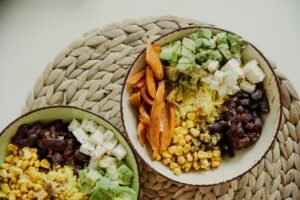
Home cooking plays a much bigger role in long term health than most people realize. What you cook, when you eat, and how meals are structured can directly influence energy levels, stress response, and the body’s ability to recover from everyday strain. Instead of chasing extreme routines, consistent home prepared meals offer a practical way to support resilience and well being.
Metabolic health starts in the kitchen
A large share of adults struggle with blood sugar regulation, often without obvious symptoms. Research shows that modest changes such as regular home cooked meals, balanced portions, and predictable eating patterns can significantly reduce the risk of metabolic disorders. Meals prepared at home tend to be lower in refined sugars and industrial fats while providing better control over ingredients and portions.
Simple habits matter. Cooking most meals at home and pairing carbohydrates with protein and fiber improves post meal energy and reduces crashes. Over time, this supports stable appetite, better focus, and healthier weight management.
Structuring meals for steady daily energy
Meal timing is as important as food quality. Studies suggest that eating larger meals earlier in the day improves insulin sensitivity and supports more stable energy levels. Home cooking makes this easier by allowing flexible meal planning around breakfast and lunch rather than relying on late, convenience based dinners.
Even small changes help. Shifting the main cooked meal to earlier hours or preparing leftovers for lunch can improve digestion and next day alertness without changing total calories.
Protein rich home cooking for recovery
Protein intake supports muscle maintenance, tissue repair, and satiety. For most adults, evenly distributing protein across home cooked meals is more effective than concentrating it into one dinner. This often means including eggs, yogurt, legumes, fish, poultry, or tofu in multiple meals throughout the day.
A practical home cooking target is 25 to 40 grams of protein per meal, depending on body size and activity level. This can be achieved with simple combinations such as eggs with vegetables, lentil based soups, or chicken with whole grains and greens.
Micronutrients come from real food first
Many common nutrient gaps can be addressed directly through cooking. Magnesium, potassium, and iron are frequently under consumed, yet they play key roles in energy metabolism and nervous system balance. Home cooked meals rich in leafy greens, beans, nuts, seeds, and whole grains help close these gaps naturally.
Cooking methods matter too. Light steaming, sautéing, and slow simmering preserve more nutrients compared to highly processed foods or repeated reheating.
Supporting recovery beyond the plate
While food is foundational, recovery sometimes extends beyond nutrition alone. Soft tissue strain and joint discomfort can interfere with cooking, daily movement, and overall quality of life. Some people explore experimental recovery compounds, including peptides. Preclinical studies suggest that BPC-157 supplements may support tissue repair, although human evidence remains limited and it is not an approved medication.
Those who choose to explore this area often look to buy BPC-157 online, but doing so should always involve medical guidance, awareness of legal status, and careful sourcing.
A sustainable approach to health through cooking
Long term health does not require extreme diets or rigid rules. Consistent home cooking, balanced meals, and thoughtful timing create a foundation that supports energy, recovery, and resilience. When you adapt nutrition with daily life, the body adapts more easily, stress feels more manageable, and healthy habits become sustainable rather than forced.