

Cooking spaces often turn into purely functional work zones where personality gets lost behind plain cabinet doors. Spending time preparing meals becomes far more enjoyable when the surroundings feel personal and thoughtful.
Simple adjustments to colors, textures, and wall displays can transform any routine kitchen into an inviting space. Small design choices make a noticeable difference in how a room feels during daily meal prep.
Softening Hard Surfaces With Curvilinear Accents
Kitchens feature endless straight lines along countertops, modern cabinets, and square appliances that can make the room feel cold. Hanging framed botanical prints with custom framing for artwork brings organic curves that break up those rigid architectural edges. Smooth shapes introduce balance into standard culinary layouts.
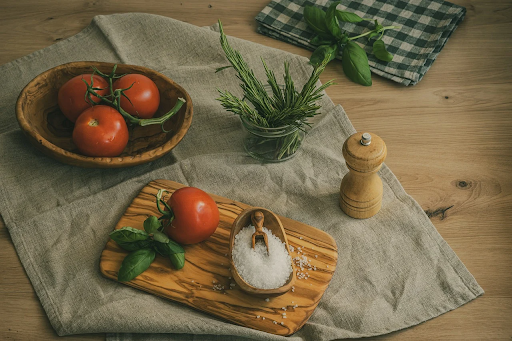
Rounded wooden bowls and arched wall shelves offer a gentle contrast to rectangular backsplash tiles. Placing curved ceramic items on exposed shelving creates depth without taking up valuable prep space. Subtle shapes shift the mood of a cooking area quickly.
Incorporating rounded kitchenware on counter corners keeps the room from looking overly structured. Soft outlines guide the eye naturally across work zones. Warm wood tones paired with rounded edges generate a cozy feel.
Creating Emotional Warmth Through Curved Design Elements
Architectural choices in room interiors direct how comfortable people feel while spending extended time in a home setting. A research paper revealed that curved interior shapes correlate with higher visual preference and positive emotional responses. Bringing rounded motifs into kitchen layouts helps create an inviting atmosphere.
Curved cabinet handles and arch-topped wall frames soften heavy overhead cabinetry. Swapping sharp geometric light fixtures for dome pendants instantly changes room dynamics. These small changes relax the visual flow of the workspace.
Displaying rounded cutting boards against backsplashes adds warmth and function simultaneously. Layering circular trays under oil bottles groups daily items neatly. Thoughtful geometry elevates simple kitchen décor effortlessly.
Selecting Statement Lighting To Define Prep Areas
Lighting fixtures serve as focal points above islands and dining nooks. Overhead lamps direct focus to functional zones while adding distinct style. Choosing materials like brushed brass or matte black adds personality.
Key lighting choices that improve visual balance include:
- Pendant lights placed 30 inches above island counters.
- Under-cabinet strip lights that illuminate dark prep spots.
- Dimmable wall sconces that adjust mood during evening meals.
Layering different light sources creates flexibility throughout the day. Task lighting assists during cooking, and softer ambient fixtures help guests relax. Balanced illumination makes prep work easier and safer.
Building Emotional Connection Through Intentional Interior Logic
Decorative decisions go far deeper than simple surface choices when planning a home cooking environment. A recent study noted that design logic hidden beneath superficial features serves as the key to emotional resonance in space. Organizing display pieces intentionally gives a room meaningful purpose.
Selecting items that tell a personal story makes meal preparation feel grounded. Displaying vintage recipe cards in matching wall frames turns family history into daily art. Curated displays build an authentic atmosphere across empty wall spaces.
Arranging cooking tools according to frequency of use improves daily flow. Matching visual style with functional needs yields a balanced room. Smart spatial logic creates a comforting room environment.
Introducing Natural Textures With Wooden Accents
Natural wood brings organic warmth into bright tiled kitchens. Raw timber shelves break up continuous runs of painted cabinetry. Wooden salad bowls and butcher blocks add rich textures on polished granite.
Open shelving offers places to showcase everyday crockery alongside potted herbs. Combining light oak tones with white subway tiles offers contrast. Stacking cutting boards vertically against a tile wall fills empty corners nicely.
Unfinished wood surfaces develop character over years of daily kitchen use. Rustic accents soften modern stainless steel appliances. Natural materials make large prep spaces feel grounded and relaxed.
Displaying Curated Artwork Above Counter Spaces
Art pieces transform kitchen walls into expressive visual displays. Framing colorful food illustrations or nature prints brings creative energy to blank walls. Hanging art away from direct splash zones preserves frames.
Choosing uniform frame finishes creates a clean gallery appearance. Mixing floating frames with traditional matting adds dimension across wall layouts. Smaller art prints fit perfectly on narrow shelf edges.
Rotating prints seasonally keeps the cooking area feeling fresh. Wall art gives family members points of interest during daily meal preparation. Personal displays make functional rooms feel complete.
Using Color Palette Variations To Create Depth
Strategic color choices change how open or cozy a culinary space feels. Muted sage green cabinets pair nicely with warm brass hardware. Deep navy accents anchor bright marble countertops effectively.
Two-tone cabinet layouts divide room height and add visual interest. Lower dark cabinets ground the space, leaving upper units light to maintain openness. Accent paint on an island base creates a central focal point.
Small colorful accessories like ceramic jars bring life without permanent commitment. Repeating key colors across kitchen towels and rug runners unifies the layout. Thoughtful color accents elevate basic room designs.
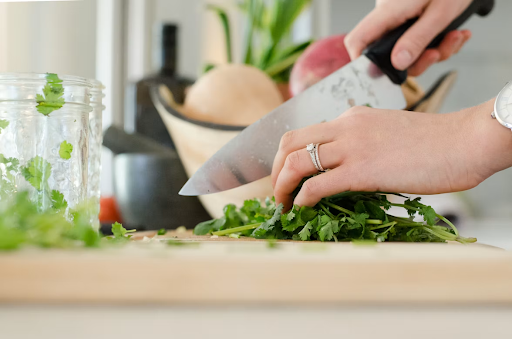
Refreshing a cooking environment requires simple visual adjustments that reflect personal taste. Small updates to wall art, lighting, and natural textures make daily meal preparation far more rewarding.
Focusing on clean layouts and warm details creates a welcoming hub for family gatherings. Every thoughtful detail contributes to a space that feels comfortable every day of the week.