

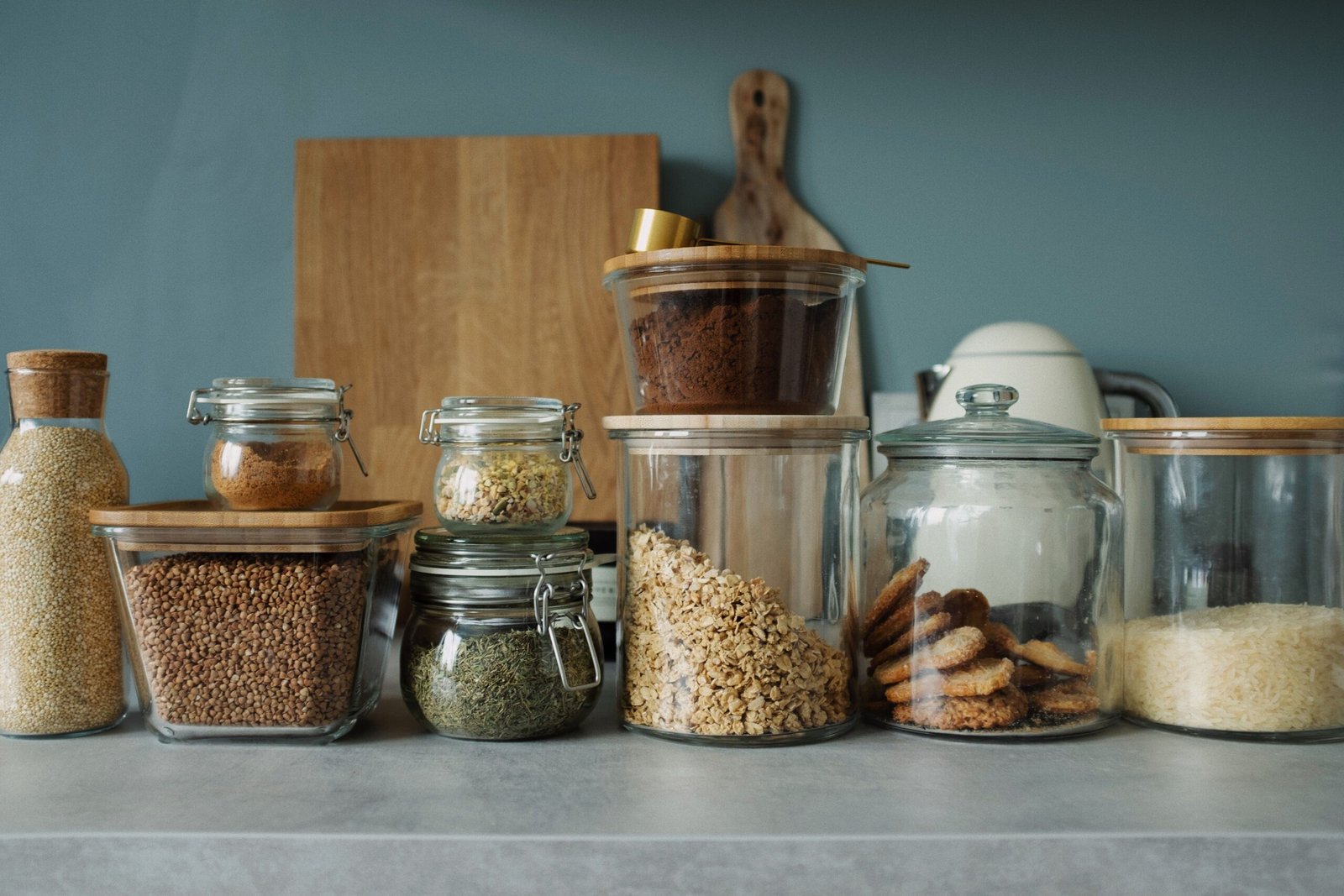
Every home cook knows the satisfaction of opening a well-organized pantry. Flour is easy to find, spices are neatly arranged, and favorite ingredients are ready whenever inspiration strikes. Good pantry organization also has another benefit that often goes unnoticed. It helps protect food from moisture, waste, and unwanted pests.
Pantry pests are not always a sign of a dirty kitchen. Small insects can arrive inside packaged foods from the grocery store and spread to nearby ingredients if they go unnoticed. The good news is that a few smart storage habits can make a real difference. Better organization helps preserve flavor, reduces food waste, and makes it much easier to spot a problem before it affects multiple ingredients.
Start With Every Grocery Trip
Pantry protection begins before food reaches the shelf. While shopping, take a few seconds to look at boxes and bags containing flour, rice, cereal, pasta, grains, dried fruit, baking mixes, and nuts. Avoid packages with tears, holes, loose seals, or visible damage.
Once you arrive home, unpack groceries instead of leaving bags sitting on the floor for hours. Transfer ingredients that will be stored for a long time into quality containers with tight-fitting lids. This simple habit protects food from moisture while making your pantry easier to organize.
If insects continue appearing even after replacing affected products and improving storage habits, the issue may extend beyond a single package of food. In those situations, homeowners can consult professionals such as PCI Pest Control to determine whether pests are coming from another part of the home rather than the pantry itself.
Choose Containers That Keep Ingredients Fresh
Many dry ingredients remain in their original packaging after opening, but paper bags and thin cardboard boxes are not always the best long-term storage solution. Flour, oats, rice, cereal, sugar, beans, and pasta all benefit from sealed containers that reduce exposure to air and humidity.
Glass containers make it easy to see what is inside, while durable food-safe plastic containers are lightweight and practical for everyday cooking. Clear labels also help prevent duplicate purchases because you always know what you have available.
According to the USDA Food Safety and Inspection Service, checking dry-food packages for damage and transferring products such as rice, cereal, pasta, and baking mixes into glass or plastic containers adds another layer of protection against moisture and insects while helping preserve food quality.
Rotate Ingredients Instead of Forgetting Them
Most home cooks have discovered an old package hiding at the back of a cabinet. Sometimes it is a forgotten bag of flour from holiday baking. Other times it is a specialty grain purchased for one recipe and never used again.
A simple first-in, first-out system solves this problem. Place newly purchased products behind older ones so the oldest ingredients are used first. Small labels with purchase dates can also make pantry rotation easier, especially for frequently used baking supplies.
Buying in bulk often saves money, but only if the ingredients are actually used before quality declines. Purchasing realistic amounts keeps food fresher and reduces unnecessary waste.
Keep the Pantry Clean Between Cooking Sessions
Deep cleaning does not need to become a weekly project. Small habits completed after cooking usually prevent larger problems later.
Sweep or vacuum loose flour, sugar, cereal, and rice from pantry shelves whenever you notice spills. Wipe sticky containers before putting them back into storage. Check corners where crumbs tend to collect, and clean beneath shelves every few months.
Pet food deserves attention as well. If it is stored indoors, keep it in a sealed container rather than leaving open bags sitting on the floor.
These routines take only a few minutes, but they remove food sources that insects can use if they find their way inside.
Give Every Ingredient Its Own Space
Organized storage makes cooking more enjoyable because ingredients are easier to find. It also makes unusual activity much easier to notice.
Keep baking supplies together, breakfast items in one section, snacks in another, and spices close to the cooking area. Dry goods should not be stacked so tightly that packages cannot be inspected.
Leaving a little space between containers also improves airflow and allows you to spot spills, damaged packaging, or unexpected insects before they spread through the pantry.
Watch for Early Warning Signs
Most pantry pests do not appear overnight. Small warning signs usually show up first if you know what to look for.
Tiny moths flying around the pantry, beetles near dry foods, unusual webbing inside packages, or clumped flour deserve closer inspection. It is also worth checking packages that sit nearby because insects often move between products stored on the same shelf.
Finding one affected package does not necessarily mean every ingredient must be discarded. Carefully inspect nearby foods, throw away contaminated items, and thoroughly clean the surrounding shelves before restocking them.
A Simple Pantry Routine Makes a Big Difference
The easiest storage systems are usually the ones people actually follow. Instead of creating complicated rules, focus on a few consistent habits that become part of everyday cooking.
| Pantry Habit | Why It Helps |
| Inspect packages before storing | Helps avoid bringing damaged products home |
| Transfer dry goods to sealed containers | Protects ingredients from moisture and insects |
| Label containers | Makes pantry rotation easier |
| Store older products in front | Encourages first-in, first-out use |
| Clean spills quickly | Removes food sources and keeps shelves tidy |
| Check pantry monthly | Helps catch small issues before they spread |
| Keep similar foods together | Makes ingredients easier to monitor |
These habits support better organization while making meal preparation faster because everything has a predictable place.
Build a Pantry That Supports Better Cooking
A well-maintained pantry is about more than appearance. Fresh ingredients produce better meals, and organized storage saves time during busy weeknights. It also helps reduce food waste because ingredients are easier to see and more likely to be used before they lose quality.
The best pantry is not necessarily the one with the most expensive containers or perfectly matching shelves. It is the one that fits your cooking routine and makes it easy to keep food fresh.
By inspecting groceries before storing them, using sealed containers, rotating ingredients regularly, cleaning small spills promptly, and checking shelves every month, you can protect the foods you enjoy cooking with while making your kitchen a more organized and efficient place to work. Small habits performed consistently often have the biggest impact, allowing you to spend less time dealing with pantry problems and more time creating meals worth sharing.