

Why Glass is the Gold Standard for Kitchen Storage and Pantry Longevity
Chemical Inertness and Flavor Preservation
When sourcing containers for delicate culinary items like extra virgin olive oil or artisanal vinegars, material purity is paramount. Professional food-grade packaging relies on ultra-pure raw materials to prevent any microscopic leaching or flavor alteration. For instance, commercial-grade fabricators like Nuvole Glass utilize advanced super flint glass production processes to guarantee absolute chemical inertness, ensuring that homemade infusions and delicate oils preserve their authentic taste profile without absorbing odors.
Unlike plastic polymers, high-quality glass non-porously resists acidic solutions, spicy marinades, and high-fat botanical extracts. It creates an impermeable barrier that completely prevents volatile compounds from escaping or foreign odors from entering.
UV Protection and Airtight Sealing
Light degradation is one of the primary catalysts for oil rancidity and nutrient depletion in pantry staples. Amber, dark green, and heavy ultra-clear glass formulations absorb destructive ultraviolet radiation, protecting sensitive compounds.
Pairing UV-resistant glass bodies with precision-engineered closures ensures airtight isolation. High-performance mechanical swing-tops or silicone-gasketed lids stop oxygen ingress, maintaining peak freshness and extending shelf stability for months.
Essential Glassware Types Every Home Cook Needs in the Pantry
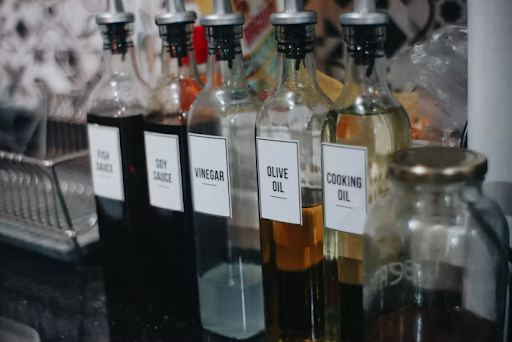
Olive Oil and Infused Oil Bottles
Specialized oil bottles demand ergonomic geometry combined with drip-free pouring spouts to deliver effortless control during high-heat cooking or delicate drizzling.
- Ergonomic Handfeel: Slender profiles with weighted bases provide stability and non-slip control.
- Leak-Proof Pour Spouts: Integrated stainless steel or silicone spouts prevent messy exterior drips.
- Material Clarity: Super flint or dark tinted glass shields delicate unrefined fats from ambient oxidation.
Beverage and Mocktail Bottles
Crafting fermented beverages like kombucha, water kefir, or cold brew tea requires containers capable of withstanding internal pressure and temperature shifts.
- Pressure Resistance: Heavy-walled molded glass safely manages natural carbonation build-up.
- Hermetic Swing-Tops: Stainless steel bail wires with food-safe silicone gaskets maintain tight atmospheric seals.
- Thermal Endurance: Specially annealed glass prevents stress fractures during cold brewing and rapid chilling.
Mason Jars and Glass Storage Containers
Wide-mouth Mason jars and specialized glass storage vessels form the backbone of efficient dry storage and batch meal preparation.
- Wide-Mouth Accessibility: Facilitates easy filling, scoop access, and effortless hand washing.
- Multi-Layer Lid Systems: Split-type metal bands or glass clamp lids accommodate dry storage and wet fermentation.
- Stackable Designs: Modular structural designs maximize vertical pantry and refrigerator real estate.
Key Quality Indicators: What Makes a Superior Food-Grade Glass Container?
Super Flint Glass vs. Standard Glass
The distinction between commercial-grade and premium food packaging lies heavily in raw material selection and refinement during furnace melting.
- Super Flint Glass: Features iron content below 0.02%, yielding crystal-clear transparency and premium optical brilliance.
- Standard Soda-Lime Glass: Displays a noticeable greenish tint due to higher iron impurities, limiting optical purity.
- Aesthetic & Structural Value: Ultra-clear glass showcases the natural vibrant colors of artisanal sauces and spice blends.
Inspection Standards and Leak-Proof Testing
Professional glass fabrication subjects every production batch to rigorous physical and thermal diagnostic evaluations.
- Thermal Shock Resistance: Ensures containers survive abrupt temperature differentials up to 120°C without cracking.
- Automated Machine Vision Inspection: Scans 100% of units for micro-fissures, bubbles, or structural wall variances.
- Vacuum and Pressure Testing: Validates that seal assemblies remain leak-proof under negative pressure storage conditions.
Key Takeaways
| Area | Key Takeaway | Impact/Data |
| Material | Select super flint glass for purity | Iron content <0.02% |
| Protection | Block UV and prevent oxidation | Extends shelf life for months |
| Sanitation | Boil or steam to eliminate pathogens | Minimum 10-minute boil |
| Durability | Prevent thermal shock fractures | Withstands up to 120°C |
How to Clean, Sterilize, and Maintain Your Kitchen Glassware
Step-by-Step Sterilization for Long-Term Storage
Proper sanitation is non-negotiable when storing homemade foods, pickles, or oils at ambient temperatures. Failing to adequately sterilize glass containers can introduce pathogens or accelerate spoilage, undermining the natural preservation benefits of glass. According to food safety guidelines published by the United States Food and Drug Administration (FDA), rigorous thermal sanitization and airtight sealing are critical preventive controls for mitigating microbial risks in home-bottled and low-acid food environments.
- Submersion Boiling Method: Submerge clean glass jars completely in boiling water for at least 10 minutes at sea level.
- Steam Sanitization: Utilize dedicated pressure or steam sanitizers for larger batch preparations.
- Complete Air Drying: Allow sanitized jars to invert and dry on clean, lint-free towels before filling.
Preventing Thermal Shock and Cracking
Glass is exceptionally durable under compressional force, but rapid, localized temperature shifts cause destructive stress fractures.
- Avoid Direct Thermal Spikes: Never pour boiling liquids directly into cold or room-temperature glass containers.
- Gradual Pre-Heating: Temper cold jars with warm tap water prior to thermal processing or hot filling.
- Avoid Sudden Cooling: Never place hot, freshly sterilized glass jars onto cold stone countertops or cold water baths.