

You’ve just made a big pot of chili. It smells great, everyone’s hungry, and you open your food-tracking app only to realize you have no idea how to log “one bowl.” Was it the bowl you filled to the rim or the one your kid half-finished? Did the onions get cooked in a splash of oil or a generous pour?
This is where most people give up on tracking home-cooked meals. Restaurant food has a menu listing, and packaged snacks have a label, but your own cooking has neither. The good news is that the fix isn’t more willpower. It’s a handful of small kitchen habits that make logging take seconds instead of minutes, and that make the numbers you record a lot closer to what’s actually on your plate.
Weigh Food Raw, Then Stick With It
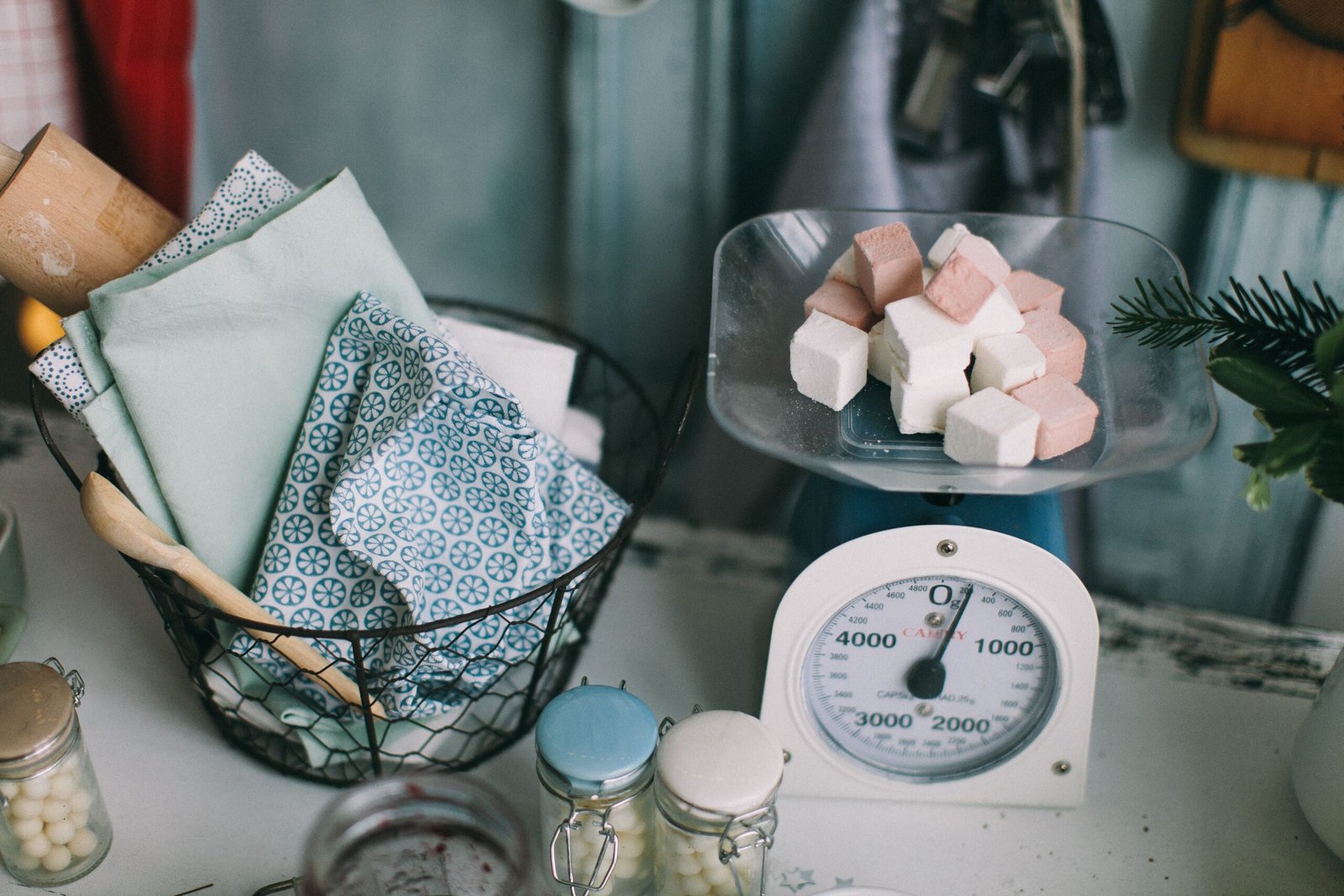
A kitchen scale is the single most useful tool here, and it works best when it lives right next to the stove instead of in a drawer. If you have to dig for it, you won’t use it.
The bigger question is when to weigh. Food changes weight as it cooks. Chicken breast loses water and shrinks, while rice and pasta soak up water and get heavier. The USDA Table of Cooking Yields for Meat and Poultry exists for exactly this reason: weight shifts through moisture loss, water absorption, and fat dripping off during cooking.
So 100 grams of raw rice and 100 grams of cooked rice are very different amounts of food. Here’s the simple rule that saves a lot of confusion:
- Weigh ingredients raw whenever you can, because most database entries for “raw” foods are more consistent.
- If you log a cooked weight, pick the entry that says “cooked” and matches your cooking method.
- Whatever you choose, do it the same way every time.
Consistency matters more than perfection. A habit you repeat beats a perfect method you abandon after a week.
Save Family Recipes Once, Then Log Portions
If you cook the same dishes over and over (and most of us do), stop logging them ingredient by ingredient. Enter the recipe once, with every ingredient and its amount, and save it in your app. Next time, you just log a portion of “Mom’s Lentil Soup” and move on with your evening.
Food and health apps have become a normal part of how a lot of people handle nutrition, and recipe builders are one of the features that make them practical for home cooks. It takes real planning to make a tool like this work when you’re standing at the counter with messy hands; if you’re curious about that side of things, a page on mHealth app development services Glorium Technologies gives a sense of what goes into building one. For your purposes, the takeaway is simpler: let the app do the math so you don’t have to.
When you save a recipe, add one extra detail: the total cooked weight of the finished dish. Put your empty pot on the scale before you start, write that number on a sticky note, and weigh the full pot at the end. Subtract the pot, and you know exactly how much food the recipe made.
Batch Cook, Divide the Pot, Label the Containers
Batch cooking and tracking are a natural pair. You do the logging work once, then reap the benefits all week. Here’s a routine that works for soups, stews, casseroles, and grain bowls:
- Weigh the finished dish using the empty-pot trick from the section above.
- Decide how many portions you want, say six lunches.
- Divide the total weight by six and portion each container to that number on the scale.
- Label each container with the dish name, the date, and “1 of 6 servings.”
- Save the recipe in your app with six servings, so logging lunch takes one tap.
Masking tape and a marker are all you need for labels. The label also helps everyone else in the house, since nobody has to guess which container is Tuesday’s dinner and which is leftover pasta from last week.
Don’t Skip the Oil, Butter, and Sauces
This is the habit that changes your numbers the most. Cooking fats and sauces are easy to forget because they disappear into the food. You don’t see the oil once the vegetables are roasted, but it’s there.
USDA nutrient data puts one tablespoon of olive oil at about 119 calories. If you free-pour oil into a hot pan, you can easily use two or three tablespoons without noticing. Butter, mayo, salad dressing, peanut butter, and creamy sauces work the same way.
A few easy fixes:
- Measure oil with a spoon instead of pouring from the bottle.
- Keep a measuring spoon set in the same spot as your oils.
- For dressing, weigh the bottle before and after you pour, and log the difference.
- Add sauces and toppings to your saved recipe so they never get left out.
You don’t need to cut back on fat to do this. The goal is just to record what you actually used.
Scan the Staples and Build a “Usual Meals” List
Not everything needs a scale. Packaged staples like yogurt, bread, canned beans, tortillas, and cereal all have barcodes, and most tracking apps can read them with your phone camera. Scanning beats searching a database where five different entries for the same food all show different numbers.
Then think about your real week. Most people rotate through a small set of breakfasts and lunches. Save those as “usual meals” or favorites in your app:
- Your standard breakfast, like oatmeal with banana and peanut butter
- A go-to lunch, like a turkey sandwich with an apple
- Your regular snacks and coffee order
Pair this with a weekly meal plan and a grocery list. When you plan five dinners on Sunday, you can save those recipes ahead of time and shop for exactly what they need. By Wednesday night, logging dinner is a single tap instead of a puzzle.
Keep the Joy in Cooking
Tracking is a tool, not a test you pass or fail. Research does suggest it can help people who want to change their habits. A review of 22 studies on self-monitoring and weight loss published in the Journal of the American Dietetic Association found a consistent link between tracking and results, though the authors rated the overall evidence as weak because of limits in how the studies were run.
That’s a useful reminder to hold it loosely. Some practical ways to keep tracking from taking over:
- Log after the meal, not during it, so dinner stays about the people at the table.
- Take days off on holidays and special occasions.
- Taste, experiment, and try new recipes. You can always save them later.
Tracking also isn’t right for everyone. If you have a history of disordered eating, or you notice that logging makes you anxious about food, it’s worth talking to a doctor or a registered dietitian before you start. Your relationship with food matters more than any number on a screen.
Final Thoughts
Logging home cooking gets easy once your kitchen is set up for it. Keep the scale by the stove, weigh food raw and stay consistent, and measure every spoonful of oil. Save your family recipes once with the finished pot weight, then batch cook and label portions so most of your logging is done before the week starts.
If you only change one thing this week, put your kitchen scale next to the stove tonight. Everything else gets easier from there.