Home Blog Page 33

The Luxury of Dining In: The Rise in Demand for Private Chefs in Home Dining Experiences

0

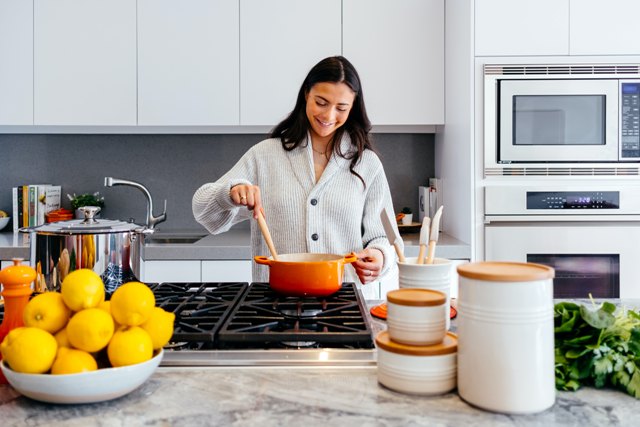
In recent years, there’s been a substantial change in how we think about home cooking and dining at home as a whole. While restaurants have long been the go-to choice for special occasions and everyday dining, many of us are now looking for a more upscale and personalized experience in our homes. And it’s this new trend that has given rise to the demand for private chefs. These culinary artists are quietly redefining the very concept of luxury fine dining at home. 

In this article, we teamed up with experts from job aggregator Jooble to take a closer look at the reasons behind the surge in popularity of private chefs, which has led to the rise of those in search of private chef jobs, and the unique benefits they bring to unforgettable home dining experiences.

How Times Have Changed

In the 21st century, we go about most of our household activities very differently compared with how our grandparents did things in the past. In the old days, “typical” families generally consisted of working dads and stay-at-home moms. Dad brought home the bacon while Mom cooked the bacon. Mom did all the cooking, and coveted homegrown recipes were passed down from generation to generation, closely guarded like state secrets.

Who can forget those wonderful Sunday lunches at Grandma’s? The succulent roasts and home-cooked veggies – often freshly harvested from the family backyard veggie patch. And the larder was usually brimming with a mouthwatering array of home-back goodies. 

In those (dare I say, good) old days, sitting down to a home-cooked meal was one of family life’s more gratifying and reassuring daily rituals. A time to interact and catch up on the day’s events. Immensely satisfying Family Time.

But these days, who has the time – or even the inclination – to prepare an elaborate homecooked meal? Especially for special occasions. Heads of the modern family are now burdened with juggling busy careers, household chores – and demanding kids. Which leaves little time for wholesome home cooking. Let alone luxury home cuisine.

These days, it’s all about speed, ease, and convenience. Takeout, ready heat-and-eat meals, home food deliveries, and pre-prepared meal kits. Let’s face it, how we now approach food and cooking is a world apart from the “old days .” The emphasis now is on convenience – and an increasing desire for high-quality meals without the need to dine out. Spending hours slaving over a hot stove ourselves is so yesterday.

Enter the private chef.

What… Hire a Private Chef?

You may be thinking you could only afford your very own personal chef to pander to your every culinary whim after you’ve won a great deal of money in the lottery (it’s been a secret fantasy of mine forever: win the lottery, buy a villa on Lake Como, a color-coordinated Lamborghini to go with it (obviously), and hire a private full-time chef). In that order. But you’re mistaken. Private chefs are now within the grasp of us mere mortals. No, really.

What are private chefs exactly? They are skilled culinary professionals, including chef jobs abroad, who hire out their services freelance. These highly skilled individuals (think Gordon Ramsay) specialize in creating bespoke dining experiences tailored to their clients’ preferences. Sounds like a dream come true? You better believe it. And their offerings extend beyond just the menu. When you hire the services of a private chef they organize the whole dining experience from start to finish, striving to create a deliciously unforgettable experience. 

They take care of the entire ambiance – from table settings to music and lighting- and organize every meal aspect. From shopping for ingredients to cooking and cleaning up afterward (is this for real?). You bet it is! 

This gives you, the client, the opportunity to host memorable dinner parties, celebrations, and even romantic dinners for two – in the privacy and intimacy of your own home. A fine dining experience with all the bells and whistles, without having to switch on a stove or trundle your way to your local restaurant.

The private chef works with you to create a customized menu that caters to the occasion and your preferences. And they come from diverse culinary backgrounds, so you can explore a wide range of cuisines. From Italian and Japanese to fusion and experimental dishes – the possibilities are endless.

Private Chef

The Birth of the Private Chef

How did this all come about, you may be wondering. Blame it on the pandemic. During COVID-19, when we were all prisoners in our own homes and some of us were fretting about how to lay our hands on a fresh supply of toilet rolls (scarcer than hens’ teeth), others of us of a more noble persuasion were worrying about being deprived of having a nice dinner at our favorite local bistro. However, in a crisis, we can always rely on the human race to come up with a Plan B. 

Can’t go out to a restaurant? No problem, we’ll bring the restaurant to us! Thus, the freelance private chef was born. A perfect solution. This was also an excellent result for the plethora of chefs who suddenly found themselves unemployed – or underemployed – due to restaurant closures during lockdown. 

Can You Afford To Hire A Private Chef?

Okay, so you’re probably thinking that only the very rich can afford this luxurious and exclusive way of fine dining at home. Think again. 

Private chefs are not limited to the ultra-wealthy. Many of them offer a wide range of services to suit different occasions and budgets, making them far more accessible to a broader audience. 

So hang onto your table napkins because, in future, we can expect to see more innovation among these culinary professionals in the realm of luxurious and bespoke home dining experiences. 

Final thoughts

As a human race, we are constantly evolving. That’s a given. Sadly, as collateral damage, the classic daily wholesome home-cooked meal has been edged off the table in favor of the convenience of pre-prepared instant meals. And yet, it’s great to see that we haven’t forgotten the art of luxury fine dining at home. 

Oh, wait! In years gone by, we did not actually have the opportunity to enjoy luxurious gourmet meals served by professional chefs on our very own dining room tables, titillating our tastebuds with unique, personalized, and exquisite fine dining fare. 

A customized menu, perfectly orchestrated ambiance, an immaculately set table – it’s all included in the package. Who could possibly ask for more?
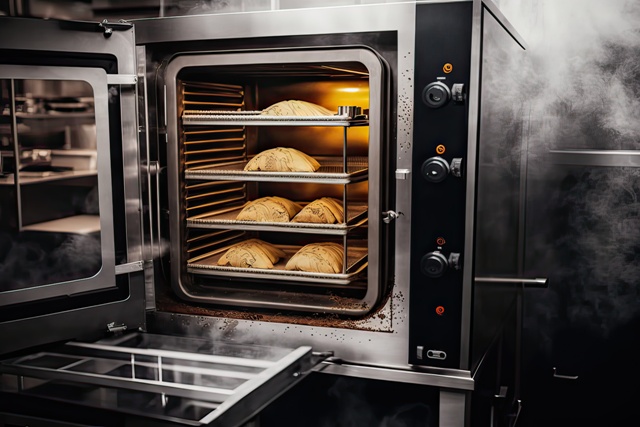

 

Small Kitchen, Big Flavor: Benchtop Convection Oven Hacks

0

The kitchen has always been the heart of the home. But what if that heart is a bit smaller than usual? Thanks to modern technology, small kitchens can still deliver a big flavor. One of the prime examples is the benchtop convection oven. 


This underdog doesn’t just make do – it dazzles. Picture it: big flavors, minimal space, and no compromise on quality. 

With a benchtop convection oven, you don’t need a sprawling kitchen or a fancy range to whip up mouthwatering meals. All you need are the right tools and a few insider tips to turn that compact space into a flavor-packed paradise. Ready to discover how? Dive in. 

For those looking to invest in one, order convection ovens from reputable brands to ensure quality and longevity.

Know Your Oven’s Features

Start by exploring those nifty features of your benchtop convection oven. This isn’t just about flipping a switch and hoping for the best. Understanding what your range brings to the table can change your cooking game entirely

Here are the basic features of a benchtop convection oven:

  • Pre-Set Cooking Modes: Many ranges come with these built-in helpers. Dive into your manual and get acquainted with these. They’re like having a chef whispering in your ear, ‘Try this setting!’
  • Temperature Ranges: Every oven is unique. Some might heat up faster or have higher maximum temperatures. Play around and see how your oven responds. Knowing its temperature quirks will save you from any unexpected meal mishaps.
  • Timers And Alerts: Don’t rely on guesswork. Use the built-in timers and alerts. They’ll give you a heads up when your food is just right, helping you avoid the dreaded burn or undercook.

Your oven is more than a box that heats up. It’s a tool with features designed to make your culinary adventures a success. Spend some time, get to know it, and let it work its magic in your kitchen. After all, a chef is only as good as their tools. 

Rearrange Your Oven 

Everyone’s probably been there—pulling out a dish only to find one side perfectly cooked and the other not so much. In a benchtop convection oven, the size makes every inch crucial. Here’s the deal on how to ensure an evenly cooked meal every time:

  • Start At The Right Spot: When placing your dish in the oven, don’t just shove it anywhere. Aim for the center. It’s the sweet spot where heat circulates best.
  • Rotate Midway: Got a baking tray full of cookies or a juicy roast? Give it a spin halfway through the cooking time. Think of it as giving each side its time in the spotlight.
  • Shift Levels: Some ovens have multiple rack heights. Try moving it up or down a level if you’re cooking more than one dish or if one side is browning too fast. 

Your benchtop convection oven is mighty, but giving it a helping hand ensures you get the delicious results you aim for.

Utilize The Convection Feature

So, you’ve got this fancy convection feature on your benchtop oven. It’s not just there to sound high-tech. That feature can change the game for your cooking. Here’s why and how you should make the most of it:

  • Even Cooking: The convection setting is all about the fan. This little powerhouse circulates hot air throughout the oven. No more burnt edges with a still-frozen center, cooking your dishes more evenly and consistently.
  • Faster Cooking Times: Time’s ticking, and you’re hungry. Good news! With the convection setting, dishes often cook faster. So, next time you’re in a rush, this feature can be your secret weapon to get dinner on the table quicker.
  • Perfect For Certain Foods: Some dishes just turn out better with convection. Think crispy-skinned roast chicken, flaky pastries, or those cookies you’ve been craving. The circulating air gives these foods the perfect texture.

But here’s a heads up. Because it cooks faster, you’ll want to keep an eye on your dish the first few times you use the convection setting. Maybe set the timer a few minutes less than the recipe suggests, just to play it safe.

Keep It Clean

A clean oven isn’t just a pretty sight; it’s essential for top-notch performance. The residue from cooking can affect temperature consistency and impart unwanted flavors to your dishes. Here’s how to keep things spick and span:

  • Daily Wipe-Downs: After using your oven, wait for it to cool down. Wipe the interior with a damp cloth to catch any spills or splatters.
  • Weekly Deep-Cleans: Set aside time each week for a more thorough cleaning. Avoid harsh chemicals, as they might leave residues that can affect the taste of your food.
  • Empty The Crumb Tray: If your oven has a crumb tray, make it a habit to empty it regularly. This reduces the risk of smoke or even minor fires.

Remember, a tidy oven isn’t just about appearances. It’s a crucial step to ensure every dish you whip up is cooked to perfection. You’ve got the power to make your kitchen shine, both in cleanliness and culinary delights!

The Takeaway

Benchtop convection ovens might be small, but they pack a punch in flavor delivery. So, embrace that compact cooking wonder, and let it surprise you with its capabilities. Whether you’re whipping up a quick dinner or experimenting with a new recipe, remember these hacks and let your little kitchen leave a big impression.

Do’s And Don’ts To Keep Your Kitchen Functional

0

Are you constantly dealing with issues that make your kitchen non-functional? Perhaps it’s time to rethink how you use your cooking space. It can be a hassle if you always have to fix broken or faulty appliances, deal with clutter and storage issues, or if you always have to unclog your kitchen sink, among other things. Moreover, it makes meal prep and cooking more stressful and a lot less fun.

Considering that most of us use our kitchens several times a day, with the average homeowner spending an average of 67 minutes per day in it, it’s only right to be mindful whenever we use this area. Since the kitchen is the heart of the home and its where a lot of family activities take place, ensuring that the kitchen is clean and in good working order should be one of your top priorities. Find out the do’s and don’ts to maintain a functional kitchen. Considering adding an outdoor refrigerator to your outdoor kitchen? Explore options available at RTA Outdoor Living for an enhanced outdoor cooking experience.

Do Discard Cooking Oil the Right Way

Reusing cooking oil is great way to save money and avoid waste. In fact, experts say that you can reuse oil three to four times to cook breaded and battered foods, such as fried chicken. After the fourth time though, remember to discard your cooking oil since using it again can result in rancid-tasting food. However, don’t flush cooking oil down the toilet. Oil solidifies as it makes its way through the sewer system, resulting in huge clumps of fat called fatbergs. Not only is it labor intensive to get rid of these, but fatbergs can also cause harm to the environment.

It’s the same reason why you should never pour old cooking oil down your kitchen sink. This can cause clogging, and you also risk damaging your garbage disposal system. To dispose of cooking oil, wait for it to cool down, then pour it into a container, like an old oil bottle, then place it in a cool place to solidify. Once you have a few containers of old oil, take them to a community oil recycling facility near you. If there are no recycling options, you can place the bottles in the garbage can, but make sure that they’re tightly sealed to avoid leaks.

Don’t Scrimp on Your Appliances

Everybody loves a good deal, especially when it comes to appliances. But buying a refrigerator, oven range, or coffee maker from a brand with a less than stellar reputation can cost you money in the long run. These appliances may prove to be unreliable, or they may break down after a few uses. If you’re constantly trying to fix your appliances, it may be time to trade them in for quality models.

According to Sears Home Services experts Adrienne Berrain-Normann and Travis Robertson, common kitchen appliances like a dishwasher has an average lifespan of 10 to 13 years, while an oven range has a lifespan of 10 to 15 years. Meanwhile, a good refrigerator should be able to keep food perfectly cold for about 10 years. If you want your appliances to hit these marks, only get them from trusted brands, and read the user manuals since these contain a lot of tips on how to prolong the life of your kitchen gadgets.

Do Get Organized

If your kitchen drawers are always crammed with random items, or if you can’t seem to find a certain cooking utensil when you need it, then it may be the perfect time to start organizing your kitchen. Having a well organized kitchen, where everything has its proper place, is a great way to make your space more functional. When organizing, plan it in such a way that frequently used items like pots and pans, condiments, utensils, knives, chopping boards, and dish cloths are always within reach.

Meanwhile, small appliances and kitchen gadgets that are rarely used should be neatly hidden away in a designated drawer or cabinet. Keep paper towels, rags, and a spray bottle filled with kitchen cleaner fluid in a handy place to clean up spills and spatters immediately. Also, get rid of any unnecessary furniture or decoration in your kitchen. Having too many of these can make your kitchen feel small and cluttered, and they could get in the way while you’re moving around.

Your kitchen is one of the most frequently used areas in your home. Try these tips to make your kitchen more functional so you can have an easier and more enjoyable time making meals for your loved ones.

Elevate Your Culinary Delights by Choosing the Right Spice Supplier

0

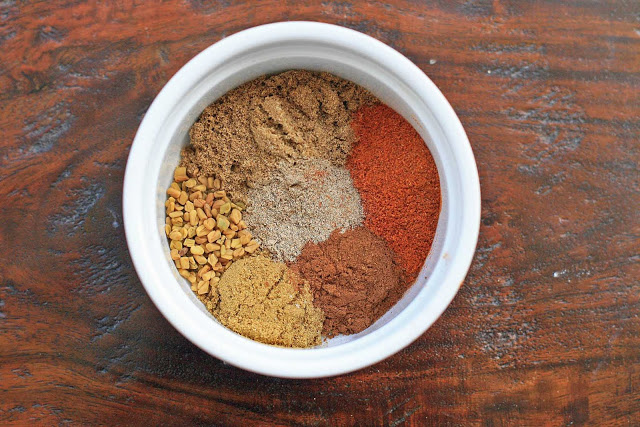
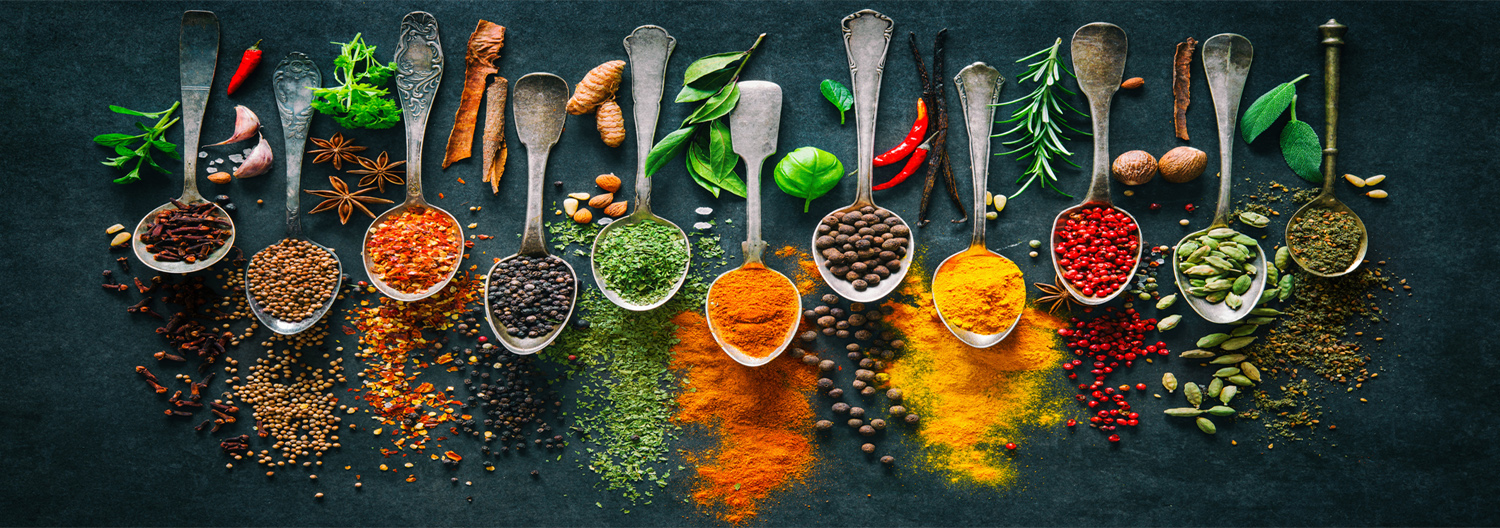
Spices are the secret ingredients that transform ordinary dishes into extraordinary culinary delights. These tiny, aromatic powerhouses have been prized for centuries for their ability to infuse flavor, aroma, and depth into our meals. From the warmth of cinnamon in a comforting dessert to the fiery kick of chili peppers in a spicy curry, the world of spices is as diverse as it is essential in our kitchens. However, the key to achieving exceptional flavors in your cooking lies in the selection of spices and choosing the right spice supplier.

Herbs and spices for cooking

The Essence of Quality Spices

Flavor Enhancement:

Quality spices are the backbone of any memorable dish. They can remarkably elevate the flavors of even the simplest ingredients. Whether you’re preparing a classic Italian pasta sauce or experimenting with Indian flavors, using fresh, high-quality spices can make a world of difference in the taste of your creations. Inferior spices can be stale, tasteless, or even rotten, detracting from the overall quality of your dishes.

Aroma and Sensory Pleasure:

The allure of a well-spiced dish isn’t just about taste; it’s also about the aromatic experience. The scent of freshly ground spices can awaken the senses and set the stage for a memorable meal. Quality spices emit vibrant and intoxicating fragrances that draw you into the world of gastronomy, enhancing the overall dining experience.

Health Benefits:

Spices are not just culinary indulgences but also offer various health benefits. Many spices are rich in antioxidants, vitamins, and minerals. For instance, turmeric contains curcumin, a powerful anti-inflammatory compound, while cinnamon may help regulate blood sugar levels. To reap these health benefits, it’s essential to use spices that have retained their potency, which is often compromised in low-quality options.

The Significance of Choosing the Right Spice Supplier

Purity and Authenticity:

One of the most compelling reasons to choose the right spice supplier is the assurance of purity and authenticity. Authenticity is paramount when it comes to spices, as counterfeit or adulterated products can compromise the taste and safety of your dishes. Reputable spice suppliers ensure that their products are sourced from trusted growers, free from contaminants, and unadulterated.

Freshness:

Freshness is the lifeblood of spices. As coffee aficionados seek out freshly roasted beans for the best brew, chefs and home cooks should prioritize newly ground spices. Quality spice suppliers understand the importance of preserving the freshness of their products. They often grind spices in small batches to maintain maximum flavor and aroma, ensuring you get the most out of each herb.

Traceability and Transparency:

Reliable spice suppliers offer traceability and transparency in their sourcing and production processes. They can provide information about the origins of the spices, cultivation methods, and any certifications such as organic or fair trade. This transparency helps you make informed choices and promotes ethical and sustainable practices in the spice industry.

Variety and Selection:

A reputable spice supplier will offer various familiar and foreign spices. This diversity allows you to explore different cuisines and experiment with flavors in your cooking. Whether you’re seeking the elusive saffron threads for a Persian dish or the smoky complexity of chipotle peppers for a Mexican-inspired feast, the right spice supplier will have you covered.

Value for Money:

While quality spices may come at a slightly higher price point than their mass-produced counterparts, they ultimately offer better value for money. You’ll use less high-quality spice to achieve the same flavor impact, and the enhanced taste and aroma will justify the investment in your culinary creations.

Responsiveness to Customer Needs:

A trustworthy spice supplier is responsive to customer needs and feedback. They are often more than just a transactional entity; they are passionate about their products and willing to provide guidance, suggestions, and recipes to enhance your culinary journey. This personalized approach fosters a sense of trust and loyalty between the supplier and the customer.

Packaging and Storage:

Quality spice suppliers pay attention to the quality of their products and their packaging and storage methods. Properly sealed, airtight containers protect spices from light, air, and moisture, ensuring they remain fresh and flavorful for an extended period. This commitment to preserving the integrity of the herbs demonstrates the supplier’s dedication to delivering a top-tier product.

In the world of culinary arts, spices are the key to unlocking a universe of flavors and sensations. Their role in enhancing taste, aroma, and health benefits cannot be understated. However, achieving culinary excellence requires more than just choosing the right spices; it also involves selecting a reputable supplier.

Quality spices are the cornerstones of memorable and delectable dishes. They infuse your meals with depth, complexity, and character, making your culinary creations exceptional. When you choose a reliable spice supplier, you’re ensuring the authenticity and freshness of your spices and supporting ethical and sustainable practices in the spice industry. What are you waiting for?

Why Is There No Harm in Leveraging the Premix Batter Trend? A Look at Forecasts

0

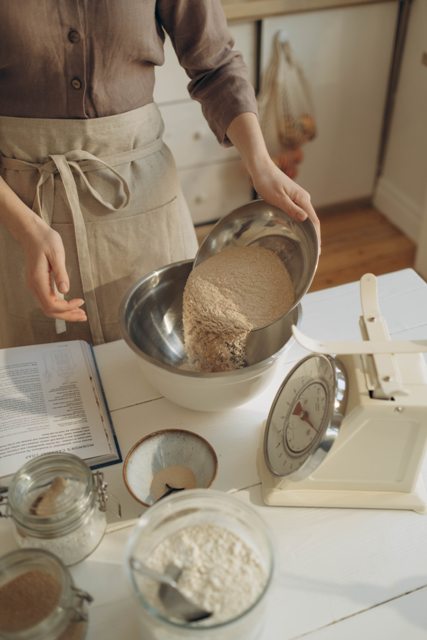
The booming market trends for batter premixes make you wonder if you should also join other food business companies benefitting from them. If you trust the reports, this segment will soon accrue billions of dollars due to continuously rising demands across the food industry. The main growth drivers are urbanization, industrialization, and population increase.

Overview of Premixed Food Batter 

It is a staple in the food industry. Everyone wants to simplify food preparation systems by opting for processed items. The ready-to-use mixes simplify and streamline your production processes, boosting efficiency and lowering labor expenses. Consumers also show interest in these readymade items because of their ability to enhance anyone’s culinary vision cost-efficiently. If you are a food manufacturing company, you can search for batter suppliers to launch innovative products with excellent flavors and consistent quality. You can even benefit if you are a quick-service restaurant. After all, you cannot compromise taste, no matter how quickly your recipe should be ready. And the good thing is reputable suppliers use advanced packaging methods to ensure longer shelf life for their preparations.

Customization Request for Premixed Food Batter

As a customer, you can demand precise customization of your order based on ongoing preferences and needs. Suppose your target audience is fitness freaks. In that case, you may want the batter manufacturer to ensure the premixes meet their dietary or workout plans. As mentioned, you can get these packed in unique packaging to represent your brand or product. So, exploring premade batters can be worth your attention if you specialize in meat & poultry products, seafood, and others. Many fried chicken companies already use these services to offer their food lovers consistently tasteful experiences. Are you a restaurant or a catering service? Let’s see what products you can add to your menu because of the availability of batter premixes.

Menu Options Using Premix Batters

Depending on the food chain or restaurant’s theme, you can offer your customers a rich gastronomic experience using famous recipes worldwide. And these will be convenient to prepare because of the premixed battering. Suppose you wish to serve your customers a unique street food from other parts of the world. What can it be? Turkish dishes like Midye tava can be a great pick. It can be a snack or appetizer. This specific preparation includes fried, crispy mussels on sticks. You dip mussels in the batter before deep frying them in a massive vessel. Once ready, you can serve them hot with tarator sauce and a dash of salt. Another option you can add is a corn dog.

The corn dog recipe uses processed meat wrapped on a stick to be immersed in cornmeal batter for deep-frying. It is a hot favorite dish in America, typically found in roadside eateries, carnivals, county fairs, food courts, and sports arenas. Some believe this specific dish gained popularity because Neil Fletcher introduced it at the 1942 Texas State Fair.

However, other groups of people credit the Minnesota State Fair’s vendors for this. They opine it earned recognition in 1941 as a Pronto Pup. No matter the history, this popular dish is easy to make with premix batters. Since most people admire its taste, you can quickly increase your food outlet’s popularity with them. Remember to provide pickles, mayonnaise, yellow mustard, or other suitable dips when serving.

Do you need more recipe ideas with premixed batters? How about the famous Dutch preparation like kibbeling? The street food contains small fish pieces wrapped in batter and deep-fried. The dish goes well with ravigote, remoulade, or garlic sauce. Generally, people in the Netherlands consume it as a snack. However, one can also eat it for dinner with fresh salad, French fries, and a dip. You can also try Spanish fritters like Croquetas de bacalao. It is made with salt cod and mashed potatoes. Or, you can use béchamel. The dough should be appropriately seasoned before getting the desired shape. It would be best if you also had breadcrumbs for coating. Deep fry them until golden. This tapas dish is a winner in Spain; you can give this taste to your customers in North America.

Like fashion, food choices also evolve with time. That’s why food industry players must always be on their toes. If you want to serve the best food to your people, choosing convenient, readymade food options can be ideal. It eliminates many labor, equipment, process streamlining costs, etc.

Hence, find a trusted supplier in your city specializing in custom battering and breading systems. Let them know your requirements so they can deliver the right solution at the earliest. Before collaborating with anyone, run a background check on their market reputation. It will reveal the quality of products and services they provide. Also, figure out what they charge to manage your budget accordingly. With proper planning, you can easily succeed in your food business.

Smart Hacks To Keep Your Kitchen Clean And Hygienic

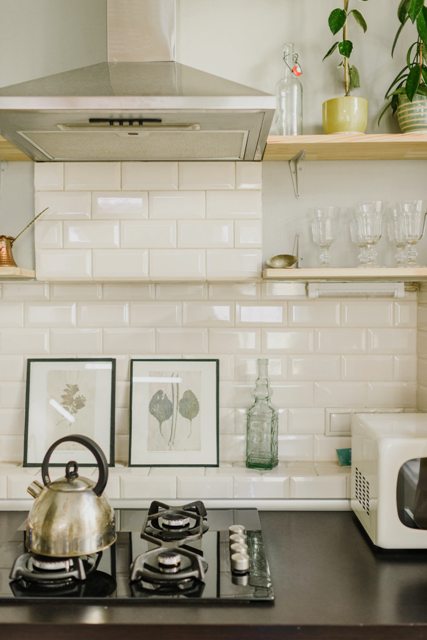
The kitchen is one of the most important areas in a home, and keeping it clean is a must for the sake of everyone’s health. While most people would do a thorough wipedown of countertops and other surfaces after cooking or eating meals, there are some parts of the kitchen that are neglected for weeks or even months at a time. According to research, nearly 47% of people don’t remember the last time they cleaned their oven. Meanwhile, 41% can’t remember the last time they cleaned their refrigerator. Build-up of dust, grease, and food spills in appliances and surfaces can result in having a sticky, grimy, and unsanitary cooking space. In some cases, it may even lead to food contamination and illness. 

Clean Kitchen

Having an easy-to-clean kitchen design can make the cleaning process less of a burden. But there are some things that you can do to ensure that every part of your kitchen stays clean and hygienic for a long time. Here are some smart hacks to keep your kitchen perpetually clean.

Spot Clean as Soon as Possible

It’s easy to overlook tiny spills in the kitchen, especially when you’re busy or in a rush to get dinner on the table. But the longer you wait to clean them up, the harder it is to get rid of them. Any ingredient or food that contains sugar, for instance, will start to get sticky after an hour or so. Meanwhile, dark liquids like soy sauce or oyster sauce can leave stains on backsplashes and grout. To keep your kitchen clean, make sure to wipe spills immediately by spot cleaning with a damp cloth. If the stain is still there, try adding a bit of dishwashing liquid or baking soda on the cloth, then rub it over the stain. 

The same should be done to keep the inside of your refrigerator clean. Not only is a sticky, smelly fridge a pain to deal with, but it can become a danger to your health if mold starts to grow on spills and certain foods. Although mold usually grows in hot and humid environments, such as a bathroom, it can also thrive in cold temperatures. According to the US Department of Agriculture, mold can tolerate salt and sugar better than other microorganisms, so it’s best to keep your fridge clean by diligently wiping spills as soon as possible. and using refrigerator liners to serve as a barrier between food and the fridge itself. 

Protect Surfaces from Oil Splatter

If you use your kitchen everyday, chances are there’s a greasy or sticky film on some areas that never seem to go away, no matter how often you wipe them down. These areas include the backsplash, countertops, and the stove top, which usually get covered in debris, food bits, and grease splatters. To minimize the grease on the stove top and countertops, use your range hood while cooking since it helps to remove grease, odors, and smoke from the air as you cook. It also removes excess steam and heat, so it’s a great way to keep your kitchen well-ventilated. 

Another way to prevent oil splatter is by using a large pan with tall sides whenever you’re frying, deep frying, or stir-frying food. Doing so gives your food adequate space to cook and will keep your stove top grease free. You may also want to dry your ingredients thoroughly before putting them in hot oil, or use a splatter screen to protect yourself and surfaces from hot oil splatter. 

Meanwhile, to keep your backsplash clean and oil-free, consider using kitchen wall protectors or kitchen stickers. These are self-adhesive and are available in transparent variants, so you can keep your beautiful backsplash and no one will notice the protective covering on it. To clean, simply wipe it with a soft cloth spritzed with all-purpose cleaner, then wipe it again with a damp cloth. Once it gets too dirty, simply peel the kitchen stickers off and replace with new ones. For added protection against oil splatter, use a splatter guard while cooking. Place it on the stove behind the pan while you’re cooking, and this will protect the backsplash, as well as anything that’s on the side of the pan.

Have a Place for Everything

Your kitchen can get messy pretty quickly if you don’t have a place for everything. So, start by organizing your kitchen items. Keep condiments and often-used ingredients in a basket or in a deep storage tray, and have it within reach while you’re cooking. Also, try not to put your cooking utensils on the counter while you’re cooking. Instead, place a small, shallow tray or a plate beside the stove and use that as a utensil rest. Even vegetable and fruit peels should have a place in the kitchen. Don’t just drop everything into the sink. Instead, take an old bowl and peel fresh produce over it for easy cleanup, then dispose the contents of the bowl at the end of the day.   

You should also have a separate bin for empty plastic bottles and containers. Wash them properly before putting them away, but don’t keep them in your kitchen for a long time. Instead, take them to a recycling center at the end of the month, and do the same in the following months to avoid clutter in your cooking space. Meanwhile, to keep reusable water bottles contained, get a magazine rack, then fill it with the water bottles and place it inside a cabinet or on the counter. 

Food storage containers should also be properly organized since these cause the most chaos in kitchen cabinets and drawers. Without a storage plan, you end up having missing lids and containers falling out of your cabinets. To prevent this from happening, get an undershelf basket, then fill it with the containers and lids and keep the whole thing inside an easily accessible cabinet. You can also get dividers to create size-appropriate compartments in a deep drawer, then fill the compartments with containers and lids.  

Clean the Kitchen Floor the Right Way

It’s normal to have crumbs, dust, and bits of food on the kitchen floor at the end of the day. But don’t use a broom to get rid of them. For a better way to clean, use a vacuum instead. It gets rid of food bits and dust particles in an instant. Plus, it’s less labor intensive and it’s better at reaching dirt in cracks and corners. To keep your kitchen spic and span, vacuum once after lunch, and do another round of vacuuming after dinner time. 

Keeping a kitchen clean is the best way to preserve its aesthetic and ensure the health of your family. Try these tips to preserve the cleanliness and hygiene of your cooking space, and don’t forget to deep clean once every two months for best results.

Filet Mignon Wrapped in Bacon

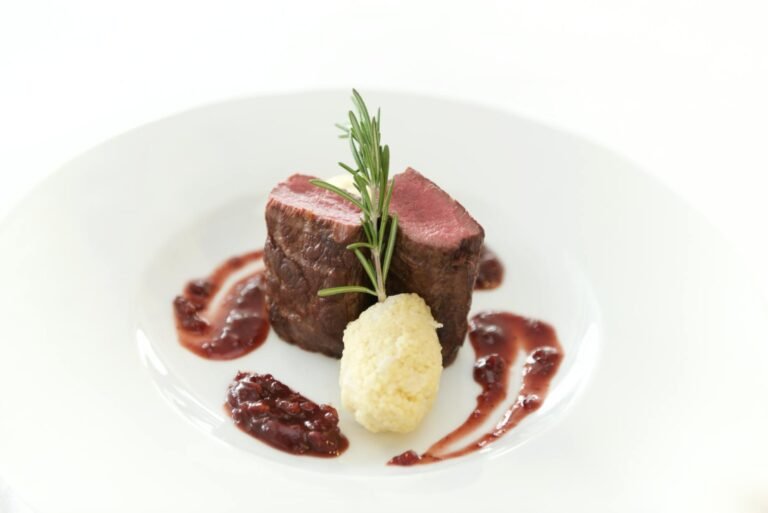
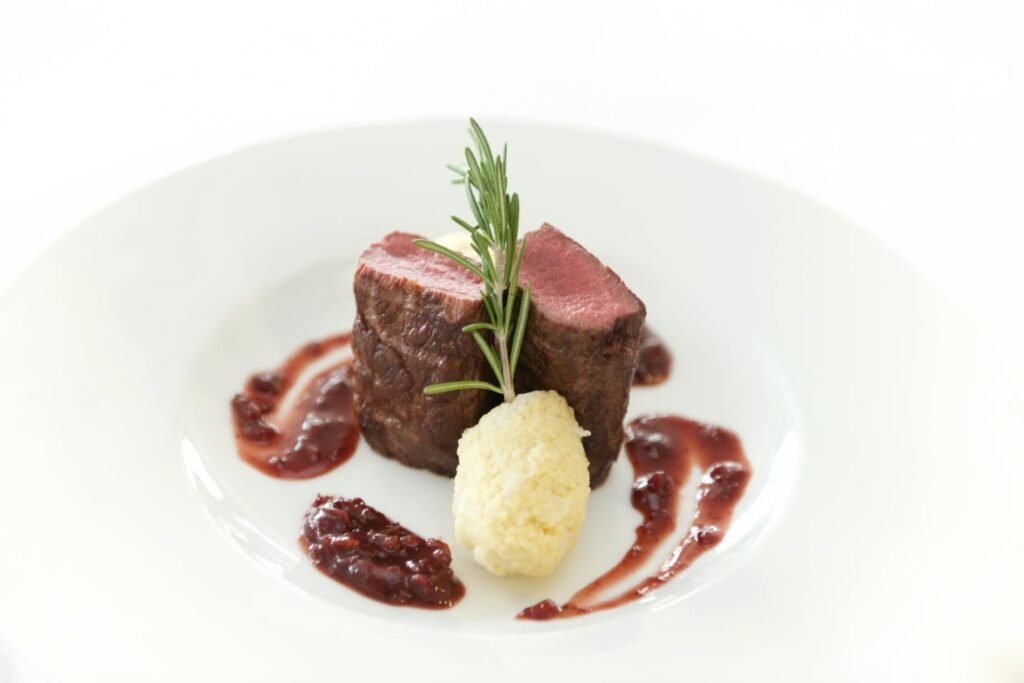
Suppose you’re in the mood for a delicious, indulgent meal that will impress your guests, look no further than filet mignon wrapped in bacon! This dish is outrageously juicy and flavorful, combining tender beef and smoky bacon that will bring joy to any dinner table. And the best part? It doesn’t require much effort on your behalf – with just a few simple steps, you can make this delectable dish right at home! Keep reading for our top tips on how to make mouth-watering filet mignon wrapped in bacon.filet mignon wrapped in bacon

What is Filet Mignon Wrapped in Bacon?

Filet mignon wrapped in bacon is an indulgent and delicious dish with tender beef and smoky bacon cuts. The steak is cut into thick medallions, then each medallion is wrapped in a strip of bacon. This creates a juicy, flavorful combination that pairs perfectly with any side dish or sauce. The filet mignon used for this dish should be high-quality, as it’s the dish’s star and will be the main source of flavor. Look for marbling pieces throughout to ensure optimal juiciness and flavor once cooked.

Benefits of Making it at Home

  • Save money by making the dish at home instead of eating out.
  • Enjoy a delicious, indulgent meal without spending too much time in the kitchen.
  • Impress your guests with an impressive and mouthwatering dish.
  • Feel proud of yourself for creating such a flavorful meal from scratch.

Ingredients Needed

– 2 filet mignon steaks, cut into 1-inch medallions

– 8 thick slices of bacon

– Salt and pepper, to taste

– Optional: 2 tablespoons of olive oil for searing

You will need high-quality filet mignons steaks for the best results. Look for steaks with plenty of marbling throughout, as this will help ensure optimal juiciness and flavor when cooked. The bacon should be thick cut so that it wraps securely around each medallion. Once you’ve gathered all the necessary ingredients, season both sides of the filet mignon medallions with salt and pepper. If desired, you can also heat a tablespoon of olive oil in a skillet over medium heat before adding the steak – this will give the dish an additional flavor boost.

Step-by-Step Instructions

Step 1: Prepping the filet mignon before you wrap the filet mignon medallions in bacon, it’s important to prepare them properly. Start by seasoning both sides of the steaks with salt and pepper, as this will help to enhance their flavor. If desired, you can also heat a tablespoon of olive oil in a skillet over medium heat before adding the steak – this will give the dish an additional flavor boost. Use tongs or a spatula to place each medallion into the hot skillet and let them cook for 3-4 minutes on each side or until they reach your desired doneness. Once cooked, set aside and allow to cool before wrapping in bacon.

Step 2: Wrapping the filet mignon once prepped, wrapping the mignon medallions in bacon is simple. Start by laying out eight thick slices of bacon on a work surface or cutting board. Place one steak medallion at the center of each slice and roll up tightly, making sure not to rip or tear any slices. If needed, secure each wrapped steak with toothpicks and transfer them onto a baking sheet lined with parchment paper for easy cleanup.

Step 3: Cooking the filet mignon wrapped in bacon now that your filet mignons are ready to go, it’s time to cook! Preheat your oven to 375°F (190°C). Place your baking sheet with wrapped steaks onto the middle rack of your oven and bake for 20 minutes or until golden brown and crispy on top. Once cooked through, carefully remove from oven using an oven mitt and serve while still warm. Enjoy!

Earl Grey Tea: Its History, Benefits, and Recipe

The world of tea offers a diverse array of flavors and aromas that captivate enthusiasts worldwide. Among these captivating brews is the distinguished Earl Grey tea.

Tea

Renowned for its unique and enchanting blend of black tea infused with bergamot oil, Earl Grey has earned a place in the hearts of tea aficionados across the globe.

In this article, we will delve into the history, preparation, and health benefits of this esteemed tea.

A Glimpse into Earl Grey’s Past:

The tale of Earl Grey tea traces back to early 19th-century England, where the tea’s namesake, Charles Grey, the 2nd Earl Grey, served as British Prime Minister. Legend has it that the tea blend was a gift from a Chinese Mandarin, who infused black tea with bergamot oil to offset the taste of lime present in the local water. While the veracity of this tale is debated, the popularity of Earl Grey tea quickly rose in England and beyond.

Although the precise origin remains shrouded in mystery, it is widely believed that the base tea used in Earl Grey is a blend of fine black teas from India and China. The allure of the tea eventually spread to the Western world, where it became a symbol of refinement and elegance.

Earl Grey Tea Ingredients:

Earl Grey tea’s distinctive flavor profile owes itself to the harmonious blend of black tea and bergamot oil. The base black tea varieties used can range from bold and robust to delicate and floral, creating a diverse range of Earl Grey teas.

The true star of Earl Grey, however, is the bergamot orange (Citrus bergamia). Native to Southern Italy, bergamot oil is extracted from the fruit’s peel, infusing the tea with its alluring citrus twist. This delicate balance between tea and bergamot creates a captivating experience for the senses.

Beyond the traditional black tea blend, Earl Grey has inspired numerous variations, including green, oolong, and herbal versions.

As a note, tea can be a great ingredient to cook with. Check out our article on the best ways to cook with tea.

Preparing the Perfect Cup of Earl Grey:

Achieving the perfect cup of Earl Grey tea requires a few essential steps. First and foremost, the quality of the tea leaves and bergamot oil is paramount. Opt for loose-leaf Earl Grey tea for the best flavor and aroma.

To begin, heat fresh, filtered water to just below boiling point (around 95°C or 200°F) to avoid scorching the delicate tea leaves. Steep the tea for about 3-4 minutes, as the flavor can turn bitter if over brewed. Adjust the steeping time to your taste preference for a milder or stronger infusion.

Enhancing the Experience with Complementary Additions:

While Earl Grey tea is delightful on its own, adding complementary ingredients can elevate the experience.

A touch of honey or sugar can accentuate the tea’s natural sweetness, while a splash of milk or cream offers a creamy texture that blends harmoniously with the citrus notes.

Savoring the Taste: Flavor Profile of Earl Grey

Earl Grey tea is renowned for its delightful aroma, which comes from the fragrant bergamot oil.

The flavor of Earl Grey is a symphony of taste, where the strength of the tea leaves dances with the bright, tangy essence of bergamot. This unique combination offers a well-balanced cup, making it a beloved choice for both tea connoisseurs and novices alike.

Notable regional variations and cultural adaptations have emerged over time, with each culture infusing Earl Grey with its own distinct charm.

Earl Grey Tea and Health:

Beyond its delightful taste, Earl Grey tea offers a range of potential health benefits. Like all teas, it is rich in antioxidants, specifically catechins, which contribute to the body’s defense against harmful free radicals.

The presence of bergamot in Earl Grey adds a unique advantage. The citrusy essence contains natural compounds that have been associated with promoting relaxation and reducing stress and anxiety. 

New research shows that taking citrus bergamot for cholesterol may be an effective natural remedy for lowering cholesterol levels. These studies suggest that bergamot supplements may have a positive impact on heart health, helping to reduce cholesterol levels and improve blood vessel function.

If you’re wanting to take the best citrus bergamot supplement, make sure that it’s a high-concentration extract standardized to contain the polyphenols present in bergamot. This will yield the best results.

Common Myths and Misconceptions:

Amid the praises for Earl Grey tea, several myths and misconceptions persist. One such myth involves the caffeine content, which is often misunderstood as being excessively high. In reality, Earl Grey contains similar caffeine levels to other black teas.

Another misconception surrounds its potential to disrupt sleep patterns. While caffeine sensitivity varies among individuals, enjoying a cup of Earl Grey in moderation during the day should not significantly affect sleep.

Incorporating Earl Grey into Everyday Life:

Earl Grey tea’s versatility extends beyond being a standalone beverage. Its unique flavors pair excellently with a range of foods, particularly desserts like cakes, cookies, and scones. For a refreshing twist, iced Earl Grey variations can be enjoyed during warm summer months, offering a cooling respite.

Exploring Earl Grey’s Global Influence:

The fascination with Earl Grey tea has transcended borders, captivating tea enthusiasts in various cultures. As it traversed continents, the tea has found its way into diverse traditions and ceremonies, adapting to local tastes and customs.

Today, Earl Grey continues to inspire contemporary tea culture, influencing new trends, blends, and tea experiences.

Whether sipped hot on a crisp morning or enjoyed iced on a sunny afternoon, Earl Grey tea will continue to enchant our senses and warm our hearts for generations to come.

What Should I Make With Chocolate?

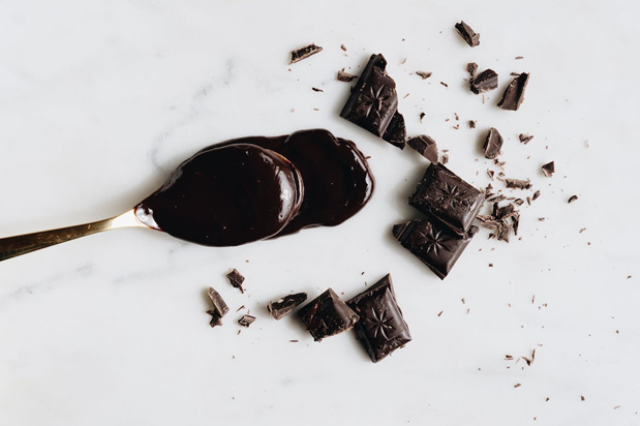
Chocolate is a delectable sweet that people of all ages and genders worldwide love to indulge in. Its rich and indulgent flavor can captivate our taste buds and uplift our spirits. Whether you’re a seasoned chocolatier or a passionate home cook, the possibilities of what you can create with chocolate are endless.

Chocolate

But let’s remember that with the growing demand for specialty chocolates and personalized branding, private label manufacturing offers a golden opportunity for companies to enter the chocolate market with their distinct offerings. Hence, it provides boundless possibilities for creating custom and delectable chocolate creations.

This post will delve into a range of mouthwatering chocolate recipes that will leave you wanting more.

Classic Chocolate Cake

The list of chocolate recipes is only complete with the timeless classic – chocolate cake. Moist, velvety, and deeply satisfying, a homemade chocolate cake is a treat that never fails to impress.

Whether you prefer a simple and elegant chocolate sponge cake or a more elaborate layer cake, there are countless recipes to choose from. Remember to top it off with a luscious chocolate ganache or a sprinkle of powdered sugar.

Irresistible Chocolate Truffles

Indulge in the silky smoothness of homemade chocolate truffles. These bite-sized delights are incredibly versatile, allowing you to experiment with various flavors and coatings. From classic dark chocolate truffles dusted with cocoa powder to extravagant varieties infused with mint, orange, or even chili, the possibilities are limited only by your imagination. Share these delectable treats with loved ones, or keep them all to yourself – no judgment here!

Decadent Chocolate Mousse

Light, airy, and oh-so-chocolaty, chocolate mousse is a dessert that effortlessly combines elegance and simplicity. The luxurious mousse you make with simple ingredients will impress even the most demanding guests.

Serve it in individual ramekins or use it as a filling for a show-stopping chocolate tart. The key to a perfect mousse is using high-quality chocolate and achieving the right balance of richness and lightness.

Heavenly Chocolate Brownies

Look no further than chocolate brownies for those seeking a more comforting and indulgent chocolate experience. Whether you prefer fudgy or cakey, brownies offer a delightful contrast to a crispy top and a gooey center.

Enhance the classic recipe by adding nuts, chocolate chips, or a swirl of caramel for an extra layer of flavor. These sweets are best served with a spoonful of vanilla ice cream while they are still warm from the oven.

Sensational Chocolate Soufflé

Mastering the art of a chocolate soufflé is a triumph that every home cook should experience. This delicate and impressive dessert will rise beautifully in the oven, creating a heavenly combination of lightness and intense chocolate flavor.

The key to a successful soufflé is properly folding the egg whites and baking them at the right temperature. Serve it immediately with a dusting of powdered sugar, and prepare to receive applause from your guests.

Decadence in a Cup: Hot Chocolate

On a chilly evening or when you need comfort, a cup of rich and creamy hot chocolate can work wonders. Opt for a classic recipe using melted chocolate and whole milk, or experiment with variations like dark chocolate, white chocolate, or even spiced hot chocolate. Add a touch of decadence with a few drops of caramel sauce, a dollop of whipped cream, or a dusting of cocoa powder.

Final Thoughts

Chocolate is a versatile ingredient that offers endless possibilities for culinary creativity. From classic desserts like chocolate cake and truffles to more sophisticated delights like soufflés and mousse, there’s a chocolate recipe to suit every taste and occasion. These recipes will help you explore the incredible world of chocolate and create mouthwatering treats that will leave everyone wanting more. So, grab your apron and prepare to embark on a delicious chocolate-filled journey that will bring joy to your taste buds and those around you.