Home Blog Page 38

Tips And Tricks For Using Cheese Graters

The cheese grater is probably one of the most ubiquitous household gadgets. Just about every kitchen has one, even though not everyone puts them to use.

Cheese Grater

Because many people don’t know how to use cheese graters, they just sit in a junk drawer or cabinet collecting dust. Those really aren’t places where it’s going to do much good. That’s why we wanted to take the opportunity and spend some time talking about these wonderful kitchen gadgets. If you’re game, we’d love for you to come along with us as we explore the ins and outs of this product.

An Easier Way to Use a Box Cheese Grater

We think it’s safe to say that just about everyone has seen box cheese graters. These are tools that are usually set on the counter, held with one hand, and then the cheese is grated on it by rubbing it in an up-and-down fashion. That’s how it’s been used for generations. After testing several methods of grating cheese, however, we think that might not be the most effective way to use it.

A better way to use it is to lay it on its side and then rub the cheese in a side-to-side motion. This way makes it easier on the person’s arms and prevents the grater from moving back and forth. Yes, you’ve read that right. You should grate cheese on the box grater in a side-to-side motion while laying the grater flat on the counter.

To make cheese grating easier, spray the grater with cooking spray. That will lubricate the surface and keep everything moving well. It will also ensure that you don’t have to spend a huge amount of elbow grease just to grate some cheese.

An Easier Way to Clean a Cheese Grater

It doesn’t matter if you purchase the best cheese grater in the world, it’s still going to be a pain to clean. All of those little holes get clogged with cheese that almost seem impossible to remove. Sometimes even throwing the cheese grater into the dishwasher isn’t enough to get it clean. But we have a solution to that problem. And that solution is to use a toothbrush.

It doesn’t matter if you’re using a box grater or one of those fancy Microplane cheese graters; a toothbrush will clean both of them. With a toothbrush and a little soapy water, your cheese graters will be sparkling clean.

Other Uses for Cheese Graters

We need to take the time to talk about everything that cheese graters can do, even though their name implies that they are merely a one-trick pony. Below are some of the other things that cheese graters can be used for—besides grating cheese.

Grated Chocolate

You may not have thought about using a cheese grater to grate chocolate on sundaes, ice cream, or even iced coffee drinks. Why purchase pre-grated chocolate for your dessert when you could easily make your own using a bar of chocolate and your handy-dandy box grater?

Crushed Tomatoes

A lot of people also go out of their way to buy crushed tomatoes. Unfortunately, canned crushed tomato is also precooked, so it’s not exactly ideal for fresh tomato sauce. And that’s not even mentioning the fact that canned tomatoes tend to be higher in sodium. A better way to crush tomatoes would be to use a cheese grater held over a container. That makes perfect crushed tomatoes every single time.

Zesting Lemons & Limes

There are countless recipes that call for zesting lemons and limes. Using your favorite Microplane or box grater is a great way to remove the zest from citrus fruits.

Shredding Apples

The box grater also effortlessly shreds apples. Shredded apples are great for adding to bread, puddings, or even as garnishes on salads. And once you start shredding apples, we feel that you might want to continue to shred apples from here on out.

Making Breadcrumbs

Of course, you can grate bread, too. Using your box grater is a great way for making breadcrumbs for stuffing. You can also use the grater to make breadcrumbs for a variety of desserts as well.

Shredding Butter

Why would you use a cheese grater to shred butter? It’s because thin slices of butter are perfect for making those flaky pie crusts. Use the coarse side of the grater to make small pieces that can be mixed into the flour for the pie crust.

As you can probably see, cheese graters are not only simple to use and clean, but they’re also very versatile. That’s why we urge you to bring that cheese grater out of the junk drawer and put it to work in your kitchen. With the proper techniques, we’re sure that the cheese grater will become your preferred kitchen utensil.

How To Take Care Of Your Propane Smoker

For anyone who hasn’t bought a propane smoker yet, then allow us to recommend them to you. From the moment we bought ours and had assembled it into our backyard, we knew that this BBQ tool was going to revolutionize how we cooked outdoors. And do you know what? It did, it really did. We thought it was possibly the greatest thing since sliced bread.

Of course, if you do plan on purchasing one, then you should be ready for a fair amount of work. Although the best propane smokers are some of the easiest smokers to maintain, they still require a fair amount of due diligence and elbow grease in order to keep them in good working condition.

We don’t want you to worry, however. Using and maintaining a propane smoker does require a little bit of extra care, but it is very doable for the average person if they know what to do. With that in mind, we’ve decided to give all of our readers the information they need to not only use their propane smoker more effectively but also keep it in the best condition possible for as long as possible.

Part One: Before We Begin

The first thing we would like to cover in this article is properly using the propane smoker to get the best results. Although these smokers come in a variety of different styles, we can give our readers the basics that cover most models. Before we start, however, we would like to say that you should thoroughly read your smoker’s instructions before using it. If we contradict any of your smoker’s instructions, then you should disregard our instructions and follow what the smoker’s manual recommends.

Part Two: Setting Up & Using

The next thing you’re going to want to do before using your propane smoker is to set it up properly. This means that the propane tank is attached to the smoker—according to the manufacturer’s instructions—and that everything has been set up to be ready to smoke. You can opt to install an underground propane tank to minimize the times you refill the typical 20 pound tank.

After you prepare the smoker, line the water pan with aluminum foil and then fill it with water. Open up the valve on the smoker and check for leaks. Now, light the burner according to the instructions of the manufacturer.

Once you’ve lit the fire, it’s time to set the controller on the smoker to the desired temperature. This is usually between 225 to 250-degrees Fahrenheit. Once you set the temperature, allow the smoker to preheat for approximately 15-minutes. During this time, make sure the vents and/or chimney damper are properly set.

Now it’s time to add the sawdust, wood chips, or wood chunks to the pan above the burner. Continue on with the heating process until smoke begins to billow up and out through the damper of the smoker. When it begins smoking, arrange the food on the racks or hooks.

Make sure to regularly check the wood and water pans and refill if needed. It’s also important to make sure that the flame hasn’t gone out every once in a while, too. This could result in a dangerous buildup of propane gas in the chamber.

After you have smoked the food according to your needs, remove the food from the smoker. Now, turn off the flame and shut off the propane tank. Once the smoker has cooled, disconnect the propane tank from the smoker and then clean it.

Part Three: Keeping Your Propane Smoker In Good Condition

Okay, let’s do a brief overview of what you should do to keep your propane smoker nice and clean. As we said with the setup part of our guide, it’s always important to refer to the instructions provided by the smokers’ manufacturer before you consider our advice. Now, let’s get started and find out how to clean a propane smoker.

It’s important to make sure that the propane smoker is cool before you remove the propane tank. Once that’s done, put on rubber gloves and remove all of the cooking racks, drip trays, smoke baskets, and water/wood pans that might exist in the smoker. Use a grill brush to remove stuck-on gunk and then finish cleaning them in your sink.

Cover the burner with a piece of aluminum foil to prevent it from becoming covered in drippings while you begin to scrape the sides of the smoker. Once that’s done, use hot water filled with soapy dishwater and a plastic scrub brush to scrub down the inside of the smoker. Some people use a degreaser, but I’ve found dish soap works just as well.

Don’t forget to clean the racks and other parts in your kitchen sink. Use soapy water, rinse, and then dry them before you return them to the smoker. If you want, you can also line the drip pan with aluminum when you return it to the smoker.

Once you have thoroughly cleaned the inside of the smoker, it’s time to work on the outside. Wipe it down thoroughly before you end your cleaning session. Also, make sure to inspect the outside of the smoker for any damage that might have sprung up. This will ensure that you get a long life out of your propane smoker.

Surprising Ways To Use Soy Sauce

To many people, soy sauce is a condiment that’s only used when someone is eating Chinese take out. It’s just something to add a little bit of flavor to your pork fried rice, General Tso’s chicken, beef with broccoli, or Peking duck. Few people give it any more thought than that. However, we’re here to tell all of our readers that soy sauce can do a whole lot more than that. We’re here to say that soy sauce provides the umami that a whole lot of dishes can benefit from. If you don’t believe us, then follow along on our culinary journey.

The History Of Soy Sauce

Before we start talking about some of the things that we can use soy sauce for, we thought it would be nice to talk about the storied history of this product. It’s believed that it can be traced back to a sauce known as Jan in ancient China. Various forms of Jan were developed using different combinations of fruit, seaweed, and vegetables. That was over 2,200 years ago.

The Jan that was designed for grains was made from wheat, rice, and soybeans and this was believed to be the archetype for modern soy sauce. This sauce would migrate to Japan sometime during the 7th century when Buddhism was introduced to the country.

As far as production in the U.S., that didn’t start until 1908. This is when the Hawaiian Yamajo Soy Company started in the Territory of Hawaii. In 1933, La Choy began producing and selling a hydrolyzed vegetable protein-based soy sauce.

Delicious Dishes To Make With Soy Sauce

Now that we’ve covered a brief history of soy sauce, it’s time to turn our attention to some of the ways that soy sauce can be used to create fantastic dishes. The following ways of using your best soy sauce run the gambit from the expected to the unexpected. Let’s take a look at some of them, shall we?

[wc_fa icon=”star-o” margin_left=”” margin_right=”10″ class=””][/wc_fa]Crock Pot Orange & Soy  Glazed Baby Back Ribs


This is one of my favorite dishes to make with soy sauce. These are baby back ribs that have a nice citrus overtone to them and a beautiful umami undertone to them. Below are some of the ingredients you’ll need as well as how to make this delightful dish.

[wc_fa icon=”lightbulb-o” margin_left=”” margin_right=”10″ class=””][/wc_fa]Ingredients Needed: 

  • Three and a half pounds of baby back ribs
  • One cup of soy sauce
  • Eight garlic cloves minced and divided into two portions
  • Five teaspoons cumin seeds, divided
  • Three teaspoons red pepper flakes, crushed and divided
  • Three tablespoons canola oil
  • six scallions finely chopped
  • One and a half cups of fresh orange juice
  • The zest from one orange
  • 3 tablespoons of locally sourced honey
  • The zest from one lemon and one lime

[wc_fa icon=”lightbulb-o” margin_left=”” margin_right=”10″ class=””][/wc_fa]Directions For Dish:

Place ribs, a half cup of soy sauce, three minced garlic cloves, two teaspoons of cumin seeds, and one teaspoon of red pepper flakes in your crockpot. Place the crockpot on low and cook for approximately 8-hours.

When the ribs are in the last half hour of cooking, heat the oil in a small saucepan over medium heat. Place about three teaspoons of cumin and two teaspoons of red pepper flakes in the oil and lightly toast until they’re fragrant—or about thirty to forty-five seconds. Now add the six minced garlic cloves and the scallions. Saute for about two minutes or until everything is soft. When that’s done, place the remaining half cup soy sauce in the pot, along with the honey and orange juice. Bring the sauce to a boil and then cook for approximately 15-minutes or until it has thickened.

Carefully remove the baby back ribs from the crockpot and place them in a pan that’s lined with aluminum foil. At this point, the ribs might slip out of the meat, and if that happens it’s not a big deal. When the ribs are all in the pan, brush with the sauce that you’ve just prepared. Preheat the broiler and then place the ribs underneath it. Allow the ribs to broil for approximately two to three minutes and then take them out of the oven. To finish the dish, sprinkle some scallions and citrus zest on them.

[wc_fa icon=”star-o” margin_left=”” margin_right=”10″ class=””][/wc_fa]Broiled Salmon With Sesame & Scallions

Salmon is a great way to get Omega 3 fatty acids in your diet, and this dish is a delicious way to work some salmon into your diet. It’s also pretty easy to make, and doesn’t require but a small handful of ingredients including soy sauce.

[wc_fa icon=”lightbulb-o” margin_left=”” margin_right=”10″ class=””][/wc_fa]Ingredients Needed:

  • Two Garlic Cloves sliced thinly
  • Three tablespoons fresh lime juice
  • Two tablespoons soy sauce
  • Two teaspoons of honey
  • Two tablespoons of canola oil
  • Half teaspoon of sesame, plus some for garnish
  • Kosher salt
  • Black pepper
  • One bunch of scallions
  • One green chili (Fresno or red jalapeno),  thinly sliced
  • Three eight-ounce salmon fillets

[wc_fa icon=”lightbulb-o” margin_left=”” margin_right=”10″ class=””][/wc_fa]Directions For Dish:

Whisk together one tablespoon of oil, garlic, lime juice, soy sauce, honey, and a half teaspoon of sesame seeds in a small bowl. Liberally salt the salmon with Kosher salt and black pepper and then place them in a resealable plastic bag. Add half of the marinade. Press out the air and seal the bag. Allow the salmon to sit for anywhere from 30 to 45-minutes. Set the other half of the marinade aside.

Preheat your boiler. Toss the scallion with two teaspoons of canola oil in a pan and broil until lightly charred, for about 2-minutes or so. Remove the salmon from the marinade and place it on top of the scallions. Spoon the reserved marinade over the salmon and then broil about 5 minutes or until the salmon is charred around the edges. Spoon the marinade over the top, top with the chili, and then broil until the salmon is at the desired doneness. When done, sprinkle with sesame seeds and serve.

Other Soy-Sauce Based Dishes

We don’t have the space to list all of the soy sauce recipes we know of, but we can list the names of them so you can look up the recipes for yourself and make good use of the soy sauce in your home.

  • Sesame & Soy Watermelon Poke
  • Soy-Glazed Roast Turkey
  • Teriyaki Steak Skewers
  • Soy Pork Shoulder With Pineapple
  • Hawaiian Ribeye Steak

Best Meat Slicer

Those of us who are grateful for our meat slicer wants to be sure to keep it in good condition. Not only by making sure that we regularly clean it, but also by making sure that it continues to operate in a safe and efficient manner for a long time to come. Unfortunately, many of us are also new to owning or operating meat slicers, so it might not seem all that straightforward as to how we keep them in good condition. That’s why we’ve decided to write this article. We wanted everyone to know how to clean and maintain their slicers so they can keep them in good condition for as long as possible.

As most of our readers are going to realize, we’re going to kick things off by talking about how to properly clean their meat slicer. Cleaning the slicer properly is probably one of the most important things a person can do to keep their slice in tip-top shape. Remember, even the best meat slicer can be dangerous if it’s not kept in good condition.

Step One: Prepare For Cleaning

Before cleaning your slicer, you should think about the areas that are the likeliest to get the dirtiest. The areas where meat particles can become trapped and hard to remove during everyday wiping. Some of these “problem” areas include ring guard mounts, under the slicer handle, and inside of the blade guards. Knowing how to access and clean these areas is extremely important. Of course, those aren’t the only “hidden” areas found on a meat slicer. There are also seals, seams, and gaskets that you’re going to want to clean, so it’s important to familiarize yourself with your slicer as much as possible.

The next thing that you’re going to want to do is to gather the tools that you’ll need to clean your meat slicer. Not only will you need a sanitizing spray, but you’ll also need a spray lubricant and cut-resistant gloves. Cut-resistant gloves might look like they’re made of chain-mail, but they do a great job of protecting your hands against incidental cuts and slices. It’s also a good idea to have a cloth to wipe down the slicer, especially if the slicer needs to be cleaned in the middle of using it.

Step Two: Clean The Slicer

Once you’ve gathered all of your cleaning supplies together, it’s time to clean the slicer. In a restaurant or deli, the slicer needs to be cleaned every single four hours. However, if you’re using the meat slicer at home, you probably aren’t going to use it that much and can make do with cleaning it just once a day.

It’s important that you read the instructions to your meat slicer thoroughly and follow all of the instructions. Using a solution of 1:1 soap to water and a clean sponge, thoroughly clean the blade of the slicer. Make sure that both the front and the back of the slicer’s blade is cleaned by wiping from the center outward. Before cleaning the blade though, make sure that it’s set to zero.

Using a clean towel and hot water, wipe down the exterior of the meat slicer. The entire meat slicer needs to be disinfected with a sanitizing spray and that spray is usually left to air dry on the slicer’s surfaces, but be sure to follow your machine’s specific instructions.

Step Three: Keep The Blade In Good Condition

It’s extremely important for the consumer to take very good care of the blade. A poorly maintained meat slicer blade not only does a poor job of slicing meat but can also be dangerous, so it’s important that you regularly inspect the blade and take the steps necessary to keep it in good condition.

Although it’s beyond the scope of this article, you should make sure that you use a sharpening stone and follow the manufacturer’s instructions to use that stone to keep the blade sharp. If you feel that is beyond your abilities, then take the blade to a professional and have them sharpened. Remember, a sharp blade is safer to use than one that’s dull and pitted.

When sharpening a meat slicer’s blade, it’s important to do it when it’s clean. It’s also important to follow all manufacturer’s instructions. Some meat slices also require the consumer to regularly have the meat slicer serviced, and if that’s the case, then take it to a company that specializes in slicer maintenance.

Step Four: Lubricate The Slide Rods

It’s also a good idea to regularly lubricate the slide rods using some sort of spray lubricant. This should be done after the slicer is clean and dry. Once the slide rods have been lubricated, then you can replace the blade, product tray, and faceplate that you removed for cleaning.

Step Five: Use The Meat Slicer Properly

It’s also an extremely good idea that you use the meat slicer in a responsible fashion. This is good not only for the proper operation of the slicer but also for your own personal safety. Start off by washing your hands and wearing disposable gloves before loading the meat into the slicer. Once the slicer is loaded and properly seated, set the blade to the correct thickness, and then use the push guard to guide the meat through the blade.

While operating the meat slicer, it’s extremely important to focus on the task at hand. You should begin slicing in a distraction-free environment (as much as possible) and you shouldn’t deal with anything but the task of slicing. If you do have to do something else or talk to someone else, then stop the machine before doing so. Many accidents have happened by not paying attention to the slicer while using it.

When done using the slicer, make sure to set the blade to zero and properly clean it according to the manufacturer’s instructions. After it’s been properly turned off, and cleaned, it should then store it in a safe and dry location.

If you follow all of these steps, then you will get a lot more life out of your meat slicer and you’ll be a lot safer using it in the process. Meat slicers are wonderful tools that can be used for a variety of slicing jobs, but they can be dangerous if used improperly, so be sure to use them responsibly and with care.

Making The Best Tasting Coffee Possible

Without the caffeine that coffee provides, we’re sure that the world would come to a stop. Coffee is the fuel for many of us and most days would be difficult to face without at least one cup in the morning. Fortunately, most people don’t have to go to a fancy coffee shop and spend a small fortune on a cup of coffee. They can simply fire up their coffee machine and have hot coffee at their fingertips in a matter of moments.

Of course, caffeine isn’t the only reason we all enjoy coffee, now is it? We also like the taste and aroma of coffee. There’s just something special about that first cup of coffee and it can really signal the start of a good day. Unfortunately, the whole experience can be quickly ruined if you get a bad cup of coffee from a dirty coffee maker. That can ruin the whole experience and you can end up drinking a cup of bitter, nasty tasting coffee.

We don’t think anyone should have to deal with funky coffee, so we’ve decided to address the issue head-on. We’ve decided to talk about how you can keep your coffee maker clean and in tip-top condition. That’s why we’re going to talk about cleaning and maintaining your coffee pot so that you can enjoy a great cup of coffee not only this morning but every morning from this point on.

Before we continue dwelling on what it takes to make a great coffee every morning, if you are the adventurous type, consider joining a coffee club. They offer coffee subscriptions, delivering a variety of specialty beans and roasts from around the world to your doorstep. You can also go all out and sign up for a barista course in Melbourne that will give you hands-on practical training.

Cleaning Drip Coffee Makers

It doesn’t matter if you have the best 4-cup coffee maker or the best 12-cup coffee maker, this section applies to you. This section deals with cleaning drip coffee makers, so if you have a single cup coffee maker, you’re going to want to move down to the next section. For everyone with drip coffee makers, let’s talk about how these machines can be kept clean.

[wc_fa icon=”star-o” margin_left=”” margin_right=”10″ class=””][/wc_fa]Step One: Empty The Coffee Pot Completely

The first thing that you should do is to empty out the coffee pot. This should be done when the coffee maker is cool. Make sure to pour out any remaining coffee in the carafe and then remove the filter and the grounds from the machine.

[wc_fa icon=”star-o” margin_left=”” margin_right=”10″ class=””][/wc_fa]Step Two: Clean With White Vinegar Regularly

Although this step doesn’t need to be performed every day or even every week, it does to be done at least once a month. To clean your 12-cup coffee machine, add 3-cups of white vinegar to the machine and 6-cups of water to it. To clean a 4-cup coffee machine, add 1-cup of white vinegar and 2-cups of water to the machine. That will give you the best ratio of vinegar to water for cleaning the coffee maker.

Now, turn on the coffee pot. Allow it to continue through its entire cycle, and then when it’s done brewing, turn off the coffee maker. Allow the water/vinegar mixture to remain in the coffee carafe for at least 15-minutes, but 30-minutes is better. When that time has elapsed, then pour out the water.

When the carafe is cool, it’s time to brew a cycle of water. Fill up the machine with all of the water it can hold and then run it through a cycle. Dump out the water from the carafe and then when it’s safe to do so, brew another pot of plain water. Make sure that there are at least 15-minutes between each brewing cycle for the best results. This will remove any residual vinegar taste that still exists in the machine.

Cleaning Single-Cup Coffee Makers

Now let’s talk about single cup coffee makers. You know, the ones that use a pod. These are pretty easy to clean if you take a few moments to do so properly. To begin, empty the machine and make sure that there isn’t a pod in the chamber. Now, as is done with drip coffee makers, it’s time to clean the machine with vinegar.

Using 1/2-cup of white vinegar and 1/2-cup of cold water. Pour this vinegar mixture into the coffee maker’s reservoir and then turn on the machine. When the brewing cycle is done, turn the machine off and allow it to sit for at least 15-minutes. After 15-minutes, dump out the vinegar/water mixture.

Now, it’s time to brew two consecutive cups of plain water. This will help to remove the vinegar taste. Make sure to wait for at least 15-minutes between each brewing cycle for the best results.

Use Soap & Water On The Carafe

The above steps aren’t designed to be performed every day, but only every 2-weeks to a month. What you can do on a daily basis to ensure that your coffee machine brews a better taste of coffee is to wash the carafe using soap and water on a daily basis. This will help to keep the oil build-up from the coffee grounds from building up too much.

Other Things To Consider For Better Tasting Coffee

Okay, that’s all we have on cleaning and maintaining the coffee maker, and just following those steps will ensure that the coffee maker makes better tasting cups of coffee. However, keeping a clean coffee machine isn’t the only thing that will improve coffee flavor. There are a few other things that you can do to make sure that your coffee is the best it can be and we’ve listed some of them below.

  • Tip #1: Use Freshly Ground Coffee When Possible.
  • Tip #2: Use Filtered Water For Making Coffee.
  • Tip #3: Use The Highest Ground Coffee Available.

The above three tips, along with a clean machine, will ensure that you will brew a fantastic cup (or pot) of coffee every single time. And who doesn’t enjoy a fine cup of coffee? Like we’ve said earlier, coffee is one of the simplest joys in the world.

Some Of The Best Uses For Ketchup

Ketchup is a food product that can be found just about everywhere. It’s in most people’s homes, it can be found on most restaurant tables, and stores stock dozens upon dozens of different varieties of it. Most of what we can find is tomato ketchup, but there are certainly other types of ketchup. There’s mushroom ketchup, walnut ketchup, and even mango and banana ketchup.

Despite ketchup being ubiquitous, we have to say that most people only use it to put on a couple of different foods. We’ve seen people put it on hot dogs and hamburgers, on French Fries and tater tots. We’ve also seen people put ketchup on their scrambled eggs. That limited use of this product is unfortunate because it has a bigger potential than what most people believe.

We wanted to explore some of the other ways that ketchup can be used. We knew that there had to be more than just a couple of uses for ketchup. After all, it was a product that was historically very widely used. So, after a little bit of research, we’ve found some creative uses for ketchup, so that everyone can put their best ketchup brands to good use. Before we do that, however, we’d like to make a pit stop and talk about the history of ketchup first. If you don’t mind, of course.

A Brief History Of Ketchup

Ketchup can trace its lineage back to 300 B.C. To a product that was made from fermented fish entrails, meat byproducts, and soybeans. This fish sauce was known as “Koe-Cheup” in the Southern Min dialect, and it was created because it was easy to store on long oceanic voyages.

This paste was extremely popular and was carried by trade routes through the Philippines and Indonesia. This is where the British developed a taste for this fishy and salty condiment during the early 18th century. However, even though they liked it, they couldn’t help but change it to more fit their tastes.

The British would go on to make ketchup products from everything from oysters and mussels to plums and peaches. There were walnut ketchup, lemon ketchup, and celery ketchup. They would boil down ingredients into a salty syrup-like consistency. It was highly concentrated and could last for a very long time without spoiling.

It wouldn’t be until 1812 until tomato-based ketchup products were introduced. This is when a Philadelphia scientist names James Mease developed one of the first recipes. Unfortunately, early tomato-based ketchup products didn’t use vinegar, so they tended to go bad quickly. It wouldn’t be until 1876 until more modern ketchup was introduced.

Modern Day Ketchup

In 1876, Heinz created a ketchup formulation that contained tomatoes, brown sugar, salt, various spices, and yes, vinegar. It also bottled this in glass bottles so that everyone could see its quality. This was innovative at the time since many of their competitors produced adulterated ketchup products that contained harmful ingredients such as lead.

Today, tomato ketchup has been the standard product that most Americans use. In fact, it’s estimated to be used in approximately 97% of all American homes. Although it’s mainly used for putting on French fries or hamburgers, it’s also got a few other great uses as well. Let’s take a look at some of them, shall we?

Some Of The Best Uses For Ketchup

Okay, as promised, this is the section where you can find out what other things that ketchup can be used for. So without further ado, let’s jump right into it.

[wc_fa icon=”star-o” margin_left=”” margin_right=”10″ class=””][/wc_fa]Shining Silverware & Copper

The one thing that ketchup can be used for that doesn’t involve it being directly placed on food is using it as a metal polish. Placing a little bit of ketchup on copper pans or silverware can turn the metal from tarnished to new looking. All it takes is the ketchup, a polishing cloth, and a little bit of elbow grease.

[wc_fa icon=”star-o” margin_left=”” margin_right=”10″ class=””][/wc_fa]Making Fake Blood For Halloween

Another way to use ketchup is to make fake blood for Halloween. There are some great fake blood recipes on the Internet and many of them use ketchup as their core ingredient. Just be careful using fake blood made from ketchup because it will stain clothing.

[wc_fa icon=”star-o” margin_left=”” margin_right=”10″ class=””][/wc_fa]Using Ketchup Packs As Improvised Ice Packs

If you have a collection of Ketchup packs from your favorite fast-food restaurant, then you can put them to use really quickly by converting them into mini ice packs. Ketchup packets freeze quickly in the freezer, and they are just the right size for dealing with pot burns or paper cuts.

[wc_fa icon=”star-o” margin_left=”” margin_right=”10″ class=””][/wc_fa]Using Ketchup As A Face Scrub

Although we understand that not everyone is going to like this use, it is worth mentioning. If you mix a tablespoon of ketchup with three packets of artificial sugar and one pack of salt, you can use the mixture to exfoliate your skin.

[wc_fa icon=”star-o” margin_left=”” margin_right=”10″ class=””][/wc_fa]Using Ketchup To Sooth Insect Bites

Ketchup can also be used to soothe mosquito, bee, and spider bites. Although it won’t do much for the swelling of these bites, it will control the sting level and itchiness of the bit. It’s the salt in the ketchup that helps to control itching, and also happens to have antiseptic qualities as well.

[wc_fa icon=”star-o” margin_left=”” margin_right=”10″ class=””][/wc_fa]Using Ketchup To Remove Rust On Cast Iron Cookware

Have you ever found a great cast iron skillet and felt that it was too rusted to be used? Well, if you have, then you’re not alone because we have to. However, thanks to our research, we now have a way to deal with it and that way is to coat it in ketchup!

Yes, if you coat the cast iron skillet in ketchup and allow it to sit for half an hour, it will be a lot easier to remove the rust using a wire brush. That’s because there are acids in ketchup that help dissolve the rust and salt that act as an abrasive to help the wire brush remove the rust. Just remember that the pan is going to need to be seasoned before it’s used again.

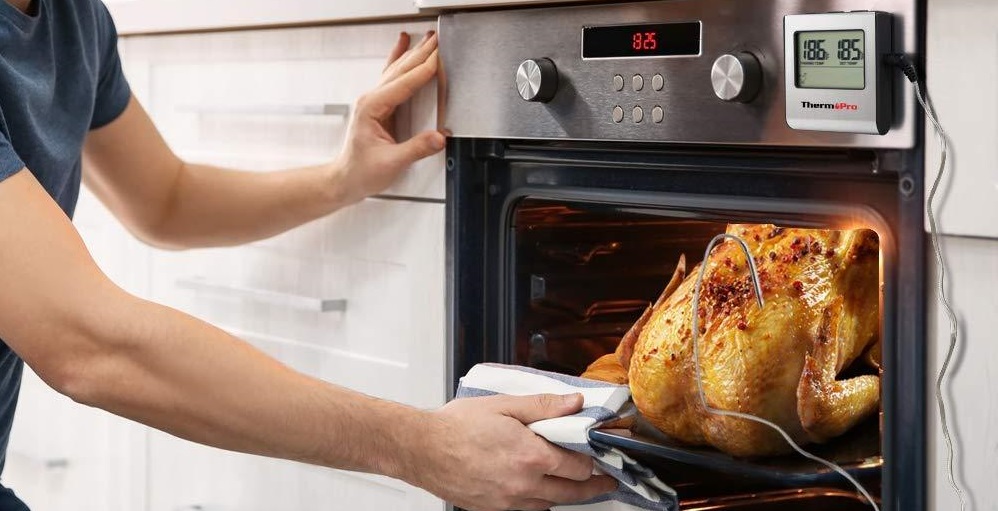
Maintenance Tips For Taking Care Of Your Oven

The oven that is in your kitchen is more than likely a wonderful piece of engineering that does a great job of baking, broiling or cooking the food that you cook with it. The first “modern” stove was invented in 1740 by Benjamin Franklin and was known as the Pennsylvania fireplace. Since then, the stove has undergone a dramatic evolution that has led these appliances to become the great stoves that exist today. Unfortunately, far too many fail to see their oven as an advanced piece of machinery, and as such, they don’t take care of it as they should.

We believe that the oven is the centerpiece of the kitchen and you should properly maintain it to ensure that it functions as well as it should. We’re not only talking about cleaning the oven on a regular basis, but we’re also talking about taking other steps such as performing routine oven inspections. Let’s begin with some of the more general tips and then work our way from there to more advanced tips.

Tip One: Clean The Oven Regularly

One of the first things that we’d like to recommend to all of our readers is to thoroughly clean their oven regularly. And we’re not just talking about wiping up messes but doing a thorough cleaning. How often should you clean your oven? Well, how often you use the oven will determine how often you will need to clean it. The more you use it, the more often you will need to clean it.

To clean the interior of the oven, you’re going to want to make sure that you purchase the best oven cleaner that you can find. A cleaner that will cut through grease and grime effectively is best. Other tools to clean the oven include the following:

  • Rubber Cleaning Gloves
  • Protective Safety Glasses
  • Paper Towels Or Old Newspapers
  • Microfiber Sponge
  • Damp Cloths Or Sponges
  • Large Plastic Garbage Bag

Tip Two: Some Ovens Can’t Have Their Knobs Removed

We know that it’s common for a lot of people to remove their oven knobs so that they can clean them, and with some oven models, that’s perfectly acceptable. However, with some of the modern oven models, the knobs are connected directly to the oven’s main control system. If that’s the case, then the consumer can be inadvertently subjecting themselves to a risk of electrocution. That’s why it’s always important for the consumer to read their oven’s manual thoroughly and find out what’s acceptable and what’s not acceptable as far as oven cleaning goes.

Tip Three: Regularly Inspect The Oven’s Gas Line Or Electrical Cord

The next thing that the consumer should do regularly, is to inspect the gas line and connection to the oven, or electrical cord if it’s an electric model. Gas lines and electrical cords can degrade over time, so about once a year the consumer should inspect them thoroughly. If they’re worn, replace them immediately.

Tip Four: Unplug An Electric Oven While Cleaning The Inside Of It

It’s not necessary to unplug your electric oven while you’re wiping down the outside of it. However, you should unplug the oven if you are planning to deep clean the inside using oven cleaner.

Tip Five: Inspect The Oven’s Door Gaskets

It’s also a good idea to take a good look at the oven door gaskets and make sure that they’re in good condition. Although these door gaskets are generally long-lasting, they will begin to deteriorate over time, and the consumer is never going to know when that’s going to happen, so the door gaskets should be regularly inspected.

Tip Six: Inspect Element Burners On Electric Stoves

While you’re cleaning your electric oven, it’s a good idea to take a look at the elements. Check both the inside of the oven and on the stove portion. Make sure that there’s no debris clinging to the elements and that they’re in good condition. If they’re dirty, clean them and if they’re compromised, then replace them immediately.

Tip Seven: Racks Need To Be Cleaned As Well

We’ve seen quite a few people spend a considerable amount of time cleaning their oven, only to neglect their racks. And this is a huge problem because it’s the racks that often become the dirtiest and require the most attention. Therefore, whenever you’re cleaning your oven, it’s a good idea to also give the rack a good cleaning as well.

Tip Eight: Clean Under, Behind, And Around The Oven

While you’re spending time cleaning your oven, it’s a good idea to clean underneath it, alongside it, and behind it. Yes, we understand that requires pulling out the oven, but it’s better to be safe than sorry. When the oven was installed, its vents were clear and it was these vents that allowed for proper airflow. Unfortunately, these vents can become blocked over time with grease and gunk, which not only restricts airflow but may also create a fire hazard.

Tip Nine: Avoid Doing These Things To Your Oven

Not everything is designed to be used in the oven. There are things that people do with their ovens that are dramatically shortening the oven’s lifespan. Below are some things that you should avoid when using your oven.

Using Empty And / Or Untempered Glassware

You should never place glassware that isn’t oven-safe in the oven. That’s an important rule. However, it also should be said that even when using tempered glassware made for the oven, you need to be careful. Thermal shock from putting cold glassware in the oven can shatter it, as well as heating up glassware that’s empty.

Using Aluminum Foil On Oven Racks

Although putting aluminum foil on oven racks keeps them clean while cooking, it’s an extremely bad idea. Foil can block airflow in the oven and may reflect heat improperly in the oven. This can result in improper cooking and it might even cause severe damage to the oven or its elements.

How To Properly Care For Kitchen Shears

Kitchen shears are handy tools, aren’t they? They can be used for cutting meat, cutting through packages, or for cutting herbs. Some of them are even equipped with nutcrackers so that people can enjoy their favorite nuts. As much as they do for us, however, we don’t seem capable of returning the favor. Many of us fail to take care of our shears, merely tossing them into a drawer. And in our opinion, that’s a shame.

One thing that we know is the fact that even the best kitchen shears won’t last very long if they aren’t properly cared for. When we say properly cared for, we mean keeping them sharp, clean, and safely stored. We’re going to bring respect back to kitchen shears so everyone can get good use out of them.

Keep Your Kitchen Shears Sharp

Although most people are good at keeping their chef knives sharpened, few people bother to sharpen their kitchen shears. It’s so easy to sharpen kitchen scissors, we just don’t understand why everyone isn’t doing it. Want to know how to sharpen kitchen shears? Well, let’s get into it, shall we?

Make sure you use a sharpening stone that has one coarse 400-grit surface and one fine 1,000-grit surface. Begin with the coarse side of the stone and then use the fine side of the stone to refine the edge.

To sharpen the scissors, wet the surface of the stone with honing oil or water. Then lay the inside surface of the scissor blade flat on the stone. Using slight downward pressure, draw the blade across the entire length of the stone. Do this moving from the base to the tip. This usually takes 10-20 strokes, depending on the dullness of the blades. Then check the blade for burrs that might exist around the inner edge.

Keep Your Kitchen Shears Nice & Clean

The next thing we want to talk about is keeping the kitchen shears nice and clean. And that is easily enough done using dish soap and hot water, just like you would with any other kitchen utensil. When washing them, make sure to clean the area where the blade and handle come into contact to remove any food particles—particles where dangerous bacteria can grow. This can be difficult to do with some shears, but with the ones that you can take apart, it’s not that difficult.

It’s important to not let your kitchen shears “soak” in your sink. You should never submerge them in water for longer than a couple of seconds. Rather, you should wash and dry them immediately. Although most are now made from stainless steel and aren’t subject to rust, oxidation can still take place on the surface of the stainless steel and that can potentially weaken it.

Keep Those Kitchen Shears Oiled

It’s also important for you to keep your kitchen shears oiled, especially around the hinge and where the screw is located. To do this, all you have to do is to use a small amount of food-grade mineral oil to these areas—wiping any excess off of them before storing them.

Keep Those Shears Properly Stored

Storing the kitchen shears properly is just as important as sharpening them, cleaning them, and oiling them. Never toss these shears into a drawer with other junk. Instead, store them in some kind of protective case. This can be a box, a sheath, or a pouch.

Another way that some people store them is by using a magnetic strip. That keeps their blades safe and keeps them handy. No matter how you store them, it’s important to keep them away from metal, glass, or ceramic kitchenware.

Some Tips On How To Use Your Kitchen Shears

Since we’re done talking about how you should maintain kitchen shears, let’s talk about some of the things you can use them for. We understand that we might have scared some people away from kitchen shears and make them seem like they’re a lot of work, and that wasn’t our intention. We don’t think shears are difficult to maintain, but we do think that they are good for a variety of projects. Projects such as the ones that we’ve listed below.

  • Slicing Through Peppers
  • Trimming Dough
  • Cut Broccoli Florets
  • Peel Shrimp
  • Cube Bread For Stuffing
  • Cut Bacon

Keeping Your Granite Looking Good For Years

Once people install granite counters into their kitchen they’re often blown away by them. There is no other counter surface that’s as beautiful, as stylish, or as enduring as granite. Although granite counters aren’t inexpensive, they are extremely durable and will last the homeowner a lifetime—if the homeowner takes the time and puts in the work to keep it looking good.

And that’s the fact about granite, it does require a bit of maintenance to keep it in good condition for a long time. Far too many people think that granite is some kind of miracle material that they can neglect and abuse as they see fit. That’s simply not the case. If you don’t take care of your granite, then it’s not going to hold up for you and that’s a fact.

Of course, we do understand that no one purposefully neglects or abuses their granite counters. Most of the time homeowners simply don’t have all of the facts that they need to properly take care of their counter. We wanted to rectify this situation and have decided to give all of our readers the information they need to keep their granite counters looking good for a lifetime.

Tip #1: Clean The Granite Daily

One of the first things that homeowners are going to want to do is to make sure that they clean their granite counters on a daily basis. And we don’t mean merely wiping them down with a wet sponge every once in a while. We’re talking about using the best granite cleaner and using that cleaner properly.

To clean granite using a granite cleaner, you’re going to need a few supplies to do the job properly. You’re not only going to need a granite cleaner, but you’re also going to need a microfiber cloth, some paper towels, and a cleaning cloth. When using a granite cleaner, be sure to read the directions fully and follow them to the letter to achieve the best results.

Tip #2: Avoid Abrasive Cleaning Products

While we’re on the subject of cleaning products, we should mention the fact that you should avoid using certain abrasive materials on granite. As strong and durable as granite is, it is prone to scratching, so anyone cleaning it should keep that in mind. Below is a list of cleaning supplies that should be avoided.

Don’t Use These On Granite:

  • Ammonia
  • Bleach
  • Vinegar
  • Lemon Juice
  • Stainless Steel Brushes

Tip #3: Clean Up Spills Immediately

The next thing that homeowners should think about when they have granite counters is to make sure they clean up any spills immediately. Even something as simple as water can ruin a granite’s appearance if you leave it on the surface. And some liquids can do even more serious damage. Liquids such as tea, coffee, wine, and vinegar are acidic and will damage the granite’s surface. So make sure that you wipe up spills IMMEDIATELY to keep your granite looking good.

Tip #4: Use A Quality Granite Sealer

It’s also a good idea for the homeowner to seal their granite to protect it from liquids. Most granite installers will seal the granite once they’ve installed it, but you should double-check to make sure they actually did. And it should be mentioned that sealing granite isn’t a one and done deal. You’ll want to regularly reseal the granite to keep it protected.

Tip #5: Don’t Use Granite As A Cutting Board

We believe that most people already know that they shouldn’t use granite as a cutting board, but we’ll go ahead and reiterate the fact right now. Sharp blades can do damage to granite, so when cutting meat, chicken, or veggies, make sure that you use a cutting board. The granite counter isn’t a cutting board and never should be used as such.

Tip #6: Use Coasters & Trivets

It also should be mentioned that the coasters and trivets should be used on the granite counter to prevent hot pots and pans from being set on it. Heat is as big of an enemy to granite as liquids, and a hot pan can quickly ruin an otherwise beautiful granite surface.

Tip #7: Don’t Place Heavy Objects On Your Countertop

We want to reiterate that you should not place heavy objects on granite. After all, you don’t want to end up cracking the surface and costing yourself a very expensive repair. Unfortunately, we’ve seen quite a few people ignore this sound advice by placing heavy moving boxes on their granite counters, or even worse, standing on it to screw in a light bulb. We implore all of our readers to avoid standing or placing anything heavy on their granite counters.

Tip #8: Don’t Forget A Quality Granite Polish

And finally, we would like to tell all of our readers the importance of using a quality granite polish on their granite countertop. Although some multipurpose cleaners have a granite polish already in them, many of them do not, so you’ll want to invest in a good granite polish to keep your counters on point.