Home Blog Page 61

When NOT To Work Out – 10 Good Reasons

I am going to say something controversial today: I believe there are times you shouldn’t be working out.

Everyone says that exercising is good for you. And I agree that the general idea behind that statement is indeed true. I am not denying the benefits of working out.

On principle, regular exercise will keep you in shape. It will revitalize you and give you more energy to function. You will be able to eat more because of the calories you burn while working out and your sleep quality will improve.

Any form of activity is good. You can go on long walks with your dog, go hiking, play basketball, lift weights, do aerobics or yoga. As long as you squeeze in those three 1-hour sessions of exercise a week, you’re good right? I’m not so sure about that.

I know for a fact that sometimes working out can bring you more bad than good. Here’s why:

Exercise is putting stress on your body. And your body is not always well-equipped to handle it. Working out can sometimes be the worst thing you can do to your body. If you are struggling with other health issues, you need to treat those first and then think about exercise and improving your stamina.

Here are my top ten reasons not to work out:

  1. You suffer from chronic stress. If you are already stressed out all the time, why add an additional strain on your body? Forcing yourself to work out despite stress won’t make you feel better. It will only make you feel worse because you won’t see the effects you want to see and that will only stress you out further. Now, if it’s an activity you really enjoy doing (not for the sake of losing weight etc.) then feel free to keep it up. But otherwise, drop it for now.
  2. You don’t get enough sleep. Sleep is vital for our health. It’s when our bodies recover from the stress of the day. If you don’t have the time to get that 8 hours of sleep every day then don’t bother working out, it will not do you any good. And definitely do not sacrifice the time you could spend recovering for working out!
  3. You are exhausted all the time. Same as being stressed, feeling tired won’t go away after you tire yourself out further. Focus on recovery first and exercise later.
  4. Your basal temperature is low. If you’re not doing it yet, I recommend you take your body temperature each day, as soon as you wake up. It’s a good indicator of your overall wellbeing. If your basal temperature is regularly around 97.2 degrees and doesn’t go up throughout the day, don’t work out.
  5. Your body temperature drops after you work out. That’s the sign indicating your body perceives working out as a stress source. You want your temperature to be higher after you work out, not lower.
  6. You are recovering from trauma or PTSD. This is similar to suffering from chronic stress. You need to first work on your mental health and only then can begin thinking about working out.
  7. You have an untreated physical injury. You’re not going to jump around with a broken leg, right? That would be crazy. So don’t go jogging again until that sprained ankle fully heals. Similarly, don’t go weight lifting while running a fever. Focus on getting your physical health in order first.
  8. You have been doing restrictive diets. Have you spent the last month eating under 1000 calories each day? Your body doesn’t have enough energy to function, let alone work out!
  9. You have been doing low-carb diets. Carbs are the main source of energy for our bodies. I know that hating wheat is all the rage now but you better embrace grains and starches if you want your exercise to bring positive effects. Focus on getting all the proper macronutrients and once you are sure you are not missing anything, you can start working out.
  10. Working out feels like a chore. Don’t do activities that you don’t enjoy! How is that supposed to do you any good? If you have been forcing yourself to do a particular form of exercise for the past week and still don’t feel any joy, it’s time to put a stop to it. Try something different if you need to. Or better yet, do a variety of activities instead of just one all the time.

As you can see, there are plenty of good reasons not to work out. But what should you do if you want to feel like you want to work out again?

Work on your metabolism first.

  • Read the Diet Recovery and Eat for Heat. You will learn everything about how metabolism works and what to do to improve it.
  • Do the Anti-Diet Challenge to challenge your views about traditional diet. You will be surprised!
  • If you are low carb and want to fix that, read my post about eating carbs on GAPS. It contains some helpful tips, even if you aren’t doing GAPS.
  • Sleep, sleep, sleep.
  • Focus on relaxing first.
  • Let go of the “I must work out to be healthy” mindset. I know it’s difficult but you will be better off in the long run.

And if you genuinely feel that you can’t wait to work out and move your body, that’s when you’re ready to do so.
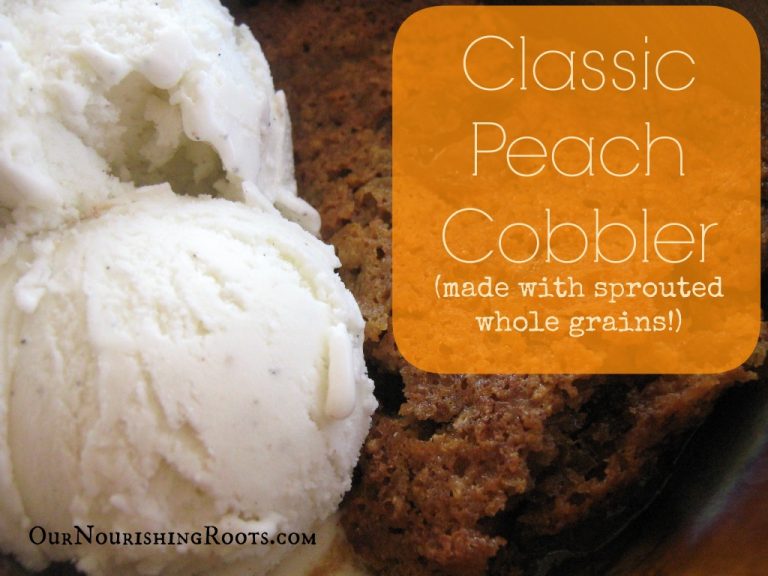
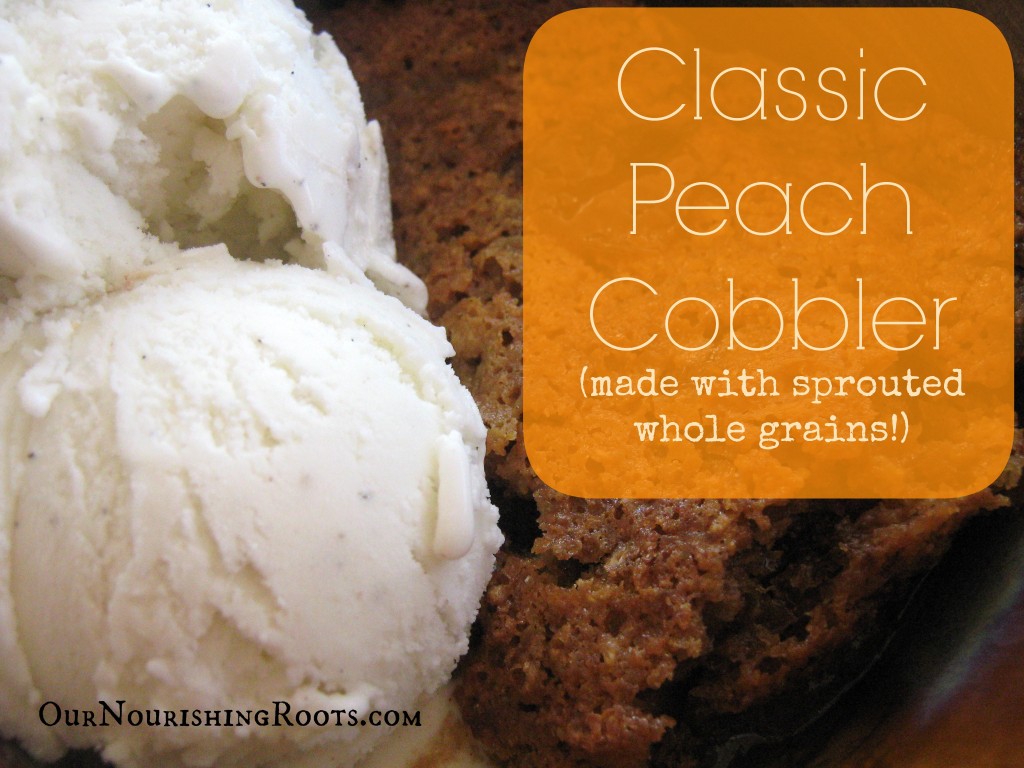
Traditional Peach Cobbler made from scratch

A peach cobbler is a true classic of American desserts. I strongly associate it with Sunday family dinners which were the only time my mom would pull out all stops to treat us to something delicious and homemade. The peach cobbler was often on the menu for those occasions. In summer, we would serve it with vanilla ice cream on top. The ice cream would melt and drip all over the sides, creating the absolute peach-themed dessert – a combination of juicy peaches with a rich cake and fragrant vanilla ice cream.

Peach Cobbler

The one thing I didn’t know about that peach cobbler at the time was that it was made using a store-bought cake batter mix and canned peaches. And even if I did know that I probably wouldn’t care. Obviously, I didn’t know anything about real foods as a child. And besides, everyone was using convenient cans back then because why wouldn’t they? It’s only now that we are starting to realize the true consequences of those bad eating habits.

That’s why in the recipe below you will not find any canned substitutes. I tried my best to make this peach cobbler as healthy as possible without losing its classic flavor. I replaced canned peaches with soft simmered peaches that I brought fresh from a local health store. And you won’t need any cake mix because I’m going to introduce you to a real simple batter recipe that anyone can do.

I buy a lot of fresh peaches when they are in season. I don’t really like eating them on their own, but they are great for desserts! Peach cobblers, peach pies, you name it, they all taste delicious! And when I have a lot of peaches at hand that I know I won’t have the time to use, I’ll can them and use them up later, when they aren’t in season.

History of the Peach Cobbler

I also find the history of the peach cobbler fascinating! Here’s what you can read on Wikipedia:

“Cobblers originated in the early British American colonies. English settlers were unable to make traditional suet puddings due to lack of suitable ingredients and cooking equipment, so instead covered a stewed filling with a layer of uncooked plain biscuits or dumplings, fitted together. When fully cooked, the surface has the appearance of a cobbled street. The name may also derive from the fact that the ingredients are “cobbled” together.”

I never thought of peach cobbles as looking like a cobbled street, but I suppose that it does indeed! And to be honest, I also didn’t know that traditionally, the “batter” (biscuits or dumplings) is supposed to go on top of the beaches. In my home, we always did it the other way around: we would pour in the batter and then put the peaches on top of it. The cake batter covers the peaches as it rises higher and higher.

“In the Deep South, cobblers most commonly come in single fruit varieties and are named as such, such as blackberry, blueberry, and peach cobbler. The Deep South tradition also gives the option of topping the fruit cobbler with a scoop or two of vanilla ice cream.”

So, the addition of ice cream is another regional distinction – another thing I didn’t know about. We put ice cream on top of our peach cobbler, but we don’t really have any relatives in the South. I’m not sure where my mother got the idea for that but I’m sure glad that she did! I especially like combining the peach cobbler with my own homemade vanilla ice cream, made with genuine vanilla beans and grass-fed cream and milk.

Necessary equipment:

  • a large baking dish
  • measuring cups
  • a large mixing bowl
  • a whisk
  • a saucepan
  • a wooden spoon
  • a large serving spoon
  • an ice cream scoop

Ingredients:

  • 1/2 cup of melted grass-fed butter

peach filling:

  • 4 cups of peaches (peeled and sliced)
  • 1 cup of whole cane sugar
  • 1/2 cup of filtered water
  • 1 T. of lemon juice
  • 1 t. of cinnamon
  • 1 t. of vanilla extract

cake batter:

  • 1 cup of freshly ground flour OR sprouted flour (how to make sprouted flour)
  • 1 cup of whole cane sugar
  • 1 cup of whole milk
  • 1 T. of baking powder
  • a pinch of sea salt

Instructions:

  1. Preheat the oven to 375 degrees.
  2. Pour the melted butter into your large casserole dish. Or do what I usually do: I place the cold butter in the dish and put in the oven that is now being preheated. The butter melts in five minutes, tops. I then take out the dish and set it aside while I prepare the rest of the ingredients.

Cake batter:

  1. Combine the flour, sugar, baking powder, and sea salt in a large mixing bowl.
  2. Add the milk and stir until fully combined.
  3. Pour the batter into the casserole dish, on top of the melted butter spread on the bottom. Let is spread out in an even layer.

Peach filling:

  1. Combine the peaches, whole cane sugar, water, lemon juice, cinnamon, and vanilla extract in a saucepan set over medium high heat.
  2. Simmer for 8 minutes.
  3. Once ready, pour the peach filling on top of the cake batter.
  4. Bake in the oven for 35 to 40 minutes. You’ll know the cobbler is ready when the batter rises to the top of the peach filling level and becomes nicely browned.
  5. Take the cobbler out of the oven and let cool for up to 10 minutes so that all the layers set nicely.
  6. Serve in small bowls with a scoop of vanilla ice cream or whipped cream on top!

Enjoy! Since we’re in the topic of peach cobblers, you might want to also try my peach cobbler with buttermilk biscuit topping and cinnamon.

How to Make Sprouted Whole Grain Flour

This is post is a little celebration for having successfully completed my GAPS journey. For the past ten months, I have been following the GAPS diet to aid my gut in recovery from long spells of unhealthy eating habits. Last month I slowly started to reintroduce starches and grains to my diet again. A couple of boiled potatoes, some soaked quinoa, even a raw nut or two. I had no digestive issues whatsoever so I decided it’s time to go back to eating my beloved sprouted flour again.

Sprouted Flour

How did I know I was ready to eat grains again? My body was telling me this. Despite being a heavy grain eater before, I never really felt compelled to break my GAPS restrictions and start eating them again. But it all changed about nine months in. I started to crave grains for no apparent reason. These cravings were weak at first so I ignored them but once they got stronger I understood. They were my body’s method of communicating to me that I am free and healthy enough to eat grains again.

Are Grains Bad?

I strongly disagree with the statement that grains are bad for us. Grains have been with us for centuries, they are one of the first kinds of foods we as humans grew and harvested on our own. How could they possibly be unhealthy if our ancestors ate plenty of them and were just fine? Years of eating modern processed foods can damage your gut enough so that it will be difficult for you to digest grains. And that’s what GAPS is for. To make you able to eat grains again. So if you are ready and you have no digestive issues when it comes to grains, give this recipe for sprouted flour a try. But don’t force it if you don’t think you’re strong enough just yet!

Now that my GAPS journey is over, I want to start following Matt Stone (from 180 Degree Health)’s protocol for raising my basal temperature with foods full of carbs, starches, and grains. I did it once before and the results were overwhelming! To make that happen, I need my sprouted flour.

I am making a batch of sprouted flour almost every week and then later use it in most recipes that involve flour. Why not just use regular flour? Just like with nuts, seeds, and beans, grains are easier to digest if they have been thoroughly soaked. Sprouted flour is great not only for making bread, but also for pancakes, pies, and cookies! Psst, if you really don’t have the time to make your own, you can always buy sprouted flour at most health food stores. But be aware that you will get hooked and begin wanting to cook up a homemade batch. When that happens, come back to this recipe.

To make sprouted flour, you will need something called grain berries, also often called wheat berries. They are the kernels from which flour is made of. There are many types available but as long as they are whole grain, this recipe should work. I usually use spelt or teff berries.

Necessary equipment:

  • half gallon glass jars
  • a canning funnel with a wide mouth
  • a large kitchen cloth
  • sprouting lids
  • a flat dish for dehydrating, e.g. a pie plate
  • a dehydrator
  • a grain grinder
  • a sieve

Ingredients:

  • several cups of raw whole grain berries
  • filtered water

Instructions:

  1. Use a canning funnel to pour the whole grain berries into your glass jars. Make them less than half full.
  2. Fill the jars with filtered water as much to the top as you possibly can.
  3. Cover all the jars with a kitchen cloth and leave to soak overnight at room temperature.
  4. In the morning, drain the water out of the jars and rinse the berries again.
  5. Screw sprouting lids on the jars.
  6. Place your jars upside down at an angle in any shallow dish so that the water can freely drain gradually.
  7. Rinse the berries twice or three times a day, fill the jars with water again, and let them slowly drain in your shallow dish.
  8. After about two or three days, you should the first sprouts. When the length of the sprout is around the same length as the berry, your sprouting is done.
  9. You can use the sprouted grains as they are or dehydrate them to make flour (which is what I usually do).

Making flour:

  1. Layer all the sprouted berries on a dehydration tray and use a dehydrator to dry them out for about 12 hours at least.
  2. Now put your dried berries through a grain grinder, sprouts and everything. Do it gradually because sprouts tend to get tangled and clump when ground.
  3. Use a tightly woven sieve to sift the flour. This will get rid of the bran which is difficult to digest even after sprouting.
  4. Your whole grain sprouted flour is now ready for use! If not used immediately, store in the freezer.

How to Make Shellfish Stock

Some time ago, I found shrimp on sale. That shrimp was in its purest form – not de-veined and not peeled. I was over the moon because I had rarely seen this kind of shrimp and now it was even on sale!

Shrimp

Yes, it’s troublesome to peel the de-vein the shrimp yourself. But I’m willing to sacrifice some of my time for this task because I will get shrimp shells in return. Shrimp shells are not technically edible, but I know some people do eat them as well. However, I won’t be eating those shells. I will make a delicious shellfish stock with them.

A homemade shellfish stock is great for whenever you are making any kind of seafood dish. You can turn it into a delicious seafood soup or make a stew. You can also use that stock to make a great risotto!

I use shrimp shells here, but the same stock can be made using any other kind of shells, like lobster shells. Use whatever you have on hand! Save those shells and don’t waste them by throwing them into the trash. A flavorful shellfish stock is a great broth that doesn’t need to simmer for as long as beef stock or chicken stock. And it feels much fancier too! So, add this shellfish stock recipe to your repertoire, especially if you are doing the GAPS diet. It’s very easy to make. You essentially combine all the shrimp shells and veggies and simmer them for a few hours. You don’t even need to peel the vegetables because you will strain them out later anyway. The ratio of effort to flavor is unbelievable in this recipe!

And just a side note about fat before we get to the recipe itself. I used to avoid shrimp and other foods that contain high cholesterol because I was so afraid that it would cause me to have some kind of heart disease. This was one of the many misconceptions I used to hold. Since then, I have realized that high cholesterol is not associated with heart disease. And that statistics say people with high cholesterol actually live longer.

It always seemed weird to me. People all around me were saying that I should avoid these foods because they would make me unhealthy. But how can the natural fat that occurs in shrimp and fish be harmful? Didn’t our ancestors eat those all the time? Why am I no longer allowed to? I think now that avoiding these foods because “fat is so scary, oh no” is what’s unhealthy. I will gladly eat fat now, as long as it comes from a natural source.

Necessary equipment:

  • Large stockpot OR a slow cooker OR a French oven with a lid
  • Mixing bowl
  • Stainless-steel strainer
  • Glass jars with lids for storing

Ingredients:

  • 3 to 5 cups of shrimp shells (or lobster/crab)
  • 1 whole onion
  • 4 cloves of garlic
  • 2 carrots
  • 2 celery stalks
  • ¼ cup of tomato paste
  • ½ cup of white wine
  • 2 bay leaves
  • 1 t. of black peppercorns
  • 1 t. of dried parsley
  • 1 t. of dried thyme

Instructions:

  1. Spread the shrimp shells on the bottom of your stockpot (or slow cooker/French oven).
  2. Add all the vegetables (onion, garlic, carrots, celery stalks) and spices (bay leaves, black peppercorns, dried parsley, dried thyme).
  3. Add the tomato paste and white wine.
  4. Fill the rest of the pot with filtered water. Leave about two inches of space below the rim.
  5. Bring to a boil, cover the stockpot with a lid, and then immediately reduce the heat.
  6. Keep simmering the mixture for at least one hour and up to four hours.
  7. Once the shellfish stock is finished, strain all the ingredients out of the pot.
  8. Transfer the stock into glass jars and keep it for use in other recipes.

Enjoy the unique taste of shellfish stock!

Traditional Italian Lasagna

Whenever I don’t have much time in the evening to make dinner, I like to make dishes that are baked in the oven, like casseroles. I think my favorite one of such dishes is the Italian lasagna. It’s the ultimate comfort food full of aromatic herbs and flavorful potatoes. In this post, I am going to share with you the recipe I usually use to make trademark lasagna at home.

My favorite aspect of making lasagna is that I don’t need to stand over the stove all the time. I can just assemble all the ingredients in the baking dish, pop it in the oven, and wait for it to be ready with no input from me necessary. It gives me ample time to either clean up the kitchen without feeling like I need to hurry or to relax with my family in the living room before dinner.

I can prepare all the ingredients and assemble the dish beforehand. This is very helpful if, for example, I have some time at noon but know that I will be running errands all afternoon later. When I get back home, I just put the dish in the oven and don’t need to do anything else! Heating the leftovers is also very simple and I sometimes even prepare a piece of the lasagne from the day before as school lunch for my son.

The only thing I regret about this recipe is that I had to resort to store-bought lasagne noodles. I have tried several recipes for homemade lasagne noodles before my none have turned out like I would like them to. If you buy the noodles from a supermarket, like me, be careful to read the ingredients list to check if there aren’t any weird chemicals in your noodles. I noticed that gluten-free noodles tend to be made from better ingredients so maybe try them out.

Necessary equipment:

  • a large baking dish
  • aluminum foil
  • a jelly roll pan
  • a strainer
  • a saucepan
  • a wooden spoon
  • two glass mixing bowls
  • a whisk

Ingredients:

  • 8 to 10 large lasagna noodles (the number will depend on the size of your baking dish)
  • 5 cups of marinara sauce
  • 2 cups of ground beef
  • 2 cups of chopped frozen spinach
  • 2 cups of ricotta cheese
  • 4 eggs
  • dried basil
  • dried oregano
  • salt and pepper to taste
  • 6 cups of shredded mozzarella cheese
  • 1/2 cup of grated parmesan

Instructions:

  1. Preheat the oven to 350 degrees.
  2. Thaw the frozen spinach using a strainer over the sink or another large bowl.
  3. Cook the ground beef with salt and pepper in a large saucepan. Set aside to cool.
  4. Prepare your baking dish by lining it with aluminum foil. Use butter to help it stick to the surface.
  5. Prepare the first layer of your lasagne in one glass bowl. Combine three cups of marinara sauce with the eggs, ricotta cheese, salt and pepper. Stir all the ingredients thoroughly.
  6. In another glass bowl, prepare the second layer of your lasagne. Combine two cups of marinara sauce with thawed spinach and the ground beef.

Assemble your lasagna:

  1. Put about 1/3 of your marinara and ricotta layer on the bottom of the baking dish evenly.
  2. Spread out 4 or 5 of your lasagne noodles on top.
  3. Layer half of the marinara meat sauce on top of the noodles.
  4. Put another 1/3 of the marinara ricotta sauce on top.
  5. Sprinkle with two cups of shredded mozzarella.
  6. Cover with the remaining lasagne noodles.
  7. Layer the second half of the marinara meatsauce.
  8. Put the last 1/3 of the marinara ricotta sauce on top (but leave a few large dollops of it for later)
  9. Sprinkle with another two cups of mozzarella.
  10. Ladle the remaining marinara ricotta sauce over the whole lasagne.
  11. Cover with the last two cups of shredded mozzarella.
  12. Sprinkle the parmesan cheese on top.
  13. Season the top of your lasagne with basil and oregano. This will give flavor to the crisp crust that will form later.
  14. Now cover your baking dish with another piece of aluminum foil.
  15. Place the baking dish on a jelly roll pan. You might want to put some more aluminum foil or parchment paper underneath the baking dish in case it bubbles over.
  16. Bake for 55 minutes.
  17. Uncover the top of the lasagne and bake for another 15 minutes.
  18. Take out of the oven and let cool for at least 10 minutes.
  19. Sprinkle with some more parmesan cheese if you want and serve while still warm!

Enjoy! And for another great pasta recipe, try my ricotta spinach pasta.

Divine Chocolate Mint Brownies

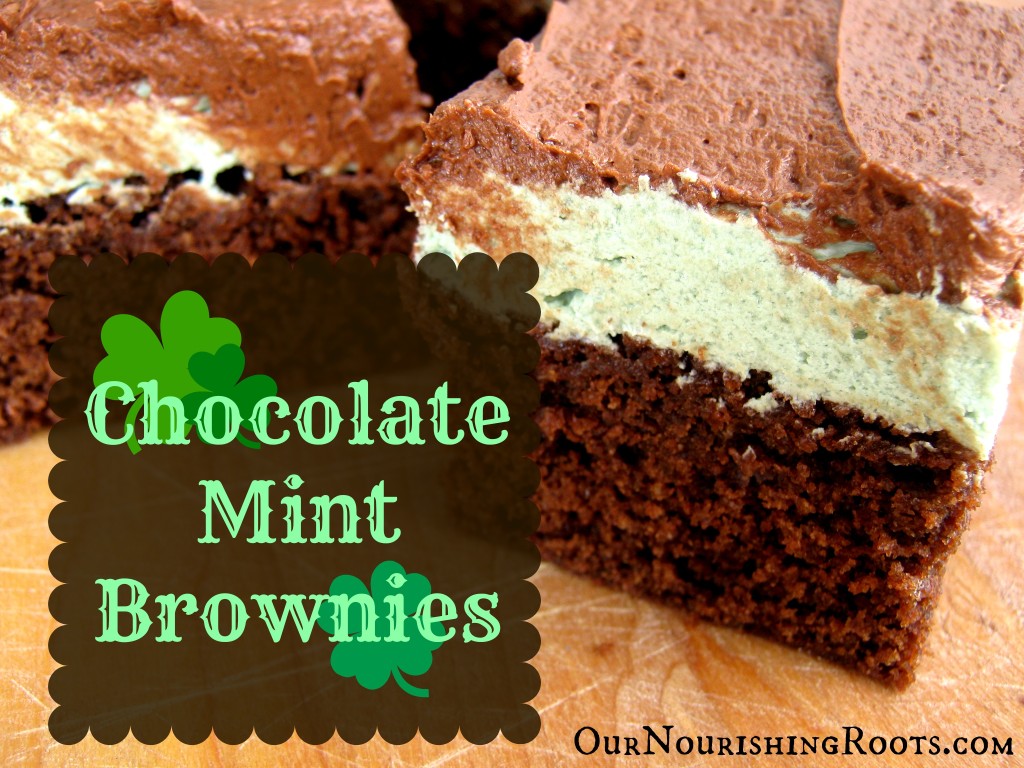
I made these chocolate mint brownies a few weeks ago for a little party my daughter was throwing for her friends at our house. I chose to make them using regular white flour and white sugar – something that is very unusual for me, as you probably know. Most of the time, I replace these foods with their real food counterparts. My kitchen cupboard is filled with wheat flour, whole cane sugar, organic honey, and other whole foods. So why did I decide to go the other way this time?

Because I wanted to allow myself to chill a little, especially as I was cooking for people who weren’t really used to eating my family’s usual diet. I do know that white flour and white sugar are the bane of dietary problems in America, but I don’t think there is much harm in enjoying one single brownie out of the two pans I made. That one brownie is not going to kill me.

Thanks to completing my GAPS diet, I was able to digest that white garbage food-filled brownie with no issues. My gut is doing better than ever and I no longer need to fear different types of food. Of course, that doesn’t mean that I am suddenly going to start eating those unhealthy things on regular basis. I am fully committed to making my meals in the most organic way possible. But everyone needs a little chill break once in a while.

But if you don’t feel right with it, then absolutely there is no need to force yourself to eat white flour! I know people suffer from different dietary issues that can’t always be healed by going on GAPS. If you want, feel free to eat that commercial flour and sugar. But only do so if you feel strong enough. If you completed GAPS, then one little brownie made with GAPS-illegal ingredients is probably not going to harm you.

Chocolate Mint Brownies

Ingredients:

brownies:

  • 1 cup of butter (about two sticks)
  • 1/2 cup of cocoa powder
  • 2 t. of vanilla extract
  • 3 T. of brewed coffee
  • 2 cups of whole cane sugar
  • 4 eggs
  • 1 3/4 cup of sprouted flour (how to make sprouted flour)
  • 1 1/2 t. of baking powder
  • 1/2 t. of sea salt
  • optional: 1 cup of chopped walnuts or any other nuts (how to soak and dehydrate nuts)

mint icing layer:

  • 1/2 cup of butter at room temperature (about one stick)
  • 1/2 cup of thick raw honey
  • 2 T. of milk
  • 1 t. of mint extract
  • a pinch of sea salt
  • optional: a few drops of natural green food coloring (you can also mix yellow and blue coloring to make green)

chocolate buttercream layer:

  • 1 cup of butter at room temperature (about 2 sticks)
  • 1/2 cup of thick raw honey
  • 2/3 cup of cocoa powder
  • 2 t. of vanilla extract
  • optional: 2 T. of brewed coffee, chilled

Instructions:

  1. Preheat the oven to 350 degrees.
  2. Line a large baking pan with parchment paper so that it hangs over the edges by an inch or more. Butter the dish beforehand to make the parchment paper stick to the surface. You can also butter the parchment paper as well so that it will be easier to lift the brownie out when it’s done baking and chills.

Brownie batter:

  1. Melt the butter in a medium saucepan.
  2. Add cocoa powder, coffee, and vanilla extract. Whisk to combine.
  3. Remove from heat and set aside to cool.
  4. Once cooled, transfer the batter to a stand mixer’s mixing bowl.
  5. Add sugar and whisk everything together.
  6. Add the eggs one by one, whisking after each one.
  7. Combine the flour, baking powder, and salt in a separate mixing bowl.
  8. Add the dry ingredients to your stand mixer’s bowl but do it carefully and gradually.
  9. Your batter is now ready. If you want to, you can stir in some nuts at this point. Use a wooden spoon to do this.
  10. Pour the batter into your baking pan. Smooth the top to make it even.
  11. Bake for 25 to 30 minutes. You will know your brownies are ready when you can see the batter is set after you shake the pan slightly. You can also use the toothpick method: insert a toothpick in the brownie and if it’s dry then you’re done.
  12. Remove from oven and leave to cool.

Mint icing layer:

  1. Mix butter and honey using a stand mixer with a whisk attachment.
  2. Add the mint extract, milk, salt, and optionally, the food coloring. Continue mixing, first at low speed and gradually increasing the speed until all the ingredients fully combine.
  3. Put the mint frosting on top of your chilled brownies.
  4. Transfer the brownies to the freezer to harden the icing.

Chocolate buttercream layer:

  1. Mix butter and honey using a stand mixer with a whisk attachment.
  2. Add the cocoa powder, vanilla extract, and optionally, coffee. Continue mixing, first at low speed and gradually increasing the speed until all the ingredients fully combine.
  3. Take out the chilled brownies from the freezer and frost them with the chocolate buttercream layer.
  4. You can put the brownies back in the freezer for another 15 minutes to help all the layers set.
  5. Take out the brownies and cut them into square pieces using a sharp knife. The parchment paper should separate from the brownies with no problems.

Enjoy these mint chocolate brownies!

How to Use Honey to Treat Acne

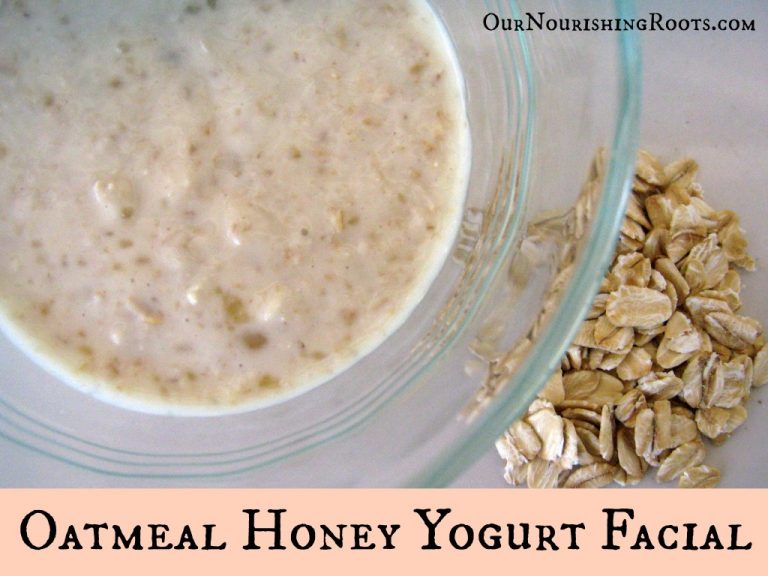
Oatmeal Honey Yogurt

Years of unhealthy eating have done their damage to my skin. I experienced first-hand how much of a role nutrition plays in the condition of our skin.

As a teenager, I struggled with severe acne that killed my self-esteem. I spent a large share of my allowance on cosmetics that were supposed to cure me and give me that skin I always wanted. Of course, they never worked as they should. I went to a few different dermatologists that would prescribe me various drugs and creams that were supposed to get rid of the acne. They didn’t work either. In some cases, they even made my condition worse!

Now my face has cleared up a lot (after I started eating clean) but I still get the occasional pimple now and then. However, the difference between the past me and the present me is that the present me knows how to deal with it now.

A simple face mask from raw honey is what gives me the best results and I want to show you how I do it exactly.

Raw honey has antibacterial properties that will fight the root cause of your pimples for you (source). It will also soothe the irritated skin and calm it down. Many people claim that just a dab of honey did more for them than any commercial products (source). And I am one of them!

The simplest version of this mask is just putting a teaspoon or so of raw honey on the affected spots and rubbing it in gently using your fingers. However, I like to add some yogurt and oatmeal to my mask to make the whole facial experience feel more-spa like. Yogurt is great for soothing your skin and the oatmeal acts like a gentle exfoliant.

Necessary equipment:

  • a mortar and a pestle
  • a small glass bowl
  • a spoon

Ingredients:

Instructions:

  1. Use a mortar and pestle to grind the oatmeal into fine crumbs.
  2. Mix all the ingredients together in a small glass bowl.
  3. Apply the mask to the affected spots and do not rinse it off for at least 20 minutes. For acne prevention, cover your whole face with the mask in a thin layer. Use every day.

Top 11 Lies of Mainstream Nutrition: Debunked

Today I want to share with you a post I accidentally found the other week. It’s titled Top 11 Lies of Mainstream Nutrition. As you probably know, I am against most of mainstream dietary advice that is being shared constantly in the media as the only true right method of losing weight. So I was excited to read if the person who wrote that post had the same ideas as I.

I must say I was disappointed. I do not claim to be an expert on nutrition, far from it. But just reading that post made me confident that the author of the post isn’t either. They are clearly a follower of most fad diets that often take an extreme approach to nutrition. All grains are bad, all sugars are bad, etc. – you get the gist. Which I know can work for some people but it’s definitely not the healthiest option out there and it won’t solve everyone’s dietary problems.

All nutrients can come from better or worse sources. I don’t eat a lot of grains but I do eat them. And when I eat grains, I make sure they come from soaked or sprouted flours. I do not cut out sugar completely but I will happily drizzle my pancakes with some raw honey or grade B organic maple syrup. I will continue to eat dairy as long as it’s grass-fed. It’s all about the balance.

And even when you eat like me, there is nothing wrong with the occasional breaking of rules. I won’t stress over things I can’t control.

But let’s go back to the aforementioned blog post. I am going to quote the Top 11 Lies of Mainstream Nutrition and give my short opinion about each of them. I see no problem with most of them but there are four lies that I simply can’t agree with.

The so-called Top 11 Lies of Mainstream Nutrition

  1. Eggs are unhealthy.

Yup, I agree. This is a lie. Pastured eggs are full of healthy nutrients that will make our bodies stronger. We tend to think that eggs contain cholesterol and that makes them bad. But we need some cholesterol in our food to help our brain properly function. Eggs are a good source of healthy cholesterol.

  1. Saturated fat is bad for you.

A lie. I am so happy to see someone else spreading this idea. It has been ingrained in our society that saturated fats are bad because they cause cardiovascular diseases but that link has been debunked many times. I even wrote a whole blog post about it here.

  1. Everybody should be eating grains.

Yeah, I’m not buying that one. I believe that we really should be eating grains. They can be hard to digest so they should be properly soaked and sprouted before eating to aid digestion. And if you have a severe gluten allergy then of course you should not be eating gluten and instead, choose gluten-free grains. Grains are a very versatile group.

  1. Eating a lot of protein is bad for your bones and kidneys.

Another lie. Protein is one of the three basic macronutrients and we need it in our diet. Our ancestors ate meat all the time and they didn’t die of kidney failure. Healthy grass-fed and pastured meats are a very good source of protein. And of course, if you don’t want to eat meat for ethical reasons then there is nothing wrong with that too. You shouldn’t force yourself to eat anything you don’t want to (and vice versa).

  1. Low-fat foods are good for you.

Yes, this is another lie. Fat has become so villainized that we no longer think about how it’s just another macronutrient, like protein and carbohydrates. We need all three of them to function so cutting out fat completely isn’t an option. We just need to choose good sources of fat (like nuts, avocado, butter) instead of deep-fried foods. Why would I drink fat-free milk and deprive myself of all the nutrients dairy can provide?

  1. You should eat many small meals throughout the day.

Yes, I also disagree with this statement. You should what works for you and your daily schedule. This method of eating was invented to help people with blood sugar problems keep their sugar levels balanced. But if you don’t have those problems and aren’t diabetic then why would you follow guidelines that don’t apply to you? And it’s not like eating several small meals is going to help you cure diabetes anyway. It’s not a good solution.

  1. Carbs should be the biggest source of calories.

I can’t really agree with this being a lie. Eating a lot of carbs isn’t necessarily bad, as long as they come from a good source. Are you seeing a pattern here?

  1. High omega-6 seed and vegetable oils are good for you.

This is a lie. Seeds aren’t always going to be healthier than properly prepared grains and starches. Vegetable oils aren’t always going to be healthier than grass-fed butter or coconut oil. You’ll notice that yourself when you start reading the ingredients lists on the packaging. I’d much rather use low omega-6 fats than the best sunflower oil brand there is.

  1. Low carb diets are dangerous.

This one is somehow related to the previous one. I do agree that low carb diets can be dangerous although some people will thrive on one just fine. Eating fewer carbs is dangerous because it can wreck your metabolism which leads to lower body temperatures, cold hands and feet, and less energy to function throughout the day. So if you decide to go low carb, be careful with how you go about it and stop immediately once you see any negative effects. I wrote about how to improve metabolism here.

  1. Sugar is unhealthy because it contains “empty” calories.

There’s a lot to unpack here. What’s unhealthy is the processed chemically-bleached refined sugar we choose most often. I agree that those kinds of sugars are not good for you. That’s why you should choose natural sweeteners, like honey, coconut sugar, or whole cane sugar. I will never feel guilty because I ate honey-sweetened chocolate made with organic cocoa butter. As long as sugar isn’t the only thing you eat then there really is no reason to fear it.

  1. High fat foods will make you fat.

A blatant lie. Eating fat doesn’t make you fat. Eating an unbalanced diet full of extremes is what can make you fat (although sometimes your diet has nothing to do with your body weight!). Fat is just another macronutrient we need to function so avoid fat-free products and instead, enjoy all the healthy fats you want to eat.

I agree with most points made by the author but there are some false assumptions there that I just needed to point out. And as a bonus, I prepared for you my own list of top 11 mainstream nutrition lies, with the lies debunked above replaced with my own:

The Real 11 Top 11 Lies of Mainstream Nutrition

  1. Eggs are unhealthy.
  2. Saturated fat is bad for you.
  3. Everybody should be avoiding grains. Grains are healthy! Only avoid them if you are really allergic or sensitive but remember that most grains can be substituted with other grains. And you can try soaking and sprouting them to make them easier to digest.
  4. Eating a lot of protein is bad for your bones and kidneys.
  5. Low fat foods are good for you.
  6. You should eat many small meals throughout the day.
  7. [Fill in the blank] should be your biggest source of calories. Just no. Include all of the macronutrients in your diet in a balanced way. Do not cut one out in favor of another.
  8. High omega-6 seed and vegetable oils are good for you.
  9. Diets are good for you. No, they are not. Dieting puts unnecessary stress on our bodies and often is a source of harmful restrictions (low calories, no grains, no fat, etc.). This will lead to health problems in the long run.
  10. Sugar is unhealthy. It’s not inherently bad. It all depends on how much sugar you eat throughout the day and what source it came from. There is a place for sugar in a healthy diet.
  11. High fat foods will make you fat.

That’s my personal list of the biggest mainstream nutrition lies. Isn’t it sad how we are being bombarded with them almost every day by the media? Do not follow blindly the newest dieting fads. Challenge them and if you try them, listen to your body to see how it feels. You are the only one who can judge what is best for you.

Savory Cheese Broccoli Bites

My son’s latest favorite snack is cheese broccoli bites. He loves them and from what I have heard, his friends at school do too! They are great as a side in a school lunch or for some light snacking in front of the TV. I mean, what’s not to love about them? Healthy and tasty, that’s all I’m looking for.

I usually use bread crumbs to make them but I have also had success with other ingredients. If you are doing the GAPS diet or simply want to avoid grains, you can use almond flour. And if you have gluten sensitivity, try rice crackers instead. This recipe works for everyone!

And you can also make your own homemade bread crumbs if you want to. Bake slices sprouted or sourdough bread to harden them and then use a food processor to grind them into tiny bread crumbs.

I spice up my broccoli bites with some simple homemade Italian seasoning. Here’s the recipe:

Necessary equipment:

  • a small glass jar with a lid

Ingredients:

  • 2 T. of oregano
  • 2 T. of basil
  • 2 T. of thyme
  • 2 T. of rosemary
  • 2 T. of marjoram

Instructions:

  1. Put all the spices into a small glass jar.
  2. Cover with a lid and shake well to combine.

And now the recipe for cheese broccoli bites:

Necessary equipment:

  • a saucepan with a lid
  • a colander
  • a cheese grate
  • a food processor
  • a large mixing bowl
  • a jelly roll pan
  • parchment paper
  • a spatula
  • a cooling rack

Ingredients:

  • 2 cups of broccoli
  • 3 eggs
  • 1 cup of bread crumbs OR almond flour OR crushed rice crackers
  • 1 1/2 cups of shredded cheddar cheese
  • 2 1/2 t. of homemade Italian seasoning
  • salt and pepper to taste

Instructions:

  1. Cut the broccoli into small florets.
  2. Pour some water into your saucepan and bring to a boil.
  3. Place a colander over the saucepan and transfer the broccoli florets inside.
  4. Cover with a lid and keep steaming the broccoli until it’s softened.
  5. Use a food processor to turn the steamed broccoli into little pieces.
  6. Grate the cheddar cheese.
  7. Preheat the oven to 375 degrees.
  8. In a large mixing bowl, combine broccoli, eggs, bread crumbs, grated cheese, and all the seasonings. Add more bread crumbs if mixture does not stick together.
  9. Line a jelly roll pan with parchment paper.
  10. Form small broccoli bites with your hands and place them on the pan.
  11. Bake for 15 minutes, turn to other side, and bake another 10 minutes.
  12. Take out of the oven and leave to cool on a cooling rack.

Enjoy!