Home Blog Page 76

Kiwi-Strawberry Pavlova

0

Don’t worry my Kiwi friends, I’m not taking sides on the whether Australia or New Zeland invented pavlova.  Consider me Switzerland.  I also fully intend on making more pavlova when I make my way to New Zealand.

After all, who wouldn’t want as much as they can get?  Topped with fresh fruit and a large pillow of whipped cream, these crispy meringue shells give way to a chewy interior.  So so good.

They take awhile to cook, but they otherwise get high marks for convenience, adaptability, and looks.  You can make them ahead of time and just store them in an airtight container until you’re ready to use them.  A bunch of cookbooks state they’ll keep for up to a week.  That might be true but I didn’t have the opportunity to find out if it’s true since they only lasted a couple days around here.  And if kiwifruit and strawberries aren’t your thing, use any fruit that floats your boat.

Kiwi-Strawberry Pavlova

Ingredients:

Pavlova:
3 large egg whites, at room temperature
Pinch of cream of tartar (optional)
Pinch of salt
2/3 cup sugar
1/2 teaspoon vanilla
1 teaspoon white vinegar
1 teaspoon cornstarch

Toppings:
1 pound strawberries, washed, stemmed, and sliced
3 kiwifruit, peeled and sliced
Whipped cream for topping

Directions:

Preheat the oven to 200 degrees. Line a baking sheet with parchment paper.

Using an electric mixer, whip the egg whites on low speed until frothy. Add the cream of tartar, if using, and the salt and increase the mixer speed to high and beat until the whites hold droopy peaks when you lift the beaters.

Keeping the mixer running, gradually add the sugar, vanilla, vinegar and cornstarch and keep beating until the mixture is shiny and holds stiff peaks.

Drop the meringue into 6 equal mounds on the parchment paper. Use a wet spoon to create nest-like circles with slightly raised edges.

Bake in the preheated oven for 1-1/2 hours. Turn off the heat and keep the meringues in the oven for an additional hour. Remove from the oven and let cool completely.

Top with sliced strawberries, sliced kiwifruit and a large dollop of whipped cream.

Grilled Fish Wrapped in Grape Leaves with Sweet and Sour Dipping Sauce posted

Here’s another food on a stick recipe for you guys, although this one is a little more fancy-pants than the kind I usually post around here.  But don’t worry, there’s nothing too difficult going on here.  Firm chunks of fish get a quick soak in chermoula, a marinade common in Northern Africa, before getting wrapped in grape leaves and cooked quickly on the grill.

Although they’re pretty tasty just like that, these little packets of fish goodness become extra special when paired with the sweet and sour dipping sauce.  Even if you don’t want to go through the trouble of hunting down grape leaves, definitely try the marinated fish with the sweet and sour sauce.  It’s bright, flavorful and easy to adapt to your desired level of heat.I ended up using shutome (swordfish) and nairagi (striped marlin), but I’m sure any firm white or pale fish would work well here.

Grilled Fish Wrapped in Vine Leaves with Sweet and Sour Dipping Sauce

Yield: 4 servings

Ingredients:

* about 15-25 preserved grape leaves

* 1 1/2 pounds firm white fish fillets, skinned and boned
* 6-8 wooden skewers, soaked

Chermoula Marinade:
* Small bunch cilantro, finely chopped
* 3 cloves garlic, minced
* 1 teaspoon ground cumin
* 1/4 cup olive oil
* 3 Tablespoons lemon juice
* 1/2 teaspoon salt

Dipping Sauce:
* 1/4 cup lemon juice
* 1/3 cup sugar
* Pinch saffron threads
* 1 onion, very finely chopped
* 2 cloves garlic, minced
* 1/2” piece fresh ginger, grated
* 2 hot chili peppers, minced (seed the peppers if you’d like a more mild sauce)
* Small bunch cilantro, minced
* Small bunch mint, minced

Directions:

Blend the chermoula ingredients in a blender or food processor and set aside.

Rinse the vine leaves and let them soak in cold water.

Cut the fish into small chunks, place in a large bowl and coat with the chermoula marinade. Place in the refrigerator and let marinate for an hour.

Prepare the dipping sauce by heating the lemon juice and the sugar in a small saucepan over high heat and stir until dissolved. Bring to a boil and let boil for about a minute. Remove from heat, let cool and then add the remaining ingredients and stir to combine.

Drain the vine leaves and place one flat on a kitchen work surface. Place a piece of fish in the center and wrap up the fish into a small packet (note: if the vine leaves are very big, cut into smaller pieces or in half…you want the leaves just large enough to wrap once around the fish with a little overlap to seal. You don’t want multiple layers of grape leaves around the fish as it changes the taste and texture of the dish… things get a little too chewy and the flavor of the grape leaves start to dominate).

Thread the fish packets onto the wooden skewers and repeat with the remaining fish and grape leaves.

Heat the grill to high heat and cook the kebobs for 2-3 minutes on each side. Serve immediately with the sweet and sour dipping sauce.

Djaj Matisha Mesla- Moroccan Chicken with Tomatoes and Honey

I sure have had a bunch of really good chicken lately.  Just in the past couple weeks alone there’s been the Sri Lankan black chicken curry with roasted spices, the spicy cashew coconut chicken, and now this gem.

In this Moroccan tangine, boneless chicken enjoys a nice, slow simmer until it’s falling apart tender and the tomatoes break down into a thick, rich sauce spiced with ginger, cinnamon, saffron, honey and harissa.  Toasted, blanched almonds and sesame seeds top the dish to give it some crunch. I kept this recipe family friendly, but feel free to double the amount of harissa if you’d like a little extra heat.

If there are any fans of Persian food out there, this dish was very reminiscent of chicken fesenjan, an Iranian chicken dish with pomegranate and walnuts.  I’m sure I’ll be making that dish again to post for you guys when I head back to the Middle East.  Until then, this is one darn tasty substitute.

Djaj Matisha Mesla- Moroccan Chicken with Tomatoes and Honey

Yield: 6 servings

Ingredients:

* 1-1/2 – 2 pounds boneless chicken (I used a mixture of breasts and thighs)
* 3 Tablespoons olive oil
* 1 large onion, sliced very very thinly, and then roughly chopped
* 4 cups canned diced tomatoes, in their juice
* 1/2 teaspoon ground ginger
* 1 teaspoon cinnamon
* 1/2 teaspoon crushed saffron threads
* salt and pepper
* 3 Tablespoons honey
* 1 teaspoon harissa
* 1 cup blanched almonds, chopped and pan toasted
* 2-3 Tablespoons toasted sesame seeds

Directions:

Heat the oil in a stockpot or dutch oven over medium heat. When the oil is hot, add the chicken and brown on each side. Add the onions and cook, stirring, until the onion has softened. Add the tomatoes, ginger, cinnamon, crushed saffron, and a sprinkling of salt and pepper and stir to combine.

Reduce heat, cover, and simmer for one hour. Remove cover and cook, until the tomatoes have begun to break down and most of the tomato juice has evaporated. Stir in the honey and harissa and cook until heated through.

Remove from heat, put chicken on a serving plate and sprinkle with the blanched almonds and toasted sesame seeds.

Bissara Dip- Moroccan Fava Bean Dip

Move over hummus, there’s a new bean dip in town.  I’ll admit that I was getting a little bit jealous of seeing everybody’s posts with fresh fava beans over the past couple months (I haven’t been able to find them here in Honolulu), and so I did the next best thing- bought some dried favas to make this dip.

Just like blanching almonds, taking the skin (or jacket, as some people call them) off of the favas requires some time and a whole lot of patience.  That’s pretty much the only reason I don’t use dried favas on a more regular basis.  But each time I make something with them the result reminds me that the effort is well worth it.

Bissara- Moroccan Fava Bean Dip

Ingredients:

* 1-3/4 cup dried fava beans
* 2 cloves garlic
* 1/2 teaspoon ground cumin
* 1/4 cup olive oil, plus extra for garnish
* salt, to taste
* sesame seeds or dried thyme for garnish, optional

Directions:

Rinse the fava beans and then place in a large bowl and cover with at least several inches of water. Soak the fava beans overnight. In the morning drain the beans and remove their skins and place in a large saucepan. Cover with water, place on medium-high heat and bring to a boil and cook for 10 minutes. Reduce heat, cover, and simmer for about an hour, or until the beans are tender. Drain.

While the drained fava beans are still warm, puree them with the garlic, cumin and olive oil until smooth using an immersion blender or a food processor. Add salt to taste and top with sesame seeds or thyme, if desired, as well as a little drizzle of olive oil. Serve warm or at room temperature.

Serve with crackers or vegetable sticks, as desired.

Basque Applesauce

When looking through cookbooks I’m often disappointed when I find ridiculously easy recipes.  For instance?  Something like chocolate milk.  Or mashed potatoes.  Or scrambled eggs.  These recipes usually seem like pointless fillers to me.  Unless there’s something revolutionary about the techniques, I’m guessing we’re all OK with continuing to make these things the same way we’ve done all our lives.

But every once in awhile these simple recipes contain a little gem, idea or added ingredient that would have never occurred to us, like in this Basque applesauce.  Would I ever have thought to add sweet sherry to applesauce?  No.  Was it really good?  Yes.  Far from venturing into boozy territory, it just gives the applesauce a little something extra.

Speaking of booze and apples, reading about the Basque Country and their sidrerias, or cider houses, has got me majorly dreaming of a trip to Europe.  All you can drink fresh cider and a sampling of Basque food?  Where do I sign up?

Basque Applesauce

Yield: 4 servings

Ingredients:

* 3 pounds of your favorite baking or cooking apples, peeled and diced
* 1/2 cup water
* 3 Tablespoons sweet Spanish sherry
* 1/4 cup sugar
* pinch of salt
* cinnamon (optional)

Directions:

In a large saucepan over medium-high heat, combine the apples, water, sherry, sugar and salt and bring them to a boil. Reduce the heat and simmer, uncovered, until the apples are soft. Add cinnamon to taste, if desired.

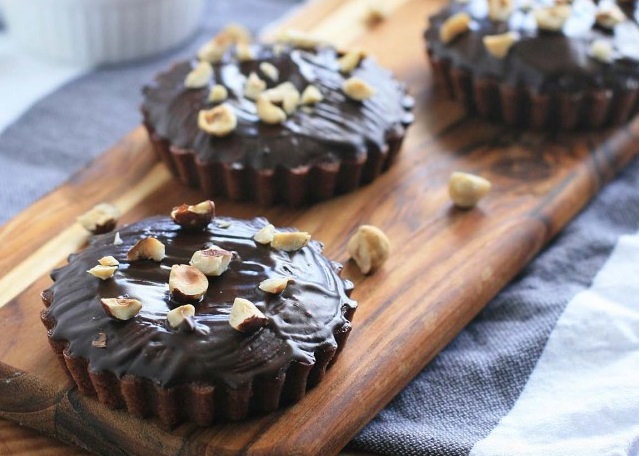
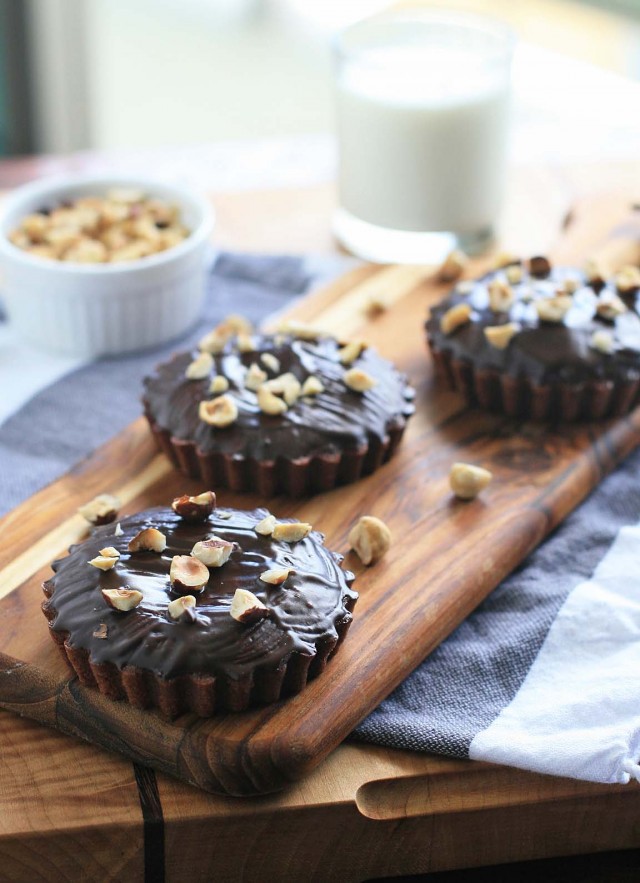
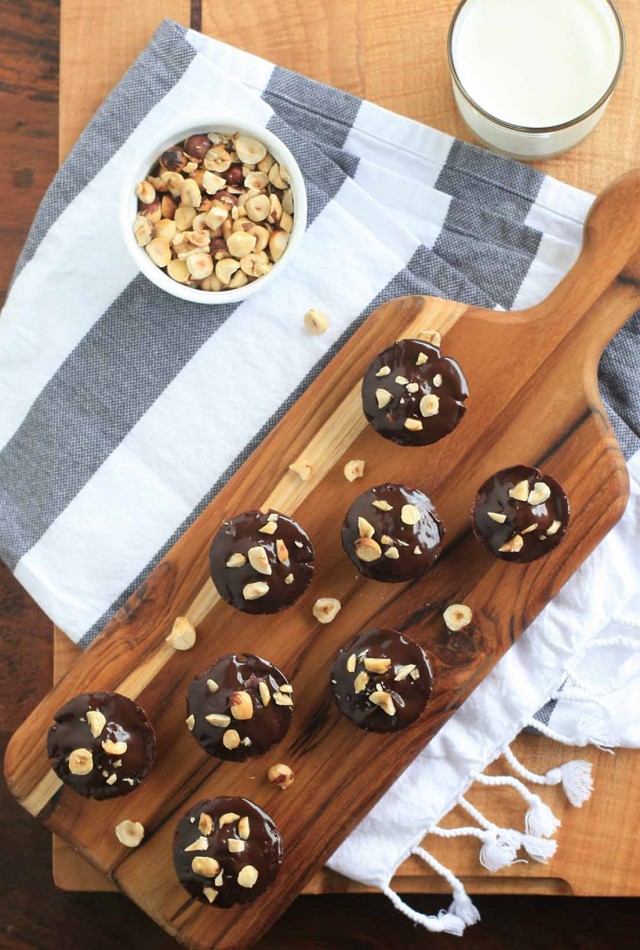
Toasted Hazelnut Fudge Cake with Mocha Glaze, Naturally Gluten-Free

0

As I sat down to do this write up and compared my notes to the original recipe, I realized that I unintentionally made several major changes.  In a rush to beat sundown, I suppose I wasn’t paying very close attention and my mind read pounds as cups.  Oops.

I have no idea what this dessert would have been like had I stayed true to the original recipe (except that it would have a whole lot more butter and sugar) but I was pretty pleased with how my version turned out.  It’s a three-layered rich and fudgy flourless cake, although the mocha glaze binds the cake together, making the layers almost indistinguishable but allowing the mocha flavor to permeate the entire cake.

I made the cake in a 12-inch by 17-inch baking sheet, but if I were to do it again, I’d make it in a 9-inch by 13-inch baking pan instead;  I think it’d be nice to have a thicker cake, although I’ll warn you that a little sliver packs a big punch, flavor-wise and probably calorie-wise as well.  I wrote the recipe below with the change.

Roasted Hazelnut Fudge Cake with Mocha Glaze

Ingredients:

Cake:
3/4 cup hazelnuts, plus extra for garnish
1-1/3 cups bittersweet chocolate chips (I use Ghirardelli 60% Cacao Bittersweet Chocolate Chips)
8 Tablespoons butter (1 stick)
1/2 cup sugar
6 egg whites
pinch of salt
butter, for greasing pan
rice flour, for flouring pan

Mocha Filling:
1/2 cup sugar
1/4 cup very strong coffee
2/3 cup bittersweet chocolate chips
6 Tablespoons butter
6 egg yolks

Directions:

Cake:

Preheat the oven to 325 degrees. Spread the hazelnuts in a single layer on a a baking sheet. Bake until they begin to smell fragrant, and their skins are brown and split, about 7-10 minutes. Remove them from the oven and allow to cool slightly. Rub the nuts in a clean kitchen towel; the skins will come off (a small amount of skin remaining on the nuts is normal. I also like to leave a couple with skins on for garnish). Using a blender or food processor grind the nuts into hazelnut flour. Increase oven temperature to 375 degrees.

Prepare the cake by softening 1 1/3 cups of chocolate chips in a double boiler and allow to cool slightly. Using an electric mixer, whip the stick of butter with the 1/2 cup of sugar until light and fluffy. Stir in the melted chocolate and hazelnut flour and stir thoroughly to combine.

Using clean beaters, whip the egg whites with a punch of salt until very stiff. Add about a quarter of the egg white to the chocolate hazelnut mixture to lighten and mix well. Gently but thoroughly fold in the remaining egg whites.

Thoroughly butter a 9-inch by 13-inch baking pan and generously dust with rice flour. Pour in the mixture and bake for approximately 20 minutes, or until a toothpick inserted into the center comes out clean. Let cool.

Mocha Glaze:

Meanwhile make the mocha glaze by combining 1/2 cup of sugar and coffee in a small saucepan over medium heat. Cook for 3-4 minutes, until syrupy. Let cool slightly. Mix in 2/3 cup of chocolate chips and and 6 Tablespoons of butter and stir until the chocolate is melted and the mixture is smooth. While stirring, add the egg yolks in one at a time. Keep stirring until the filling thickens. Let cool.

Assemble the Cake:

Cut the cake into 3 pieces of equal size (9-inch by 4 1/3-inch). Place bottom layer on a piece of wax paper and slather with some mocha glaze. Place another piece of the torte on top and place more glaze on top. Top with the final piece of torte and spread the remaining glaze over the top and sides of the torte. Sprinkle with chopped hazelnuts.

Sweet Jellied Coconut Squares- Coconut Sweetmeat

0

With all the Asian and Pacific coconut desserts out there (mochi, bibingka, haupia, etc., etc.), it’s always surprising when a recipe using a similar list of ingredients to many other desserts results in something that seems entirely different and unique.  Such was the case for these coconut squares; they were thick, coconutty and creamy with a unique jellied texture.  For those of you who are familiar with Asian/Pacific desserts, they had a similar mouthfeel to Chinese Steamed Rice Cakes (Pak Tong Koh?) but with a coconut flavor similar to Hawaiian Haupia.

The original recipe called for the cashews to be mixed into the coconut squares but I found that they were distracting to the otherwise creamy and smooth texture.  I would have preferred them sprinkled on top with the coconut, and so I changed the recipe below to reflect that.

Sweet Jellied Coconut Squares

Yield: About 25 coconut squares

Ingredients:

* 2 cans (15 ounces) coconut milk
* 1/4 cup maple syrup
* 6 ounces grated jaggery (this ended up being about 1-1/3 cup)
* Pinch salt
* 1-1/3 cup rice flour
* Cashews (optional)
* Toasted coconut (optional)

Directions:

Butter or grease a 9-inch square baking pan and set aside.

Combine the coconut milk, maple syrup, jaggery and salt in a medium bowl and stir to combine. Put the rice flour in a heavy-bottomed medium saucepan and gradually whisk in the coconut milk mixture. Bring to a boil over medium heat, stirring continuously. Cook until the mixture pulls away from the sides of the pan.

Pour into the prepared pan and flatten. Sprinkle with the chopped cashews and toasted coconut, if desired. Let cool to room temperature, cover with wax paper and refrigerate until cool. When cold, cut into desired size.

Sri Lankan Black Shrimp Curry with Roasted Spices

One of the things that makes many Sri Lankan curries unique is the fact that they roast their spices until they reach a dark hue.  Roasting the spices intensify the flavors and give it a rich, almost smoky flavor.  They call the curries made with these darkened spices black curries.

The original recipe used toasted whole spices before grinding them, but I’m guessing that more of you are likely to have these spices in ground form. So I adapted it as best I could; I think it worked out quite well.

You’ll notice that there aren’t any vegetables in this recipe to help add volume or bulk, so be sure to have at least one or two vegetables on the side as well as plenty of rice (rice recipes here).

Sri Lankan Black Shrimp Curry with Roasted Spices

Adapted from From Curries to Kebabs: Recipes from the Indian Spice Trail

3 Tablespoons vegetable oil
1/3 cup minced shallots
1 Serrano pepper, sliced into thin rounds
2 teaspoons ground coriander
1 teaspoon ground cumin
1/2 teaspoon fenugreek seeds
1 teaspoon ground cinnamon
1 teaspoon cayenne pepper
pinch ground cloves
1/2 teaspoon ground cardamom
3 cloves garlic, minced
2 teaspoons grated fresh ginger
1 stalk lemongrass, woody ends removed, and bruised
1/2 teaspoon salt
1 teaspoon paprika
1 cup water
1 pound shrimp
1 cup coconut milk
cilantro leaves, for garnish (optional)

Heat the oil in a large saucepan or large, wide frypan with a cover, over medium-high heat.  Add the shallots and Serrano pepper and cook for one minute.  Then, add the coriander, cumin, fenugreek, cinnamon, cayenne, clove, and cardamom and stir to mix well.  Cook, stirring constantly, until the mixture turns a couple shades darker and becomes very fragrant.

Add the garlic and ginger, mix, and cook for one more minute.  Add the lemongrass, salt, paprika, and water, stir, and bring to a simmer.  Reduce the heat to low and simmer, covered, for 15 minutes.  Finally, add the shrimp and coconut milk and simmer, uncovered, on low heat until the sauce is hot and the shrimp are cooked through.

Top with cilantro leaves, if desired.

Serves four, with rice and at least one side.

Spicy Cashew Coconut Chicken

I’m just going to say it straight up. This is definitely my favorite Sri Lankan recipe so far and quite possibly my favorite recipe this month.  Chicken gets marinated in a spicy coconut cashew paste, browned on the stove, and then gets finished off by a simmer in a coconut milk.

It’s really the perfect dish to serve at a dinner party. Unique enough to impress your foodie friends, but familiar enough to appeal to non-adventurous eaters and kids. It’s also a perfect match for that Sri Lankan rice  that I posted a couple days ago.

Spicy Cashew Coconut Chicken

Yield: 6-8 servings

Ingredients:

* 1/2 cup roasted cashews
* 1/4 cup toasted, unsweetened, dried coconut
* 1/2 medium onion, roughly chopped
* 1/4 cup canned diced tomatoes
* 2 Tablespoons water
* 1 teaspoon cayenne
* 2 teaspoons ground fennel
* 2 teaspoons ground cumin
* 1/2 teaspoon fenugreek seeds
* 1 Serrano pepper, quartered lengthwise
* 1/2 cinnamon stick
* 1/2 teaspoon fresh minced ginger
* 2 pounds boneless chicken (I used thighs)
* 2 Tablespoons oil
* 1 can (~15 ounces) coconut milk
* Salt and pepper to taste

Directions:

To prepare the marinade, grind the cashews, coconut, onion, tomatoes and water in a blender or food processor until it becomes a thick, gritty paste. Remove to a large bowl and add the cayenne, fennel, cumin, fenugreek, Serrano pepper, cinnamon stick and fresh ginger and stir to combine. Add the chicken and coat each piece well. Place in the refrigerator and let marinate for an hour.

Heat the oil in a large sauté pan over medium heat. Add the chicken and brown each side, about 5-6 minutes each side. Add the coconut milk and bring to a boil. Reduce heat and simmer, uncovered, until the sauce has mostly evaporated, about 15 minutes. Add salt and pepper to taste.