
Home Blog Page 8

Budget-Friendly Plumbing Ideas for Your Kitchen Renovation

Ready to remodel your kitchen but don’t want plumbing costs to “flush” all of your funds?

Kitchen remodeling costs can skyrocket in a matter of days if you’re not careful. And the worst part is that plumbing alone averages $1,460 for a complete kitchen renovation. That’s before you even spend a dime on that farmhouse sink you’ve been daydreaming about for months.

The good news is, there are ways to trim your kitchen plumbing expenses without sacrificing quality. With a little careful planning and some strategic thinking, you can save thousands of dollars during your kitchen renovation without missing out on the functional space you desire.

Why Kitchen Plumbing Costs Inflate So Quickly

Kitchen plumbing is so much more than swapping out a faucet. There’s moving water lines, drainage, appliance connections, building code requirements, and more.

Think about what happens behind the scenes of your sink, dishwasher, refrigerator ice maker, water filter, garbage disposal, and any other fixtures that require water connections. Each of these requires drainage too.

It’s easy to see how moving plumbing fixtures around is where kitchen renovation costs quickly climb. Add in appliance upgrades like a dishwasher, refrigerator, range, or disposal and your overall plumbing budget can balloon before you know it.

With the median cost of kitchen remodeling currently at $24,000, it’s crucial to identify places you can cut costs without impacting quality.

The “Keep Everything Where It Is” Strategy

What is the most inexpensive way to reduce kitchen renovation plumbing costs?

Don’t move anything.

I’m serious. Moving kitchen plumbing fixtures is where your budget blows up. It’s not the cost of the fixtures themselves, it’s the moving of all of the pipes. Floors get torn up, new water lines are run, drainage pipes get rerouted, and permit costs are incurred when fixtures are relocated.

If you keep your sink, dishwasher, and other plumbing fixtures in their original locations you bypass all of this. The work is done in place, saving you thousands of dollars. Working with a qualified plumber for your kitchen renovation early in the planning phase can help you identify the most cost-effective fixture placement options.

Unless moving your plumbing fixtures is absolutely critical to the kitchen renovation plan, this should be your first line of consideration. It’s by far the best way to avoid inflating your kitchen remodeling plumbing budget.

You can still make plenty of other updates and changes that fit within the existing layout without moving fixtures around.

Smart Fixture Selections That Save Money

The best part of modern plumbing fixtures is that…

You can get budget-friendly ones that don’t look cheap. The key is knowing where to invest in quality and where to economize.

Budget-Friendly Fixture Ideas

  • Quality mid-range faucet over designer brands
  • Standard stainless steel sink instead of custom materials
  • Avoid the luxury of a pot filler; they are an expensive luxury
  • Standard-size fixtures that don’t require custom plumbing

The finish on your fixtures is far more important than the brand for visual impact. You can pick up a $200 faucet in brushed nickel that looks just as stunning as an $800 designer model.

Budget-Friendly Plumbing Options

Beyond fixture choices, the entire kitchen renovation plumbing plan should be economical without cutting corners. Here’s where:

  • Choose quality mid-range fixtures instead of luxury or budget brands
  • Keep standard-size fixtures in place to avoid custom plumbing
  • Plan simple changes that don’t require pipe moving
  • Do as much of the work yourself that is reasonable

Safety is paramount when it comes to DIY plumbing. Know what you can handle and leave other tasks to professionals.

DIY Plumbing Projects You Can Do

There are some kitchen remodeling updates you can definitely tackle yourself. These DIY projects will save you hundreds on labor costs:

Safe DIY Kitchen Plumbing Projects

  • Installing a new faucet
  • Replacing a garbage disposal
  • Adding a water filter under the sink
  • Connecting a dishwasher drain hose
  • Installing a new sprayer head

Know your limits! Plumbing jobs you should always leave to professionals.

Kitchen Plumbing Projects For Professionals

  • Moving gas lines for a new stove location
  • Relocating water supply lines
  • Permit-required work
  • Installing new drainage systems
  • Working on the main water shutoff

Professional plumbers have the tools, insurance, and knowledge to complete this work safely and correctly.

Reuse And Upgrade Strategy

Some of your existing plumbing components may be reusable or upgradable rather than replaceable.

For example:

If your existing pipes are in good shape, you might only need to swap out the fixtures. Your plumber can advise what is worth keeping and what should be replaced.

Reuse plumbing pipes that are in good condition and upgrade fixtures as needed.

Timing Is Everything With Plumbing

There’s a way to squeeze even more savings out of your kitchen plumbing budget…

Time it right. Plumbers, like most contractors, have peak and off-seasons. Winter months (outside of the holiday period) are often slower for plumbers, so may offer some rate negotiation.

You should also bundle your plumbing work. Do multiple projects at once to reduce labor costs. If you’re completing more than one job, doing them all at the same time will be less expensive than staggered projects.

The Permit Reality Check

Permits. They add hundreds, if not thousands, to any remodel. Why should you care for kitchen plumbing?

Permit costs usually fall in the range of $500-$1,500 depending on your area. And while the last thing you want to hear is how much MORE it will cost, don’t skip permits!

Unpermitted work can tank your home sale, force you to rip out and redo the work, land you in major fines, and create liability issues. It’s not worth it. Permit costs should be factored into your kitchen budget from the start.

Ask your plumber about permit costs early in the project timeline so it’s included in your budget from the start.

Get Multiple Quotes

Here’s something that should be a no-brainer, but most people skip this essential kitchen remodeling tip…

Get three quotes for your kitchen plumbing work. Every plumber charges different rates, and the variance between high and low can be astounding.

But don’t just pick the lowest. Consider what’s included in the quote, the plumber’s experience and reviews, when they can complete the work, and what their work guarantee is.

Shop around and consider all the factors above. If it sounds too good to be true, it probably is.

Budget-Conscious Plumbing Tips To Sum Up

Kitchen remodeling does not have to be a gutting of your bank account. By keeping existing plumbing fixtures in place, choosing mid-range materials instead of designer brands, and knowing which projects you can DIY and which require professionals, you can slash your overall plumbing costs by thousands of dollars.

The key is in planning everything out upfront and making educated decisions. Call in the qualified professionals for the complicated work and complete what you can yourself, but don’t sacrifice quality for the cheapest option available.

Remodeling your kitchen can be both beautiful and budget-conscious. It just takes some strategic planning and a willingness to be flexible on the small stuff that doesn’t really matter in the long run.

Remember To Use These 8 Ingredients When Cooking in College

Cooking in college can be challenging. With exams, late-night study sessions, and tight budgets, it’s easy to rely on instant noodles. However, using a few key ingredients can boost your energy and stretch your budget. The right staples save time, balance your meals, and help you become more resourceful. Let’s explore how to make your student kitchen work for you. If you’ve looked for ways to simplify student life, you know every saved minute matters. You can even pay for PowerPoint presentation when projects pile up, giving you time for healthier eating. With that hour, start cooking with these 8 essentials every college kitchen needs. Here’s what should always be on your grocery list:

1. Eggs, The Irreplaceable Classic

No ingredient is as versatile as eggs. They provide high-quality protein for long-lasting energy, support muscle recovery, and are budget-friendly. Scrambled eggs with vegetables or a quick omelet make a balanced meal in minutes. You can even bake them into muffins with spinach or cheese for easy grab-and-go breakfasts. When your energy dips, nothing beats a fried egg sandwich as a fast, warm comfort meal that costs less than a cup of coffee.

2. Oats, The Filling Foundation

Oats belong in your pantry. Besides breakfast, use them for overnight oats, smoothies, or adding texture to meatballs or cookies. Oats provide fiber, which helps keep you full and supports steady energy. Mix oats with fruit, peanut butter, or honey for a portable energy boost. Try blending oats into a smoothie to make it thicker and more nutritious, or bake them into bars for late-night study snacks. The best part is that they require almost no effort, just soak, mix, or heat, and you’re done.

3. Rice, The Backbone of Every Student Meal

Rice is a blank canvas. It’s affordable, shelf-stable, and offers carbohydrates that help fuel your brain and body through long study sessions. Brown rice adds fiber for digestive health; jasmine or basmati provide flavor variety. Use it for stir-fries, bowls, or soups. Add frozen vegetables and soy sauce for a complete meal. You can also turn leftover rice into fried rice or stuffed peppers to minimize waste. Once you learn how to season it properly, rice becomes the base of countless quick, affordable dishes that actually taste good.

4. Beans, The Silent Protein Hero

Canned beans are the secret to quick, nutritious meals. They supply plant-based protein for muscle maintenance, fiber for digestion, and iron for preventing fatigue. They’re ideal for vegetarians or anyone trying to stretch their budget. Mix them with rice, toss them in salads, or mash them into wraps. Black beans and chickpeas are particularly versatile, and they retain their fresh taste after a simple rinse. You can make a simple bean chili in under fifteen minutes or a creamy hummus for spreading on toast. Because they last so long, beans make it easy to have an emergency protein source when you’re running low on groceries.

5. Leafy Greens, Your Health Insurance in a Bag

Spinach, kale, and arugula may sound fancy, but they’re packed with vitamins A, C, and K and help support your immune system and brain function during exam season. They cook quickly, work in smoothies, and make pasta or sandwiches healthier. Frozen versions last longer and retain nutrients, saving money and fridge space. Greens add color, texture, and balance to heavy meals, helping you feel full without feeling weighed down. You can stir them into scrambled eggs, blend them into sauces, or sauté them with garlic for a quick side dish. They’re the easiest way to sneak more vitamins into your daily routine without extra effort.

6. Potatoes, The Comfort Food That Works Hard

White or sweet potatoes are filling, affordable, and a great source of complex carbs for energy. Sweet potatoes deliver vitamin A and natural sweetness, supporting vision and immune health. Roast, mash, or make wedges with olive oil and seasoning. You can microwave a whole potato in minutes for an instant base for toppings like beans, cheese, or leftover vegetables. With a few spices, potatoes can replace expensive takeout fries and still taste better. They also store well, so you’ll never waste a bag if you rotate them into weekly meals.

7. Olive Oil, The Flavor Multiplier

A drizzle of olive oil transforms bland food. It’s a source of healthy fats, helps absorb nutrients, and works for cooking or dressing. A small bottle of high-quality oil enhances both taste and health. Olive oil is perfect for roasting vegetables, frying eggs, or finishing pasta with a silky texture. It elevates even basic meals, such as canned tuna or simple toast. Keep it stored in a cool, dark place, and you’ll have a versatile flavor enhancer that lasts for months.

8. Frozen Vegetables, The Backup Plan

Even when your fridge looks empty, frozen vegetables can rescue dinner. They require zero prep, cook in minutes, and prevent you from skipping greens when life gets chaotic. Keep a mix of broccoli, peas, and corn handy; they pair perfectly with rice, eggs, or beans for a quick, balanced meal. You can steam or sauté them in olive oil and garlic to create a fresh and instant side dish. They’re also great in soups, stir-fries, or casseroles when you need to stretch other ingredients. Having them on hand keeps you from wasting produce and ensures your diet never slips too far off track.

Building Healthy Habits Around Simple Ingredients

College cooking isn’t about gourmet recipes, but smart combinations. Using these ingredients provides numerous easy meal options that avoid processed food. For example, a combination of rice, beans, and vegetables forms a complete protein, while eggs and greens create a nutrient-rich breakfast bowl.

This mindset, doing more with less, is the same logic that helps students organize their study habits or delegate academic tasks strategically. Productivity expert Eric Stelee notes that staying efficient in college involves balancing energy, effort, and planning. It’s the same philosophy that the best paper writing service platforms, like WritePaper, use to help students focus on what truly matters: time management and quality results. Cooking smart follows the exact same principle: invest effort where it counts, and simplify the rest.

Final Thoughts: Cooking for Energy, Not Just Survival

Treat your pantry as a toolkit, and cooking becomes self-care. These 8 essentials cover protein, carbs, vitamins, and flavor. They help you through study sessions, deadlines, and the stress of last-minute takeout runs.

By stocking these essential ingredients and exploring new combinations, you’ll turn everyday cooking into an empowering act of self-care. With each meal, you’ll boost your energy, save money, and develop habits that last far beyond college. Remember: healthy cooking is not just about getting by—it’s an investment in your well-being and your future.

Learn to Cook Without Books: A Survival Guide for Students

College life is a mix of freedom, caffeine, and the constant hunt for food that doesn’t come in a takeout box. At first, instant noodles feel like an acceptable tradeoff for independence. But by mid-semester, the idea of another microwave dinner starts to feel more like punishment than convenience. You need to learn to cook to simply stay healthy, save money, and build confidence one meal at a time.

Cooking, much like writing, is an experiment. You start with what you have, add something new, and hope it turns into something edible. When you’re short on time and guidance, you need quick ways to get results. That’s where PaperWriter helps by handling your essay assignments, so you can dedicate more focus and energy to learning other vital skills, like cooking. By managing your academic workload with PaperWriter, you gain the breathing room needed to develop practical survival skills in the kitchen.

The No-Recipe Mindset

Cooking without recipes sounds intimidating until you realize it’s how most people actually learn. Forget about precision for a moment; start with principles. Every dish has the same building blocks: something savory, something starchy, and something that ties it all together.

The Rule of Three

Every balanced meal has three parts:

  1. Base: rice, pasta, potatoes, or bread.
  2. Protein: eggs, chicken, beans, or tofu.
  3. Flavor: sauce, herbs, or cheese.

If you can combine one from each group, you can cook. Scramble eggs with rice and soy sauce, toss pasta with olive oil and leftover vegetables, or bake potatoes topped with canned beans and cheese. You’ll start to see patterns, not instructions, and that’s the key to cooking without books.

Pantry = Power

A well-stocked pantry saves you money, time, and frustration. The goal isn’t to buy everything at once but to build a core supply you can stretch into dozens of meals.

Here’s a simple starter kit:

  • Dry goods: rice, pasta, oats, lentils.
  • Canned goods: beans, tomatoes, tuna.
  • Essentials: olive oil, salt, pepper, and garlic powder.
  • Add-ons: soy sauce, chili flakes, and peanut butter.

With these basics, you can improvise almost anything. Pasta with peanut butter and soy sauce becomes an easy noodle bowl. Canned beans with tomatoes turn into a fast chili. The trick is to think of ingredients as building blocks, not single-use items.

Learn to Taste, Not Just Cook

When you’re not following a recipe, your taste buds become your guide. Start small and taste as you cook. Ask yourself simple questions: too salty, too bland, too sour? Then adjust. Add acidity (lemon, vinegar) if it feels flat, salt if it feels dull, or sweetness (a drop of honey or ketchup) if it’s too sharp.

This is how you build intuition. It’s the same logic that makes a good essay flow: revision and balance. You learn by noticing what’s missing.

Tools You Actually Need

Forget the 30-piece kitchen set your aunt swears by. Most student kitchens barely fit a cutting board. Here’s all you need:

  • sharp knife
  • cutting board
  • medium pot
  • frying pan
  • mixing bowl
  • mixing spoon
  • spatula

With these, you can make almost anything: soup, stir-fry, pancakes, or even pasta sauce. You’ll also wash fewer dishes, which is a survival skill on its own.

When the Budget Bites Back

Student cooking isn’t glamorous. It’s not about culinary art; you need to be strategic. A $20 grocery budget can stretch surprisingly far with planning. Focus on ingredients that multitask. A bag of rice lasts weeks. A dozen eggs cover breakfast, dinner, and emergency snacks.

Cook once, eat twice. Make extra portions and refrigerate or freeze them. Pasta dishes, stews, and fried rice taste even better the next day.

If you need structure, treat meal planning like managing assignments. Wesley Spencer often compares time management in the kitchen to handling a research project: you plan, prep, and execute. Using a paper writing service for your essays means you have more time and less stress, making it easier to build kitchen skills while keeping up with academic demands. PaperWriter’s support lets you strike a balance when essays, exams, and dinner all collide.

Why Cooking Feeds More Than Hunger

Cooking doesn’t just fill your stomach, it restores your sense of control. College life is unpredictable, and stress peaks when everything feels unmanageable. A meal you made yourself, no matter how simple, is proof you can handle chaos.

It also builds patience and creativity. Once you learn the rhythm of chopping, seasoning, and tasting, cooking turns from a chore into meditation. And when you’ve had a long day of classes, nothing beats the quiet satisfaction of something warm you made from scratch.

From Kitchen Experiments to Life Lessons

Learning to cook without books teaches resilience. You learn to recover from mistakes. Burnt rice, over-salted soup, or dry chicken are not the end of the world. You figure out how to fix things, or at least laugh at them. That adaptability will serve you beyond the kitchen, just like balancing a heavy course load or solving unexpected problems during finals week.

Cooking Without Books: The Quick Guide

  1. Start simple. Stick to fast meals: scrambled eggs, stir-fry, or pasta with sauce.
  2. Taste as you go. Adjust seasoning every few minutes.
  3. Build your pantry slowly. Buy staples first, flavor boosters later.
  4. Learn through mistakes. Every burnt pan is a lesson.
  5. Cook with friends. It’s cheaper, fun, and great practice.

These habits will make you more confident in the kitchen, and in general life management. You’ll start to notice that learning to cook parallels learning to study effectively: both require patience, curiosity, and resourcefulness.

Final Thoughts: Feed Yourself, Free Yourself

Cooking without books doesn’t mean chaos; it means freedom. It’s about trusting your instincts, experimenting without fear, and realizing that you don’t need perfect conditions to create something good.

By the end of your first semester, your meals might still look a little mismatched, but they’ll be yours. That’s what counts. When you can feed yourself confidently and manage your workload, you’re mastering it.

How to Start a Food Business from Home And Actually Sell What You Cook

Starting a food business from home sounds like a dream for many people, as you get to cook what you love, set your own hours, and work from your own kitchen. It is one of the easiest ways to turn a passion for food into real income without the big costs of renting a restaurant space. The great thing is, with the right planning, permits, and creativity, anyone can start small and grow steadily. 

Whether you want to sell baked goods, meal kits, or homemade sauces, learning how to start a food business from home is the first step toward bringing your recipes to paying customers. Let’s start to explore!

Step 1: Pick the kind of home food business you want

“Food business from home” can mean a lot of things. It can be weekend baking, a small food business selling jars and sauces, an online food business that delivers locally, or even a trial run of how to start a restaurant from home by doing preorders or pop-up family meals. The clearer you are, the easier everything else becomes. 

If you are not sure yet, start with foods that are easy to repeat, easy to pack, and do not spoil fast. Baked goods, spice blends, sauces, chutneys, and sweets are usually the easiest foods to start. 

Step 2: Check The Rules Where You Live (TN Example)

A big question people ask is: “Do I need a license to sell homemade food in TN?” Right now, Tennessee has one of the friendliest cottage food/food freedom setups in the U.S. If you make approved foods in your home kitchen and sell them in-state, you generally do not need a state license, permit, or routine inspection, thanks to the Tennessee Food Freedom Act. You do have to label your food properly: name of the product, your name and address, ingredients, a date/lot, so products can be traced. 

Some perishable foods are allowed, but raw milk and a few other risky items are still off-limits. Always double-check local city or county rules before you sell, because zoning and sales tax can still apply. 

So, all you need to start a food business from home is: 

  1. A legal product for your state
  2. A clean kitchen, proper labels
  3. A way to get your food to customers
  4. And a basic business setup (name, bank account, and taxes). 

In some places outside TN, you may also need food handler training. 

Step 3: Decide How You Will Sell: Takeaway, Online, or Both

A lot of home cooks ask how to start a takeaway business from home because it feels close to a real restaurant, but is cheaper. You can do this in two simple ways: take orders ahead (through Instagram, Facebook, or WhatsApp) and set a pickup time, or do limited delivery in your area. Make it clear that food is “made to order,” which sounds fresher, and it also keeps you from cooking too much.

If you would rather build an online food business, start with one or two hero products and post them regularly. Use short videos showing the dish and talk about the ingredients. People trust a face more than a menu. Payment can be as basic as a bank transfer or cash on delivery when you are getting started. Later, you can add ordering tools like the ones Shopify or Stripe talk about for food businesses. 

Step 4: Make It Look Like A Real Brand

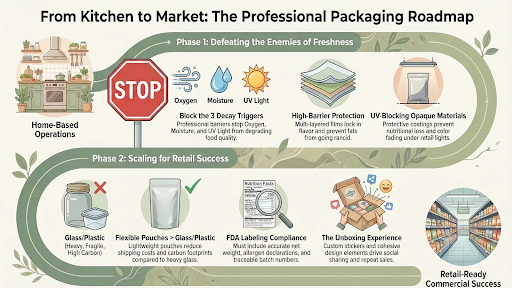
This is where most home food sellers fall behind. The food is great, but the brand looks like a side hobby. Even if you are still tiny, act like a brand: pick a business name, use the same colors and tone on socials, and package your food nicely. That is especially important if you want to sell giftable items or ship within your state. 

Good packaging makes people remember you. Imagine someone opening your brownie box and seeing your name right on it. That is free marketing. Using custom boxes with a logo adds a polished, trustworthy look that encourages customers to share photos or recommend you to friends.

Step 5: Keep it Safe And Consistent

Even when your state does not require you to get inspected, customers still expect clean, safe food. Practice batch cooking, date everything, store dry goods off the floor, and keep pets out of the kitchen when you are cooking for sale. In Tennessee, you are mostly free to sell as long as you follow the Food Freedom rules, but foodborne illness can still trigger an investigation, so it pays to be careful. 

If you decide later to move from “home cook who sells” to “real catering” or “home-based restaurant,” check again. Once you start selling through restaurants, across state lines, or shipping refrigerated food, you may leave the cottage food zone and need permits. 

Step 6: Price It Like A Business, Not Like A Bake Sale

Lots of people who start home food businesses undercharge because they are used to “bringing something” to gatherings for free. Add up ingredients, packaging, utilities, and your time. Then check what similar sellers in your city charge.

If people keep asking “how to start a restaurant from home,” this is the big difference: restaurants price for profit from day one. Your home kitchen should too.

Step 7: Grow Slowly And Legally

When your food starts selling well, maybe you are getting repeat orders for tamales, meal-prep boxes, or cakes. You can add more delivery slots, sell at a farmers’ market, or sell to offices and moms’ groups. 

If you are in TN, the current law even lets you sell a wider range of foods directly to customers in-state. This makes it a nice testing ground before you rent a commercial kitchen. 

Over time, you might turn this into a small food business with help, delivery drivers, or a shared kitchen. Also, you can stay small on purpose. There is nothing wrong with running a tidy, profitable home-based food business that fits around family life.

What Is The Easiest Food Business To Start?

Usually, it is the one who:

  1. Uses your normal kitchen tools,
  2. does not need refrigeration during delivery, and
  3. has repeat customers.

For most home cooks, that means baked goods, snacks, sauces, spice mixes, or culturally specific comfort foods that people cannot buy at the supermarket. Those are the ones that do best on Instagram and neighborhood groups. 

Learning how to start a food business from home is really about mixing three things: your best recipes, your state’s rules, and basic branding. Get those right, and whether you call it an online food business, a home-based takeaway, or just “selling what I cook,” you can absolutely do it.

How to Cook with Stainless Steel Cookware: Easy Tips For Beginners

Stainless steel cookware is a smart investment for every home kitchen. It is sleek, sturdy, and built to last years. Unlike coated or reactive surfaces, stainless steel offers a non-reactive surface that keeps your food’s flavour pure, making it a safe cooking material.  

The best part? You can use it for a variety of cooking techniques, including searing, sautéing, and simmering. Finally, the polished, mirror-like appearance makes it perfect for modern-day kitchens. 

However, many believe that stainless steel is tricky to master. In this article, we will share beginner-friendly tips on how to cook efficiently with the best stainless steel cookware. 

1) Understand the Types of Stainless Steel Cookware 

Multi-ply construction refers to how many layers of metal are fused. It ensures even heating and prevents food from sticking or burning. Here’s an overview of different multi-ply constructions: 

  • 3 ply stainless steel cookware: Features 3 alternating layers – stainless steel, aluminum/copper core, and stainless steel base. It distributes heat evenly and prevents hot spots. 
  • 5 ply stainless steel cookware: Has 5 alternating layers of aluminum/copper and stainless steel. It takes longer to heat but has better heat distribution and retention, making it great for precision cooking in professional kitchens. 
  • Triply stainless steel cookware: Another word for 3-ply, emphasizing 3 layers fused into one solid piece. 

If you are wondering where to find high-quality cookware, look no further. Home Essentials’ stainless steel cookware is a good choice. It is a durable and long-term option for both beginners and experienced cooks. It works on all stovetops, making cooking easy! 

2) Season Your Cookware Before First Use 

How to use stainless steel cookware for the best results? Season it well. Here’s how to do it:

  • Clean the cookware with mild soap and water. 
  • Dry it thoroughly. 
  • Heat it gently and coat it evenly with a thin layer of oil.
  • Let it cool before wiping off excess oil.

The thin protective layer of oil behaves like a non-stick surface, preventing food from sticking. It also extends the cookware’s life by reducing micro scratches, oxidation, and heat discolouration. Thus, you avoid corrosion and maintain the smooth finish of your cookware.

3) Preheat Your Cookware Properly 

Most people wonder how to cook in stainless steel cookware without burning the food. The skill lies in preheating it correctly. To check if your pan is ready, do a simple test:

  • Place the pan on medium heat. 
  • Sprinkle a few drops of water. If they dance and evaporate, you’re good to go. 
  • If they sit still, wait for a couple more seconds. 
  • Once it is heated, you will notice how evenly your ingredients cook, especially sautéed vegetables, seared meat, and crispy potatoes. 

Pro tip: High heat causes the food to stick and lead to discolouration. So, always use your stainless steel cookware on low to medium heat to preserve its integrity. 

4) Use the Right Oils and Cooking Techniques

Some oils cause discoloration or leave a sticky residue behind. Low-smoke oils on high heat also break down quickly, leading to unpleasant flavour. High smoke point oils, like Sunflower, Canola, or Avocado oil, are better suited here. They remain stable under high heat and prevent burnt flavours. 

Here’s how to cook in stainless steel cookware with the right oil:

  • Pour a small amount of oil into your preheated pan and spread it evenly. 
  • Wait until it shimmers before adding ingredients. 

This allows for even browning and crisp textures, perfect for making stir-fries or searing. Moreover, it ensures that food is evenly cooked and keeps your stainless steel cookware as is. 

5) Cleaning and Maintaining Stainless Steel Cookware

Stainless steel is reliable and durable. However, heat, salt and acidic foods can wear it down. Understanding how to use stainless steel cookware, including how to clean and maintain it, will ensure it performs the way it should. 

Below are some tips for post-cooking cleanup and maintenance to keep your cookware shiny and scratch-free: 

  • Avoid harsh abrasives or metal scrubbers. They can dull the finish.
  • Wash with warm soapy water and a soft sponge after cooking.
  • For burnt residue, soak in baking soda and water for some time before scrubbing.

Stainless steel cookware at Home Essentials is designed for easy cleaning and long-term use, making it a convenient choice for kitchens! 

6)  Bonus Tip: Combine Stainless Steel with Other Cookware 

Stainless steel is versatile. Thus, you can use it alongside cast-iron cookware for specific recipes. 

Use stainless steel for searing, boiling, or sautéing, where you need heat control and even cooking. Switch to a non-stick stainless steel cookware or cast iron pans for making eggs and pancakes.

It is wise to create a balanced kitchen setup. Include a mix of high-quality stainless steel and non-stick pans from Home Essentials cookware. It gives you the freedom to use multiple cooking techniques and try new dishes with ease and comfort. Moreover, it makes your kitchen more efficient. 

Conclusion: Mastering the Art of Cooking with Stainless Steel 

Remember to preheat, season, and clean your best stainless steel cookware correctly. Use the right oils and maintain low to medium heat while cooking to maintain their quality and longevity. Like any skill, mastering stainless steel takes a few tries. But once you do, it becomes one of the most rewarding cookware types.

Explore premium stainless steel cookware at Home Essentials for durable, long-lasting options to elevate your cooking experience.

5 Best Christmas Gift Ideas For Her In 2025

Christmas is just around the corner, and the lights, cozy vibes, and the joy of giving are already in the air. But when it comes to choosing the perfect Christmas gift for her, whether she’s your partner, mom, sister, or friend, the challenge is finding something thoughtful, stylish, and useful.

You don’t want another generic gift that ends up in a drawer. You want something that feels special and adds value to her everyday life.

To make your search easier, we’ve curated five of the best Christmas gift ideas for women in 2025, thoughtful presents she’ll actually love and use.

Christmas Gift Ideas She Will Love This Season

1. Vivosparks Electric Salt and Pepper Grinder Set

When it comes to Christmas gifts for women, few things combine elegance and everyday practicality like a Vivosparks Electric Salt and Pepper Grinder Set

It’s sleek, modern, and adds a touch of luxury to any kitchen. Whether she’s a home chef or just loves beautifully designed tools, this is a gift she’ll appreciate every single day.

Why is it a top pick?

  • Effortless One-Hand Operation: The electric design lets her season meals with just one hand, perfect for multitasking while cooking.
  • Built-In LED Light: Ensures precise seasoning even during cozy candle-lit dinners.
  • Adjustable Coarseness: From fine to coarse, she can customize her grind exactly how she likes.
  • Elegant Stainless-Steel Finish: A sophisticated addition to any kitchen or dining table.

This isn’t just a kitchen gadget, it’s a statement of modern living. Every time she uses it, she’ll think of your thoughtful gift and enjoy the convenience it brings to her culinary moments.

Shop the best quality Electric Salt and Pepper Grinder Set here, the perfect Christmas gift for her that blends style, functionality, and innovation.

2. Personalized Jewelry Box

When you want to give something that feels personal and meaningful, a customized jewelry box is a perfect choice. It’s not just storage, it’s a keepsake she can cherish for years.

Choose a jewelry box with compartments for necklaces, rings, earrings, and bracelets. Add a personal touch by engraving her initials, a special date, or even a heartfelt message on the lid.

Many modern options come in velvet, leather, or wooden finishes, giving them an elegant and timeless look. A personalized jewelry box is not just practical; it shows thoughtfulness, something every woman appreciates.

Perfect for: Partners, daughters, or friends who value organization and timeless beauty.

3. Spa Gift Basket

The holidays can be hectic shopping, cooking, and endless parties that can leave anyone exhausted. That’s why a spa gift basket makes one of the best Christmas gifts for her.

A luxury spa set filled with bath bombs, essential oils, lotions, and scented candles can turn her bathroom into a relaxing retreat. Go for high-quality, cruelty-free, and naturally scented products, think lavender, vanilla, or eucalyptus.

This is a thoughtful way to say, “You deserve to unwind.” You can even customize the basket by adding a cozy bathrobe or slippers to elevate the experience.

Expert tip: Look for eco-friendly packaging and organic ingredients for an extra touch of care.

Perfect for: Wives, mothers, or friends who need some “me-time” after a long year.

4. Cozy Weighted Blanket

When the temperature drops, there’s nothing better than snuggling up under a warm, soft blanket. But not just any blanket, a weighted blanket that offers comfort, relaxation, and better sleep.

Weighted blankets are designed to mimic the feeling of a gentle hug, promoting calmness and reducing stress. Studies even show that they can help improve sleep quality, something we all need during the busy holiday season.

Choose one made from breathable cotton or fleece, with evenly distributed glass beads for balanced weight. Opt for a color that matches her bedroom décor for a personal touch. This thoughtful and comforting gift shows you truly care about her well-being and rest.

Perfect for: Partners, moms, or anyone who loves cozy nights in.

5. Scented Candle Set

You can never go wrong with a scented candle set. It’s the simplest yet most effective way to create a warm, inviting ambiance during the holidays and beyond.

Candles with essential oil blends like lavender, vanilla, jasmine, or sandalwood offer a luxurious sensory experience. They’re perfect for relaxing evenings, romantic dinners, or simply adding a cozy touch to her living space.

For an extra thoughtful twist, choose a candle set that comes in a reusable jar or elegant glass holder. Many brands now offer soy-based, eco-friendly candles that burn longer and smell divine.

Perfect for: Anyone who appreciates home décor, relaxation, or self-care.

Final Thoughts

When searching for the best Christmas gift ideas for her, the key is thoughtful gifts that enhance her life, reflect her personality, and show genuine care.

From the elegant and functional electric salt and pepper grinder set to cozy home essentials like weighted blankets and candles, each of these gifts brings joy and utility to her daily routine.

This Christmas, skip the usual last-minute rush and choose something that truly resonates. Whether she’s a foodie, a homemaker, or simply someone who loves relaxing, these thoughtful ideas are sure to make her smile.

Salad Hacks Every Home Cook Should Know

How often have you admired the colorful salad plates at your favorite restaurant and wished you could recreate the same magic at home? With the right techniques and tricks up your sleeve, you can elevate your homemade salads from mundane to magnificent. This article shares some essential salad hacks every home cook should know in order to prepare glorious salads that both look and taste incredible.

Pick The Perfect Base 

While choosing salad greens, start by selecting a mix of leaves for varied textures, flavors, and colors. Prepackaged salad mixes like those offered by Taylor Farms are a good way to get an impressive variety of salad greens without buying, chopping (and then wasting much of) whole vegetables. Make sure that the leafy bases you select are crisp, not wilting, and don’t look crushed, too damp, or too dry.

Adding the Crisp

To get your salad as crisp as possible, a good trick is to immerse your leaves in ice-cold water for a few minutes before drying them. This will plump up the leaves and get rid of any wilting that might have started. When drying your leaves, use a salad spinner if you have one. If you don’t have a salad spinner, toss the leaves gently in a colander.

Dressing to Impress

When it comes to dressings, a handy ratio to remember is 3:1; three parts oil to one part acid. It’s the basic formula for a winning vinaigrette. That being said, don’t be afraid to experiment with different types of oils, vinegars, or citrus juices. Remember that the dressing should bring out the flavor of the salad ingredients and not overpower them. Always dress your salad just before serving. This will prevent your salad from becoming soggy, preserving the crunch of your vegetables.

Taste the Rainbow

Salads are a wonderful way to incorporate a variety of fruits, vegetables, seeds, and nuts into your diet. So, think beyond lettuce and cucumbers. Incorporate colorful fruits and veggies like red and yellow bell peppers, purple cabbage, and blueberries. Each color brings a different set of nutrients to your salad, making it a powerhouse of antioxidants and vitamins. 

The Ideal Assembly

Believe it or not, the order in which you layer your salad can impact its taste and texture. Start with a layer of hardy, chunky vegetables at the bottom. Next, add grains or proteins such as rice, quinoa, or chicken. Soft veggies and fruits will be your next stratum. Lastly, top your salad with nuts, seeds, and dressing. If you’re adding proteins like cheese or chicken, they should go on top. This assembly order ensures your fragile ingredients don’t get squashed and your entire salad gets equally coated with dressing.

Power up with Protein

To make your salad a complete meal, it’s important to include a good source of protein. Leftover grilled chicken, beans, tofu, pork meatballs, or boiled eggs are great choices. If you’re a fan of fish, canned tuna or smoked salmon can add a lovely flavor without maxing out the meal’s calorie budget.

Cool Contrasts

Playing with texture by adding crunchiness with nuts or croutons, creaminess with cheeses or avocados, or even both, can elevate the character of your salads immensely. Additionally, pairing contrasting flavors, like the sweetness of sun-dried tomatoes with the tanginess of feta cheese, can help create a complex, satisfying taste profile. 

In summary, creating extraordinary salads at home is an art you can master with a bit of practice and creativity. So, use these salad hacks and don’t shy away from inventing your own. Remember, salads are as much about joy and playfulness as they are about health and nutrition. Happy Tossing!

Easy Dorm Cooking Ideas That Actually Taste Good

Dorm life doesn’t exactly scream “gourmet kitchen.” You’ve got a microwave, a mini fridge, and maybe – if you’re lucky – an electric kettle that hasn’t been banned by your RA yet. But that doesn’t mean you’re stuck eating ramen and cereal every night. With a little creativity (and maybe a few sneaky kitchen hacks), you can cook meals that are cheap, satisfying, and way better than anything from the dining hall.

Cooking in a dorm isn’t about perfection – it’s about improvisation. You learn to swap ingredients, use what’s available, and make the most of tiny spaces. It’s basically life training disguised as lunch. The trick is finding recipes that fit your setup and your schedule, without burning through your budget.

If you’re juggling classes, deadlines, and cafeteria fatigue, this is where time-saving tools can help. Services like essay writer free up your study hours so you can focus on the fun stuff – like figuring out how to make a full meal in a mug. And speaking of multitasking, EssayPro‘s academic expert Annie Lambert (known for her simple approach to managing student life through organization and smart planning) says balance is the secret ingredient to surviving college – both in your studies and your diet.

Now let’s dive into some practical dorm cooking tips and recipes that don’t require an oven, a degree in culinary arts, or the patience of a saint!

Stock Your Mini Dorm Kitchen

Think of your dorm setup as a micro-kitchen lab. You don’t need fancy equipment, but a few essentials can make a huge difference. Here’s a quick starter pack:

  • Microwave

  • Electric kettle or mini hot pot

  • Mug-safe silicone lid (for steaming food)

  • Cutting board and a sharp knife

  • Reusable containers and utensils

  • A mini panini press or toaster oven (if allowed)

With those few tools, you can whip up surprisingly good meals. And remember – every dorm has at least one person who turns their rice cooker into a full-blown restaurant. Be that person.

Simple Breakfasts That Don’t Involve Instant Oats

Breakfast sets the tone for your day, but dorm mornings are chaotic. Luckily, good food doesn’t need a stove.

  1. Microwave Scrambled Eggs
    Crack two eggs into a mug, add a splash of milk, and stir. Microwave for 45 seconds, stir again, then another 30-40 seconds. Add cheese or hot sauce if you’re feeling fancy.
  2. Overnight Yogurt Parfait
    Layer yogurt, oats, fruit, and honey in a container the night before. By morning, it’s a grab-and-go breakfast that actually tastes fresh.
  3. Banana Pancake Mug
    Mash half a banana, mix with one egg, and microwave for 90 seconds. It’s sweet, filling, and surprisingly fluffy.

Easy Lunches Between Classes

You don’t have to rely on overpriced campus food to stay full between lectures. These quick meals hit the sweet spot between effort and flavor.

  1. DIY Burrito Bowl
    Mix instant rice, canned beans, salsa, and shredded cheese. Heat it all in the microwave, add sour cream or avocado, and you’ve got a customizable meal in minutes.
  2. Ramen Reinvented
    Forget the plain flavor packet. Add frozen veggies, a boiled egg, or leftover chicken to your noodles. A splash of soy sauce and sesame oil turns it into an actual dish, not a survival plan.
  3. Tuna Wraps
    Mix canned tuna with a bit of mayo, mustard, and pepper. Spread it on a tortilla with lettuce or pickles. Roll it up and you’ve got protein power in less than five minutes.

Dinner Without the Drama

After a long day, you want something hearty – not just snacks disguised as dinner. Here’s how to pull off warm, real meals with nothing but your dorm tools.

  1. Microwave Mac and Cheese
    In a large mug, mix half a cup of pasta with enough water to cover it. Microwave for 2-3 minutes, stir, and repeat until soft. Drain, then stir in shredded cheese, milk, and a pinch of salt. It’s cozy comfort food without the boxed taste.
  2. Quesadilla in a Panini Press
    Spread cheese, beans, or cooked veggies between two tortillas. Toast for a few minutes until crispy. Cut into wedges and serve with salsa or sour cream.
  3. Dorm Stir-Fry
    You don’t need a wok for this. In a microwave-safe bowl, combine instant rice, frozen stir-fry veggies, and a splash of soy sauce. Microwave for 3-4 minutes, stir halfway, and top with peanuts for crunch.

Snack Smarter

Dorm snacks can either fuel your brain or destroy your focus. Ditch the endless chips and try these quick ideas:

  • Apple slices with peanut butter and granola.

  • Microwave popcorn sprinkled with cinnamon sugar.

  • Pretzels dipped in hummus or cream cheese.

  • Frozen grapes – they’re surprisingly addictive.

Good snacks make studying easier (and cheaper than energy drinks). Keeping a small stash of healthy options means you’ll have energy for all-nighters that don’t end with regret.

Clean-Up Tricks That’ll Save Your Sanity

Let’s be honest – cleaning up is the worst part of dorm cooking. But with a few shortcuts, it doesn’t have to be a chore.

  1. Use microwave-safe bowls for multiple meals. Cook, eat, and reheat in the same container.

  2. Wipe your microwave immediately after use. Dried sauce is a nightmare to clean.

  3. Keep a small bottle of dish soap and a sponge handy for late-night cleanups.

  4. Invest in reusable containers – they’re cheaper and more sustainable than constant paper waste.

The real secret? Clean as you go. Five seconds of effort now saves twenty minutes of scrubbing later.

Final Thoughts

Cooking in a dorm isn’t about replicating your parents’ kitchen – it’s about making simple food that feels good to eat. Once you get the hang of it, you’ll realize how empowering it is to turn a few cheap ingredients into something you’re proud of.

So, grab your mug, plug in your kettle, and start experimenting. Because even in a dorm room, good food is absolutely possible.

How to Build a Dessert Business from Your Kitchen

Thinking of starting your very own dessert business? Dessert lovers always get excited to try a new dessert, even if it’s not from their favorite bakery. This opens the door to building a dessert business from your kitchen. Yes, if you have been dreaming of starting a bakery, desserts can be a good start. What are the foundations you need? Let’s find out! 

Build a Dessert Business: The Checklist

For motivation to start your bakery business, do note that the home-based dessert business industry is booming, with the global bakery market expected to reach $590 billion by the end of 2025. 

However, opening a bakery requires more than just delicious recipes. From knowledge and planning to execution, everything should be balanced. Of course, you want to build and maintain a successful home bakery business, right? 

Below is the checklist you should follow. 

Follow the Cottage Food Law

Can I bake at home and sell them?

This should be the first question in your mind right now. Before starting a home bakery, you should understand and follow your state’s cottage food laws. Remember, this is a business you’re going to start. And the last thing you want is to get penalized for not following the rules. 

Know Your Baking Skills

Next, before you start selling, you should know where you’re good at. Will your skills help in starting a pastry shop, a cake shop, or a complete dessert paradise? 

You can start by selling your desserts to friends or family members. Then, get their reviews to see which dessert they like best from you.

Create a Brand Identity

A small dessert business can be a big bakery brand if you are consistent. Whether you’re selling your desserts in coffee shops, convenience stores, craft shows, or delivering them directly to consumers, you will need to create a brand identity. Why? 

Having a unique brand identity can increase your products’ perceived value and expand your business’s reach. 

To make your bakery business unique and easy to remember, pay attention to everything from your style to the wrappers and custom packaging boxes you use to present your desserts. Ensure your logo is visible to make it easier for customers to make repeat purchases.  

Extend Your Dessert Menu

Throughout the time, you will need to improve your baking skills to fulfill consumers’ demands.  

Perform the market research to answer the main question: What is the most profitable dessert to sell?

Speaking of the most profitable desserts, there are many options, including custom cakes, cheesecakes, and pastries. These desserts are high in demand, and you can sell them at higher price points. 

Learn the 4 Day Cake Rule

With custom cakes among the most profitable desserts on the market, it’s essential to sharpen your cake-baking skills and deliver them as delightfully as they are. So, let’s learn the 4-day cake rule!

What Is the 4 Day Cake Rule?

If you’re getting a big order for events or catering, the thumb rule is not to bake your cakes a day before, as it will be a huge disaster. Instead, do the steps below. 

First Day 

  • Bake your cakes
  • Cover all the cake boards in fondant.
  • Make your cakes moist and soft with sugar syrups.
  • Create your fondant decorations, such as flowers or figurines, etc.

Second Day

  • Start layering your cakes.
  • Cover every single cake in fondant and leave it overnight.
  • Finish up your fondant decorations. 

Third Day

  • Stack and decorate your cakes.

Fourth Day

  • Deliver your cakes.

Overall, by following the timetable, you won’t feel flustered about your cake order. In fact, the 4-day cake rule is one of the best bakery ideas to help you expand your business. 

Monitor Your Spending

The most essential thing to level up your dessert business is to learn your business as it grows, including monitoring your business spending. Track how much your ingredients cost, how much the packaging costs, how much your labor is worth, and other costs for daily operations. 

Ensure your pricing is competitive with other similar bakeries in the market. Most importantly, make sure you can make a profit at that price, without compromising the quality of your items. 

Why Do Small Bakeries Fail?

According to research, about 60% of bakeries close within their first three years. However, this figure should not discourage you at all. Instead, you should know the reasons that make those bakeries fail. 

What are the factors that make many small bakeries fail?

Most small bakeries fail due to a combination of factors, including poor financial management, ineffective business operations, and a lack of strategic planning. 

The key issues are said to be:

  • Underestimating costs.
  • Poor pricing.
  • Poor cash flow management.
  • Inadequate marketing.
  • Failure to differentiate their products from competitors.
  • Neglect of quality control. 

If you don’t want to be among the 60% of failed bakeries, ensure you monitor every aspect of your business and make the necessary improvements. 

Summing Up

No doubt, desserts can be a good start if you have been dreaming of starting a bakery business. The checklists you need to build a dessert business from your kitchen include following the cottage food law, knowing your baking skills, creating your brand, extending your dessert menu, learning the 4-day cake rule, and monitoring your spending. 

So, are you ready to build your very own dessert empire?