Home Blog Page 90

Sri Lankan Rice with Cilantro and Lemongrass

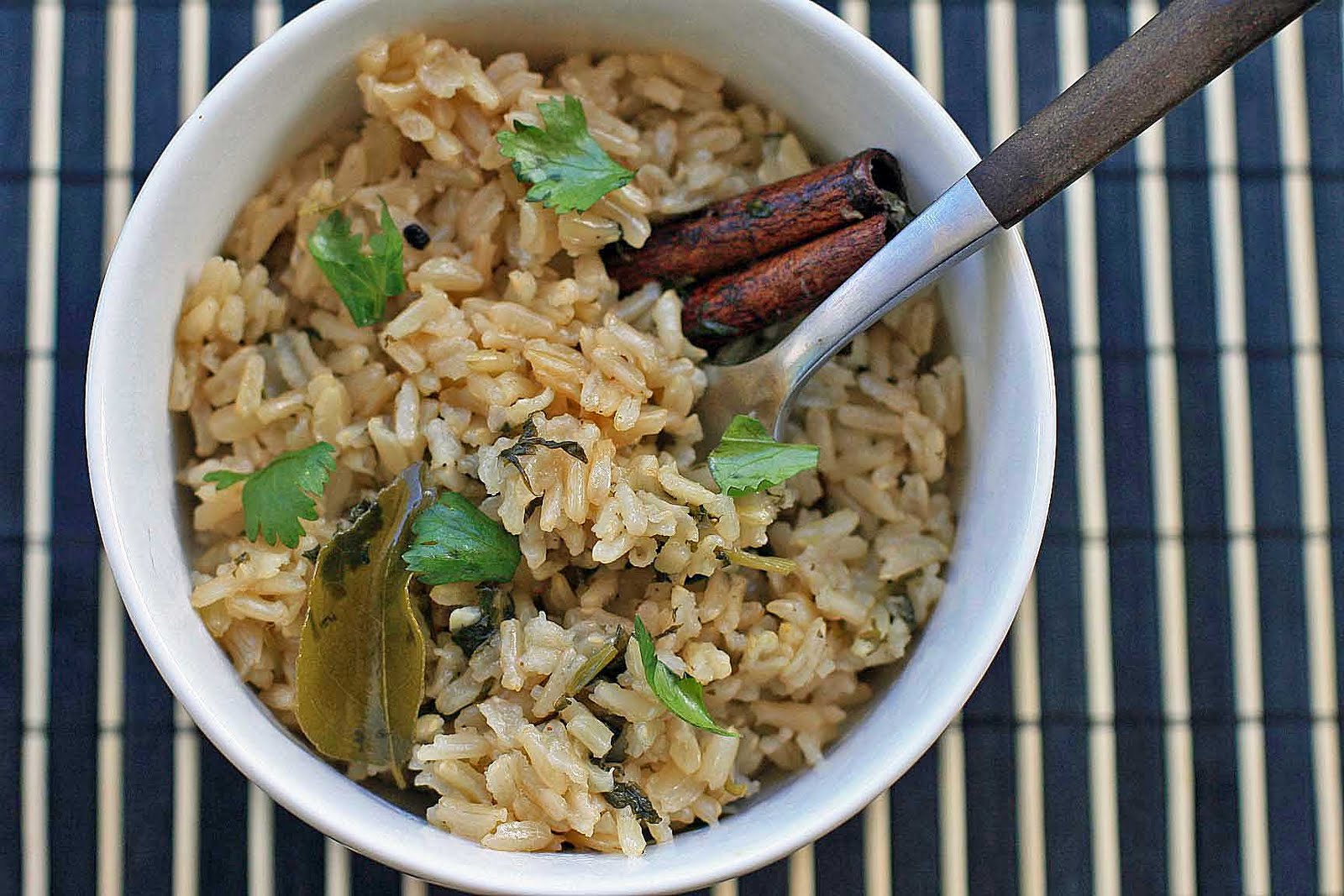
You might be wondering why I felt I needed to post two different Sri Lankan rice recipes in as many weeks. Well, it’s because those Sri Lankans sure know how to knock it out of the park when it comes to healthy, flavorful, aromatic rice.  Last week’s fragrant rice dish was simply spiced with some curry leaves, cardamom and cinnamon.  This week’s version packs in a little more flavor: lemongrass, plenty of cilantro, garlic, ginger and cloves.  It’s a great way to use up cilantro that’s starting to look a little bit sad, like mine.
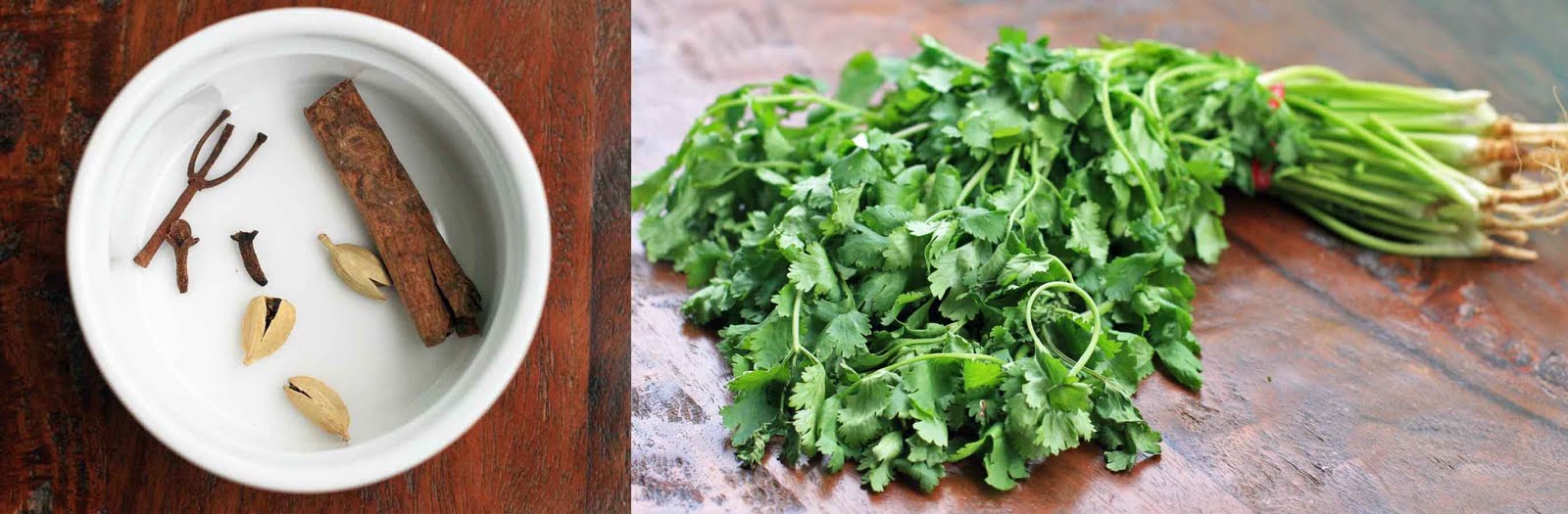
Although I love being able to just throw some rice and water into the rice cooker, these spiced rice dishes really don’t take all that much more time or effort.  And don’t be alarmed if the various spices float to the top after the simmer and your rice ends up taking on a sort of swamp-thing like appearance like mine did.  Just give it a stir or two and it’ll be good to go.
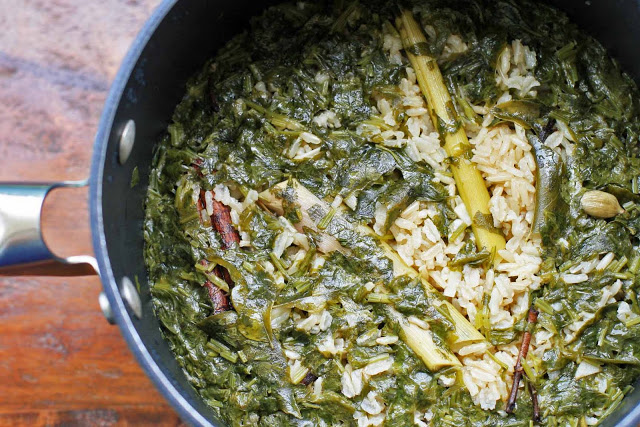
Sri Lankan Rice with Cilantro and Lemongrass
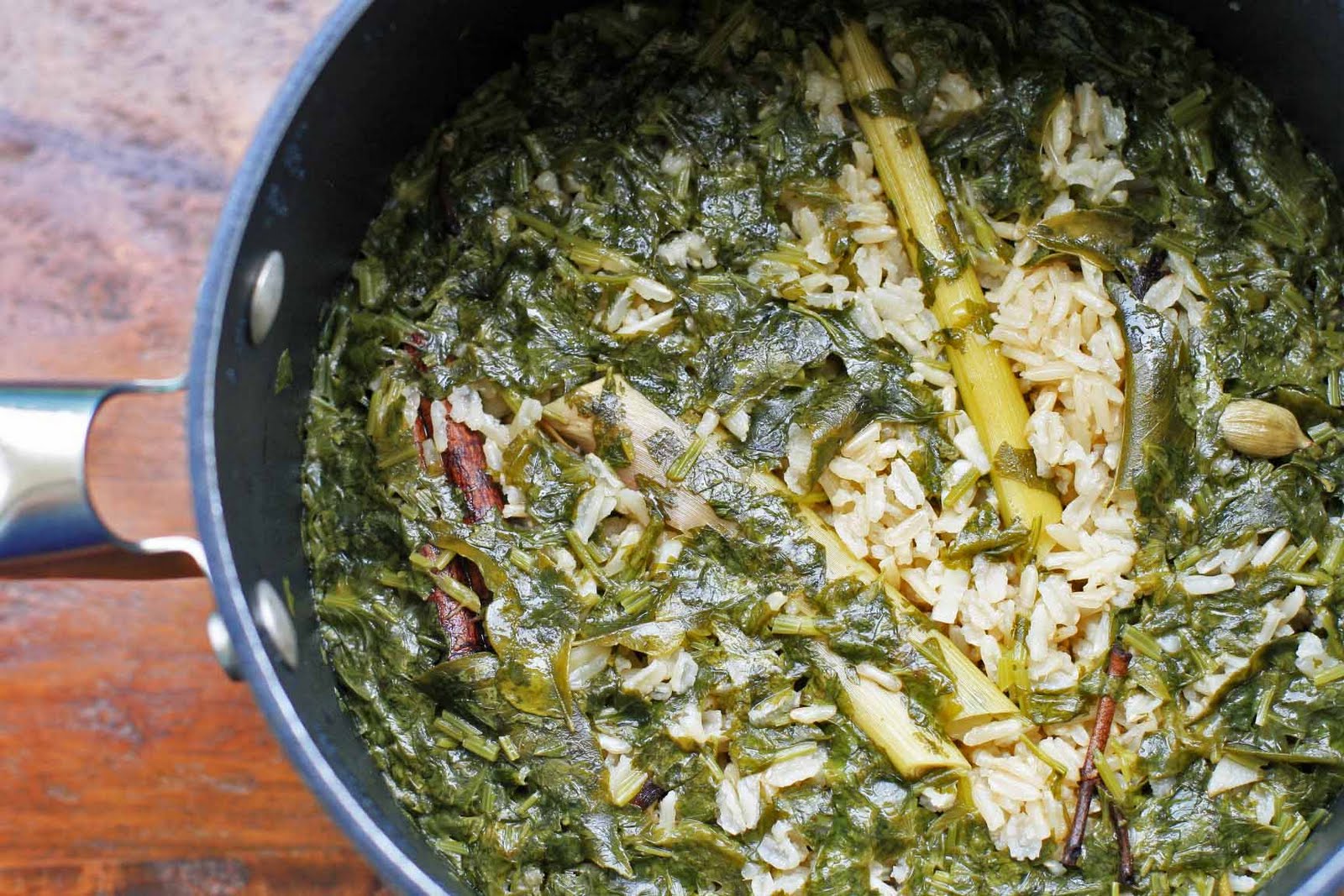
Adapted from At Home with Madhur Jaffrey: Simple, Delectable Dishes from India, Pakistan, Bangladesh, and Sri Lanka

Yield: 6 servings

Ingredients:

2 cups brown basmati or jasmine rice
3 Tablespoons vegetable oil
v3 cardamom pods, slightly smashed
3 whole cloves
1 2-inch cinnamon stick
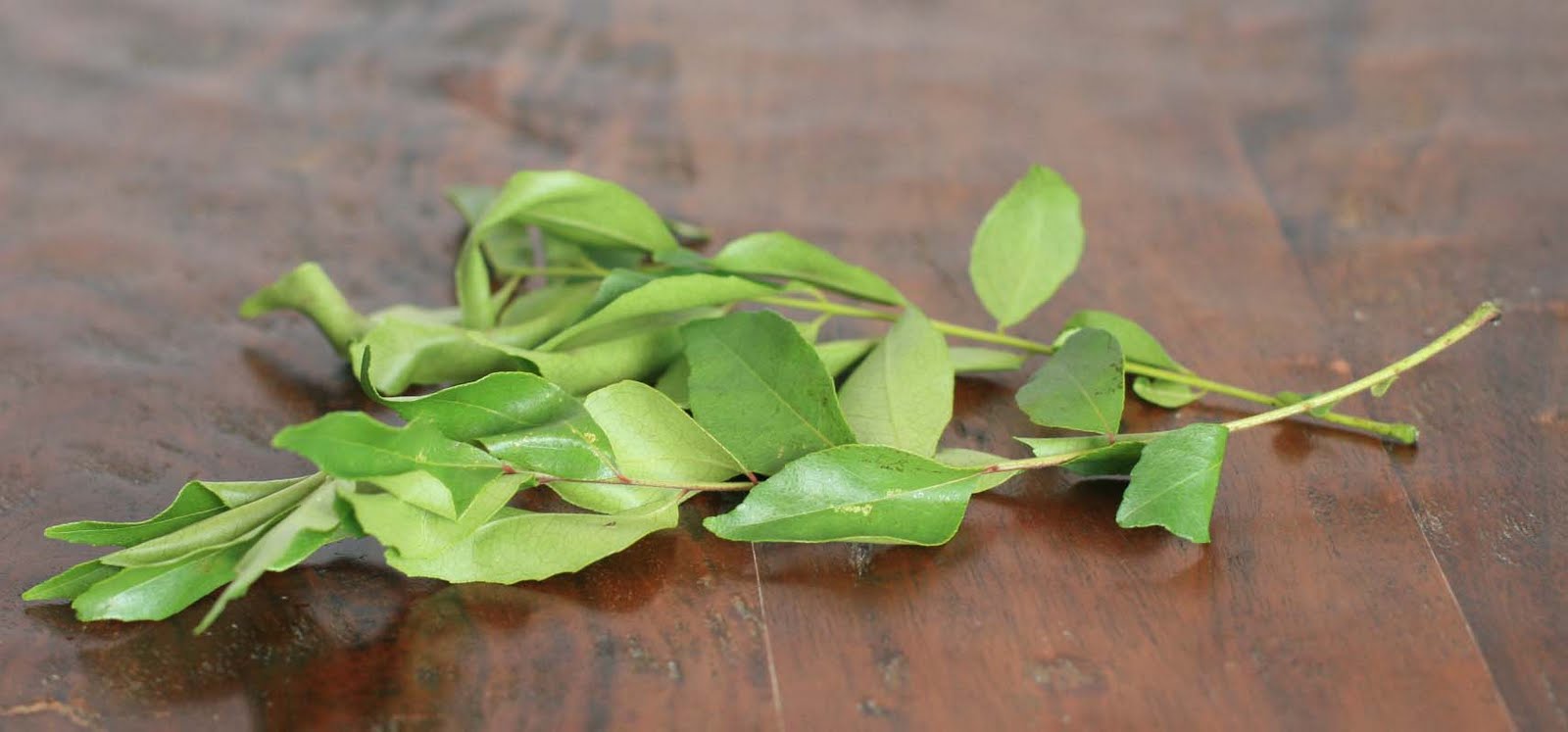
1 sprig curry leaves, about 12-15 leaves
2 cloves garlic, minced
2 teaspoons grated fresh ginger
lower white part of lemongrass stalk, bruised and cut into two pieces
1 cup packed, chopped fresh cilantro leaves and stems, plus extra leaves for garnish (optional)
2 2/3 cups vegetable or chicken broth or stock
1 teaspoon salt

Directions:

Put the rice in a fine sieve and rinse under cool water.  Place the rice in a bowl, cover generously with cold water and let cook for 30 minutes.  Drain.

Heat the oil in a medium, heavy bottomed saucepan over medium-high heat.  Add the cardamom, cloves and cinnamon.  Stir quickly and then immediately add the curry leaves, garlic, ginger, and lemongrass.  Cook, stirring often, for one minute.

Add the drained rice and cilantro, and stir to coat in the oil and spices.  Reduce heat to medium and cook for another minute.  Add the broth and salt and bring to a boil.  Reduce heat to low and simmer, covered, for twenty to twenty-five minutes, or until all of the broth has been absorbed.  Remove from heat and let sit, covered, for another five minutes.  Fluff with a fork and garnish with fresh cilantro, if desired.
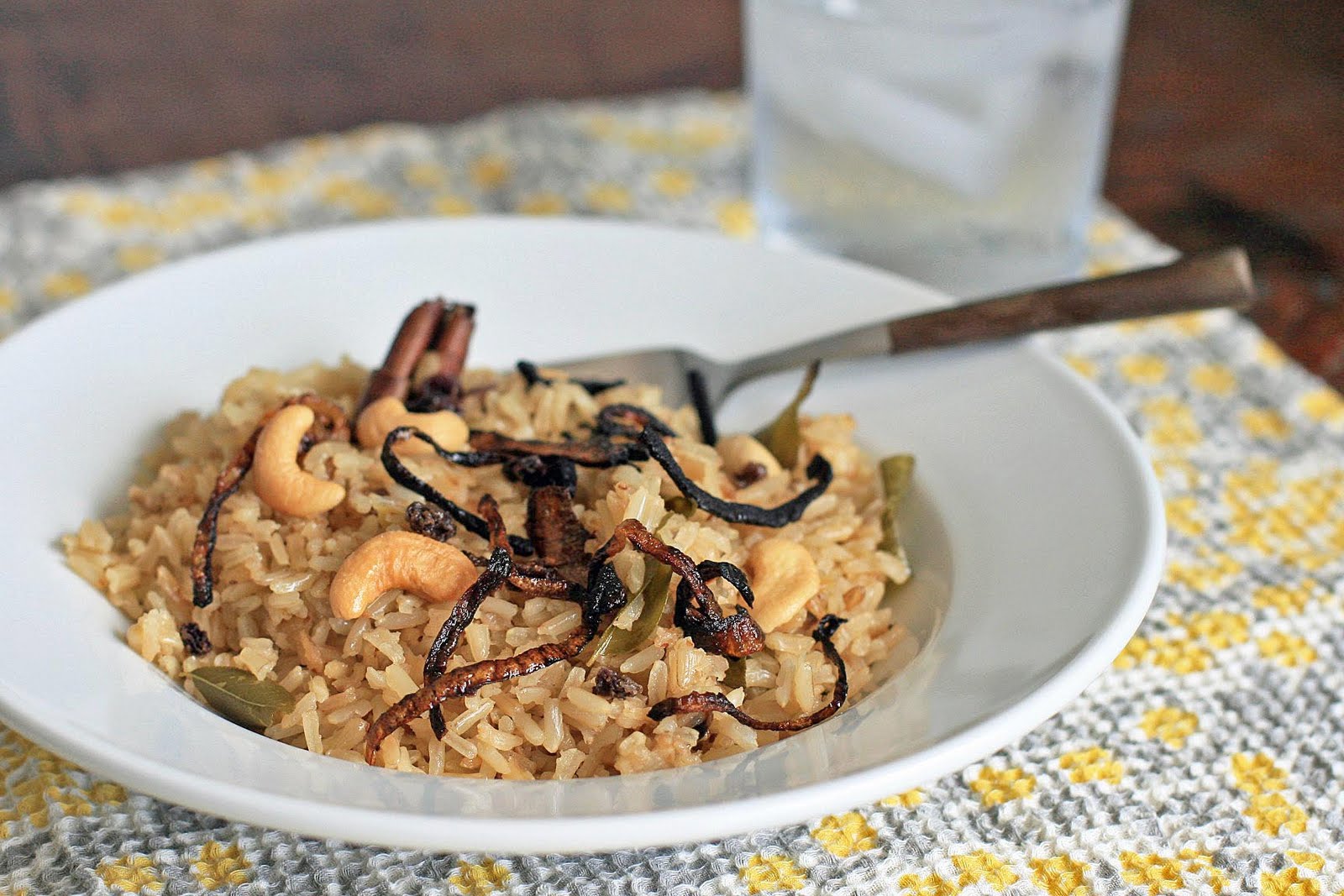
Fragrant Sri Lankan Rice

0

Sometimes when I feel sort of ambivalent about a recipe I’ve made I ask my friends who’ve sampled the food to give me their brutally honest opinion as to whether it’s blog-worthy or good enough to post.  I certainly don’t want a site that has a long list of mediocre recipes.

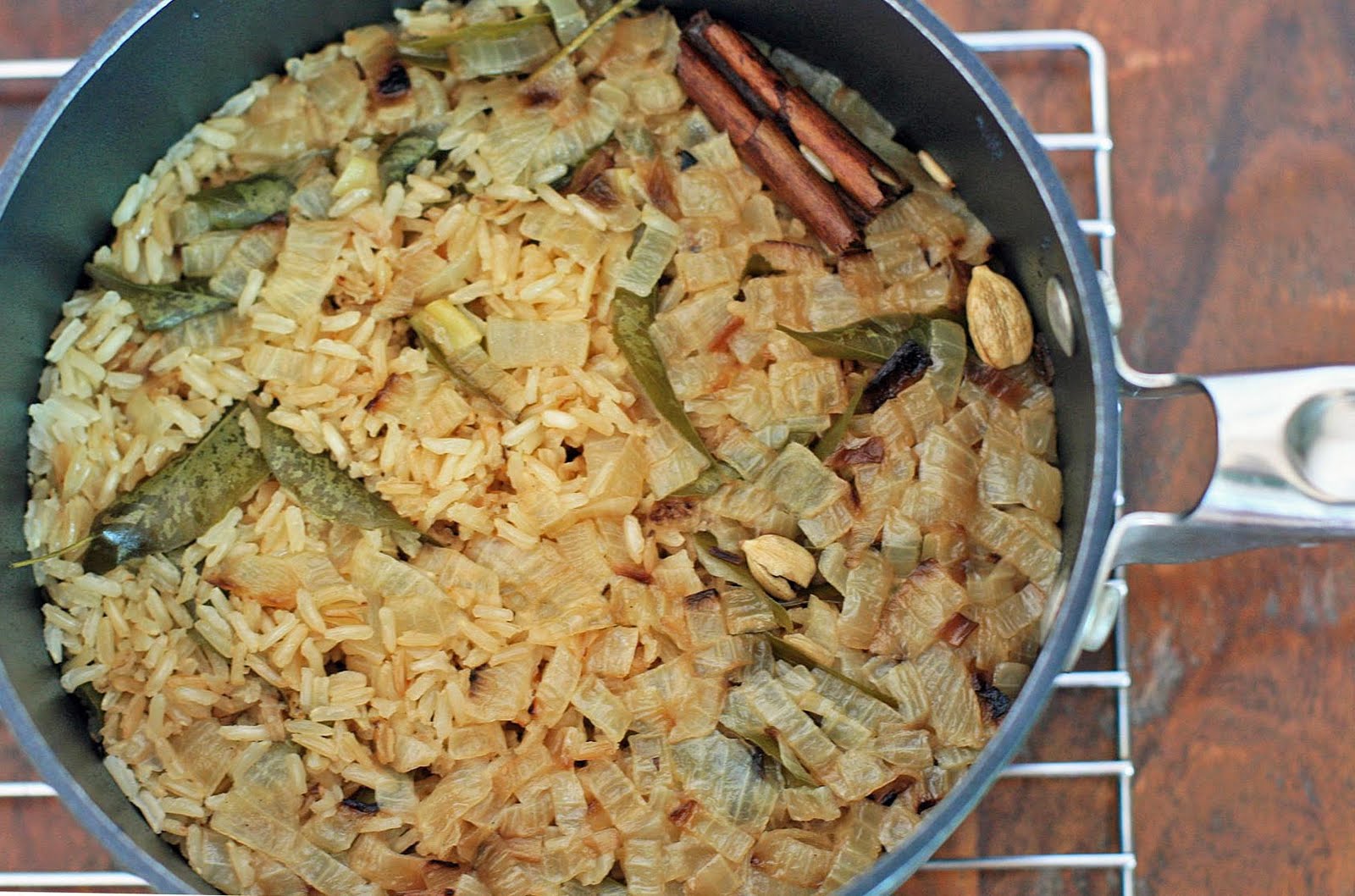
This rice, however, I had zero reservations about.  It’s super fragrant, light, fluffy, with a subtle complexity.  I would have never thought to add cinnamon or cardamom to my rice but it works.

The most important step is to really toast the rice well; that will make each grain of rice burst and split, creating that beautiful fluffy texture.  I also highly recommend making sure you have the cashews, raisins and burnt onions for garnish.  The rice is still amazing without them, but I promise these three are like a magic trifecta of awesomeness.

Fragrant Sri Lankan Rice

Ingredients:

* 3 Tablespoons butter (vegans can substitute oil)
* 1/2 medium onion, chopped
* 2 sprigs curry leaves, about two dozen leaves in total
* 2 cardamom pods, smashed
* 1/2 cinnamon stick
* 2 cups brown jasmine rice
* 3 cups chicken or vegetable broth
* 1/4 cup roasted cashews, for garnish
* 2 Tablespoons raisins, for garnish
* 1/2 cup burnt onions, for garnish

Directions:

Heat the butter in a large saucepan over medium heat. Add the onion and fry until golden. Add the curry leaves, cardamom, cinnamon stick and rice and cook, stirring often, for five minutes. The rice should be toasted and golden in color. Add the broth and bring to a boil and then reduce heat and simmer, covered, for about 20 minutes, or until all of the liquid has been absorbed. Remove from heat and let stand, covered, for five minutes. Fluff rice and garnish with cashews, raisins and burnt onions.

Note: it’s possible that brown basmati will also work, but since I used jasmine I can’t guarantee that the basmati grains will split after toasting; I think it has to do with the bran thickness. Regular medium grain brown rice will definitely not work for this recipe.

Carrot Curry

0

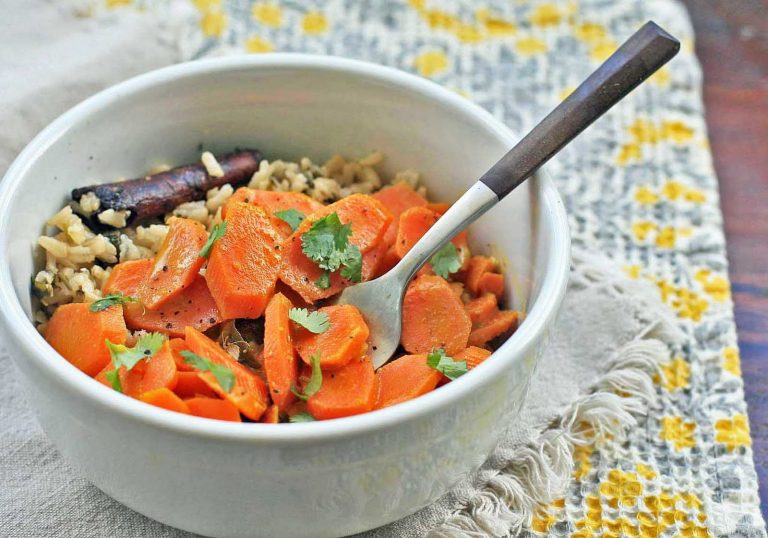
Why somebody like me, who is very much not a big carrot fan, felt the overwhelming desire to make this carrot curry is beyond me.  I’m all for carrots in a mirepoix, small chunks of it in chicken pot pie, or in small stick form as a vehicle for large globs of peanut butter; i.e, they’re fine enough in a supporting role, but certainly not something I particularly enjoy as the star of the show.
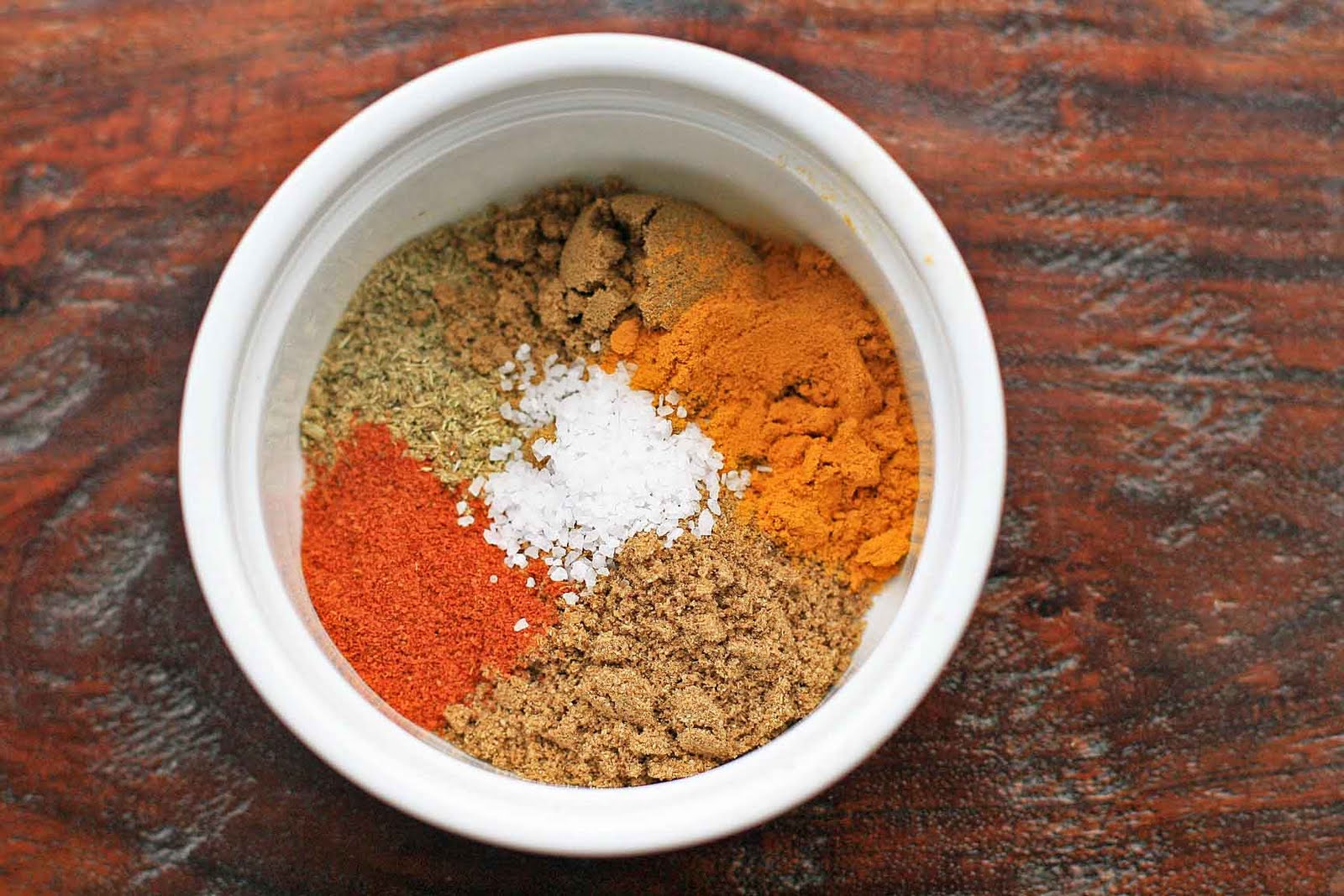


Maybe I keep trying because I keep finding isolated instances and recipes, which temporarily turn me into a carrot superfan, like this carrot-ginger-lime juice, and a carrot and ginger soup recipe from this cookbook.

At first taste, I was solidly underwhelmed by this carrot curry and decided against posting it.  What changed my mind?  When I paired it with this coconut chutney it went from being ho-hum to nominee for best supporting actor.

Carrot Curry

Yield: 6 side servings

Ingredients:

2 Tablespoons vegetable oil
3/8 cup (6 Tablespoons) finely chopped shallots
1 Serrano pepper, cut into very thin rounds
One pound carrots, peeled and cut on the diagonal into 1/4-inch rounds
1 teaspoon ground cumin
1 teaspoon ground coriander
1/2 teaspoon ground fennel (I ground whole fennel seeds in my coffee/spice grinder)
1/4 teaspoon cayenne pepper
1/4 teaspoon turmeric
1 spring fresh curry leaves, approximately 12-15 leaves
1/2 teaspoon salt
1 cup coconut milk
pepper to taste

Directions:

Heat the oil in a large saucepan or sauté pan over medium heat. Add the shallots and chili pepper and fry until the shallots have begun to soften, about two minutes.  Stir in the carrots, cumin, coriander, fennel, cayenne, turmeric, curry leaves, and salt and cook for three to four minutes.

Add the coconut milk and bring to a simmer. Reduce heat to low, cover, and simmer gently for five minutes. Remove cover and continue cooking until the carrots are at your desired level of softness.

Sujonggwa- Persimmon Punch

0

I’m pretty sure that this punch is popular year round in Korea, but the first thing I thought of when I took a sip was the winter holiday season and mulled wine drinks.  But this drink differs from its European counterparts because there’s not as much alcohol, although you can always add more, and it’s typically served cold

I always thought I had a major sweet tooth but I’ve been finding lately that there are plenty of people out there who like things much much sweeter than I do.  I already cut the sugar in half from the original recipe but found that even that was a bit sweet for my taste.  So start of with a little less sugar- it’s easy enough to add more if you feel it needs it.

This was a big hit around here.  Again, most people serve persimmon punch when it’s cold but it’s also great when still warm… I kept sneaking a spoonful or two while it was cooling.  The yang and warmth of the cinnamon and ginger would be great on a cold fall or winter night.

Persimmon Punch

Ingredients:

2 inch piece ginger, peeled and thinly sliced
1/2 to 1 cup sugar
2 cinnamon sticks
1/2 cup honey
1/2 cup rice wine
4 dried persimmons
4 walnuts
extra cinnamon sticks, for garnish (optional)

Directions:

In a large saucepan, add the ginger and 5 cups of water. Bring to a boil, then reduce heat and simmer, covered, for 20 minutes. Remove the pieces of ginger and pour the liquid into a heatproof container. In the same saucepan bring the cinnamon sticks and 5 cups of water to a boil, then reduce heat and simmer, covered, for 30 minutes. Remove the cinnamon sticks, reserving for garnish.

Pour the ginger-infused water into the cinnamon-infused water and add 1/2 cup sugar, honey, rice wine and stir until the sugar has dissolved. Taste and add sugar, if desired. Bring to a boil then removed from heat and cool to room temperature. Cover and place in the refrigerator.

About one hour prior to serving, de-stem the dried persimmon and cut out a small piece near the stem area and place a walnut in the center. Place the persimmons in the punch to soften. Serve with a cinnamon stick and softened persimmon, if desired.

Note: Dried persimmons can be found at Asian or Korean markets.

Shiitake Mushroom Namool with Enoki and Green Pepper Variations

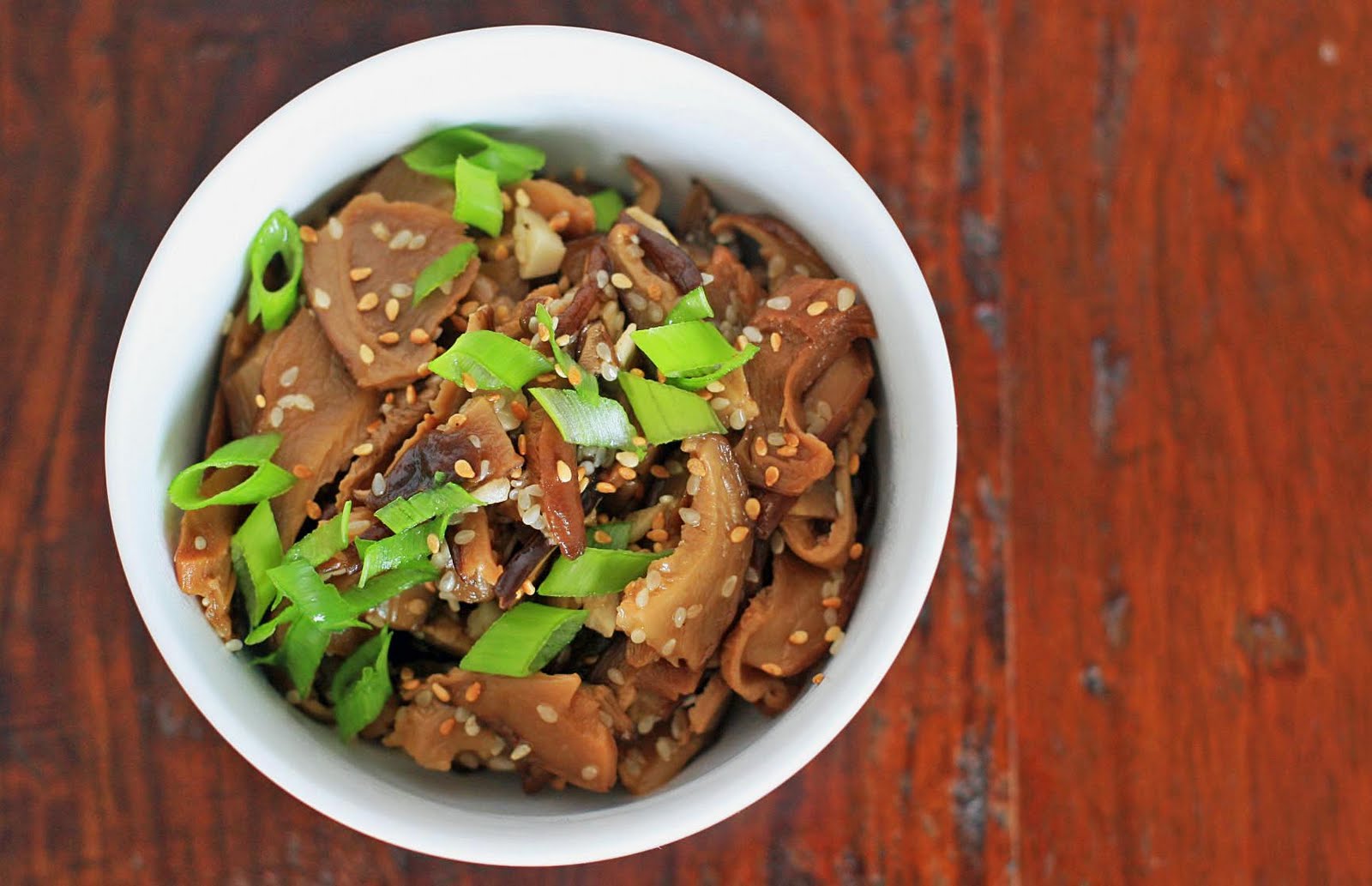
Traditionally, Korean meals have a large variety of dishes.  Normally I’m partial to one-dish meals because of their ease and clean-up.  Thankfully, many of these namools, or seasoned vegetable side dishes, come together in a flash and use the exact same flavorings, making it possible to reuse the pans.

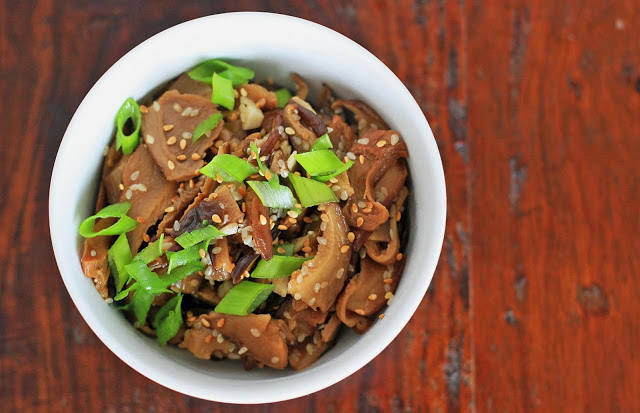
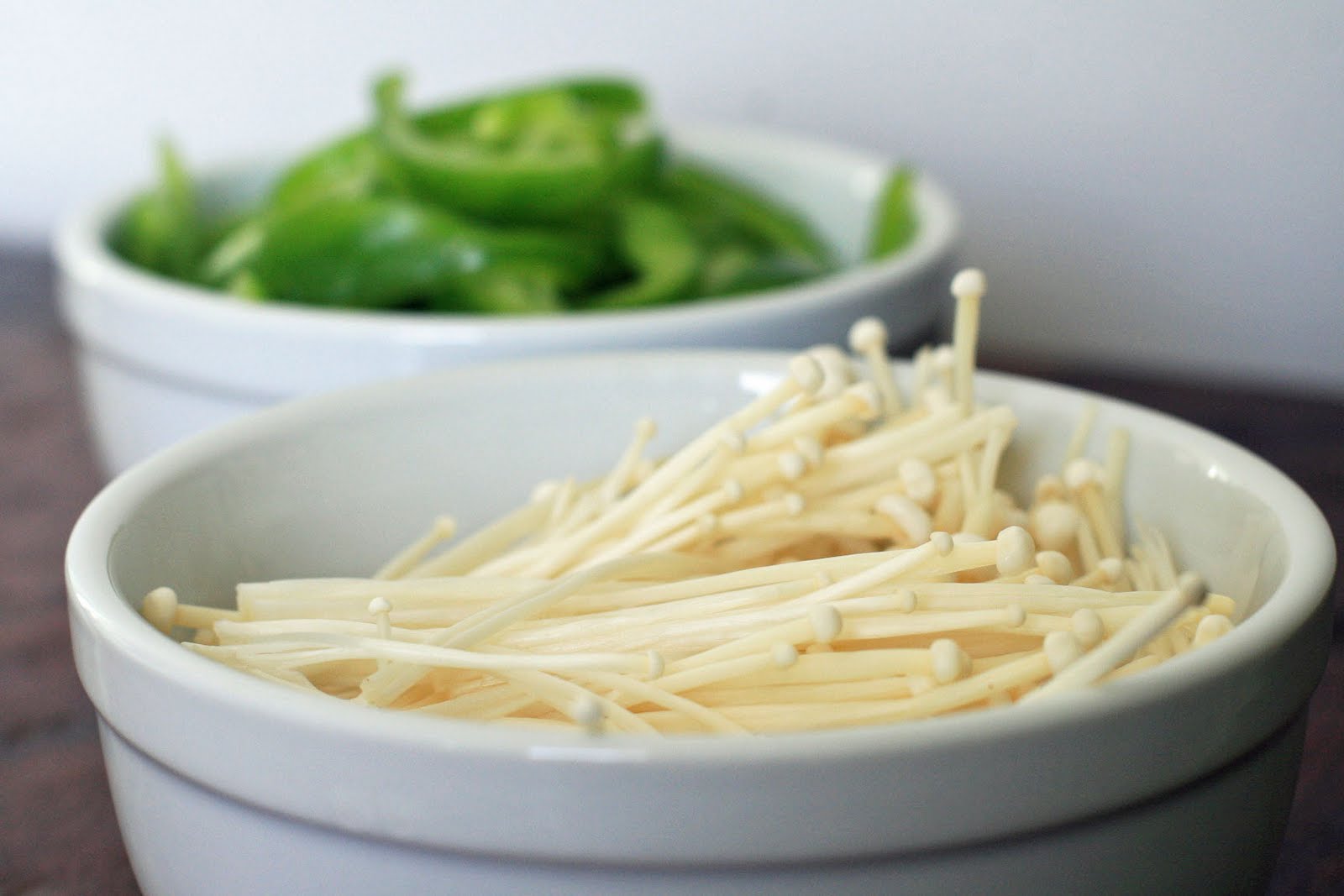
I experimented with a couple different vegetables, like shiitake mushrooms, enoki mushrooms and green peppers, but the possibilities are endless.  I think this would also work really well with cubes of roasted eggplant or even spinach or bok choy.

Shiitake Mushroom Namool

Adapted from The Complete Book of Korean Cooking

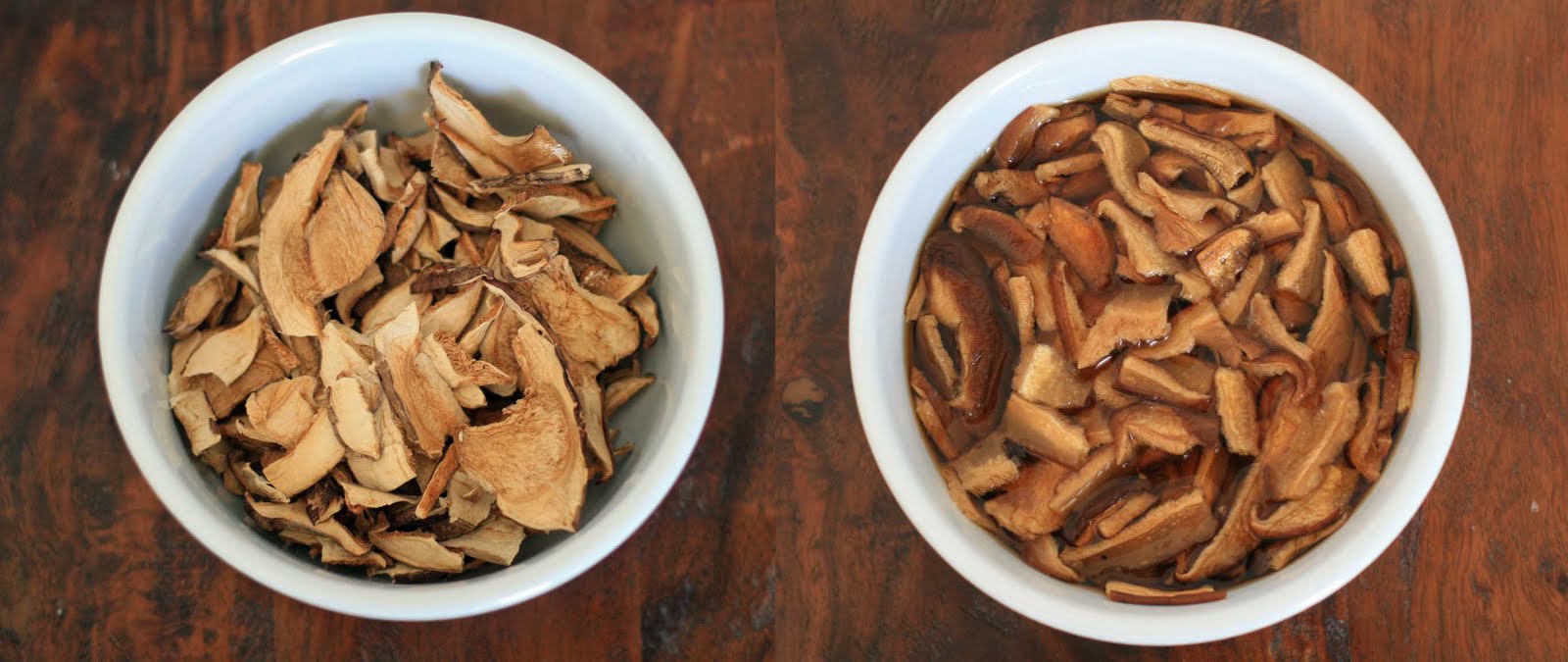
* 1 1/2 cups dried, sliced shiitake mushrooms, soaked in warm water for at least 30 minutes
* 2 teaspoons sesame seeds
* 2 cloves garlic, minced
* pinch of salt
* 2 Tablespoons vegetable oil
* 2 teaspoons sesame oil
* 1 green onion, thinly sliced

Drain the soaking liquid from the shiitake mushrooms and gently squeeze out the water from the mushrooms.  Combine mushrooms with the sesame seeds, minced garlic and a pinch of salt and mix together.

Coat a large skillet with the vegetable oil and heat over high heat.  Add the seasoned mushrooms to the pan and stir fry for a minute or two, until the mushrooms begin to soften slightly.  Remove from heat and stir in the sesame oil and green onion.

Serves two to four, depending on number of sides.

Green pepper variation: substitute one green pepper, washed, seeded and cut into thin strips in place of the shiitake mushrooms.  No soaking required.  Follow other directions in the same manner.

Enoki Mushroom variation: substitute two packages, approximately 4 ounces each, of enoki mushrooms, rinsed and stems removed.  No soaking required.  Follow other directions in the same manner.

Jamaican Rice and Peas

0

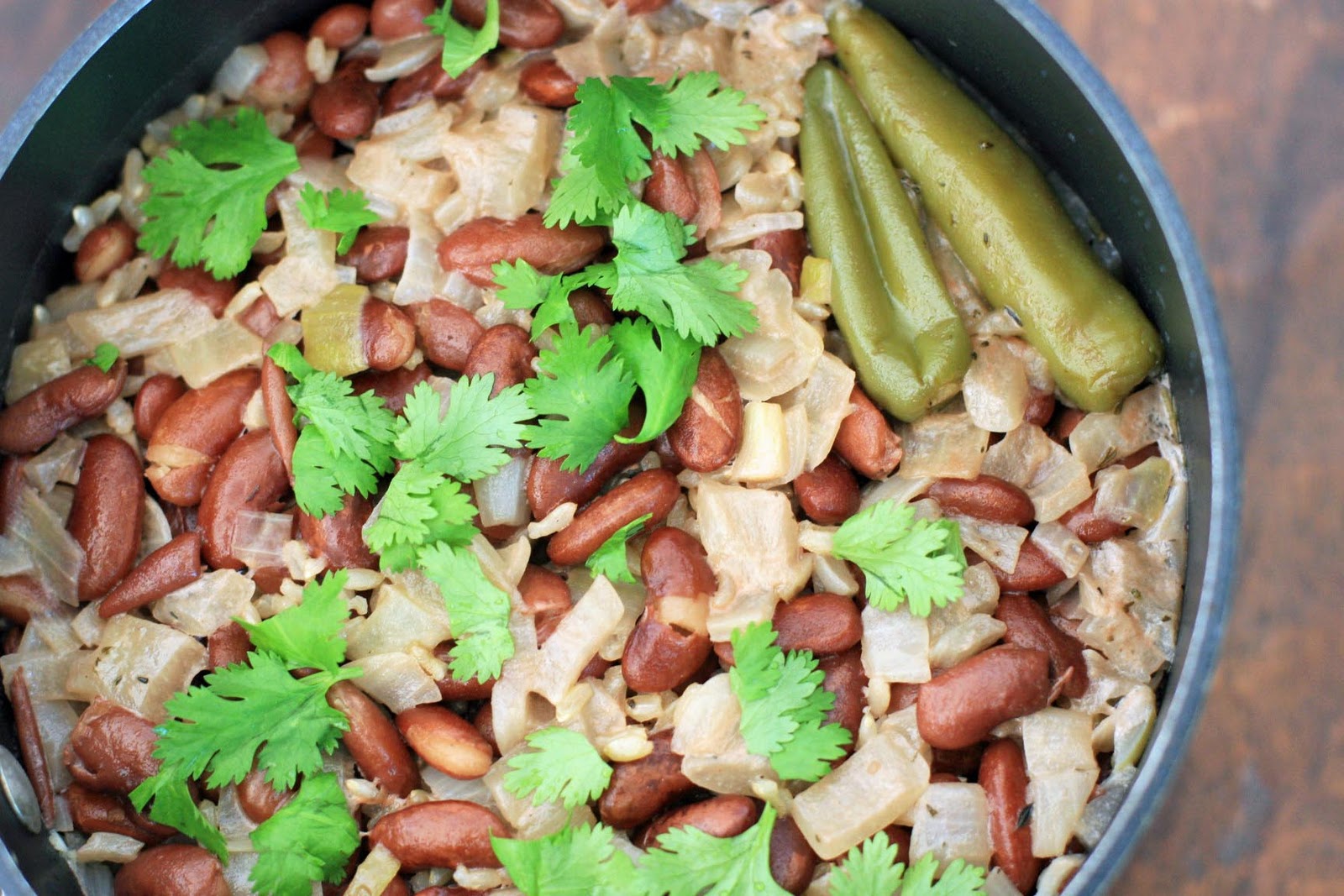
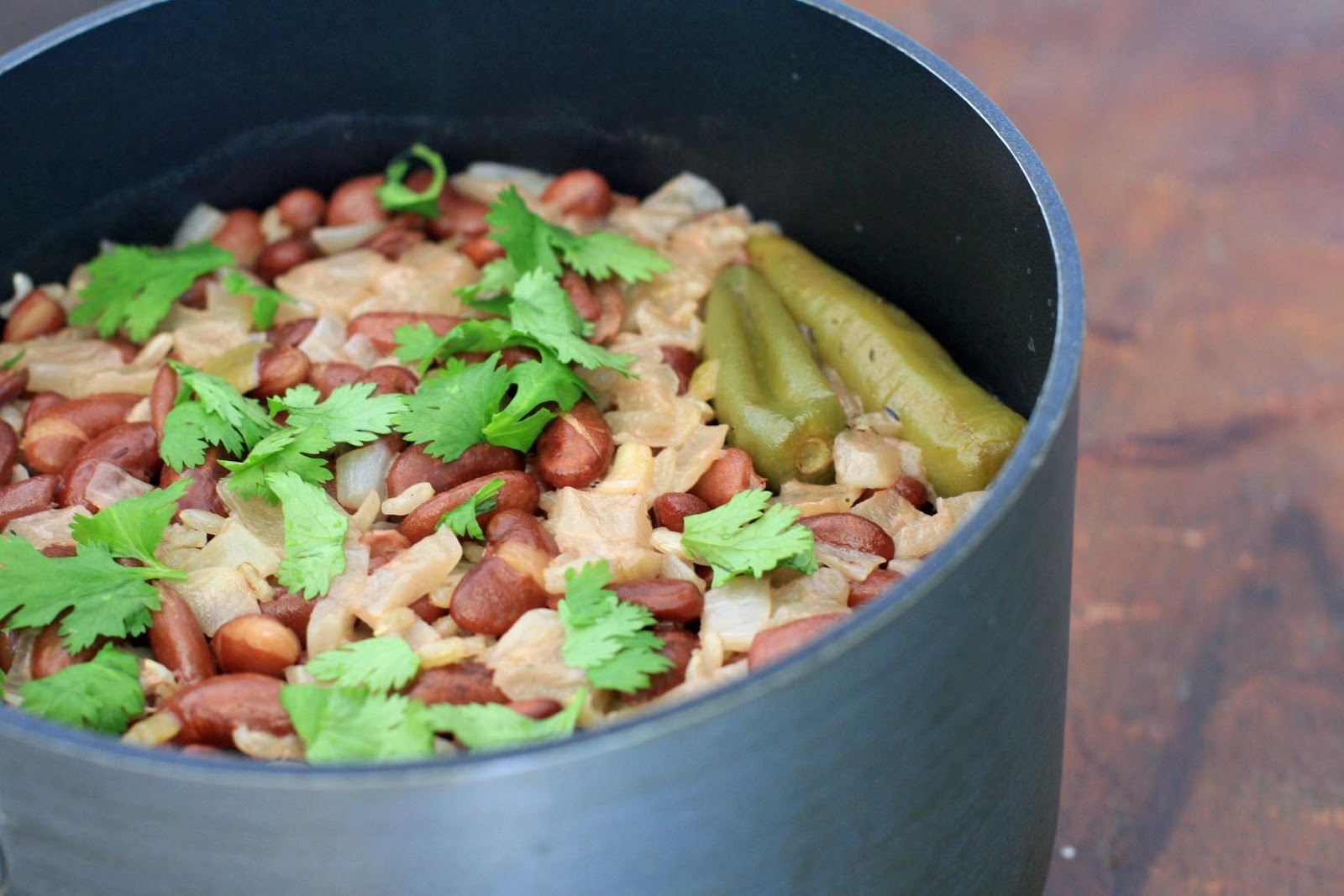
After yesterday’s culinary inferno, otherwise known as Fiery Roasted Jerk Potatoes, I thought I would take it down a couple notches, and Scoville units, today.   The peas here are actually red kidney beans.  This beans and rice dish is the one of Jamaica’s favorite comfort foods and is a common part of the Sunday meal.

This dish would complement hot and spicy jerk meats really well.  The Serrano peppers add flavor but not much heat since they’re simmered whole.  The creamy coconut milk also tones keeps it mild.  Cheap, easy, healthy and it tastes great.  What’s not to like?

Jamaican Rice and Peas

Yield: 6-8 side servings

Ingredients:

* 1-1/2 cup dry red kidney beans
* 2 Tablespoons bacon fat or olive oil
* 1 medium onion, chopped
* 2 cloves garlic, minced
* 1/2 teaspoon thyme
* 1 can coconut milk
* 1-1/3 cup water (or chicken or vegetable broth)
* 2 Serrano peppers, whole
* 2 cups medium or long grained brown rice
* Salt and pepper to taste
* 1/4 cup chopped cilantro, optional

Directions:

Rinse beans and cover with several inches of water in a large saucepan over medium-high heat. Bring to a boil and then reduce heat and simmer until beans are nearly soft. Drain beans and set aside.

In a large saucepan, heat bacon fat or olive oil over medium heat. Add onions and garlic and cook, stirring, until soft. Add the thyme, coconut milk, water or broth, and beans and simmer, covered, for ten minutes. Add the peppers and rice and bring to a boil. Reduce heat and simmer, covered, for 30-40 minutes or until all of the moisture has been absorbed by the rice.

Season with salt and pepper and top with chopped cilantro, if desired.

Tangy Red Cabbage with Ginger

0

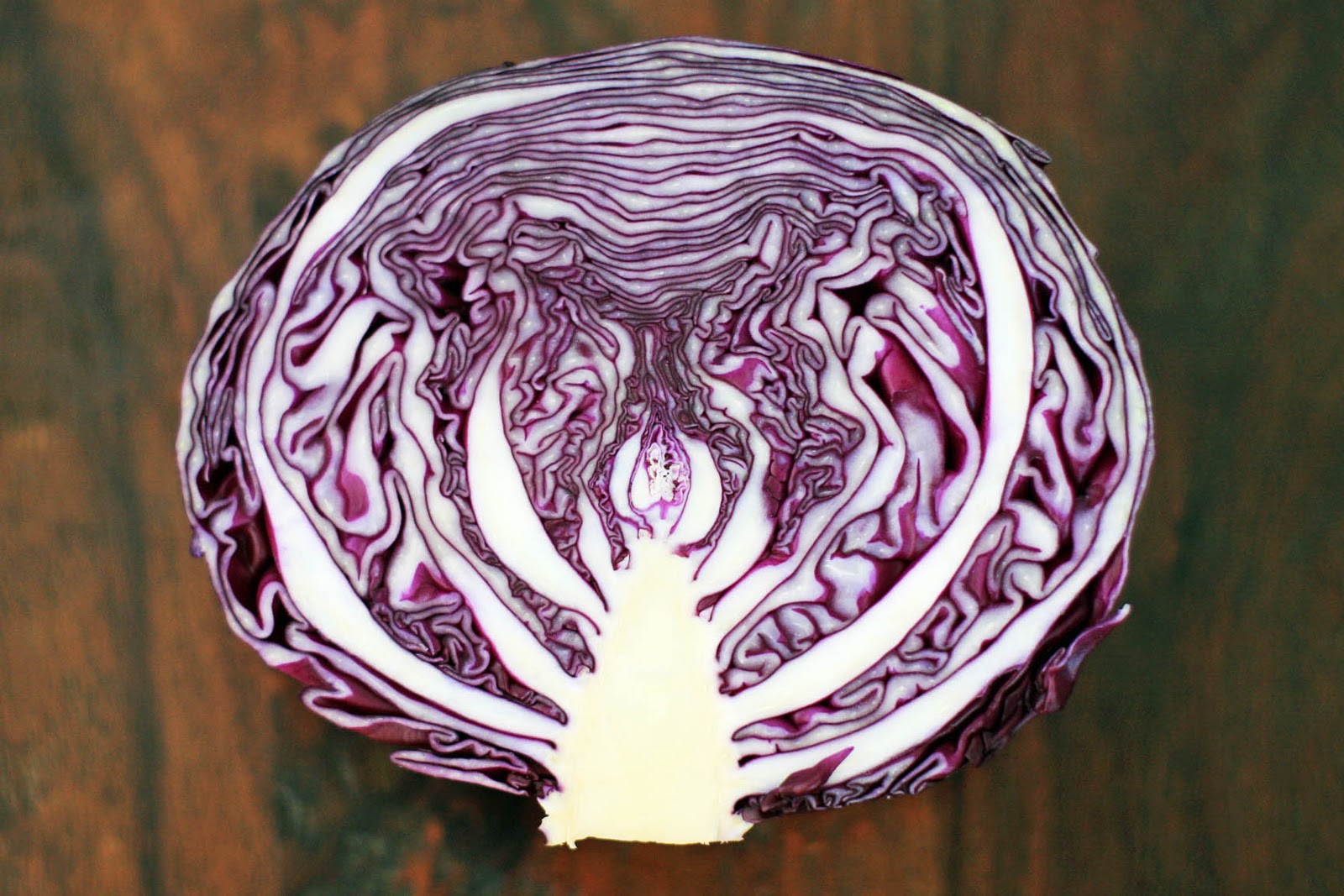
Although I grew up in a cabbage-loving family I didn’t actually eat the stuff until well into my adult years.  Cabbage and coleslaw in particular were at the top of the list of foods that scared me.  Other items high up on that list?  Asparagus, guacamole, and artichokes (don’t worry… those foods are now all very much on my safe/love food list).

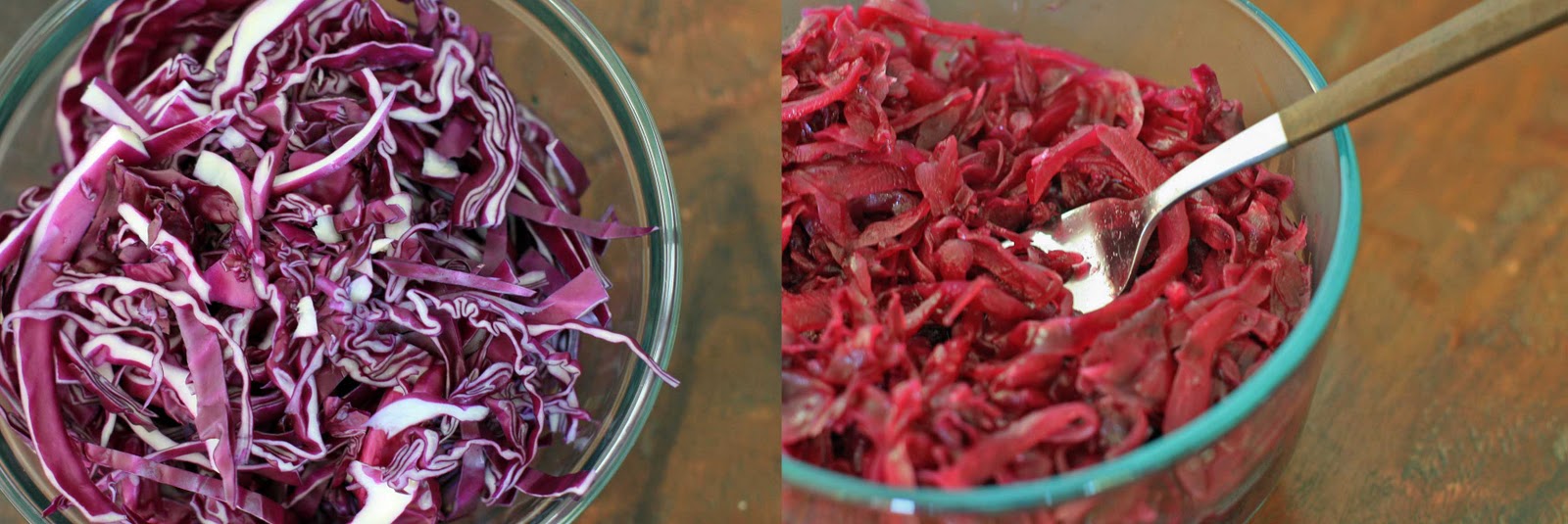
However, I’d like to think that had my mother ever made this sweet, tangy, jewel-colored dish I might have abandoned my irrational cabbage hang-up much earlier. This time I used red wine vinegar but I’d like to experiment with rice wine vinegar, one of my favorites, next time.

Tangy Red Cabbage with Ginger

Yield: 4-6 servings

Ingredients:

* 1 small head red cabbage, finely shredded
* 1 1/2 cup red wine vinegar
* 1 1/3 cup sugar
* 1 1/2- 2″ piece of ginger, finely grated
* 3 cloves garlic, minced
* salt and pepper to taste

Directions:

Combine the cabbage, red wine vinegar, sugar, ginger, and garlic in a very large saucepan or a stock pot. Bring to a boil over high heat and then reduce heat to medium-low and simmer, uncovered, until cabbage is soft and the liquid is reduced to a syrup. Season with salt and pepper to taste. Serve warm or let cool and chill before serving.

Boozy Ghanaian Ginger Beer

0
Any other hardcore ginger fans out there?  For me things started innocently enough… an occasional ginger ale on flights.

Then I caught an East Meets West  episode in which Ming’s staple ingredient was ginger syrup.  That was the beginning of the end.  Pretty soon I was having ginger drinks just about every day and seeking out different ginger beers.

My favorite: the Ginger People.  The picture of the ginger riding a tiger on the bottle is just an added bonus.  I also recommend seeking out Blenheim Ginger Ale (available on Amazon).  It’s hot and spicy and can make the back of your throat and nose tingle with the first sip.

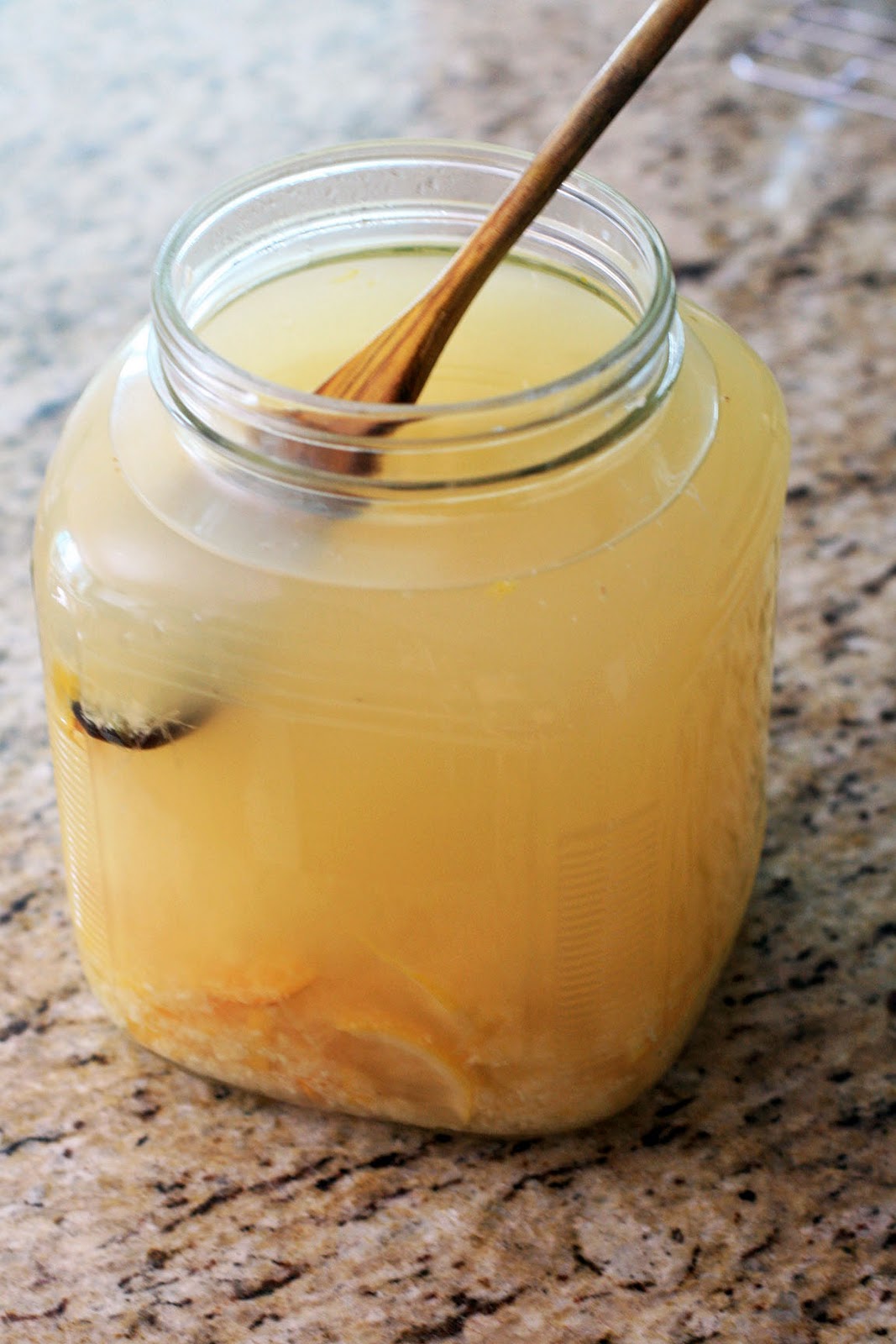
From my research it seems like Africa is full of ginger fans as well: most cookbooks had at least one, if not more,  ginger beer variations.  I went with the boozy option…

Ghanaian Ginger Beer

* 3-4 inch piece fresh ginger
* 2 Tablespoons cream of tartar
* 2 lemons, juice and peel, thinly sliced
* 14 cups boiling water (1 gallon less two cups)
* 1/2 teaspoon yeast
* 1 1/2 cups sugar, or to taste

Peel fresh ginger and roughly chop.  Place into a food processor and process until well broken down into a pulp.

Place the ginger pulp into a large heatproof jar or large bowl.  Add the cream of tartar, lemon juice and lemon peels and stir.

Pour boiling water over the mixture and stir again.  Let cool to lukewarm.

Add yeast and stir again.  Cover and let stand for approximately 12 hours, stirring occasionally.

Strain through several layers of cheesecloth or a fine mesh sieve into another large bowl.   Add sugar and stir until dissolved.  Pour into bottles or pitchers and refrigerate until ready to serve.

Spicy Thai Noodles with Pork, Basil and Mint

0

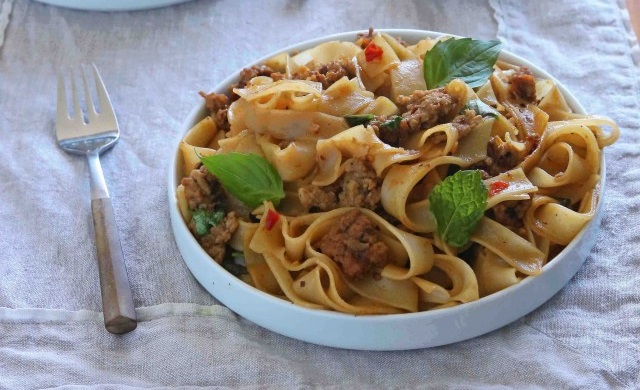
Thai NoodlesIt’s long overdue, but I’ve finally come to the realization that life isn’t going to be slowing down anytime soon.  I’m always going be preparing for some trip/work project/house guest/dinner party or recuperating from some trip/work project/house guest/dinner party.
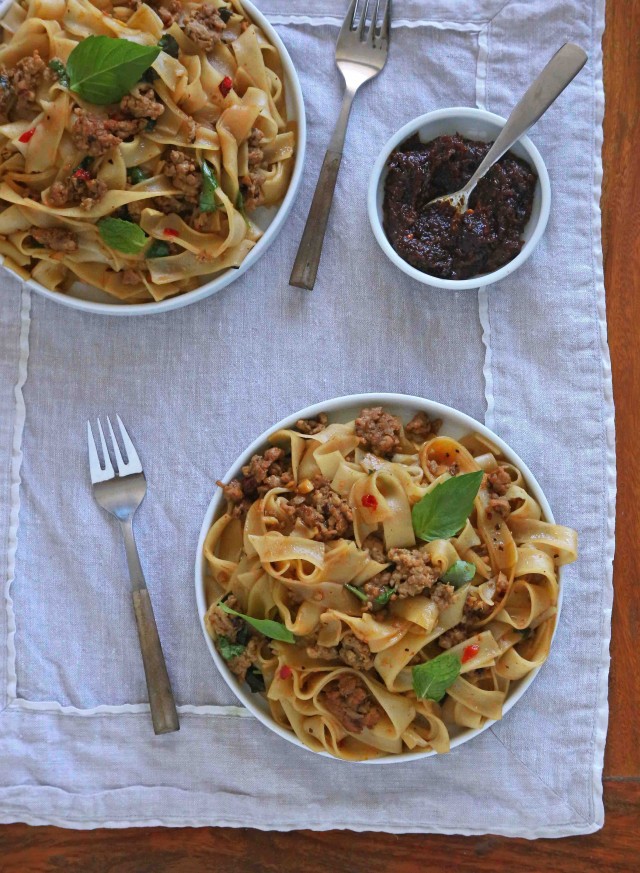
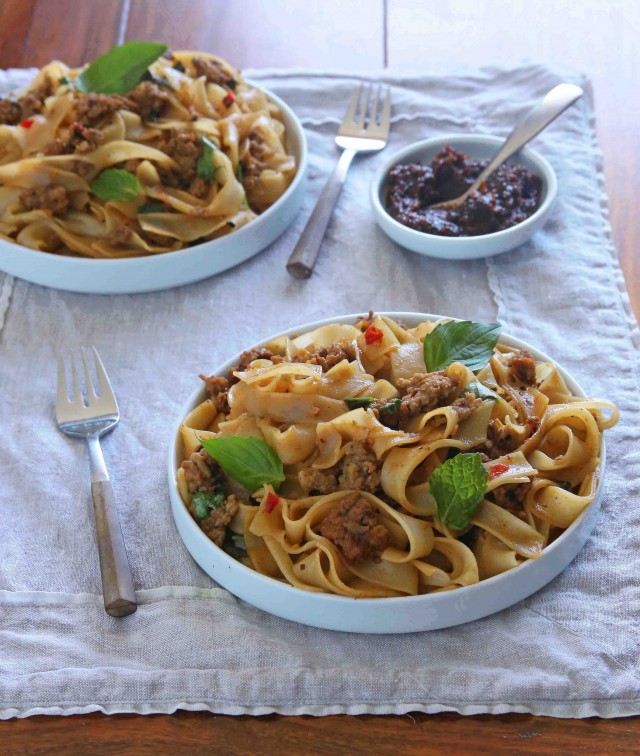
And although I’d love to keep upping my food photography game, waiting for the perfect light or taking the time to perfectly style or compose the shot just isn’t going to be happening right now.  And I’m O.K. with that.  Good food > the perfect photo.  For now anyways.   Because I’d like to pop in around these parts more often than I have been…

Thai Noodles 1So in between this weekend’s holiday baking, chaotic dinner with friends, and massive pantry clean out, there were these spicy Thai noodles.  In all of their imperfect, barely-styled glory.  But one bite of the porky, carb goodness and I think you’ll be willing to forgive me for their somewhat homely appearance.
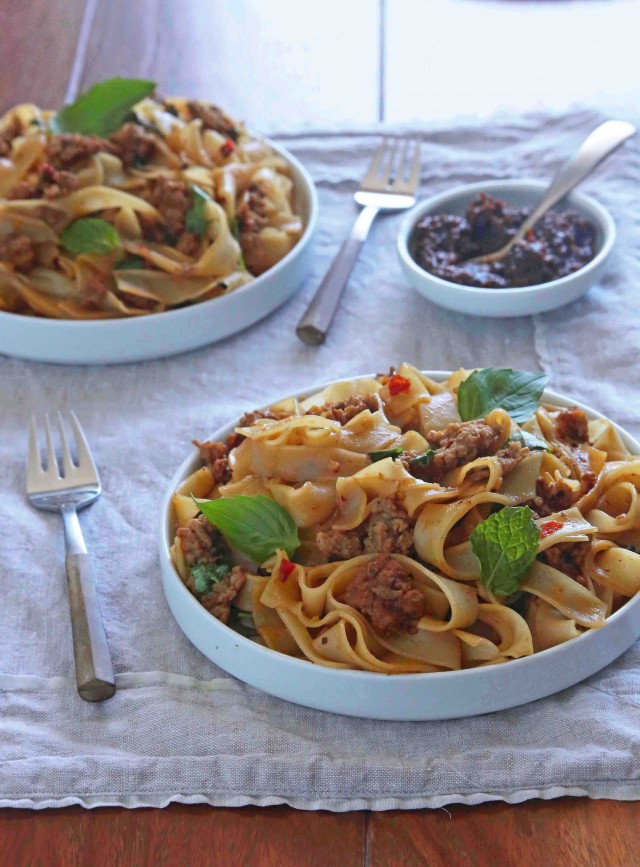
Wide, flat rice noodles are combined with ground pork and a spicy sauce made from my new favorite condiment, Thai chile jam (I made a quadruple batch of this stuff over the weekend!).  Consider this stuff a Thai version of Pasta Bolognese.  Quick-to-make, but stick-to-your-ribs and comforting at the same time.  This time I made it with pork, but I’ll be happily experimenting with ground chicken and turkey in the not-too-distant future.

Thai Noodles 2

Spicy Thai Noodles with Pork, Basil and Mint

Yield: 4 side servings

Ingredients:

* 8 ounces dried flat rice noodles
* 4 cups water
* 2 Tablespoons oil, plus a little extra for coating the noodles
* 3 cloves garlic, minced
* 1 Thai chile, minced
* 1/4 cup Thai chile jam, plus extra for serving
* 8 ounces ground pork, chicken, or turkey
* 1 cup pork, chicken, turkey or vegetable broth
* 1 Tablespoon palm sugar (can substitute brown or white sugar)
* 2 Tablespoons fish sauce
* 1/4 teaspoon ground white pepper
* 1/4 cup roughly chopped cilantro
* 1/2 cup roughly chopped mint
* 1/4 cup roughly chopped Thai basil

Directions:

Soak the noodles in lukewarm water for 30 minutes and then drain. Bring the 4 cups of water to a boil in a large saucepan, add the noodles and cook the noodles for about 2 minutes, until just cooked through. Drain and rinse with cold water. Drain and set aside. Add a slight drizzle of oil and work through the noodles to help prevent them from clumping.

In a large skillet or wok, heat the oil over medium-high heat. Add the garlic and chile and cook, stirring frequently, until softened. Add the Thai chile jam and cook for about a minute, stirring constantly. Add the pork and cook, using a wooden spoon to help break up any large chunks of meat, until the meat is nearly cooked through. Add the broth, palm sugar, fish sauce, and white pepper and bring the mixture to a boil. Add the cooked noodles and, stirring constantly, continue to cook until the noodles have absorbed most of the liquid. Remove from heat, stir in the cilantro, mint and Thai basil and serve.