

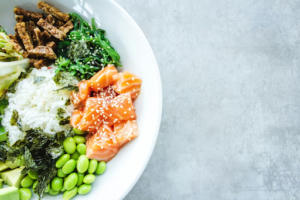
Food is far more than a simple tally of calories or a fuel source for our daily activities. When we look at a meal, we are actually observing a complex chemical interaction where specific ingredients amplify each other’s nutritional value and flavor profile. This hidden logic of pairing – often called “food pairing” by scientists – determines how well our bodies absorb vitamins and how deeply we experience taste. By moving away from a simplistic view of nutrition, we can unlock a world where the right combinations create a health impact far greater than the sum of their individual parts.
Understanding these connections requires a shift in how we think about our kitchen habits. We often focus on the “superfood” of the month, but the real magic happens in the partnership between humble staples. When you pair a healthy fat with a leafy green, or a specific spice with a protein, you are engaging in a biological dance that maximizes efficiency. This approach turns every meal into an opportunity for optimized wellness, proving that the most delicious combinations are often the most scientifically sound for our long-term vitality.
Translating these complex nutritional concepts into an easy-to-digest format often requires clear communication and visual aids. If you find yourself needing to explain these biological interactions for a class or a health seminar, utilizing a professional Mypaperhelp service can help you illustrate the science of ingredient partnerships with maximum clarity. High-quality visuals ensure that your audience grasps the nuances of nutrient absorption without feeling overwhelmed by technical jargon. Once the foundation is set, you can dive deeper into the specific pairings that transform a standard diet into a powerhouse of health.
The Biology of Better Absorption
One of the most profound examples of ingredient harmony is the relationship between fat-soluble vitamins and dietary fats. Vitamins A, D, E, and K are essential for everything from bone health to immune function, but they are essentially “locked” until they meet a lipid. Research indicates that adding an avocado or a drizzle of olive oil to a salad can increase the absorption of carotenoids from the greens by as much as 400%. Without that fat source, many of the nutrients in your vegetables simply pass through your system unused.
| Ingredient A | Ingredient B | The Nutritional Outcome |
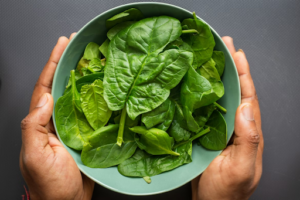
| Spinach (Iron) | Lemon (Vitamin C) | Increases non-heme iron absorption by 3x. |
| Turmeric (Curcumin) | Black Pepper (Piperine) | Boosts curcumin bioavailability by 2,000%. |
| Tomatoes (Lycopene) | Olive Oil (Fat) | Dramatically improves heart-healthy antioxidant uptake. |
This isn’t just about effective writing in a nutrition guide; it’s about mechanical reality. The Vitamin C in the lemon changes the chemical structure of the iron in the spinach, making it much easier for your gut to pull it into your bloodstream. It is a perfect example of how two common ingredients work together to solve a biological hurdle.
Cultivating a Scientific Cooking Process
When you step into the kitchen, you are essentially entering a laboratory. The writing process of a recipe should ideally reflect these scientific pairings to ensure the eater gets the most out of every bite. For instance, pairing garlic and onions with whole grains like brown rice or whole wheat can increase the absorption of zinc and iron. The sulfur compounds in the alliums act as “liberators” for the minerals that are otherwise bound by phytates in the grains.
Daniel Walker, a culinary scientist who has spent years perfecting menus for an essay writing service specializing in hospitality and nutrition curriculum, suggests that most home cooks ignore the “solvent effect.” He notes that roughly 30% of the beneficial compounds in spices like rosemary and oregano are only released when heated in the presence of a liquid or fat. By understanding this, you move from just following a recipe to mastering the art of functional cooking.
Advancing Your Knowledge
As you move through your academic or professional journey, you may be tasked with a term paper or a professional report on public health. Highlighting the cost-effectiveness of these pairings is a great way to show authority. For example, teaching low-income communities how to maximize iron absorption through simple pairings (like beans and peppers) is a more sustainable health intervention than recommending expensive supplements.
Final Thoughts on Ingredient Logic
The science of how we eat is evolving fast. We are learning that the “calorie” is a blunt instrument that fails to account for the intricate chemical conversations happening on our forks. By focusing on ingredient harmony, you are essentially giving your body a blueprint for better health. It is a more respectful and intelligent way to look at nutrition – one that celebrates the complexity of nature rather than trying to simplify it into a single number.
Whether you are crafting a meal or a complex project for a client, the goal is the same: to find the connections that make the whole more powerful than the parts. Start small by adding a squeeze of lime to your beans or a pinch of pepper to your golden milk, and you will soon see that the smallest changes in pairing can lead to the biggest changes in how you feel.