

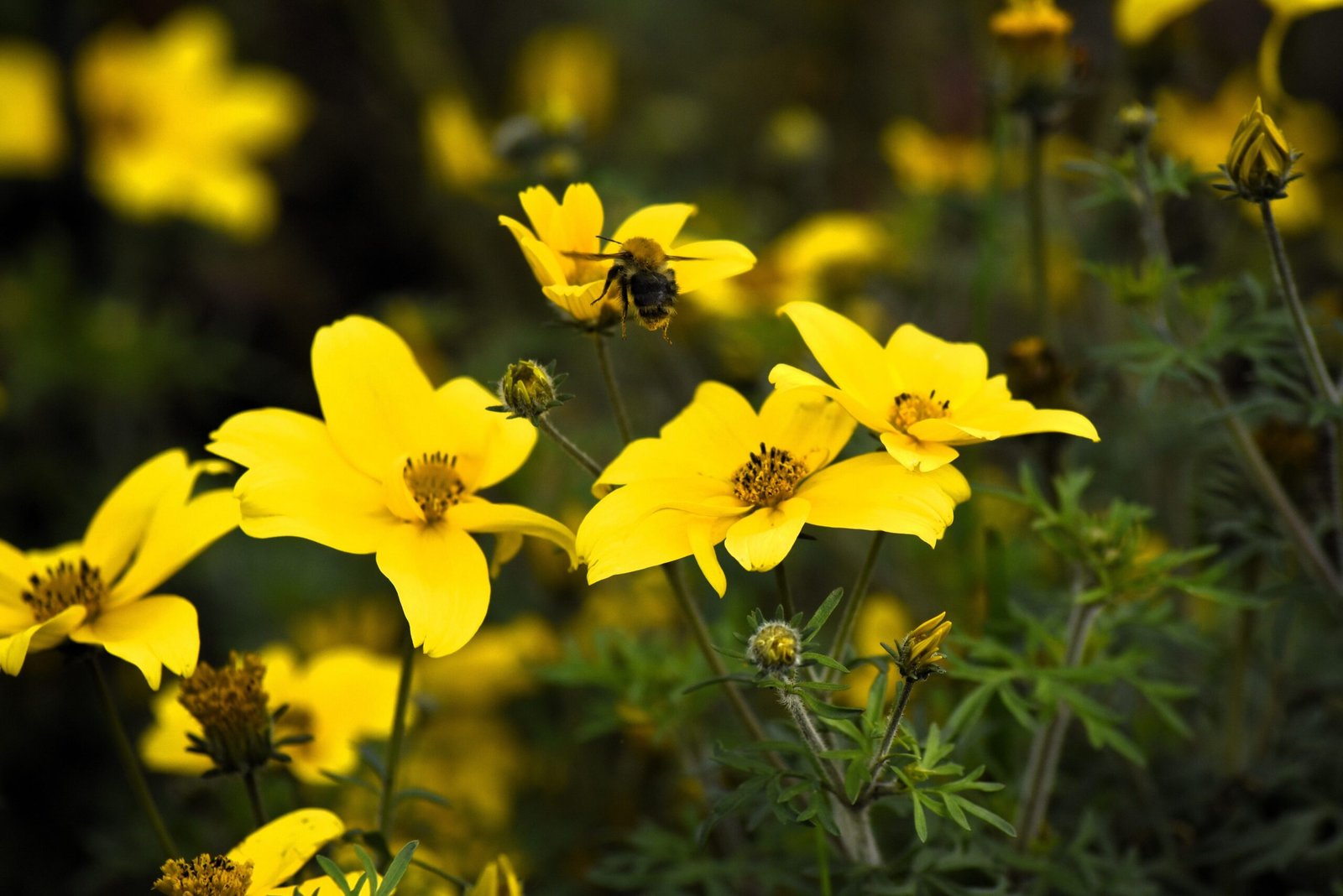
If you spend your weekends experimenting with new recipes, growing your own herbs, or tending a few raised beds of tomatoes and squash between kitchen projects, you have probably noticed the small winged visitors humming around your basil flowers or your zucchini blossoms. Those visitors are doing far more than decorating your garden. Honey bees and their wild cousins are the quiet partners behind much of the produce that eventually lands on your cutting board, from the cucumbers in your salad to the almonds in your granola. For a home cook who cares about where ingredients come from, understanding how to protect and support these insects is a natural extension of caring about food itself.
This guide is for someone who has never thought much about bee law or pollinator biology before, so we will build the basics step by step. We will cover why honey bees matter to your kitchen garden, what legal protections exist in a bee-heavy state like Florida, how to make your own garden more welcoming to pollinators, and when it makes sense to call in a professional instead of handling a hive yourself.
Why Honey Bees Matter: Their Role in Your Kitchen Garden and Local Food Supply
Pollination is the process by which pollen moves from the male part of a flower to the female part, allowing the plant to produce fruit or seed. Many of the vegetables and herbs home gardeners love, including squash, cucumbers, melons, and peppers, depend heavily on insect pollinators to set fruit. Honey bees are especially effective at this job because they visit flowers in large numbers and tend to focus on one type of bloom during a single foraging trip, which increases the odds that pollen actually transfers between compatible flowers. Without reliable pollinator visits, a kitchen garden can still grow leafy greens and root vegetables just fine, but anything that produces a fruit or seed pod will struggle to yield much.
This matters on a larger scale too, since the same dynamic plays out across the farms that supply grocery stores and farmers markets. Recent data from the Apiary Inspectors of America shows that backyard beekeepers lost an estimated 51.4 percent of their colonies in the 2024 to 2025 season, while commercial operations lost 56.2 percent, numbers that reflect a genuinely difficult period for bee populations nationwide. Anyone wondering whether honey bees are protected in Florida should know that the answer is yes. Legal protection exists partly because losses like these threaten both commercial agriculture and the small-scale gardens many of us tend at home.
Are Honey Bees Protected in Florida? Understanding the Legal Framework
Florida treats managed honey bee colonies differently than most people expect, classifying them as agricultural livestock rather than simply wild insects or backyard pets. According to LegalClarity, managed honey bees in Florida are regulated as agricultural assets under Florida Statutes Chapter 586, with the Florida Department of Agriculture and Consumer Services administering enforcement, while native wild bees fall under broader wildlife conservation statutes protecting threatened and endangered species. This distinction matters because it means a managed hive in someone’s backyard has a different set of rules than, say, a wild colony of native bees nesting in a tree.
Florida is also home to more than 300 native bee species, including bumblebees, carpenter bees, and sweat bees, according to recent tallies, which means the honey bee you see on your tomato flowers might actually be a completely different species doing similar work. For residential properties, state rules cap the number of managed honey bee colonies at three on land of a quarter acre or smaller, while larger properties with proper setbacks from neighbors can host upwards of 100 colonies. Violating these beekeeping regulations carries real consequences, with a first offense potentially resulting in up to a year in jail and a $1,000 fine, and repeat violations escalating to as much as five years in prison under Florida Statute 586.15.
| Statistic | Figure |
| U.S. Honey Bee Colony Loss Rate (2024-2025), backyard beekeepers | 51.4% |
| U.S. Honey Bee Colony Loss Rate (2024-2025), commercial operations | 56.2% |
| Varroa Mite Infestation Rate (April-June 2024) | 36.6% of managed colonies |
| Native Bee Species in Florida | Over 300 species |
| Max Colonies, Residential Land ≤ 1/4 Acre | 3 colonies |
| Penalty for First Offense Violation | Up to 1 year jail, $1,000 fine |
Creating a Bee-Friendly Kitchen Garden: Practical Steps for Beginners
You do not need to become a beekeeper to support healthy pollinator populations around your home kitchen garden. Planting a mix of flowering herbs like oregano, thyme, and lavender alongside your vegetables gives bees a steady source of nectar throughout the growing season, which keeps them returning to pollinate your squash and cucumbers as well. Avoiding broad-spectrum pesticides, or at least applying them in the evening when bees are less active, reduces the chance of accidentally harming visiting pollinators. It also helps to leave a small patch of bare soil or a pile of hollow stems undisturbed somewhere in your yard, since many native bee species nest in the ground or in small cavities rather than forming hives like honey bees do.
One widespread threat worth knowing about is the varroa mite, a parasite that weakens and spreads disease among honey bee colonies. Recent USDA surveys found that 36.6 percent of managed colonies showed varroa infestation between April and June of 2024, a reminder that even healthy-looking hives can be under significant biological stress. As a home gardener, you cannot treat mites in a wild colony, but you can support overall pollinator resilience by keeping a chemical-free, diverse garden that gives bees of all species a reliable food source when managed hives in your area are struggling.
When to Call Professionals: Safe Removal and Coexistence Practices
Sometimes a colony sets up residence somewhere inconvenient, like inside a wall cavity, under a shed, or in a spot too close to where children play, and that is when professional help becomes the responsible choice rather than an optional one. Because Florida law protects managed honey bees as agricultural assets, destroying a colony outright can carry legal risk, and a licensed apiarist or pest management professional knows how to relocate bees safely rather than exterminate them. This approach protects both the homeowner from legal exposure and the broader pollinator population that your garden and your neighborhood depend on. Reaching out to a professional at the first sign of an unwanted colony is almost always faster, safer, and more bee-friendly than attempting removal on your own.