

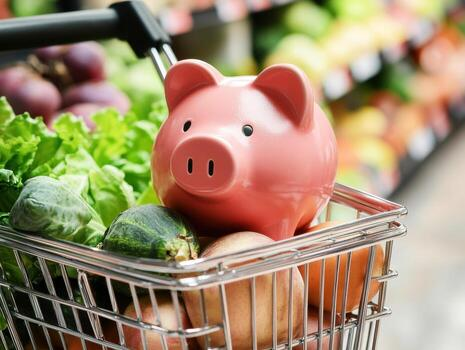
Groceries are one of the few expenses every household has to cover. Many costs can be trimmed or postponed, but the weekly food shop always comes back around. That steady spending is exactly why it deserves a closer look. Most people pay for groceries on autopilot, and that habit quietly leaves money on the table.
The tools to change this already exist, and most cost nothing to use. Credit cards, bank programs, store loyalty schemes and shopping apps all compete for a share of your food budget. This guide explains how each option works and how to combine them without complicating your shopping.
Why Grocery Spending Is Worth Optimizing
A Bill That Repeats Every Week
Food prices have risen noticeably in recent years, and the USDA Economic Research Service food price outlook tracks how grocery costs continue to shift. A household that spends $250 a week on groceries puts about $13,000 a year through the checkout. Because that spending repeats weekly, even a small improvement pays off 52 times a year. You don’t have to change what you buy, only how you pay for it.
Small Percentages Add Up
On that $13,000, a card paying 1% returns $130, while one paying 3% on groceries returns $390. Add a loyalty program and a bank reward, and the total can cover a month or more of groceries each year.
The most obvious place to start is the card in your wallet.
Credit Cards Built for the Supermarket
Rewards credit cards usually offer the highest grocery rates. They also come with the most fine print.
Flat-Rate Cards vs. Category Cards
Flat-rate cards pay the same percentage on every purchase, usually between 1.5% and 2%. Category cards pay more on certain spending, such as groceries, and less on everything else. Some offer 3% to 6% at supermarkets.
If groceries make up a large share of your budget, a category card will usually earn more. Otherwise, a flat-rate card may come out ahead with less effort. If a card charges an annual fee, make sure the extra rewards comfortably outweigh it based on what you actually spend.
Read the Fine Print
Many cards cap the bonus rate once you reach a set amount of spending each year. Store type matters, too. Card networks classify merchants using category codes, and big-box stores and warehouse clubs often aren’t coded as supermarkets. If you shop mostly at a superstore, confirm that your card counts it.
Pay in Full Every Month
Rewards only make sense if you clear your balance, since a few months of interest can wipe out years of cash back. The Consumer Financial Protection Bureau’s credit card resources explain how interest, fees and rewards terms work, and they’re worth reading before you apply.
Credit cards aren’t the only option, though. Your bank can also turn everyday activity into extra value.
Bank Rewards and How They Help
Many people overlook their checking account as a source of rewards, yet banks increasingly compete for customers by rewarding habits they already have.
How Bank Rewards Programs Work
Bank programs tend to reward your overall relationship with the bank rather than individual purchases. You might be rewarded for setting up direct deposit, using your debit card or paying bills on time. Some banks give members a way to earn reward points through ordinary account activity, which can then be redeemed for cash or put toward other goals.
This helps people who avoid credit cards, since debit rewards carry no risk of interest charges.
Pairing Bank Rewards with Card Rewards
The two don’t compete. Your paycheck lands in your checking account, which may earn rewards for the deposit. You buy groceries with a rewards card, which earns on the purchase. Then you pay the card bill from that same account. Each step returns a little value without extra trips or spending.
Once that foundation is in place, the store itself offers another way to save.
Store Loyalty Programs and Shopping Apps
Supermarket rewards stack on top of whatever your card and bank already pay.
Digital Coupons and Fuel Points
Most major chains run free loyalty programs through an app or phone number. Members get lower prices, digital coupons and, at many chains, points toward future discounts or cheaper gas. Load coupons the night before you shop rather than at the register.
Receipt-Scanning and Cash Back Apps
Third-party apps pay you for scanning receipts or buying specific products. Each trip earns only a few cents or a dollar or two, but regular use can add up to a gift card or two a year. If the extra step feels like a chore, skip it.
With so many options, the real challenge is keeping them organized.
Building a Simple Grocery Rewards System
The best system is one you’ll actually stick with.
Choose One Card and One Store App
Pick a card that pays well at the store where you shop most. Download that store’s app and link your loyalty account. Add a bank program or receipt app only if it fits easily into your routine.
Review Your Setup Twice a Year
Rates drop, caps shift and new offers appear. Every six months, compare what you earned with what you spent, and confirm your card still codes your usual store as a supermarket. Checking the Bureau of Labor Statistics Consumer Price Index can also show whether your rewards are keeping pace with food prices.
Conclusion
Groceries will always be part of the household budget, which makes them one of the most reliable places to earn something back. The right card, bank and loyalty program can each return a small share of what you spend. The goal isn’t to chase every offer. It’s to build a simple routine that rewards spending you would do anyway, then let it work quietly in the background.