

I used to think protein was something you worried about at the gym. Chicken breast after workouts. Protein shakes in plastic bottles. Bodybuilders eating out of Tupperware containers.
Then I started paying attention to how I felt after meals. The difference between a carb-heavy lunch that left me crashing at 2 PM and a protein-rich lunch that carried me through the afternoon was impossible to ignore. That realization changed how I approach cooking entirely.
Adding more protein to everyday meals doesn’t require a nutrition degree or a complete kitchen overhaul. It’s about understanding a few principles and making small adjustments to recipes you already love. The payoff extends beyond any fitness goals. We’re talking sustained energy, fewer cravings, and meals that actually keep you satisfied until the next one.
Cooking with Protein Powder: What Actually Works
Let’s address the elephant in the room. Protein powder in cooking can go very right or very wrong. I’ve made protein pancakes that tasted like cardboard and ones that my kids asked for seconds of. The difference comes down to technique and expectations.
Choosing the right protein for cooking. Not all protein powders perform equally in recipes. Whey concentrate can get clumpy and has a strong dairy flavor that doesn’t always play well with other ingredients. Plant proteins often bring earthy or chalky notes that are difficult to mask.
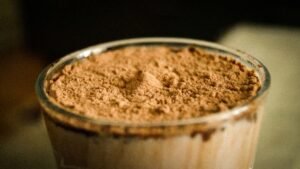
Vanilla beef protein has become my go-to for cooking because it has a genuinely neutral base that takes on other flavors rather than competing with them. The vanilla version is particularly versatile since it works in both sweet applications (pancakes, muffins, smoothies) and neutral ones (oatmeal, yogurt parfaits, even some savory preparations).
The moisture factor. Protein powder absorbs liquid differently than flour. When adapting recipes, you’ll usually need to add extra moisture. Start with 10-20% more liquid than the original recipe calls for and adjust from there. Batter that looks perfect going into the oven can turn into dry hockey pucks if you don’t account for this.
Don’t go overboard. Replacing too much flour with protein powder creates dense, rubbery results. For most recipes, swapping 25-30% of the flour for protein powder is the sweet spot. You get meaningful protein boost without sacrificing texture.
Practical Recipe Applications
Let me walk through specific applications that work consistently well.
Breakfast Upgrades
Protein Oatmeal
Cook your oatmeal as usual. Remove from heat and let it cool for about two minutes. Then stir in a scoop of vanilla protein powder. The slight cooling prevents clumping and ensures smooth incorporation. Top with berries, nut butter, and a drizzle of honey.
This transforms a 5-gram protein breakfast into a 27-gram protein breakfast with zero extra cooking time.
Protein Pancakes That Actually Taste Good
The secret to protein pancakes that don’t taste like supplements is keeping the protein powder as a supporting player rather than the star.
Mix one cup of flour, one scoop of vanilla protein powder, one teaspoon of baking powder, and a pinch of salt. In a separate bowl, whisk one egg, one cup of milk (or milk alternative), and a tablespoon of melted butter. Combine wet and dry ingredients until just mixed. Let the batter rest for five minutes before cooking.
These taste like real pancakes with a protein boost, not like protein powder shaped into circles.
Greek Yogurt Parfait
Stir half a scoop of vanilla protein powder into a cup of plain Greek yogurt. The yogurt already has around 17 grams of protein. Adding the powder brings you to nearly 30 grams. Layer with granola and fresh fruit for a parfait that keeps you full all morning.
Lunch and Dinner Ideas
Protein-Boosted Smoothie Bowls
Blend one scoop of protein powder with frozen banana, a handful of frozen berries, and just enough liquid to create a thick, spoonable consistency. Pour into a bowl and top with granola, coconut flakes, sliced almonds, and fresh fruit.
This works as a light lunch that’s refreshing in warm weather but substantial enough to actually sustain you.
Creamy Soups
Unflavored or vanilla protein powder can be whisked into pureed soups to add body and protein without changing the flavor profile. Butternut squash soup, tomato soup, and cauliflower soup all work well. Add the protein powder after removing the soup from heat and blend thoroughly.
Pasta Sauce Enhancement
Cottage cheese blended until smooth and stirred into tomato sauce creates a creamy, protein-rich pasta coating. You can also add a scoop of unflavored protein powder to the blended cottage cheese before incorporating it into the sauce.
The Mindset Shift
The biggest change in my cooking hasn’t been learning new recipes. It’s been a different way of thinking about meals.
Before, I’d plan dinner around a carb: pasta night, taco night, pizza night. Now I plan around protein first, then build the meal around it. Taco night still happens, but I think about the protein (chicken, beef, fish, beans) before thinking about shells and toppings.
This shift doesn’t make cooking more complicated. If anything, it simplifies decisions. Once you know your protein anchor, the rest of the meal falls into place.
Companies like Active Stacks have made this easier by creating protein products that actually work in cooking rather than just in shaker bottles. When your protein powder uses real ingredients like cocoa, vanilla extract, and monk fruit rather than artificial flavors and sweeteners, it integrates into recipes more naturally.
Start Simple
If this all feels like a lot, start with one meal. Pick breakfast, since that’s where most people’s protein intake is weakest.
For one week, make sure your breakfast includes at least 25 grams of protein. Add eggs to your toast. Stir protein powder into your oatmeal. Make a smoothie with Greek yogurt and protein powder. Have leftovers from last night’s dinner if that’s what works.
Pay attention to how you feel at 10 AM. Notice whether you’re reaching for snacks or comfortably making it to lunch. That feedback loop is more convincing than any article.
Then expand from there. One meal at a time, one recipe at a time, until higher-protein cooking becomes second nature.
The kitchen is where health happens for most of us. Not at the gym, not in supplement stores, but in the daily decisions about what we make and eat. Making those meals more protein-forward is one of the simplest ways to feel better without following complicated diets or giving up foods you love.
It just takes a little intention and a willingness to experiment.