

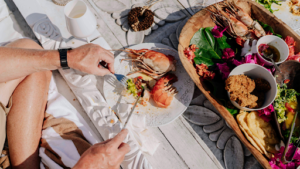
Sure, most travelers grab meals when they’re abroad. That’s obvious. What separates ordinary eating from truly absorbing culinary culture? It’s the planning details everyone else overlooks. Here’s something worth noting: research indicates travelers willingly cover around 484 miles and drop $910 on food-centric trips, with plenty ready to nearly double that figure for a bucket-list dish. That level of dedication deserves preparation that goes way beyond cookie-cutter restaurant lists.
Pre-Trip Intelligence Gathering: The Research Phase Most Food Travelers Skip
Effective food travel planning kicks off months ahead, not when you’re packing your suitcase. Too many travelers squander this head start by relying on recycled suggestions from mainstream platforms.
Mapping Seasonal Food Calendars and Harvest Cycles
Knowing exactly when ingredients reach their prime? That’ll completely reshape your dining adventures. Japanese strawberries in summer bear zero resemblance to their winter counterparts. You’ll need to pinpoint regional harvest celebrations and food festivals at least 3–6 months out—and staying connected on the ground is key. With reliable access to maps, local updates, and last-minute tips when you get an Holafly travel eSIM, that kind of real-time planning becomes effortless.
During this research window, connect with local food bloggers on Instagram. They’re documenting what’s genuinely fresh today, not regurgitating what some outdated food tourism guide insists is “traditional.”
Decoding Restaurant Reservation Systems in Different Countries
OpenTable’s reach doesn’t extend to Buenos Aires or Bangkok. Different countries favor distinct booking platforms that locals genuinely rely on. Japan? That’s Tabelog territory. Spain operates through ElTenedor. Timing your reservations strategically matters more than you’d think.
Early time slots often translate to hurried service, while later reservations offer breathing space but potentially restricted menu choices. Always keep backup approaches ready for fully booked venues—sometimes a courteous phone call in the native language outperforms any app.
Financial Architecture: Budget Planning for Gastronomic Travel Experiences
You’ve assembled seasonal calendars, reservation tactics, and your culinary heat map. You know where and when to eat—but without a strategic budget framework, even brilliant research collapses into costly mistakes or squandered opportunities.
Currency Exchange Strategies for Food Markets
Cash still dominates most food markets globally, regardless of our digital leanings. Research demonstrates that in a typical year, 3 out of every 10 dollars spent at U.S. restaurants comes from travelers and visitors.
Payment apps shift dramatically by region. China operates on WeChat Pay and Alipay. European systems differ substantially from North American ones. Configuring these before departure eliminates frustration when hunger strikes.
Hidden Costs in Culinary Travel Planning
Service charges aren’t gratuities in numerous countries; they’re obligatory fees. Cover charges for bread you never requested might startle you in Italy. Tipping customs fluctuate wildly between cultures, and miscalculating creates uncomfortable situations for everyone.
Import restrictions on food souvenirs frequently destroy plans for transporting specialty items home. Verify regulations before purchasing that pricey truffle or artisan cheese.
Your budget’s allocated, and your financial strategy stands ready, but here’s reality: even expertly crafted food travel plans disintegrate without dependable internet access when you’re positioned outside a shuttered restaurant or struggling to translate a menu in real time.
Connectivity Solutions: Staying Connected for Real-Time Food Discovery
While staying connected addresses logistical problems, there’s one resource you cannot download—your body’s preparedness to manage unfamiliar cuisines, spice intensities, and eating schedules that could elevate or sabotage your culinary adventure.
Why Reliable Internet Access Makes or Breaks Food Travel Planning
Real-time menu translation becomes critical when you’re confronting handwritten specials in Mandarin. GPS navigation proves essential when that legendary noodle shop tucks itself down an unmarked alley. Last-minute reservation modifications occur, restaurants close without warning, or you uncover a superior option worth canceling for.
Broadcasting gastronomic travel experiences in real-time enables you to crowdsource recommendations from fellow travelers who just finished somewhere phenomenal. That variety of live intelligence crushes static guidebook entries every single time.
Social Engineering: Building Relationships That Unlock Hidden Food Experiences
Preparing your digestive system matters, but the most exceptional food experiences rarely surface on Google—they emerge from relationships with locals who unlock access to family recipes, secret menu items, and neighborhood treasures tourists never locate.
Pre-Trip Networking with Local Food Communities
Join city-specific food Facebook groups months beforehand. Ask authentic questions instead of just observing silently. Connect with food tour guides on LinkedIn before arrival—they frequently share insider knowledge generously when you’re not yet a paying customer.
Instagram engagement with local chefs constructs unexpected connections. Comment meaningfully on their posts. Explain why you’re enthusiastic about visiting their city.
Language Preparation for Meaningful Food Interactions
Learning fundamental food vocabulary extends beyond menu items. Master compliment phrases that sound genuine in the local language. Questions like “What’s your favorite thing to cook?” or “What did your grandmother make?” unlock conversation pathways.
These interactions lead to back-room tastings and special preparations that never materialize on official menus. Cultivating connections reveals hidden culinary experiences, yet without precise timing and transportation planning, you’ll discover yourself too stuffed for that reservation you waited months to secure or trapped in traffic during golden hour at the night market.
Documentary Systems: Capturing and Organizing Your Culinary Journey
Perfect timing delivers you to amazing food experiences, but six months down the road, can you recall that incredible dumpling shop’s name, the spice blend you adored, or which neighborhood offered the best value—unless you capture it systematically?
Strategic Food Photography and Note-Taking Methods
Quick notation systems conserve time while preserving details. Record ingredients, taste profiles, and prices immediately. Photo organization supports future reference and recipe recreation later.
Video snippets capture cooking techniques you’ll want to replicate. Don’t merely photograph the finished dish, document the process when chefs permit it.
Building Your Personal Food Travel Database
Creating spreadsheets with restaurant details, costs, and ratings sounds laborious, but becomes invaluable. Mapping tools visualize your culinary journey geographically. Recipe collections and ingredient sourcing notes help you extend the experience at home.
This documentation converts individual trips into foundations for future adventures. Documenting your journey preserves memories, but even carefully planned food trips encounter unexpected disruptions, from food poisoning to restaurant closures, that demand backup strategies most travelers only wish they’d contemplated.
Final Thoughts on Elevating Your Food Travel
The distinction between eating abroad and experiencing culinary culture resides entirely in hidden planning details. From seasonal harvest research to strategic budgeting, from cultivating local connections to documenting systematically, these elements transform random meals into unforgettable gastronomic travel experiences.
Your preparation investment generates dividends in authentic encounters, cost savings, and memories that extend far beyond your return flight. The travelers who dig deeper into planning a food trip beyond surface-level recommendations consistently report richer, more meaningful journeys that reshape how they understand both food and culture.