

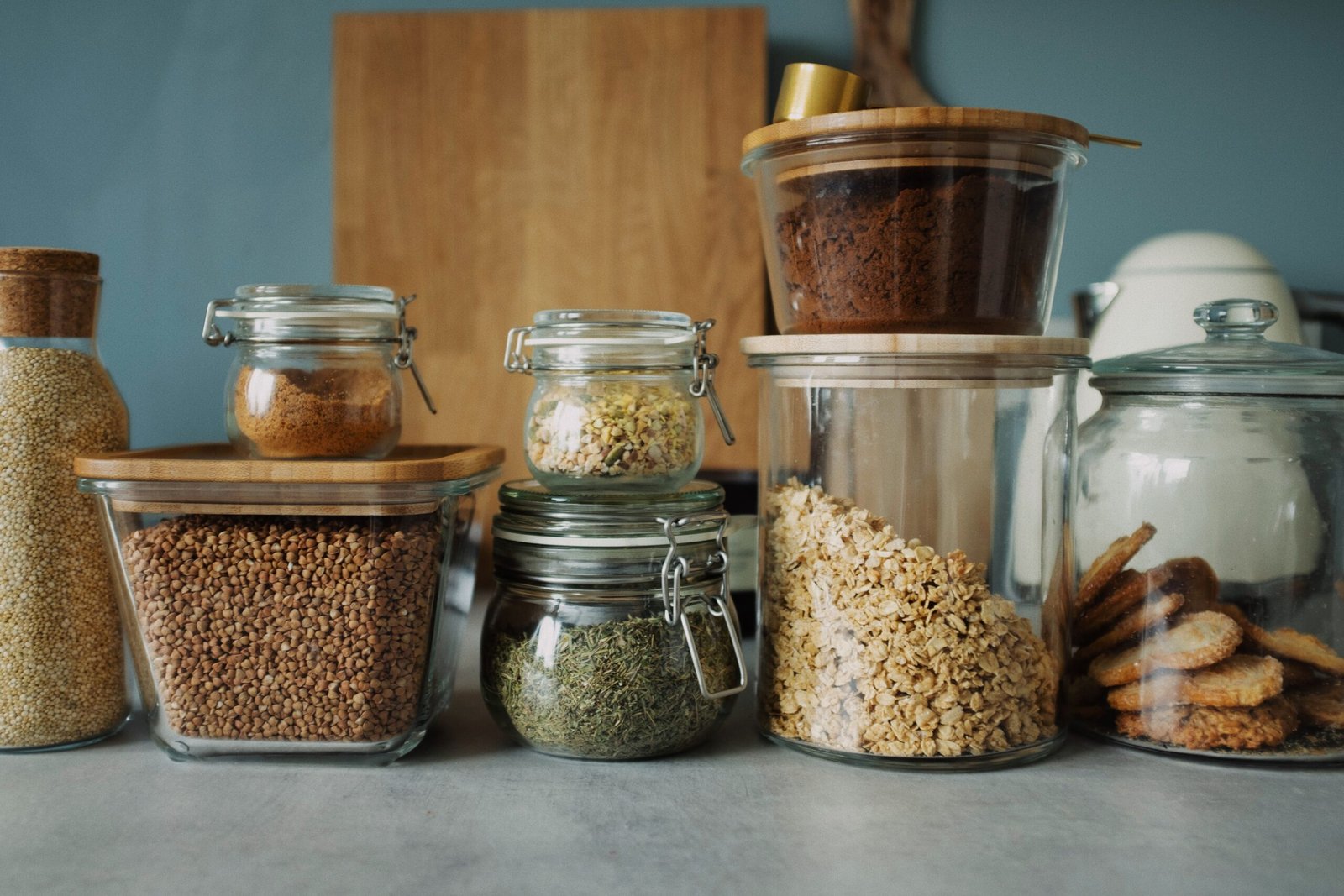
A well-organized pantry does more than make the kitchen look tidy. It helps you see what you have, find ingredients while dinner is already on the stove, and stop buying the third jar of something hiding behind the cereal. For anyone who cooks regularly, those small conveniences add up.
They can also save real money. According to the U.S. Environmental Protection Agency, updated guidance in 2026 estimates that the average American family of four spends almost $3,000 each year on food that ultimately goes uneaten. Pantry organization cannot eliminate every bit of food waste, but it can solve one surprisingly common problem: forgetting what you already bought.
The trick is to organize around how you cook rather than how a pantry looks in a photo.
Start With an Honest Pantry Inventory
Before buying containers or labels, find out what is actually on the shelves. Pull ingredients forward and group similar foods together. You may discover two open bags of rice, several nearly empty pasta boxes, or baking supplies you forgot you had.
Check packages while you work. Damaged bags, spills, webbing, insects, or rodent evidence need more attention than simple rearranging. If pest activity keeps returning after affected food is removed and the pantry is thoroughly cleaned, there could be an entry point or problem elsewhere in the home. Holper’s Pest & Animal Solutions can inspect for pest activity and conditions that may be allowing it to continue.
For everything else, decide what belongs in the pantry and what does not. Move misplaced items, combine duplicates when it is safe and practical, and make a mental note of ingredients that should be used soon.
Organize Around the Meals You Actually Make
Pantry zones are more useful when they reflect your cooking habits. Someone who bakes every weekend needs flour, sugar, baking powder, and vanilla together. A household that relies on quick pasta dinners might want noodles, canned tomatoes, beans, and sauces within easy reach.
A practical setup might look like this:
| Pantry Zone | Ingredients to Keep Together | Why It Helps |
| Baking | Flour, sugar, cocoa, extracts, leaveners | Keeps recipe essentials in one place |
| Grains | Rice, pasta, quinoa, oats | Makes meal planning faster |
| Canned foods | Beans, tomatoes, vegetables, broth | Shows what is available for quick meals |
| Breakfast | Cereal, oats, nut butter | Simplifies busy mornings |
| Flavor | Oils, vinegars, sauces, spices | Keeps frequently used seasonings accessible |
| Use soon | Open or older ingredients | Makes them harder to forget |
Do not create ten tiny categories if five broad ones work. Pantry organization should remove decisions from cooking, not create another complicated system to maintain.
Let Older Ingredients Win the Visibility Contest
Grocery stores rotate stock for a reason, and the same basic idea works at home. When you bring home another can of tomatoes or bag of rice, place it behind the one already in the pantry. Older ingredients stay visible and are more likely to get used first.
Opened products deserve even more visibility. Half a bag of walnuts will probably disappear from memory if it sits behind three unopened packages. Keep open ingredients toward the front, and consider creating a small “use soon” section.
That section can also inspire meals. A little coconut milk, half a box of pasta, and an open bag of lentils are no longer random pantry leftovers. They become ingredients to work into this week’s cooking.
Use Containers Where They Solve a Real Problem
Matching containers look nice, but decanting every grocery item is not necessary. A sealed can of beans gains little from moving into another container. Dry ingredients in flimsy or opened packaging are different.
Flour, sugar, rice, cereal, pasta, nuts, and dried fruit can be easier to manage in tightly closed containers. Good containers protect ingredients from spills and make quantities easier to see. They can also keep one torn bag from emptying itself across the shelf.
Labels become important when ingredients look similar. Nobody wants to discover mid-recipe that the container they assumed held all-purpose flour contains bread flour instead. Label the contents clearly, and consider adding the purchase or opening date to foods that tend to sit around for a while.
Turn Pantry Shopping Into Meal Planning
Before writing a grocery list, spend two minutes shopping your own pantry. Look for ingredients that are already open and check the “use soon” section first. Then choose one or two meals that can put those foods to work.
This changes meal planning in a useful way. Instead of deciding on five dishes and purchasing every ingredient from scratch, you begin with food already in the house. An open package of tortillas might suggest tacos. Chickpeas and canned tomatoes can become a curry. Oats, nuts, and dried fruit can turn into breakfast for several days.
Only after that should you write down what is missing. This simple order helps reduce duplicate purchases while making pantry staples part of actual meals rather than long-term shelf decoration.
Clean for Food Protection, Not Perfection
A working pantry will collect a little flour dust, stray rice, and the occasional sticky spot. Clean spills when you notice them rather than waiting for a major pantry overhaul. Crumbs and food residue are much easier to deal with when they are fresh.
Pay particular attention to shelf corners, the floor beneath lower shelves, and areas where pet food is stored. Check rarely used packages from time to time as well. A pantry can look spotless from the doorway while an old bag at the back has been sitting untouched for months.
You do not need to empty every shelf each week. Regular small cleanups are easier and make unusual signs more noticeable.
Give the Pantry Five Minutes a Week
The best organization system is one you can maintain after the enthusiasm of the first cleanup disappears. Once a week, straighten the main zones, move older products forward, wipe up spills, and check which ingredients need to be used next.
That quick reset can happen while making a grocery list or planning meals for the week. It keeps the pantry connected to cooking instead of treating organization as a separate household project.
A useful pantry does not need matching jars or perfectly aligned labels. It needs ingredients you can find, food you remember to use, and a system simple enough to survive a busy week. When pantry organization supports the way you actually cook, less food gets forgotten and deciding what to make for dinner becomes a little easier.