Home Blog Page 101

A Lot o’ New Preserving Books!

Not like we need another clue to show us we’re on to somethin, but I just received an Amazon notice in my inbox telling me that this Homemade Living: Canning & Preserving with Ashley English is on it’s way to me! This is our very own can jammer Ashley from Small Measure’s first book in her homemade living series and I am very excited to receive it!

And then, while trekking around the mighty Amazon, I noticed a bevy of ‘available for pre-order’ canning & preserving books. Now I know that is not out of the ordinary for this time of year but…

250 Home Preserving Favorites: From Jams & Jellies to Marmalades & Chutneys by Yvonne Tremblay

Williams-Sonoma: The Art of Preserving by Rick Field & Rebecca Courchesne

My Favorite Granola

Now that I have all ya’lls attention, I’mma give you this:

My favorite granola recipe adapted and embellished from a myriad of sources and perfected over time.

Ingredients:

3 cups rolled oat flakes
1 cup rolled rye flakes
1/2 teaspoon salt
3/4 cup wheatgerm
1 teaspoon fresh grated nutmeg
3/4 cup raw walnuts – chopped to halves or quarters (or sometimes shelled pistachios – no salt)
1 & 1/2 teaspoons vanilla extract
3/8 (1/4 + 1/8 for the fractionally challenged) cup walnut oil
1/4 to 1/2 cup honey or maple syrup
3/4 cup dried sour cherries (or sometimes dried cranberries, chopped dried apricots, or raisins).
2 large baking sheets with 1 inch rim

yields: approximately 1 & 1/2 quarts

Directions:

1. Preheat oven to 300 degrees.

2. Toss all of the dry ingredients together except for the dried fruit. reserve the fruit for later.

3. Mix in vanilla extract, walnut oil & honey or maple syrup. i like my granola with a barely audible stroke of sweetness so 1/4 cup of sweetener is perfect for me. but you could add more, up to 1/2 cup, without it becoming cloyingly sweet. note: if you use the same measuring vessel for the oil and honey, and measure out the oil first, the honey will slide right out of the measuring cup quite nicely.

4. Mix well so that the oil, sweetener and vanilla are distributed evenly.

5. Distribute mixture equally into the two baking sheets. shake sheets from side to side so that mixture is quite spread out and there are no layers.

6. Place in oven, you will most likely use two racks. bake for 30 minutes. Halfway through switch the sheets so that the one on bottom rack is now on top and toss both a bit to redistribute.

7. You will know it is done when the color changes slightly – it begins to golden. make sure not to brown too much or the nuts will burn. err on the side of less. depending on your oven the sheets my not toast evenly at the same time, don’t be afraid to leave one or the other in longer.

8. Take baking trays out and toss in dried fruit directly while still warm. adding the fruit here is the key to a good texture (don’t you hate when you buy granola, and it has stone-hard little bits of dried fruit in it? it’s because they bake the already dried fruit).

9. Let cool completely, store in airtight container for up to a month.

If done correctly you have my word that this will:

a) not be too sweet
b) not be too oily
c) not have fruit that will break your teeth
d) not have hard bits of granola better suited for bars than breakfast

My favorite way to eat granola is with homemade yogurt. Mix it up fresh in the morning right in your breakfast bowl. Also, breakfast granola with apple and cinnamon is delicious. Find the recipe here!

Here’s another granola-yogurt scenario all together that you gotta try! Mix a bowl, or a jar, of granola and yogurt at night before you go to bed. let it sit overnight in fridge and the next morning you will have the most wonderfully textured bowl-o’-breakfast as the toasted oats and rye swell up and soften. and when fresh fruit is in season, add some chopped the night before, you won’t believe your taste buds the next morning.

Ok, I do make granola, I did just say wheatgerm up there, I do have dreaded hair, but I do not wear Birkenstocks…

Straight Up Greengage Jam

Finally! Whew! I didn’t think I would be gone this long. But on Labor Day weekend, I had a few friends over to a little shindig M and I have been planning for a few months. It’s kept me kinda busy. Here’s the thing: even though I haven’t been telling you about it, I’ve been jammin’ in more ways then one these past few weeks!

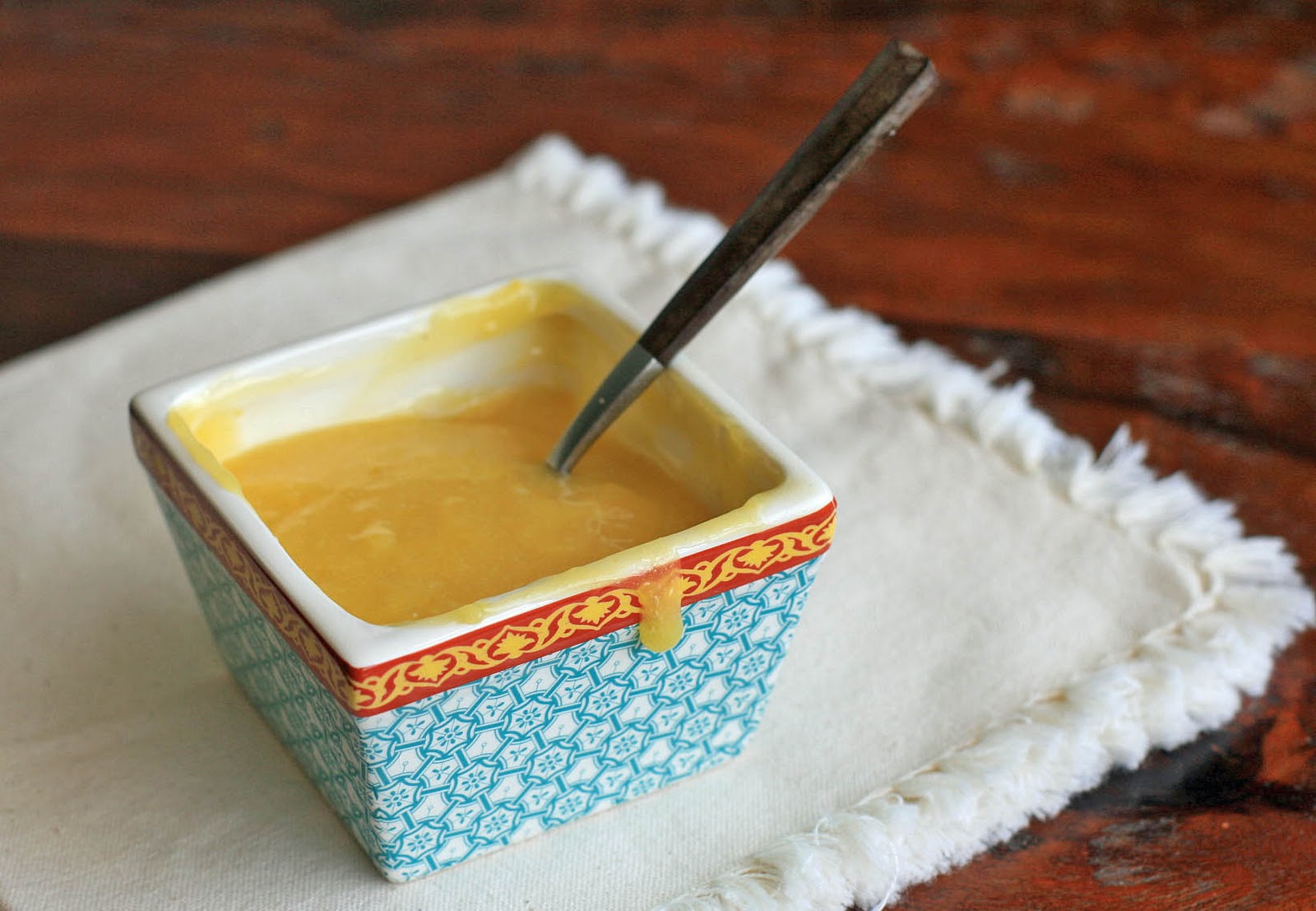
I made a blueberry curd that has just the right lemony tang and is bursting with berry-ness, but I don’t know – maybe 2009 is a little long in the tooth to be talking about blueberries still…maybe I’ll just tuck that into the back of my larder and tell you about it next year.

Whadya think? Meanwhile summer’s casting its sideways glance and I’m actually feelin’ kind of plummy about it. Greengage that is.

Here’s how it went down: due to the above mentioned shindig – M and I cut our summer in the Berkshires short. So for the first time in years we went to the union square green market. If you ever get to NYC you really gotta go. Made me forget all about my garden woes.

Especially when I saw their shiny green faces smiling up at me! I mean, I’ve heard from numerous reliable sources that these little babies are la crème de la crème of jamming plums. So of course I had to buy a few pounds and see for myself.

And guess what? All that hype about greengages being the plum to jam? Well…. I have to kind of agree.

Straight Up Greengage Jam

Adapted from Mes Confitures by Christine Ferber

5 1/2 pounds greengage plums (ripe but firm)
6 1/2 cups sugar (I use raw)
1 large lemon
6 pint mason jars, or 12 1/2 pint
2-3 small plates

yield: approximately 6 pints

Directions:

Day one
1. Rinse plums quickly in cold water and dry. Cut in half, remove stone and cut each half in half.

2. Combine fruit, sugar and juice from lemon in bowl. Give it a gentle stir and let macerate for 1 hour.

3. Pour in jamming pan and bring to a simmer. Let cool, pour back in bowl and place in fridge overnight.

Day two
1. Place plates in freezer to be ready to check set later on. Place cleaned mason jars in canning pot and bring to a boil. Boil for 10 minutes to sterilize (see more details about water-bath canning here).

2. While jars are boiling, drain the syrup from the plums. I do this by placing a large colander in a bowl and first taking plums out of bowl with slotted spoon and placing in colander. Let them drain for a minute. Then pour all of the syrup into jamming pan and bring to a boil. Boil on high heat until the syrup reaches 221 degrees.

3. Return the plums to the syrup and bring back to a boil. Boil on high for 5-6 minutes stirring gently.

4. Check the set by placing a teaspoon of jam on a frozen plate and placing plate back in freezer for 1 minute. Take the plate out and run your finger through jam. If properly set the jam will wrinkle under your finger.

5. Fill the hot jars one by one, seal and process in a hot water bath for 5 minutes.

Ramp ‘n Ricotta Gnudi

Ramps in the northeast are the first sign of spring’s abundance. Since my initial taste a few years back, not just of them, but of harvesting them in the wild, I wouldn’t miss it for the world. In fact, when I heard they were up in the Berkshires this past weekend, a tad earlier than the norm, we jumped in the car and drove as fast as we could to our little farmhouse in the country.

This year in particular I couldn’t wait to see their bright green lily-like leaves perched upright amongst the crisp layer of last fall’s fallen maples and the like. A couple of years ago, discovered gnudi, an Italian pasta-like dish that kinda, sorta resembles gnocchi, but I like the more accurate description of a ‘nude’ ravioli better. In other words, it’s the middle without the casing. Its decadence lies in the not-so-mere fact, that the good stuff isn’t rationed, it’s the whole damn thing. Made even more decadent by the fleeting wild leek, this version might best be eaten laying down.

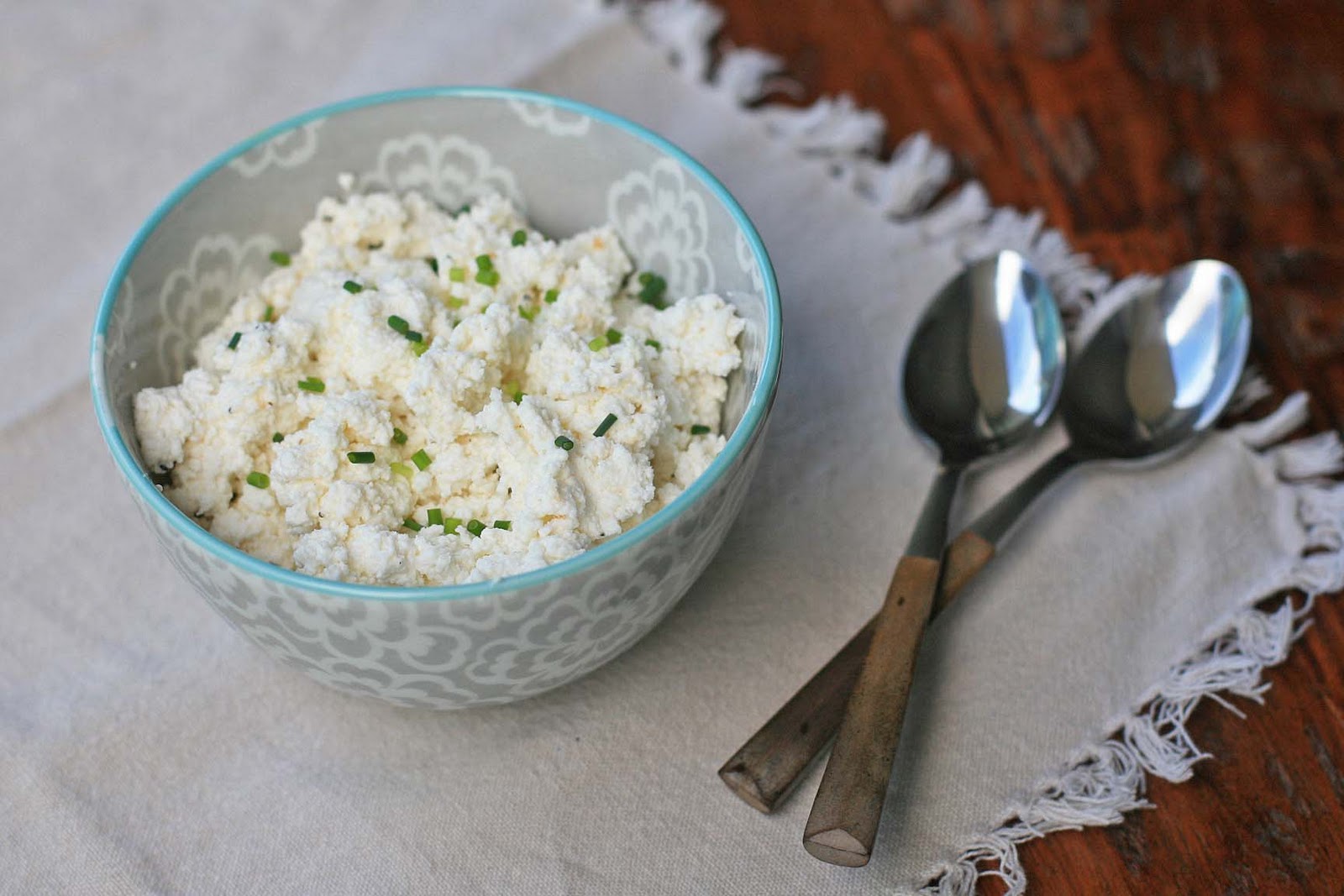
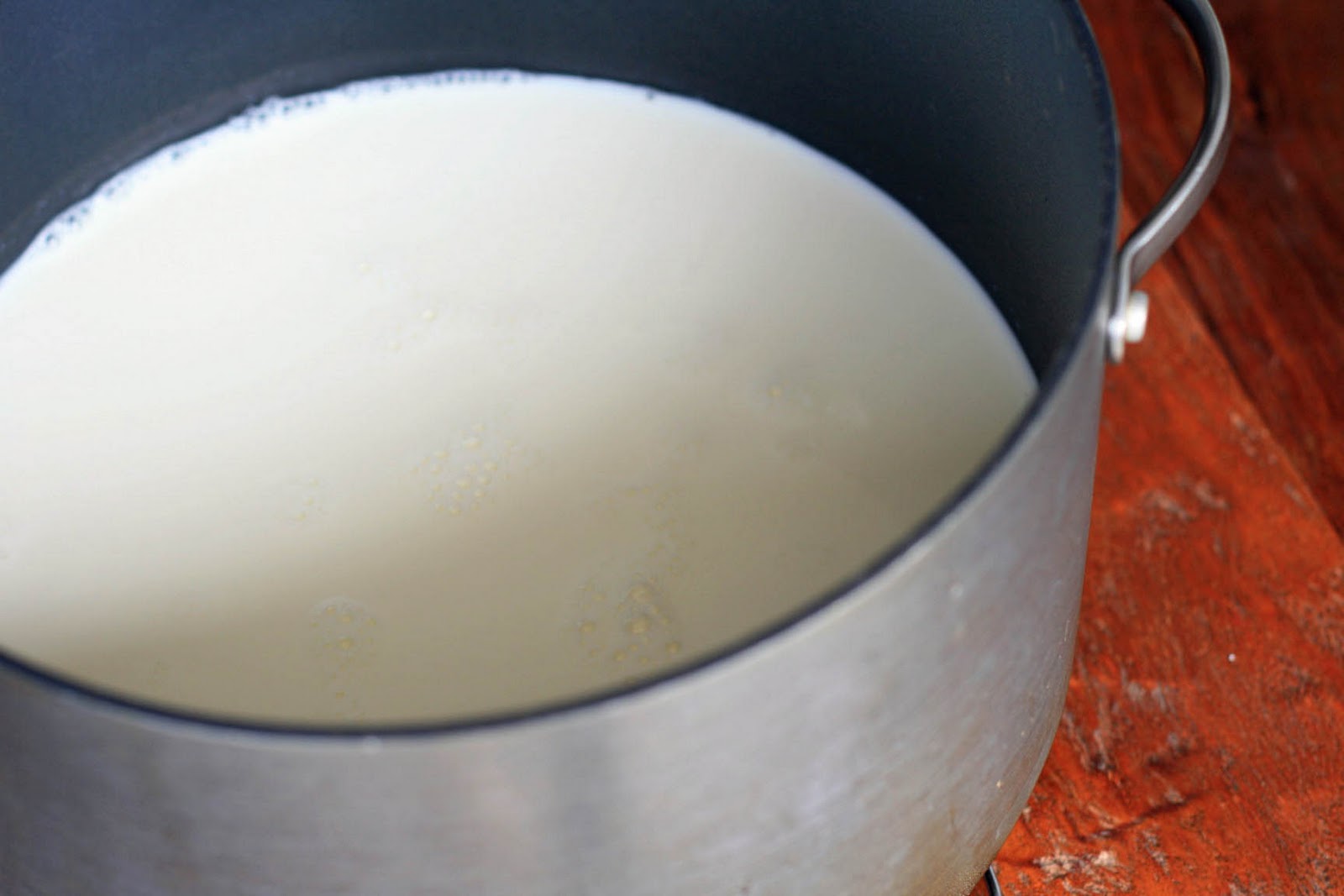
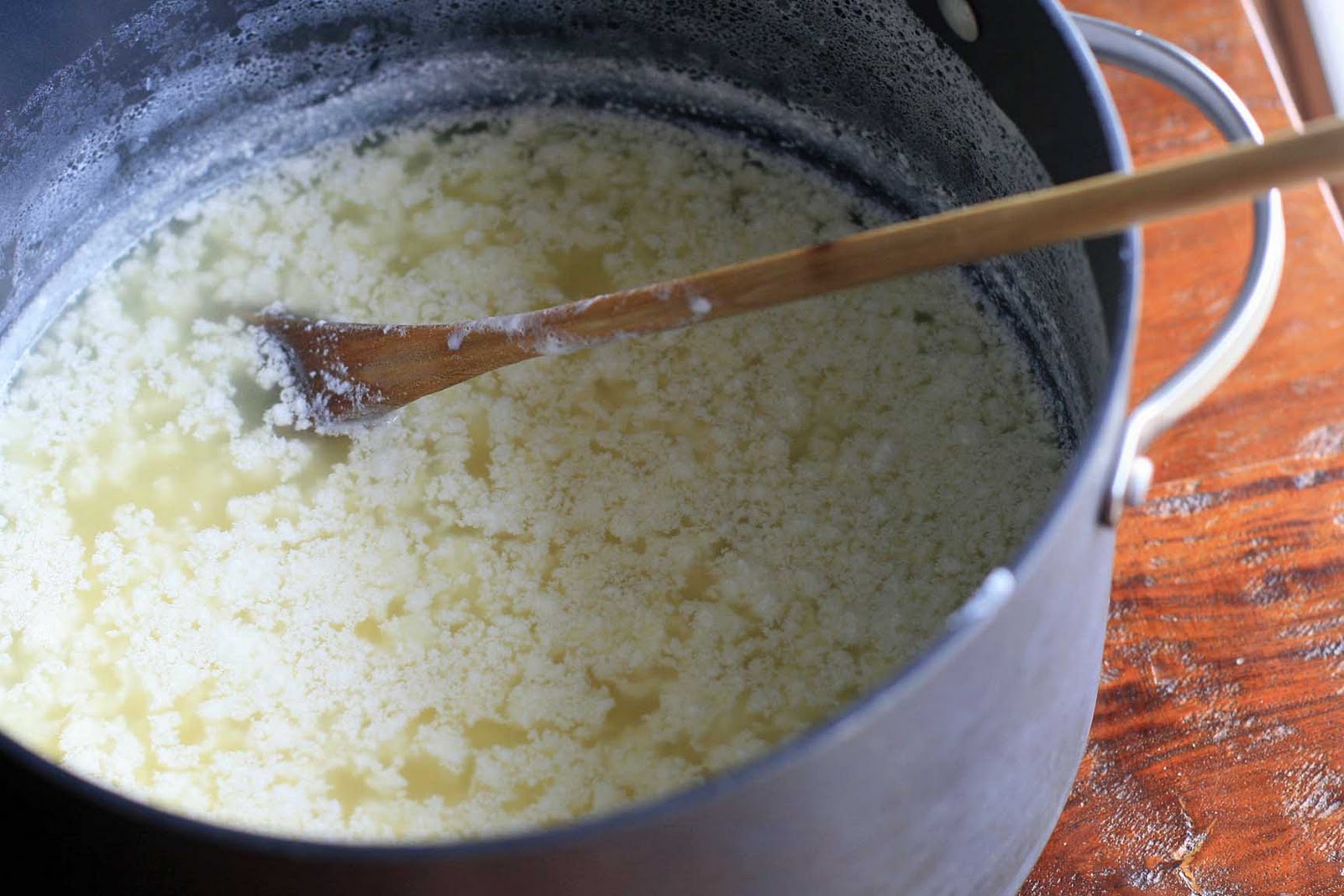
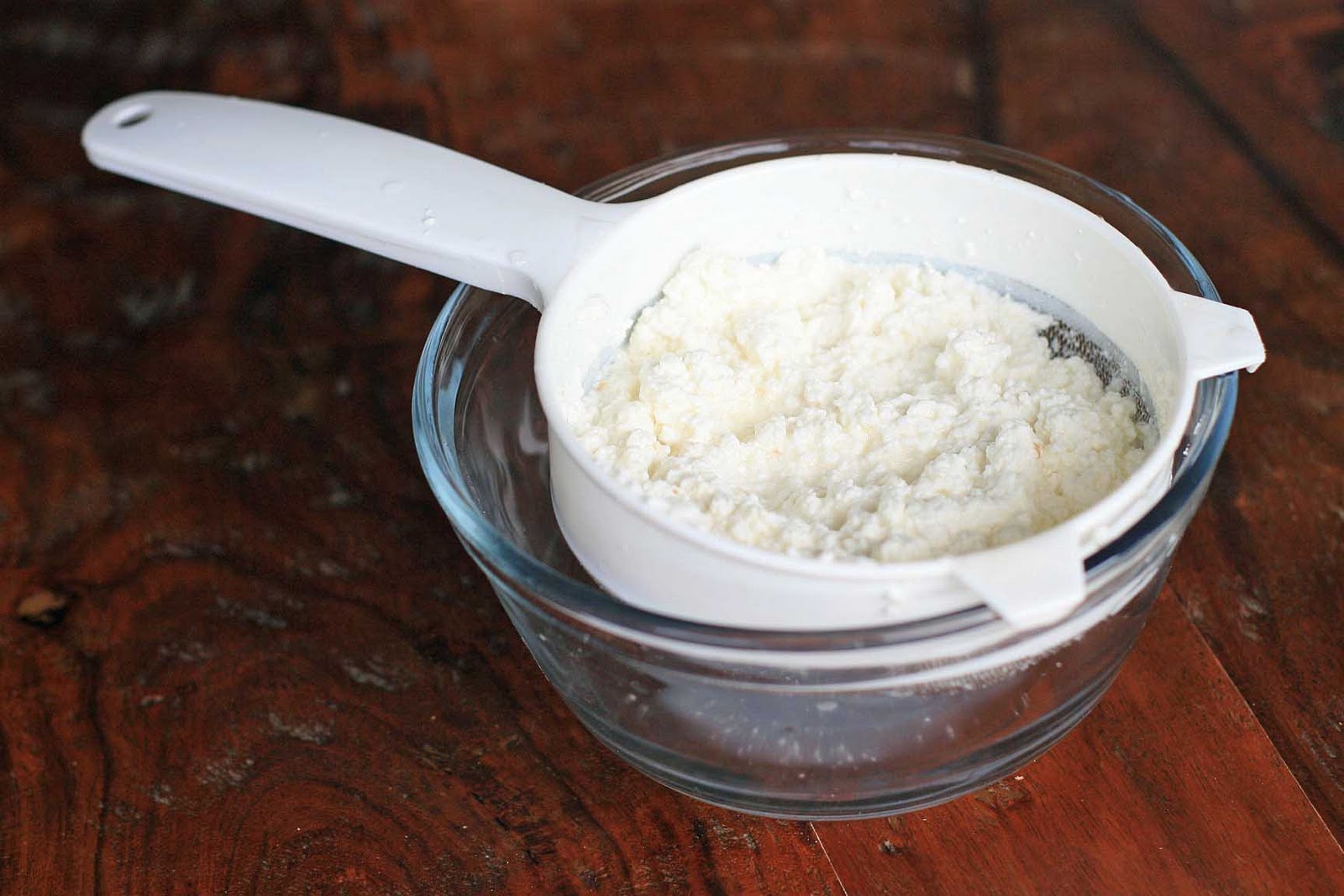
Now, I’m not gonna lie, I had one of my catty pilgrim moments and I made the buttermilk ricotta from scratch, but that’s ’cause my idea of a good time is a Sunday in the kitchen. You could certainly buy your ricotta from a good source, and while you’re at it, source those ramps and get this spring-time on your plate.

Canned Tomatoes: Sauced


Meyer Lemon Pickle with Nigella

If you’ve been over here lately, then you know how much I enjoy early mornings, and you know what a beautiful view I relish up in the Berkshires, a symphony of autumnal colors as of late. You may also know that our 2009/10 move back to the city has happened, and well, my views have changed. This year is even more of a change due to the fact that we moved from Manhattan, across the bridge to LIC earlier in the year. This is how the sun comes up around these parts:

morning kitchen view

View from terrace: Silvercup, home to the filming of, IMO, one of the greatest series of all time (no, not Sex in the City, the Sopranos!) and if I go way out to the end of the terrace and look left, a view of my favorite building in NYC – the Chrysler Building. It looks ethereal but it’s just the sun: smog + sun. So things do look a little bit different around here than they do in the Berkshires. But, lest you feel my lack of joyousness…have no fear because as sure as the sun shines, there’s a lemonade waiting to burst forth in every lemon and perhaps more accurately for our purposes here if the sun surely shines as long and strong as it does in this kitchen then

ain’t no lemons gettin’ aden around here because this my friends, is what I’m talkin’ about. Sickle

Sun + pickle = sickle. As in, this pickle is soooooo good it’s sickle! (I had to)

Meyer Lemon Pickle with Nigella

Spicy Pickled Green Beans

I know, I know. Everyone’s doing it. Dilly beans, dilly beans, dilly beans…who can complain about these garden stalwarts?

Look, it’s a massacre over here. Late season blight has wreaked havoc on all 16 of our tomato plants. I can’t even show you the gruesome truth via photos as every last one of those poor little suckers had to be torn from the ground, bagged and hauled off.

This is a recurring and devastating site around much of the northeast this summer. It’s not pretty folks. But at least I got a hill a beans…

Green beans, I must admit, I have never really thought much about them. They’ve just always been, you know, there. Being there (here) has taken on a whole new meaning in my garden this year between the weather and the blight…what’s a pickler to do??? Make dillys!

Spicy Pickled Green Beans

Kimchi Steamed Buns

I admit, I have a bit of a steamed bun addiction. And if truth be told, I lived off of them for years when I lived in the lower east side. Back then, I never even imagined I could make them myself. So if that is what you’re going through right this very moment,

I get it. Again, I urge you. We can do this together. Once you get the dough and technique down – and trust me I am talking e-a-s-y, you can really put just about anything inside these pillowy buns.

I started filling them with kimchi in a stroke of genius sometime in the fall. Thus, after I had the better side of the 75 pounds of cabbage I decided to ferment this past season glaring at me from behind glass jars. Kimchi, I have found, is the most convenient and tasty of steamed bun fillings! The hot salty-sourness and slight crunch are the perfect compliment to the melt-in-your-mouth casing.

So, take a deep breath and let’s do this!

Kimchi Steamed Buns

Adapted from Asian Dumplings by Andrea Nguyen

For dough:

2 & 1/2 cups all purpose flour
2 teaspoons baking powder
2 tablespoons sugar
1 & 1/2 teaspoons instant yeast
3/4 cup lukewarm water
2 tablespoons vegetable oil

For filling:

1 & 1/2 cups kimchi, drained

You will also need:

steamer, I use bamboo, but a metal one is good too.
wok or large pan to fit steamer in
parchment paper, I use these, or you can cut regular parchment into 4 inch squares.

yield: 12 buns

Directions:

1. Add the dry ingredients to a food processor and pulse three times. If making by hand, whisk in a large bowl.

2. Add yeast to water and let sit for 1 minute. Whisk in oil. Let sit for another minute.

3. If using a food processor, add yeast mixture in a steady stream with machine running. If the dough does not clump together in about 30 seconds, add a few more teaspoons of water, just until it starts to clump. Run machine for another 60 seconds. Dough should lift from sides and form a mass, it should not be sticky.

If making dough by hand, make a hole in center of dry ingredients and pour in yeast mixture. A great eastern stirring technique is to press your fingertips and thumb together to form a point and use your hand to stir in circles, starting from the center with smaller circles and moving outwards to rim of bowl with larger and larger circles. This technique was a revelation to me.

gap

Add water, a teaspoon at a time if dough is not clumping. Once clumped, gather into a ball and knead for 5 minutes. You can do this in the bowl or transfer to a work surface. Dough should not be sticky and you should not have to add additional flour to knead.

4. Lightly oil a bowl and place dough inside, give it a spin so that the oil coats the entire ball. Cover with plastic wrap and place in the warmest place in your kitchen. Let rise for 45 minutes or until it looks as if it has doubled in size.

5. When the dough has proofed for about an hour, punch the dough to release excess gas. Knead the dough for about 1 minute and roll it back into a nice smooth ball. Place it back into its bowl, cover it with a towel, and let it rest for another 35 minutes.
6. Once the dough has completed its second “proof,” knead the dough once more for about 1 minute and then divide it into 12 equal pieces.
7. Using a rolling pin, flatten a small piece into a round disc, about the size of your hand. Place the disc on your hand, scoop about 2 tablespoons of the filling onto the disc, and then fold and pinch the edge of the disc, until the filling has been completely enclosed.
8. Place the ball, seal side down, and roll it between your hands to smoothen the seal. Place the bun on a square of parchment paper and into your steamer, while you repeat with the remaining pieces of dough.
9. Allow the buns to proof for an additional 20 minutes before steaming. Steam them for 20 minutes.

Sweet n’ Spicy Lemon Pickle

Not all pickles have vinegar in them. That may be a surprise to some of you, and for sure a lot of pickles have vinegar.

But not these:
In India (and other parts of south Asia), oil or lemon juice is used to preserve many types of fruits & vegetables. I call most Indian pickles sun pickles because the best part, besides the flavor, is that they are gently cooked by the sun over time. This long and drawn out (essentially marinating) process allows the pickles to keep for a year or more in the fridge, once they are ‘cured’ in the sun.

These pickles are sweetish with a clean zing from the fennel. The cayenne can be altered depending on your tolerance for heat. A little goes a long way and this recipe should make enough to last a year. This is my favorite Indian pickle at the moment – I am just finishing the batch from last year. It is the perfect thing to eat with rice and yogurt. Actually, that is the best thing about having Indian pickles around. When you’re lazy or don’t have time to cook much of a dinner, just whip out these babies and you’ve got a jar full of intense flavor. All you’ll have to do is boil some rice. Most of the pickles and jams I make are with fruit & vegetables that are in season because:

gap

a) They travel less
b) I get to grow them myself (or get them directly from the person who did)
c) They taste better

That said, lemons, and pretty much any kind of citrus are pretty hard to grow in the northeast so I have to make the exception and buy them after their very short trip from Mexico (ahem). People I am trying…

Sun pickles do have a season though; these take about 8 weeks (yes I said 8 weeks) of sun sitting, and you want them to get as much sun as they can each day so I wouldn’t make these in the winter in the northeast where the days are short. Or they can suffer from SAD.

No wait, that’s me. They can suffer from mold if they don’t get enough sun. But don’t let that scare you, because I have made tons of sun pickles and have never had mold on any of them. The most important thing is that the lemons are organic. Really anything you want to pickle should be organic, unless you’re down with preserved pesticides.

Sweet n’ Spicy Lemon Pickle

10 small very fresh lemons, no blemishes
2 small lemons, juiced
⅛ cup cayenne powder
2 cups lightly packed brown sugar
3 tablespoons sea salt
1 ½ tablespoons whole fennel seeds
1.5 tablespoons whole cumin seeds
1 teaspoon whole fenugreek seeds
1 ½ tablespoons whole peppercorns
2 liter jar with a tight fitting non-reactive (no metal) lid

There are a couple of basics when making sun pickles that need to be followed. The jar should be very clean, which means that it should either be washed in very hot soapy water by hand or in the dishwasher, and dried thoroughly. The lemons should be wiped with a damp cloth and then with a dry cloth. They also need to be dried thoroughly. Any water left in the jar or on the lemons could cause them to spoil. But don’t let this scare you because it has never happened to me. Just get ’em dry.

Directions:

1. Make a very small slice on the ends of each lemon, just to get the ‘scars’ off either end.

2. Slice each lemon lengthwise, then slice each quarter lengthwise again, and slice each eighth in half. While you are doing this, you can take out the large pits. You don’t have to go crazy digging out the small ones. Just leave them, you wont even notice them in the finished pickle.

3. Heat a dry pan on medium heat. Roast the fennel, cumin and fenugreek seeds just until they get a shade darker and their aroma intensifies, about 3 minutes. Do not let them burn, or they will taste bitter. Let them cool in a plate.

4. Combine the roasted seeds and peppercorns in a spice grinder and grind to a powder.

5. Mix brown sugar, cayenne powder, ground spices and salt together.

6. Place half of the lemons in the jar. Spoon half of the sugar & spice mixture in the jar, then the second half of lemons and the rest of the sugar & spice on top of that. Close the jar and shake.

7. Add the juice from the two lemons in the jar and close and shake again. Try and get the sugar & spices to all of the lemons.

gap

This will be your pet for the next 8 weeks.

It needs to be put in the sun everyday and if you are starting it in the spring and live in a northern climate, then that means you will be rotating it to different windowsills throughout the day. If it is warm where you are or you are starting it in the summer months, then you can leave it outside all day in direct sun; just remember to take it in at night. You also need to shake it at least once a day. If you are like me and you like fiddling with your pickles (umm) then you will shake it a few times a day. But one good shake a day is good enough.

If in that 8 week time frame you go on vacation or somewhere for a few days where you cannot take it with you (yeah, so?), you will have to ask a family member, friend or co-worker to take your pickle home and make sure to keep it in the sun and shake it once a day.

This said family member, friend or co-worker will think you are weird.

You can check the pickle after about 7 weeks. When the liquid has thickened and the peels of the lemons have softened, it is done. Depending on the amount and intensity of the sun and the thickness of the lemon peels, this time will vary. But they should be done at 8 weeks. When they are done, they should go in the fridge where they will last for a year or more. You can spoon them into smaller jars if you like. Always use a clean spoon when you are taking the pickle out of the jar; this will help them last longer.