Home Blog Page 109

Oven Roasted Tomatoes With Turkish Spices

Yes, yes, I’m still alive! It’s been over two months since last we spoke and there’s really nothing to say other then, when you have 110,000 people over for the weekend for a bit of music and fun, things get busy.

Not to mention the full month absence from my Berkshire garden, and subsequent avalanche of tomatoes, chiles, all kinds-o’-roots, greens, beans, corn, herbs threatening to seed, and impending early October frost all waiting to greet me upon, or quite soon after, my arrival. Whew!

Even with all of that hoopla going on betwixt my garden fence, there was no question that my first self-inflicted order was, SAVE THE TOMATOES!

I know roasting tomatoes and freezing them for later may not be a new idea for the savvy preservers out there. But it’s a very good one. And one that I would not think about skipping when saving my garden tomatoes. Plus it’s dangerously easy, uses up a lot of tomatoes and the finished product is sweet, concentrated tomato flavor. Great for pastas, bruschetta, adding to a pot of beans, winter stew, or egg scramble.

Before I jump into my version inspired by my way too long ago trip to Istanbul, let me say the basic version that’s been floating around the interwebs for years now. The one of olive oil with a dusting of salt and a scant sprinkling of sugar is nothing to scoff at either. So go simple, or go daring like I do below.

Chatelaine Revival!

Originating in the 18th century, the term chatelaine meant a chain or clasp which held useful objects, most importantly the keys to the castle. Chatelaines were worn most often by the mistress, but sometimes by the master of the house, and the term itself later came to mean simply, the keeper of the castle.

In Sharon Astyk’s book Independence Days, she reintroduces the word and newly defines it as: the person whose job it is to make sure the food storage is organized and taken care of. In my castle that would be me.

(Yes, I told you I had obsessive tendencies, but that’s besides the point)

This is what’s in my larder and fridge/freezer now in LIC. The bulk of the season’s bounty is still in the Berkshires. Part of this chatelaine’s work is to haul back to a New York City apartment a new supply of preserved food and raw milk every 6 or so weeks throughout the winter months.

It’s no surprise that the term chatelaine lost its punch when most of us were stopping by the grocery store every few days to buy whatever we needed. But now that many of us are making an effort to eat seasonally & locally and learning to grow and preserve our own food, the task of the chatelaine is once again at the fore.

Having been growing and preserving my own food for the last 6 years, I know that managing the food storage throughout the year is a big part of it all. And that it’s a constantly evolving process.

Fine-tuning Around Here Includes:

  • Using up the canned, frozen and fridged preserved goods. Learning what we like to eat, how much of each item throughout the year, and finding new ways to use preserved food in cooking. The challenge for me has been keeping us in straight-up veggies throughout the winter so that we can eat what we grow all year. I know it involves the freezer but I’m still working on what freezes best and what suits our tastes.
  • Keeping the dry larder stocked, organized and efficient. This includes the grains, beans, spices, herbs and other dried goods. Finding a balance between storing enough, and using them when they are at their most fresh is important. Sussing out local sources for goods in this category is an on-going challenge. And drying and dehydrating are preserving methods that I need to explore more.
  • Storing and using up ‘cellared’ vegetables. Like many of us today, I don’t have a root cellar. But there are things that I grow that can be stored without too much effort. Garlic, onions and winter squash are the easiest for me. Using these up before I get soft spots on my pumpkins or a waft of bad onion hitting me in the face is a priority.
  • Generally stretching the season’s bounty. For me it’s a circle. What I learn with each passing year tells me what I need to grow, and allows me to eat as close to the source as possible. First from my land, second from my neighboring farmers’ land and on out from there.

gap

Here’s the thing: you don’t have to have a garden bigger than your house, or even grow your own food. You don’t have to can 500 jars of tomatoes in the sweltering heat of august. You don’t have to eat only things that grow within 100 miles from your home to do the chatelaine’s work. It’s about taking stock, organizing and using up what you have, knowing what you like and need so that you can make better choices for you and your family, the people and animals that provide what you eat, and the planet on which we all live.

It’s not all or nothin’ peeps, it’s a mind-set and some action. The amount is up to you and I assure you it will vary over time.

North Indian Lime Pickle

During citrus season, I become a pickle making machine. I know marmalade is the flavor of the month for most, but my year’s meals would be incomplete without jars of fermented citrus lining up in my fridge at the ready to pack just about any dish with salty, spicy, sweet, and puckery flavor. From the left is salt and pepper preserved kumquats, gingery lime pickle, north Indian lime pickle, and sweet preserved kumquats.

Yes, I’ve realized that to complete this set, I need to give you one more recipe. Get your limes ready, and…chop, chop!

or more appropriately, slice, slice, of course.

Spring Turnip Pickle

Even though we’re basically farmers ourselves, I can’t help but go to area farmers markets whenever I can. That is the one consolation prize for getting our garden prepped a little too late, or not getting those earliest seeds in the ground. Every year I say the same thing, “we have to make sure we get the root veggie seeds in the ground early!” Because if you wait until too late, and it’s too hot while they’re growing they can get tough and pithy. Or worse yet, one year the beets didn’t even grow. But we have a little shindig we’re throwing this Labor Day weekend that has kept us in the office more than out in the garden.

Speaking of growing beets. All in all, our garden is growing along nicely, nothing quite ready yet, so I have been enjoying going to the first farmers markets of the season up here in the Berkshires and picking up the first tender spring veggies.

These lovely turnips were grown in the Hudson Valley at the farm at Millers Crossing and on display at the Lenox farmers market. There were two bunches left on the table. I could have sworn when I walked by, I heard a bunch (or 2) of wee little voices saying, “hey you, pickle me!” It could have been my imagination. Regardless, it seemed like the right thing to do.

Gap

Left (pronounced lefit) are ubiquitous in the middle east. You can see jars of them in the windows of cafes & restaurants and on the shelves and street corners of pickle vendors. I am sure there are as many subtle variations as there are pickle makers.

These pickles ferment, the turnips soften a bit, and the raw vegetable flavor mellows. In turn you get slightly sour, just salty enough lightly fermented turnips that pair perfectly with home-made hummus, warm pita bread, and strained yogurt drizzled with olive oil.

Spring Turnip Pickles (Torshi Left)

Adapted from The New Book of Middle Eastern Food

Ingredients:

1 pound small spring turnips, cut in half or quartered
1/2 small beet, sliced
water (1 2/3 cups)
salt (1 1/2 tablespoons)
white wine vinegar (1 1/2 tablespoons)
1 quart or liter jar

Directions:

Wash jar in hot soapy water, or put through the dishwasher. Cut turnips in half if small, quarters if slightly larger. If your turnips are large, you should peel them. If you are making this with small, young spring turnips, no need to peel.

Peel and slice beet. I used a whole larger beet for this because I didn’t have a smaller one and I didn’t have a plan for the other half of beet. So this batch came out a bit darker than usual. I really do recommend using a half of a smallish beet, or a whole very small beet. What you will end up with will be lighter, an almost neon fuchsia colored pickled turnip. And who doesn’t want that?

Pack the pieces in a jar, placing the couple of beet slices in between turnips. Boil the water, salt, and vinegar. When it just comes to the boil, take off heat and let cool. When it is cool, or mostly cool, pour into the jar and cover.

Gap

Store at room temperature in a warm place for 3-5 days. Taste after 3 days to see if the raw taste is gone and the turnips have softened and taste lightly fermented. They will get a bit softer and more fermented if left in warmth for another day or two. It is really a matter of taste.

When ready, put jar in fridge. They will last up to 6 weeks. The cold temperature will slow down the fermenting process but you may start to notice they are softening more, and the fermented flavor is getting stronger as it gets to the 6 week mark.

I don’t think you’ll have to worry about them sitting in your fridge for 6 weeks though. That’s why I like to keep the batches small, and make Left a few times each spring. Because really, pickling can’t get much easier than this!

Plum Noir Jam

Plum Noir Jam

Yield: approximately 4 pints

4 lbs. dark plums
3 bay leaves
10 black peppercorns
4 green cardamom pods
1/2 teaspoon fennel seeds
1/2 cup water
juice of one lemon
5 cups sugar
pint, 1/2 pint, or smaller mason jars

Directions

1. Prepare jars and lids for hot water bath canning. Let the unfilled jars boil for 10 minutes to sterilize. Put 2 or 3 small plates in the freezer for testing set later.

2. Pit and chop plums, place them in a non-reactive pot with 1/2 cup of water and lemon juice. Heat on low, covered, until the skins soften all the way through – about 15 minutes. Heating plums before the sugar is added will ensure soft skins and will aid against fruit floating in the finished jars.

3. As the plums are softening in the pot, prepare the spices. Break open the cardamom pods, take out the black seeds, and discard the green shells. Powder the cardamom seeds, peppercorns and fennel seeds in mortar and pestle. I cannot stress enough how important it is to buy whole spices and powder only when needed, they last so much longer and taste so much stronger.

4. When the plums have softened, keep the heat on low and add the ground spices, bay leaves (please make sure they are not old and you can actually smell the sweet spice of bay – otherwise you might as well add a couple of Post-It notes) and the sugar. Keep the heat on low until the sugar dissolves and then turn up the heat and bring to a boil.

5. Boil until sufficient set is reached – about 15 minutes. To test the set, add one teaspoon to a frozen plate and place plate in freezer for 30 seconds. Slide your finger through the jam and if it wrinkles underneath even slightly, the jam is set.

6. Fill hot jars and hot water bath process for 5 minutes.

Preserving Herbs: Favorite Books

For those of you following along with the great can jam, you know that the food in focus for this month is herbs.

You know what that means? That means in just a couple of weeks from now there will be a bushel full of links right here pointing you to a myriad of ways to preserve herbs in jars!

There are so many different types of culinary herbs and I think I’m in love with every last one of them. They are used in every culture around the world and growing herbs is one of the great pleasures of a kitchen garden. These are three of my all time favorite herb books.
(I know, I know, more books – I can’t help it!)

My Favorite Herb Books

The Herbfarm Cookbook by Jerry Traunfeld This book was a turning point for me. Jerry’s extensive experience on growing and cooking with herbs is pretty much unmatched.

Your Backyard Herb Garden by Miranda Smith a great resource for growing your own herbs. It’s a little book with a lot of info. I continue to refer to it each year.

Herbs & Spices: The Cook’s Reference by Jill Norman this is a cook’s bible on using herbs and spices. I refer to the ‘good with’ and ‘combines well with’ suggestions often. In addition to the culinary uses, there’s helpful info on growing, buying & storing.

Lavender Rhubarb Jam

I love lavender I mean c’mon – who doesn’t love lavender? That’s why I’ll be sharing with you this lavender rhubarb jam recipe.

I am lucky enough to have a big fat row of it across the old stone wall in front of my house. We didn’t inherit this, it was one of the first things we planted when we moved in. I guess it’s that Provence thing again…

I know, you’d think I spoke French or something, or Italian or even German for güte sake. Well, I don’t. Regardless…I like to fancy myself throwing down with the best of those fields-of-herbs growing, stone chateau living, tea-from-a-bowl drinking, after dinner cheese eating woman … foreign terroir or no…cause I have pot, will travel.

As I said somewhere before it’s rhubarb season and I have a lot of it. Last year I was on a search to find some jammin’ recipes for rhubarb jam, and really, when that’s what I’m looking for, I never have to look any further than christine ferber’s mes confitures. Basically, just looking at the photos in that book is like eating a big ole’ piece of jamble pie, er, humble pie, er quiche…

Whatever

What I’m trying to say is that Mme Ferber can throw down when it’s time to jam. Even Martha pays her homage. So I took her recipe, and made it better. I did! it’s true! (where’s Martha when you need her?) Ok, I may be exaggerating…I made it different. With lavender instead of rosemary. So if new season lavender sprigs are hard for you to come by then try it with rosemary, it’s just as good!

Speaking of favorite cookbooks (I was, wasn’t I?): another beauty is the herbfarm cookbook. It’s here that I discovered that extracting flavor from herbs works better in cool or cold temperatures. So rather than simply adding the herbs to the hot cooking fruit, I macerate the lavender with the fruit overnight in the fridge and let it cook in the jam too. and WOW!

Lavender Rhubarb Jam Recipe

Ingredients:

4 1/2 pounds rhubarb, stalks sliced lengthwise and then minced
5 1/2 cups granulated sugar
14 ounces light honey
juice of 3 good size lemons
20 sprigs lavender

Directions:

1.  Slice and mince rhubarb, add sugar, juice of 2 lemons and lavender sprigs. Stir this mixture gently to coat the fruit with sugar otherwise you may find a bunch of clumpy sugar at the bottom of bowl in the morning. Cover with parchment paper, or place a plate over the bowl and macerate in fridge overnight.

2.  Next morning start by placing 2 or 3 small plates in the freezer for later use. If you are planning to preserve the jam in a hot water bath canner place jars full of water without lids in canning pot and cover with water by 1 inch. Bring to a full rolling boil for at least 10 minutes to sterilize. Then turn heat down and leave jars in canner until ready to fill jars. If you are not planning to preserve jam and will be putting it directly into fridge, I suggest cutting this recipe in half.

3.  Pass mixture through a strainer and pour collected juice into a non-reactive pan. Add honey and bring to a boil. Skim any foam that collects on top and continue cooking until 221 F on a candy thermometer.

4.  Add diced rhubarb & lavender and bring to a boil. Mix gently and skim carefully any foam that gathers on top.

add

5.  Add juice of 3rd lemon and continue cooking for about 5 minutes. Stirring gently.

6.  Take jam off heat and check the set – here’s where you need the small plates from freezer. When you think jam has set (try at 5 minutes) drop one teaspoon on plate and put back in freezer for 1 minute. Then pass a finger through the middle of the jam. Depending on the consistency of the particular jam, it will either wrinkle under your finger (if it is a thicker jam) or your finger will pass through and there will be a clear line, i.e. the jam will NOT run back together quickly again.

Like this:

In both of these instances the jam has set. If the jam does not wrinkle under the finger or runs back together quickly once your finger has passed though, it is not sufficiently set and you should put jam back on heat for another minute and check the set again. You may need to do this a few times until you get the hang of jammin.

7.  When the jam is sufficiently set, follow the steps here to process in a hot water bath for five minutes. Yields approximately ten 1/2 pint or five pint jars. the recipe can be easily cut in half. Enjoy your rhubarb jam by spreading it on toast or just eat it with a spoon!

One more time: Don’t be discouraged if you don’t have access to fresh lavender sprigs because rosemary is also delicieux! Just like this apple marmalade with rosemary .

Rhubarb Lavender Shrub

Ok, I swear I think this is going to be the last of the rhubarb posts for this year. That isn’t to say that my Willy Wonka rhubarb patch is not going to continue to give. It’s just that I really do need to move on.  This season has been a busy one for me, busy with work, and I fear even more lack of time to flex my preserving prowess in the coming weeks. :(

I think I may have missed strawberry season entirely in the northeast. (Did I?)

But never you mind with that because this little shrub-o-mine consists of one of my absolute favorite flavor combinations.

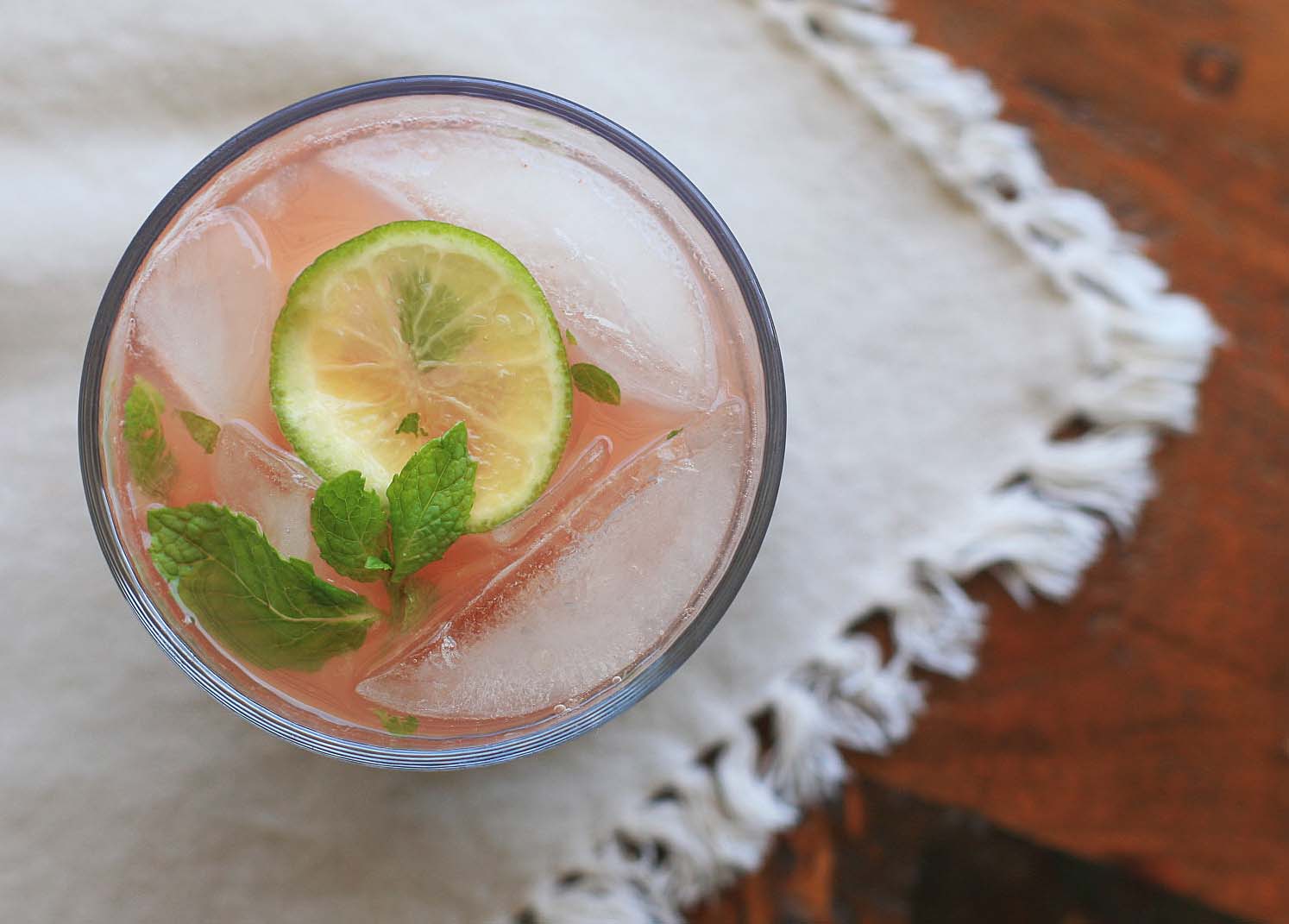
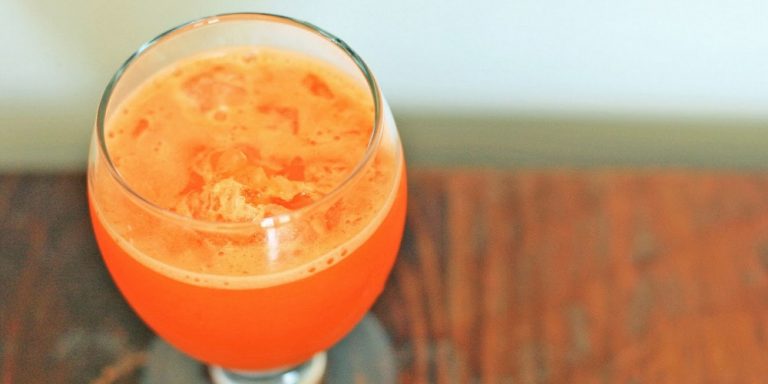
Shrubs are about the easiest thing you could ever make. At their simplest they are equal part fruit, sugar, and vinegar. Mixed with water or sparkling water they make a refreshing summer drink sans alcohol, or use as a base for a cocktail and you’ve got a whole other party going on. For all you’ve ever wanted to know about shrubs, read this great post over at serious eats.

There’s two ways to make a shrub, either by cooking the fruit, or by what is called the cold-process method. I prefer the cold-process method as it retains the fresh fruit flavor. Cold-infused herbs render a much brighter herbal flavor also. Plus, you can be lazy about the whole process, which I like.

Rhubarb Lavender Shrub

Yield: 1 & 1/2 quarts

Ingredients:

I’ve got that rhubarb out of the way just in the nick of time, ’cause I got blueberries coming at me! Lots of them! (as long as I can keep the birds at bay) Wait! Did I just say blueberries & bay?!  That sounds like another perfect shrub combo!

Sri Lankan Mustard

Sri Lankan Mustard

Adapted from At Home with Madhur Jaffrey

6 tablespoons yellow mustard seeds
4 cloves garlic, diced
1 & 1/2 inch slice ginger, peeled and diced
1 cup apple cider vinegar
3 teaspoons cayenne powder
3 1/2 teaspoons sea salt
1/4 teaspoon turmeric
4 teaspoons sugar

Directions

1. Place mustard seeds, garlic and ginger in a bowl or jar and cover with the vinegar. Let stand for 24 hours at room temperature.

2. Place vinegar mixture in blender, add cayenne, salt, turmeric and sugar and blend until a creamy consistency is reached. You can add a bit more vinegar if it is too dry.

3. Once blended, place in jar and let stand at a cool room temperature for 3 days. Store in the fridge thereafter.