

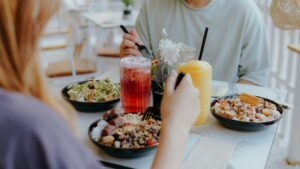
The kitchen has always been a place of transformation, but a new type of change is happening for millions of home cooks. GLP-1 medications, initially developed for diabetes but now widely used for weight management, are fundamentally altering how people experience hunger, fullness, and their relationship with food. For anyone who loves cooking or spends time in the kitchen, understanding these changes and adapting cooking approaches accordingly has become increasingly relevant.
Understanding the Appetite Shift
GLP-1 receptor agonists like semaglutide work by mimicking a natural hormone the body produces in response to eating. This hormone affects several digestive and neurological processes that regulate appetite and satiety. The medication slows gastric emptying (how quickly food leaves the stomach), increases feelings of fullness, reduces appetite signals in the brain, and diminishes what researchers call food reward value.
For people taking these medications, the practical experience often involves feeling satisfied with much smaller portions than before, experiencing reduced interest in food between meals, finding rich or fatty foods less appealing or even nauseating, and noticing that constant thoughts about food quiet significantly. Research published in The New England Journal of Medicine demonstrates that these appetite changes translate to significant weight loss, averaging about 15% of body weight over 68 weeks in clinical trials.
From a cooking perspective, these changes create both challenges and opportunities. The challenge is that favorite recipes might no longer appeal, and cooking enthusiasm can wane when food holds less interest. The opportunity is that reduced appetite creates space to focus on quality over quantity, making nutritional optimization more achievable.
Rethinking Portion Sizes and Meal Structure
Traditional recipe scaling assumes normal appetite. A dinner recipe serving four people might genuinely serve eight when everyone’s appetite is medication-reduced. This shift requires reconsidering how to approach meal planning and cooking.
Cooking smaller batches makes more sense for individuals or couples when everyone eats significantly less. That casserole recipe that used to provide two dinners might now last a week, raising food safety and freshness concerns. Halving or quartering recipes becomes more practical than it once was.
Embracing leftovers strategically works well when appetite is reduced. Cooking a full recipe once and portioning it into individual servings for freezing or refrigeration means having ready-to-eat options when the effort of cooking feels overwhelming. Since people on these medications often feel less motivated to cook when not hungry, having prepared food available prevents defaulting to less nutritious convenience options.
Meal prep approaches that batch-cook proteins, grains, and vegetables separately for mix-and-match meals throughout the week align particularly well with reduced appetites. A person might want just a small portion of chicken and vegetables one night, then a bit of rice with different vegetables the next, without the commitment of a full recipe.
Prioritizing Protein in Meal Planning
One of the most important nutritional considerations when eating less overall is ensuring adequate protein intake. During weight loss, the body can break down muscle tissue along with fat if protein consumption is insufficient. Research from The American Journal of Clinical Nutrition indicates that higher protein intake during calorie restriction helps preserve lean muscle mass.
The practical implication for cooking is that protein should take center stage in meal planning, even more so than it might have previously. Target protein amounts typically range from 0.7 to 1 gram per pound of goal body weight daily, which might mean 100-150 grams for many people. When eating smaller total volumes, hitting these targets requires intentional planning.
Protein-forward breakfast options become more important than they might have been when larger meals were possible. Greek yogurt parfaits with nuts and seeds, egg-based dishes, protein smoothies with Greek yogurt or protein powder, and cottage cheese bowls all pack significant protein into smaller volumes. These options also tend to be gentler on stomachs experiencing medication-related nausea.
Lean proteins as meal centerpieces makes sense both for hitting protein targets and for tolerability. Chicken breast, white fish, shrimp, lean turkey, and egg whites are well-tolerated by most people on GLP-1 medications. Fattier proteins can trigger or worsen nausea for some users, making leaner options more appealing.
Protein supplementation through cooking can help bridge gaps. Adding unflavored protein powder to oatmeal, soups, or smoothies increases protein content without adding volume. Using bone broth as a cooking liquid for grains adds protein. Incorporating nutritional yeast into savory dishes boosts both protein and flavor.
Managing Side Effects Through Food Choices
Gastrointestinal side effects are common with GLP-1 medications, particularly nausea, changes in bowel habits, and general digestive upset. Strategic food choices and cooking methods can help minimize these issues.
Avoiding trigger foods becomes important. Rich, fatty, or greasy foods are common triggers for nausea. Heavy cream sauces, fried foods, fatty cuts of meat, and rich desserts often become less appealing not just because of reduced appetite but because they actively cause discomfort. Lighter cooking methods like baking, grilling, steaming, and sautéing with minimal oil tend to be better tolerated.
Eating slowly and mindfully matters more than it might have before. The slowed gastric emptying means that food sits in the stomach longer. Eating too quickly or too much can lead to uncomfortable fullness or nausea. From a practical standpoint, this might mean plating smaller amounts and waiting before deciding whether to serve seconds, choosing foods that naturally require slower eating (foods that need cutting or chewing thoroughly), and paying attention to fullness signals that now arrive sooner.
Temperature considerations affect tolerance. Many people find that room temperature or slightly warm foods are better tolerated than very hot or very cold items, particularly during the early weeks on medication or after dose increases. Cold foods can sometimes worsen nausea, while very hot foods might be overwhelming to sensitive stomachs.
The Bigger Picture
The rise of GLP-1 medications represents a significant shift in how millions of people experience food and eating. For home cooks, this creates an opportunity to rethink kitchen practices, meal planning, and recipe development through a new lens.
Platforms like TrimRx have made these medications more accessible to people managing weight and health, which means more home cooks are navigating these appetite changes. Understanding how to adapt cooking approaches helps maintain the joy of preparing and sharing food while supporting health goals and managing side effects effectively.
The kitchen remains a place of nourishment and creativity, even when the relationship with food is changing. Adapting cooking practices to align with transformed appetite and digestive experiences allows that creativity to continue in new directions, with emphasis shifting from quantity to quality, from richness to freshness, and from filling up to fueling well. For anyone navigating these changes, whether personally or when cooking for family members using these medications, thoughtful adaptation of cooking approaches can make the transition smoother and more sustainable.