

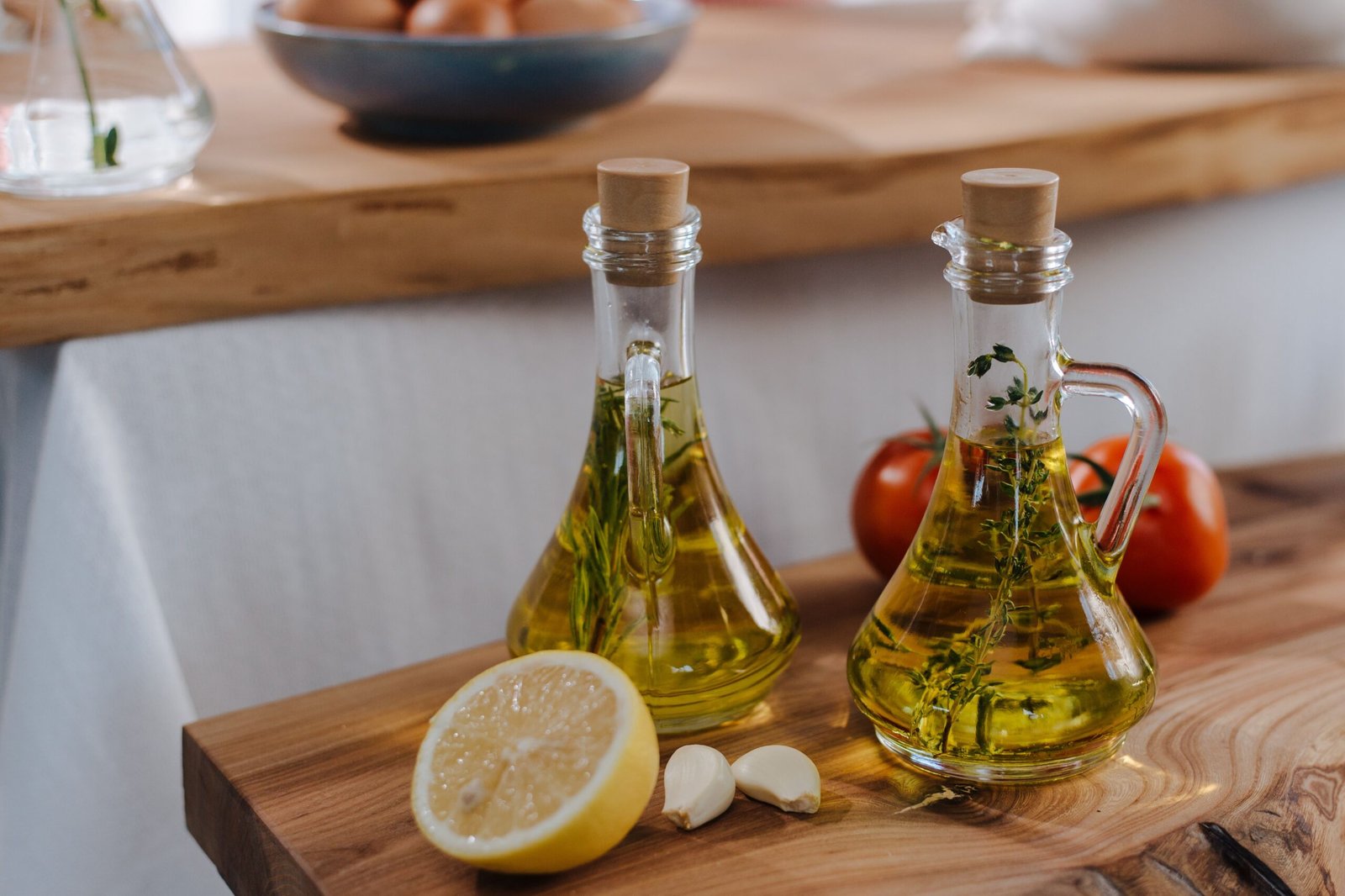
Yes, olive oil goes bad, just slowly and in its own way. Instead of growing mold, it oxidizes. Over months, the fruity, peppery flavor of a good bottle fades until the oil tastes flat and smells a little like crayons. That’s rancid oil.
How long that takes depends on two things: how fresh the oil was when you bought it and where you keep it. A sealed bottle of extra virgin olive oil bought within a year of harvest can last up to two years in a cool, dark cupboard. Once it’s open, plan on finishing it within a couple of months, while it still tastes the way it should.
What makes olive oil go bad?
Olive oil is pressed from fruit, and like most things made from fruit, it doesn’t stay at its best forever. Three things speed up the decline: light, heat and air.
Light speeds up oxidation, which is why dark glass and tins protect olive oil better than clear bottles. A clear bottle sitting under bright store lights or on a sunny windowsill ages faster than the same oil kept in the dark.
Heat speeds up oxidation too. The shelf right beside the stove is convenient, and it’s also the worst spot in most kitchens.
Air does the slow work. Every time you pour, fresh oxygen replaces the oil that left, and a half-empty bottle has a lot of air sitting on top of what’s left. Leaving a pour spout uncapped makes it worse.
The same rules apply to oils that never go near a pan. Supplement oils are a good example. C60 Power’s C60 oils, which dissolve carbon 60 into organic olive, avocado or MCT oil and are taken by the spoonful, come in bottles the company describes as UV-protective glass. It also says C60 is sensitive to light, tells buyers not to heat or cook with the oil, and recommends keeping the bottle tightly sealed in a cool, dark place. If a bottle like that lives in your kitchen, give it the same cupboard as your good olive oil.
How long does olive oil last?
For extra virgin olive oil, the clock starts at harvest, which can be months before the bottle reaches your kitchen. In a UC Davis guide to choosing olive oil, Dan Flynn of the university’s Olive Center recommends using it within 15 to 18 months of the harvest date. He adds that a bottle bought within a year of harvest may keep for two years unopened, but that it tastes best used soon after purchase and within a couple of months of opening.
That makes the harvest date the most useful thing on the label. Most bottles don’t have one, but better producers tend to print it. Olive oils from California and Europe are mostly harvested from October to December, and oils from the Southern Hemisphere from May to July, so a bottle from the most recent harvest is the one to reach for.
The best-by date is less helpful. The producer sets it, and on its own it doesn’t tell you how long ago the olives were picked. Treat it as a rough guide and let your nose make the final call.
How to tell if olive oil has gone bad
Your nose is the best tool you have. Pour a little into a spoon or a small glass, warm it in your hand for a few seconds and smell it.
- Fresh oil smells green, grassy or fruity, sometimes like cut tomato leaves or green apple.
- Rancid oil smells like crayons, putty or stale walnuts. Once you’ve smelled it, you’ll recognize it right away.
If the smell is borderline, taste a few drops. Good extra virgin olive oil is fruity and a little bitter, with a peppery catch at the back of the throat. Rancid oil tastes flat, greasy and stale, with none of that bite.
Don’t judge by looks. Color varies with olive variety, ripeness and region, so a pale oil isn’t necessarily old and a deep green one isn’t necessarily fresh. Cloudiness or a little sediment at the bottom doesn’t mean the oil has gone bad either, although oils with a lot of sediment can develop off flavors sooner.
Using a bit of rancid oil won’t usually make you sick, but it will make a salad or a pan of vegetables taste stale, so there’s little point in cooking with it. Old oil can still loosen a squeaky hinge or lift sticky label residue off a jar. Skip it for wooden cutting boards and bowls, where it can turn tacky and smell.
How to store olive oil so it lasts
Good storage comes down to keeping light, heat and air away from the oil for as long as you can.
- Pick a closed cupboard or pantry shelf away from the stove, the oven and any window. Cooler is better: the UC Davis Olive Center cites research showing extra virgin olive oil has a longer shelf life at 59°F than at 77°F.
- Keep it in dark glass or a tin. If your favorite oil only comes in clear glass, keep the bottle in the cupboard and bring it out only while you cook.
- Cap it as soon as you’ve poured. Pour spouts look nice on the counter but let air in all day.
- Buy a size you’ll finish within a couple of months of opening. A big tin is a good deal only if you get through it while it’s fresh. If you do buy one, fill a small dark bottle for everyday use and keep the tin sealed in the pantry.
- Use the oldest bottle first, so the backup doesn’t sit for a year behind the one you keep refilling.
As for the fridge: the UC Davis Olive Center calls it a myth that the fridge or freezer harms olive oil. Chilled olive oil turns cloudy and thick, though, and you have to wait for it to loosen before every use. A practical compromise is to keep backup bottles somewhere cold and the bottle you’re using in the cupboard.
What about avocado oil, MCT oil and the rest of the shelf?
Most cooking oils age the same way olive oil does, just at different speeds.
- Avocado oil goes rancid too, and the same smell test works. Refined avocado oil, the pale, neutral kind people buy for high-heat cooking, generally keeps longer than unrefined avocado oil, which is green, grassy and closer to olive oil in how it ages.
- MCT oil is made mostly of saturated medium-chain fats, which resist oxidation better than the fats in olive or avocado oil. It keeps well, though a sealed bottle in a cool cupboard is still the right home for it.
- Walnut and flaxseed oils are the delicate ones. They go rancid quickly at room temperature, so keep them in the fridge once they’re open.
- Oils sold as supplements, from fish oil to the C60 oils mentioned above, come with their own storage directions. Those were written for that product, so follow them over any general rule.