Home Blog Page 65

GAPS-friendly White Chocolate (+ White Chocolate Chips)

I shared a recipe for honey-sweetened chocolate chips the other day so now it’s time for a post on how to make your own white chocolate!

The biggest difference between this recipe and the previous one is that I won’t be using cocoa powder today. Some people on GAPS cannot digest cocoa powder (and it’s actually recommended you don’t even try during the first few months) so this recipe will let them enjoy delicious homemade chocolate that doesn’t break any GAPS rules. The natural sweetener here is, as usual, raw honey!

I personally have always loved white chocolate much more than milk or dark chocolate. It was always my first choice when I got to go to a candy store with my older sister. And good thing that I did because true white chocolate consists only of cocoa butter scented with vanilla. Its shorter list of ingredients means that it’s easier to digest for your gut. But be careful about eating store-bought white chocolate. Commercial white chocolate is usually full of artificial sweeteners that won’t do you any good. That’s why I sweeten mine with honey.

It’s also more fragrant and delicate than milk or dark chocolate. The sweet fragrance of vanilla beautifully intertwines with the rich cocoa butter to create a perfect combination.

I was more afraid of making white chocolate than regular chocolate because I felt that it would be difficult to stabilize if there is no cocoa powder in it but I am happy to report that nothing bad happened to my white chocolate. It’s actually relatively simple and very versatile too. You can use that white chocolate to make other desserts and baked goods, like turn it into white chocolate bars or chocolate chips to put in cookies and pancakes. The possibilities are endless!

I know there is still a lot of stigma around fat and how it’s supposedly making us all obese but through my own research and personal experiences, I have come to learn that fat isn’t so bad after all. It’s all about the quality. Fat in a hamburger is not the same as cocoa butter. And if your body craves for fat (or sugar, for that matter!) then I think it’s only fair to give in to that craving. Your body knows best what it needs and you should listen to it. Eat fat if you need to but make it a good fat, coming from real food.

Cocoa butter can be hard to come by and even if you find some, you need to be really careful so that you won’t buy something low-grade that doesn’t even stabilize properly. But if you happen to find a good source of organic cocoa butter then give it a try in other recipes as well! Cocoa butter can be used instead of regular butter in most recipes for baked goods.

Necessary equipment:

  • a large glass bowl and a medium saucepan OR a double boiler
  • a whisk
  • a rubber scraper
  • an immersion blender
  • a large glass pan OR a jelly roll pan
  • a sharp knife for making chocolate chips
  • a cutting board

Homemade white chocolate

Ingredients:

  • 2 cups of cocoa butter (about 16 ounces)
  • ¾ cup of raw honey
  • 1 t. of vanilla extract
  • scraped seeds from one vanilla bean

Instructions:

  1. Pour some water into your saucepan and bring it to a simmer.
  2. Set a glass bowl on top and transfer the cocoa butter inside it. The cocoa butter should start melting slowly, you can help it by whisking. Remember that there should be no steam from the saucepan because any liquid that comes into contact with your chocolate mixture will cause it to seize and clump.
  3. Remove from heat and add the honey and vanilla seeds. Whisk until combined and smooth.
  4. Add the vanilla extract and keep whisking until smooth.
  5. Set the bowl aside to cool for 30 minutes.
  6. Use an immersion blender to turn the mixture back into liquid. Repeat this process every 30 minutes until you can see that the liquid turns opaque but still pourable.
  7. Pour the mixture into molds (eg. cupcake liners) to make candies or bars.
  8. Leave to harden at room temperature.

White chocolate chips

Ingredients:

  • 2 cups of cocoa butter
  • ¾ cup of raw honey
  • 1 t. of vanilla extract
  • scraped seeds from one vanilla bean

Instructions:

  1. Pour some water into your saucepan and bring it to a simmer.
  2. Set a glass bowl on top and transfer the cocoa butter inside it. The cocoa butter should start melting slowly, you can help it by whisking. Remember that there should be no steam from the saucepan because any liquid that comes into contact with your chocolate mixture will cause it to seize and clump.
  3. Remove from heat and add the honey and vanilla seeds. Whisk until combined and smooth.
  4. Add the vanilla extract and keep whisking until smooth.
  5. Set the bowl aside to cool for 30 minutes.
  6. Use an immersion blender to turn the mixture back into liquid. Repeat this process every 30 minutes until you can see that the liquid turns opaque but still pourable.
  7. Pour the mixture onto a glass pan or a jelly roll pan.
  8. Leave to harden at room temperature.
  9. Once hardened, break into large chunks and remove with a rubber scraper.
  10. Use a cutting board to cut the chunks into small chocolate chip-sized pieces.

Breakfast Egg Muffins with Bacon and Cheese

I love being efficient in the kitchen because I value my free time and I usually have better things to do than spending hours cooking food. This is why I love food that can be prepared beforehand in large batches and then refrigerated or frozen for later. These bacon egg cheese breakfast muffins are exactly that.

They are the perfect savory breakfast with all the ingredients combined together in a fluffy egg muffin. Sprinkled with herbs and spices, they’re a great way to kickstart your day. I usually eat them with some sourdough toast and homemade jam. They will also work great with sausages or a small bowl of oatmeal.

I usually make these muffins when I know I won’t have the time during the week to prepare any other healthy breakfast. This way I can just take them out in the morning or even take one with me when I run errands. I highly recommend you try them out too!

Necessary equipment:

  • a large mixing bowl
  • a whisk
  • a wooden spoon
  • a muffin pan
  • paper muffin liners
  • a ladle

Ingredients:

  • 1 dozen eggs
  • 1 cup of shredded cheddar cheese
  • 12 ounces of cooked quality bacon, chopped into cubes
  • 1 cup of grated parmesan cheese
  • dried basil and oregano
  • salt and pepper to taste

Instructions:

  1. Preheat the oven to 350 degrees and line the muffin pan with paper liners.
  2. Whisk the eggs in a large mixing bowl.
  3. Add in the bacon and cheddar cheese. Season with a pinch of basil and a pinch of oregano (or more if you feel like it!). Add a little bit of salt and pepper too.
  4. Stir everything together.
  5. Transfer the mixture to the muffin pan using a ladle.
  6. Sprinkle tops with parmesan cheese.
  7. Bake for 25 minutes. You will know the muffins are ready when they are puffy and golden brown on top.
  8. Take them out of the oven and let cool for at least 15 minutes.
  9. Remove the paper cups from the pan. Use a butter knife to lightly nudge them if you have trouble.
  10. Serve while warm or store them in an airtight container in the fridge after they cool completely. I prefer them warm so I usually pop the refrigerated ones in the oven for a couple of minutes to heat them up before eating.

Enjoy your breakfast muffins!

How to Make Your Home Cancer-free

Reduce cancer

Cancer is one of the most feared diseases currently. I fear cancer as well.

I have experienced what is called social cancer. The term was introduced to me by my therapist. By being abused as a child I became a victim of that social cancer, just like many other trauma survivors. She also warned me that the probability of me becoming sick with physical cancer is higher than in trauma-free individuals. Her explanation once again reaffirmed my faith in the belief that our mental health is closely connected to physical well-being.

So I try to live my life as healthily as possible. Not only because I fear cancer (although it certainly matters to me too) but because I want to feel well. I want my body to work properly so that I have the energy to live my life the way I want to. And I know that other people, just like me, are constantly looking out for ways to prevent cancer.

That’s not always possible. Genetics plays a large part in deciding whether you will get cancer in your lifetime or not. But that doesn’t mean we should forget about cancer prevention altogether! There are methods of reducing your contact with cancer-causing substances (called carcinogens) by knowingly choosing which products to buy.

Have you heard about the EWG’s Skin Deep Database? I recommend it to everyone I know. It’s an Internet database that contains information about various products (like house cleaning supplies, cosmetics, BPAs food packaging, etc.) and the chemicals involved in their production. It will tell you whether your favorite tub of body soap puts you and your family at risk of exposing yourself to potential carcinogens.

And maybe you think to yourself that one plastic bottle of water is not going to give you cancer. I agree, it probably won’t. Not on itself, at least. But how many plastic items are we exposed to every day? Children toys, plastic toothbrushes, face creams, lunch box containers… I could go on and on. Avoiding plastic and other harmful substances completely is not possible but we can reduce their use for the sake of our health and the planet’s. Abandoning your regular toothbrush for a bamboo one and giving up disposable plastic bags in favor of lunch boxes to carry sandwiches in might seem like small steps. But I believe each small step makes a difference.

What really scares me is the cumulative effect all of these products have on my body. I read warning labels and avoid items that the Skin Deep Database labels as ‘high cancer risks.’ But I’m sure there are plenty of things missing from my equation. For example, fish and other seafood can contain plastic. That’s why I reduce my plastic use wherever I can.

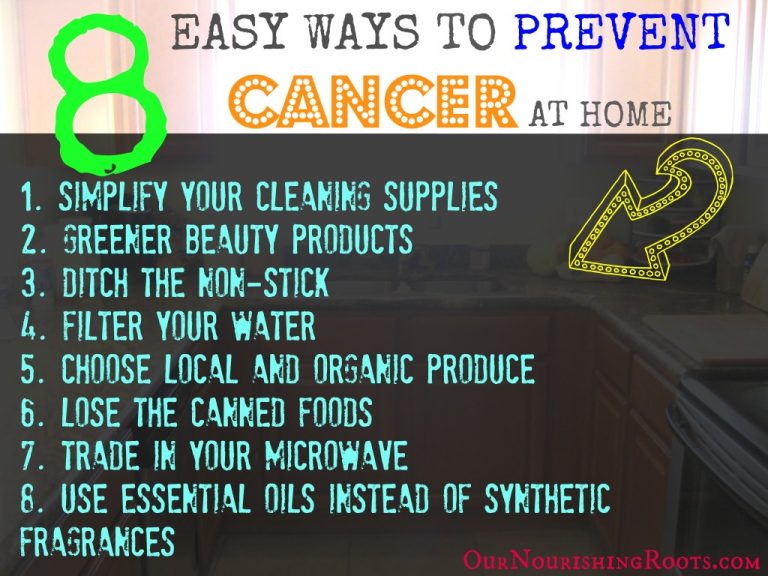
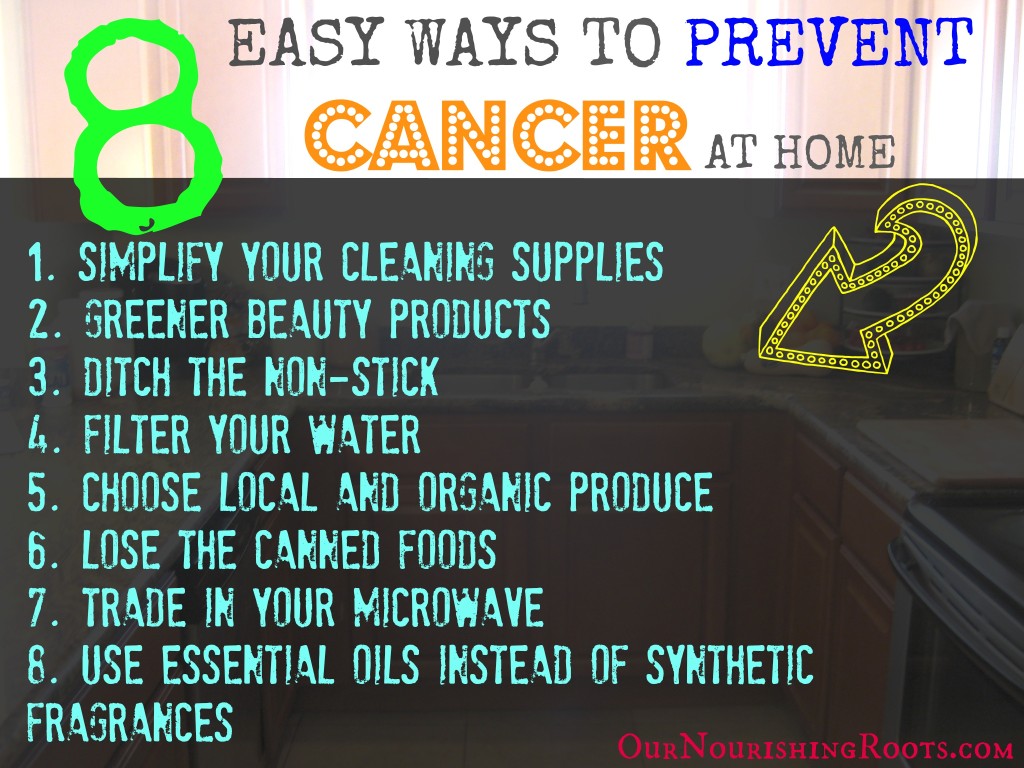
8 Steps to Reducing Potential Carcinogens Around You

  1. USE MORE ECOLOGICAL COSMETICS

We don’t ingest cosmetics like food but we still put them on our bodies. Our skin then absorbs the ingredients in cosmetics. But what if those ingredients can harm us?

I went through my lotions and makeup and checked each one in the Skin Deep Database. I had to ditch some of them but thankfully, most of the products I had been using were safe. Then again, I started thinking about the cumulative effect of putting on all these ‘low risk’ products at once.

I decided to simplify my routine and go natural as much as I could. Instead of buying sheet face masks from a well-known drugstore, I started making my own face mask cream with watermelon and yogurt. There are surprisingly a lot of cosmetics you can do on your own DIY-style. I even make my own deodorant and lip balm! By making them myself, I know for sure that they don’t contain any weird artificial fragrances or color dyes. And I have some favorite ethical brands that I trust to buy the rest of my cosmetics from. I feel both healthier and richer because I don’t spend a ton of money on high-end department products.

  1. DETOXIFY YOUR CLEANING SUPPLIES

Ah, the cleaning supplies. So effective at getting rid of stubborn stains and so full of toxic chemicals. Cleaning products were one of the first items I went after when I started combing my home for potential carcinogens. And yup, almost all of them were far from safe for use.

Commercial companies say that the chemicals in cleaning products are not bad for us because we don’t come into direct contact with them. But I highly doubt that. It’s normal that we inhale some of the product as we spray it in front of us. And unless you’re wearing elbow-deep gloves all the time, some of that product is going to land on our skin.

So I decided to clean my house without using commercial cleaning supplies. I only buy from companies that make certified and ecological products or I make my own. It’s amazing just how versatile vinegar and baking soda are. And they won’t cause me to get cancer!

For making your own cleaning supplies, I recommend reading this Toxic-Free e-book written by Robin at Thank Your Body. It contains simple recipes for everything you need to get your house squeaky clean again. So far, I have tried most of them and had no trouble at all.

  1. FILTER YOUR WATER

Plastic bottles are one of the biggest plastic offenders currently (if not the biggest one). That’s why I use a water filter to drink tap water. They are very effective and they even come in regular small-sized bottles that you can take with you on the go so that you have access to clean water anywhere there is a bathroom!

Some people decide to simply drink tap water as it is but I am not brave enough to do that. Water is something that should be clean but the truth is that depending on the area you live in, that is not always the case. Most tap water contains chlorine which can be harmful in large doses. Some places have it even worse, though. There are reports of tap water containing lead, harmful bacteria, and pharmaceuticals all over the country. That’s why I choose to filter my water. It’s still a lesser evil than buying plastic bottles and I don’t need to worry about what is going on in my local water treatment plant.

…Well, that’s not true, I still worry because that same water is then used in bathroom pipes where we take showers and wash our hands. But I don’t need to worry about drinking water at least!

  1. BUY ORGANIC

This is probably the most obvious point on this list. By buying local organic produce you lessen the risk of exposing yourself to pesticides and herbicides that are often used on big commercial farms. These chemicals have been proved to cause a myriad of health problems, including cancer (source).

But still, remember to check the labels. Just because something is local, it doesn’t mean it’s organic and healthy. And just because the label says ‘organic’, it doesn’t mean that item is actually certified to be organic by your local entity. I always vet the farms I buy my produce from so that I know whom I can trust.

Organic produce does tend to cost a little bit more but if you can afford it then I think it’s worth it. And if you don’t have the means to go full organic just yet then check out this list of the Dirty Dozen and the Clean Fifteen. It will tell you which produce is more likely to be sprayed with harmful chemicals and which ones are usually safe to buy, organic or not.

But thankfully, since buying organic is becoming more and more important to consumers, the price difference is not that big anymore.

  1. BE MINDFUL ABOUT FOOD PACKAGING

Plastic, mainly bisphenol-A (BPA), in food packaging is the king of carcinogen sources at homes. Its health risks have been proven numerous times and its use has been restricted, or even forbidden completely, in many countries around the world (including some states here in America). BPA is especially harmful to babies because their small bodies don’t have the strength to deal with these toxins yet. One research even proved that BPA can cross the placenta in a pregnant woman and be absorbed by the fetus inside (source).

But some packaging still contains BPA, most often the inside surface of metal cans. The BPA coating keeps the food from sticking to the can. So I recommend you ditch canned food altogether (it’s usually not that healthy for you anyway) or buy your cans from companies that do not use BPA in their products. There are more and more of these companies nowadays and they include Eden Organic, Trader Joe’s, Vital Choice, and Native Forest. Another common source of BPA in food is waxed cardboard that is often used in milk or juice boxes.

My advice is to avoid these potential sources of BPA and buy your food in glass containers when you can. As a bonus point, you get to reuse these glass jars later!

  1. ABANDON YOUR MICROWAVE

This is probably something you have heard a million times: microwaves are unhealthy and cause your food to become radioactive or something similar. And I am not sure about this point but I’m not denying it.

What I am sure of, however, is that the plastic container you put in the microwave is what’s really harmful (source). Plastics numbered 3, 6, and 7 are especially bad for you!

I traded in my microwave for a toaster oven years ago and I couldn’t be happier with it. I can warm up my food in no time and I don’t need to worry about plastics or any other radioactive side effects. My time is too precious for me to spend it on concerning myself with appliances I don’t really need in the first place.

  1. AVOID NON-STICK FRYING PANS

I was very sad when I found out about this one because I loved my non-stick frying pan. It was so easy to cook with! But I value my health above convenience so I decided it was time to throw it in the trash.

Non-stick surfaces contain a chemical called polytetrafluoroethylene (PTFE) or others with similar properties. This chemical causes further exposure to another substance, called perfluorooctanoic acid (PFOA). PFOA has been linked with a higher risk of thyroid disease, high cholesterol, ulcers of the colon, and testicular and kidney cancer. You can see why I want to avoid that, right?

Non-stick pans got popular because of the stigma around eating fat. But it’s so important to remember that our bodies need fat to function so it’s completely ok to use fat when cooking. It’s all about quality and quantity. Going non-stick is not the right answer.

I have since replaced my non-stick pan with a cast iron skillet. It has been with me through a lot of cooking journeys but still works just like it should. I really believe this one piece of cookery can last a lifetime.

  1. USE ESSENTIAL OILS FOR FRAGRANCE

This is probably my favorite step on the list because it involves what I love the most: good fragrances.

Artificial fragrances are a common ingredient in many products. You will find them in the obvious ones, like perfume or air fresheners. But fragrance is in other cosmetics as well: foundation, face lotions, body soap, shampoos. Items that we like because they smell nice but they don’t really need that smell to do their job.

There are a few problems with these fragrances. They can cause allergic reactions or make you break out if you have sensitive skin. But what I think is the most dangerous about them is that we don’t know where they’re coming from. If you look at the ingredient list of your favorite hand cream you will probably see Fragrance (or Parfum) listed somewhere in there. It doesn’t tell you what kind of a fragrance it is. It’s an artificial one so it was made in a lab but what was it made with? What are the compounds of this “Fragrance”? So you still don’t know what exactly is in there. It’s a smokescreen for other chemicals (source).

So while we don’t know if there are any carcinogens in artificial fragrances, I prefer to assume the worst. We do, however, know that fragrance is an excitotoxin, a toxin that affects neurons and your general well-being. So yeah, I’m going to avoid them if I can.

For my fragrance needs, I prefer to use my trusty essential oils. I can put them in the bathwater, in my homemade cosmetics, or just inhale them for relaxation purposes using an oil diffuser. If you’d rather not use essential oils then quality incense is another good choice.

How to Eat Enough Carbs When on the GAPS Diet

By now, I have mentioned the GAPS diet several times on this blog. In this post, I want to talk a bit more in depth about my experience with it, especially how I felt when trying to adhere to its limits on ingesting carbohydrates.

What is GAPS

Gut and Psychology Syndrome, commonly referred to as GAPS, is a special kind of healing diet that is supposed to help your gut recover after a long period of unhealthy eating habits. The important thing about GAPS is that it’s temporary. It’s not a diet you follow for the rest of your life but rather a temporary treatment that will make your digestive system act normal again. After completing GAPS, you are supposed to gradually go back to eating a variety of foods that include both carbs and grains. If your gut is healthy then eating those foods shouldn’t cause any negative side effects. That’s the goal of GAPS.

My Journey with GAPS

My GAPS diet lasted for a full 10 months. I decided to try GAPS after I became too scared to eat anything substantial because of the fear I would feel bad afterward. And it was one of the best decisions I made in my life. My body was cleansing and I felt much better.

However, after about 10 months have passed, I observed some negative symptoms that made me worry I was doing something wrong. It took me some time but I finally put the two together: my symptoms were a result of not eating enough carbs. My body was literally trying to tell me that GAPS had done everything it could and now it was time to go back to eating carbs.

So that made me want to research more about how to eat a healthy amount of carbs while on GAPS diet. This post is the result of my research. I hope that other people who might struggle like I did will find this helpful.

gap

I absolutely do not regret doing GAPS. My body was healthier and I had more energy because I wasn’t eating any foods that were heavy on my digestive system. By completing GAPS, I gave my body the strength to eat all the foods it wanted (healthy real foods, of course!). The GAPS diet forced me to incorporate more probiotics, healthy broths, organic vegetables and dairy, and many more into my regular diet. These habits will stay with me long after GAPS.

But after the 10 months, I knew that it was time to finish my GAPS journey. I was healed and nothing else could be done. By continuing to do GAPS for too long you can actually even reverse its beneficial effects! So the bottom line is: you need to listen to what your body is telling you.

At the beginning of my GAPS diet, I was pretty doing pretty well when it came to getting enough carbs in my diet. It was only after about three or four months that I first started limiting my carbs intake on my own. I realize now that I was actually being too low-carb and the effects could be seen after another six months when I had the first realization that maybe it’s time to be done with GAPS. The symptoms I was having were similar to what Matt Stone was warning about in his book.

gap

My craving for carbs was getting ridiculously strong even though I had no trouble with avoiding them for many months before. I took my basal temperatures every day and my waking temperatures were getting lower. I had trouble sleeping and needed to supplement my sleep with afternoon naps. My quality of life severely deteriorated in a short time.

I searched around for some information and found out that the reason Ann Marie ditched low carb, was because she had similar symptoms to mine. That was my first clue that the carbs were the reason behind all this.

That’s why I want to advise people against going too low carb when on GAPS or you might experience the same negative effects as I did. I hope this post can act as a short guide about how to eat enough carbs when doing GAPS diet.

How to Eat Enough Carbs?

It’s easy to go overboard when limiting carbs. They have come to seem like the root of all evil, the one thing that keeps us from losing weight. But in order to get proper nutrition, we need to be aware that carbs are just as important to our bodies as proteins and vitamins. Good quality carbs like whole grains are vital to the body’s proper functioning. However, these good carbs can sometimes be hard to digest if your gut is not working well. Hence, the GAPS diet.

Firstly, if you are starting GAPS (or considering it), then I highly recommend you read Cara’s ebook. She wrote a great GAPS Intro diet that includes plenty of easy to digest carbs for your first 30 days into the GAPS. Being too low carb won’t do you any good and it might even cause you to go into ketosis due to the body not having enough glycogen.

Secondly, study the GAPS diet list of foods very carefully. That’s the list of foods that are officially allowed when doing the GAPS. There are actually some very good carbohydrate sources in there. I chose some of them and outlined them below:

Carb sources when doing the full GAPS diet (no straying from the official guidelines):

  1. FRUIT. Fruits are full of good and healthy sugar (fructose) that should be regularly digested. It’s the most natural source of sugar you can find. And many fruit are actually upping your carb intake. GAPS diet official recommendation is to eat two pieces of fruit between meals, preferably in the morning or early afternoon.


Fruit to eat: bananas, figs, mangos, grapes, cherries, pomegranates, tangerines, oranges, pineapples, pears, kiwis, plums, dried fruit.


  1. BEANS. White navy beans, lima beans, and lentils are all good sources of carbs. I was skeptical at first, fearing that they would be difficult to digest but I was wrong! They taste amazing and can be easily incorporated into a variety of meals. Experiment with beans to see which ones work best for you. There’s a reason they are on the official GAPS food list. They will give you the energy you need without having to reach for typical carbs, like grains and starches.


  1. VEGETABLES. Seems like a cliché but it really works. Raw veggies, steamed veggies, cooked veggies, baked veggies,… they all taste amazing if you’re just willing to give them a try. My absolute favorites are cream vegetable soups (like pumpkin soup, tomato soup, or carrot soup) and vegetables baked in the oven with plenty of herbs and spices.


  1. COCONUT MEAT. Yes, meat. Not coconut oil or coconut cream – these are very good sources of healthy fat but not carbs. However, shredded coconut, coconut flour, and even coconut water have a decent amount of carbs in them that will give you the power to go on and thrive on your GAPS diet. Coconut flour is especially very easy to incorporate in all those recipes where you would normally use regular wheat flour.


Carb sources when you have been on GAPS for several months:

  1. NUTS AND SEEDS. Nuts and seeds can be eaten on the GAPS diet but it is important to remember that eating too much of them at once can cause your omega 3 and omega 6 fats ratio to go out of balance. The general rule is that you should avoid nuts and seeds high in omega 6 fats (walnuts, pine nuts, pecans, pumpkin seeds, etc.) and try to choose low omega 6 fats nuts (macadamias, hazelnuts, cashews, almonds, and pistachios). They are not only good sources of healthy fat but also contain a substantial amount of carbs!


  1. HONEY. The GAPS recommends choosing honey as the sweetener of choice. Yes, it’s sugar but it also has plenty of other beneficial properties. Ginger honey tea is even advised when you first start GAPS! So don’t worry about eating too much honey, you can have some every day if you feel like it and don’t experience any negative effects. It will also help you stay away from going too low carb.


  1. POTATOES. I first tried eating potatoes again after I reached the 10 months mark on GAPS. I digested them surprisingly well so I quickly decided to incorporate them back into my regular menu. Yukon gold potatoes were by far the easiest on my stomach while russet potatoes took a little more time to get used to. They are a great source of carbs so feel free to try them out. Remember to start from a small amount first!

 gap

  1. FRESH BANANAS. Bananas are allowed on GAPS from the start but they need to be fully ripened or even overripe because they are easier to digest that way (less starch and more simple sugar). But as you get more and more used to the GAPS diet, it’s said that even fresh bananas should be ok to digest by now. These are bananas that have a light, slightly greenish, color and no brown spots. They contain plenty of good carbs so try them out little by little. Bananas are a perfect way of increasing your carb intake.


Edit: another great source of carbs on GAPS is simply dairy. Raw milk, kefir, and yogurt are healthy probiotics that will give you a nice carb boost as well.

As you can see, it is not that difficult to eat enough carbs even when doing the GAPS diet. You just need to remember to include the foods mentioned above in your diet regularly and not only when you start feeling the carb withdrawal effects! Prevention is key!

And remember that eventually, you will need to be able to eat all these other carbs, like whole flour, buckwheat, quinoa, and so on. All you need to do is just successfully complete your GAPS diet and your gut will be healed and ready to go!

gap

And just as the last note I want to add that this post is a reflection of my own personal experience with GAPS. From my research, I have found out that the low carb trap affects a significant number of people but that doesn’t mean that it will also affect you. If you are doing low carbs GAPS and feel that it is working for you then keep doing it! Everybody’s bodies are different and you might never experience the same side effects as I did. Just watch out for any negative symptoms and remember to always listen to what your body is telling you!

How to Make Beef Stock

Whenever it’s cold, I always get this big craving for a large pot of something hearty and warming. I usually go for a stew or a soup full of nutritious vegetables. These kinds of foods warm me up and make me feel all cozy while watching the snow fall outside. They are my perfect winter meal.

Beef Stew

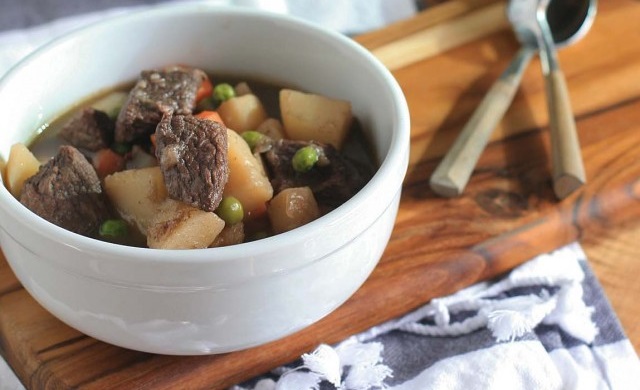
And the base of the meals I eat during winter is usually a flavorful bone broth. It’s a very simple broth that can later serve as a base for other dishes. By adding some homemade broth to your stew, you are making sure that it will be full of necessary nutrients and have a deep flavor that is hard to replicate with anything else.

To make a bone broth, I use a variety of ingredients: it can either be a leftover carcass from a roasted chicken or duck, meaty bones, or cleaned marrow bones with no meat attached at all. Whenever I have leftovers like these, I usually make a steamy pot of broth to use later. You can use poultry, pork, or beef – the best thing about broths is that they are fully customizable! If you’re using beef bones, you might wonder, is beef tallow healthier than butter for adding richness and flavor? This can be an interesting consideration when choosing fats for your broth.

Even if you have never made your own stock or broth before, it’s never too late to start. Having a fresh batch on hand will make it easier for you to eat healthier meals throughout the week. And it’s a good method of boosting your immune system which is vital during the winter times.

Stock is also great if you feel cravings for unhealthy fast food meals or meals with plenty of processed fat. By eating fast food a lot, we gradually become addicted to all the processed ingredients and harmful preservatives. I know I certainly felt like that before I made a switch to real food. And even now, despite my brain knowing fully well what goes into making fast food, I still sometimes feel an urge to stop by a local McDonalds for just a little cheeseburgers.

If you suffer from these cravings very often, then a homemade stock should help you combat them. The main culprit behind them is MSG – the monosodium glutamate. It makes fast food taste so good by enhancing its flavour in an artificial way. And the craving you feel could be satisfied by a MSG-containing meal but only for a very short while. A much better choice is to instead eat a big hearty meal of real food, like stock. I have been avoiding MSG for a long time now and I can clearly feel my body react negatively when I ingest some of it when I’m eating out.

The Weston A. Price Foundation “Broth is Beautiful” page says that:

“Research on gelatin came to an end in the 1950s because the food companies discovered how to induce Maillard reactions and produce meat-like flavors in the laboratory. In a General Foods Company report issued in 1947, chemists predicted that almost all natural flavors would soon be chemically synthesized. And following the Second World War, food companies also discovered monosodium glutamate (MSG), a food ingredient the Japanese had invented in 1908 to enhance food flavors, including meat-like flavors. Humans actually have receptors on the tongue for glutamate. It is the protein in food that the human body recognizes as meat.

Any protein can be hydrolyzed to produce a base containing free glutamic acid or MSG. When the industry learned how to make the flavor of meat in the laboratory, using inexpensive proteins from grains and legumes, the door was opened to a flood of new products including bouillon cubes, dehydrated soup mixes, sauce mixes, TV dinners and condiments with a meaty taste. “Homemade” soup in most restaurants begins with a powdered soup base that comes in a package or can and almost all canned soups and stews contain MSG, often found in ingredients called hydrolyzed proteins. The fast-food industry could not exist without MSG and artificial meat flavors to make “secret” sauces and spice mixes that beguile the consumer into eating bland and tasteless food.”

MSG is nothing but a poor excuse for all the flavors you can find in a real homemade stock. But it won’t replace its nutritional value. Your body won’t get all the vitamins and minerals from eating fast food so don’t give in to your cravings!

And it’s okay if you’re only making a change now. It can never be too late to start eating healthy. As a child, my mother fed us plenty of MSG-full store-bought canned foods but it’s okay because she simply didn’t know any better. But nowadays, we have plenty of research that clearly tells us: MSG is not good.

MSG isn’t always listed as „monosodium glutamate” on the packaging. Search for buzzwords like “autolyzed”, “hydrolyzed”, “disodium glutamate”, “citric acid”, and, the worst one in my opinion, “natural flavors”. That’s how corporations try to trick us into thinking that their product healthy and free of additives. So if you do buy ready-made food from a supermarket, read the labels and avoid MSG as much as you can.

But let’s get back to the stock. I use the recipe below to make delicious beef stock that can later be turned into a stew or even a French-style onion soup. I use a combination of marrow bones and meaty bones to make it but if you only have one type then it will work too.

Stock is one of the healthiest meals there is. It’s excellent for when you have a cold or flu and can’t digest any solids. Whenever I’m feeling under the weather or simply want to boost my immune system, I drink a mug of steaming hot broth once a day. It’s also one of the vital components of the GAPS diet, especially at the beginning. Stock incredibly healing for the body.

I would also like to mention that you can actually reuse beef bones when making a stock. Once you finish making your first batch, take out the bones and keep them for later use. You can start another batch with the used bones and fresh vegetables. I successfully reused the bones for three times now!

Necessary equipment:

  • a large stockpot OR a slow cooker OR a French oven with a lid
  • a large baking dish
  • a large mixing bowl
  • a large steel strainer
  • glass jars with lids for storage

Ingredients:

  • 1 ½ pounds of grass-fed beef meaty bones (knuckle or neck will do)
  • 1 ½ pounds of grass-fed beef marrow bones
  • 4 to 5 stalks of celery
  • 4 to 5 unpeeled carrots
  • 1 onion
  • ¼ cup of apple cider vinegar
  • 2 bay leaves
  • ½ t. of black peppercorns
  • sea salt to taste

Instructions:

  1. Preheat the oven to 350 degrees.
  2. Put the meaty bones in a baking dish and bake in the oven for 15 to 20 minutes until they become slightly brown.
  3. Take out of the oven and leave to rest for 5 minutes.
  4. Put the meaty bones in a large stockpot.
  5. Add raw marrow bones and all the vegetables (celery, carrots, onion). The vegetables can be used whole, you don’t need to cut them into smaller pieces.
  6. Add the bay leaves and peppercorns.
  7. Cover with water almost to the top, leaving an inch or inch and a half of space at the top. Add the apple cider vinegar to the mixture.
  8. Cover the stockpot with a lid and leave at room temperature for one hour.
  9. After one hour, put the stockpot on the stove and bring to a boil.
  10. Reduce heat, cover, and leave simmering for at least 12 hours but preferably more. The maximum simmering time is 72 hours.
  11. The water will evaporate with time. Keep adding more water so that all the bones and vegetables are covered at all time.
  12. Once done, turn off the heat and uncover your stockpot. Strain all the ingredients using a strainer until you are left only with liquid broth.
  13. Transfer the stock to glass jars for storing. If you are using meaty bones then you are probably going to get some tallow (fat) on top. You can remove that tallow and keep it in the fridge for later use. It’s great for frying savory foods.
  14. Drink the broth as it is or use it as a base for other dishes.

If you prefer chicken over beef, then checkout my chicken stock recipe.

How to Make Homemade Ranch Dressing

I think ranch dressing is probably the least healthy dressing most people can think of. Full of mayonnaise and the oh so harmful fat (spoiler alert, fat is not always bad for you), MSGs and other chemical additives, the ranch dressing has become the enemy of dieticians all across America.

Homemade Ranch Dressing

And I’m not saying that those dieticians are wrong. The type of ranch dressing that is used in most households is the one from bottles sold at every supermarket. It’s one of the more accessible dressings out there and no wonder it has become the favorite of many families. My family used to put ranch on everything savory when we were growing up. The ranch bottle was always on the table whenever we had meats, salads, and of course, potato fries. Store-bought ranch dressing is full of artificial flavor enhancers and other harmful substances. When I realized that, I literally grabbed my head in fear and thought back to all the times we had ranch dressing when I was a kid.

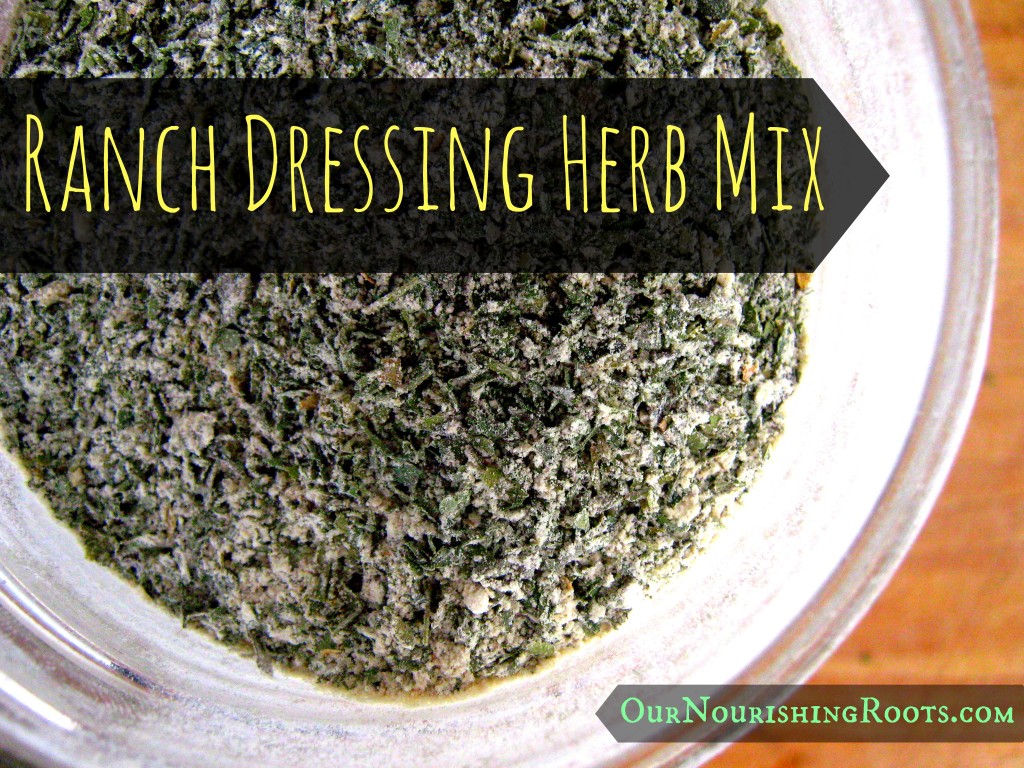
Ranch Dressing Herb Mix

But just because you want to eat clean, doesn’t mean that you need to give up ranch completely. Fat can and should be embraced, as long as it comes from a good source. Use grass-fed dairy and fresh herbs to make the ultimate version of ranch dressing, so different from what you can find at supermarkets.

I use this dressing for salads but also fried foods like chicken or cheese sticks. I drizzle it over cooked or baked vegetables and sometimes even it with crackers. It’s that good!

Necessary equipment:

  • a large mixing bowl
  • a whisk
  • a sharp knife

Ingredients:

  • 1 cup of homemade mayonnaise (how to make mayonnaise)
  • 1 cup of grass-fed sour cream
  • 1/2 cup of buttermilk
  • a large handful of fresh parsley
  • a large handful of fresh chives
  • a large handful of fresh dill
  • 1 t. of garlic powder
  • 1 t. of onion powder
  • juice from one lemon
  • sea salt and pepper to taste

Instructions:

  1. Whisk the mayonnaise, sour cream, buttermilk, and lemon juice in a large mixing bowl. Continue until all the ingredients are combined and the mixture looks smooth.
  2. Add in the chopped herbs, onion powder, and garlic powder. Whisk to combine.
  3. If needed, season with salt and pepper.
  4. Your homemade ranch dressing is ready! Store in a glass jar in the fridge.

The Simplest Hash Browns

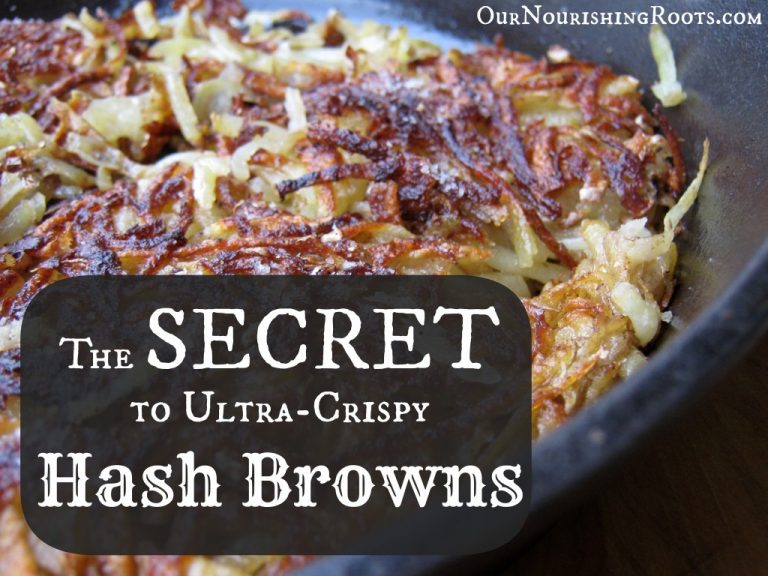
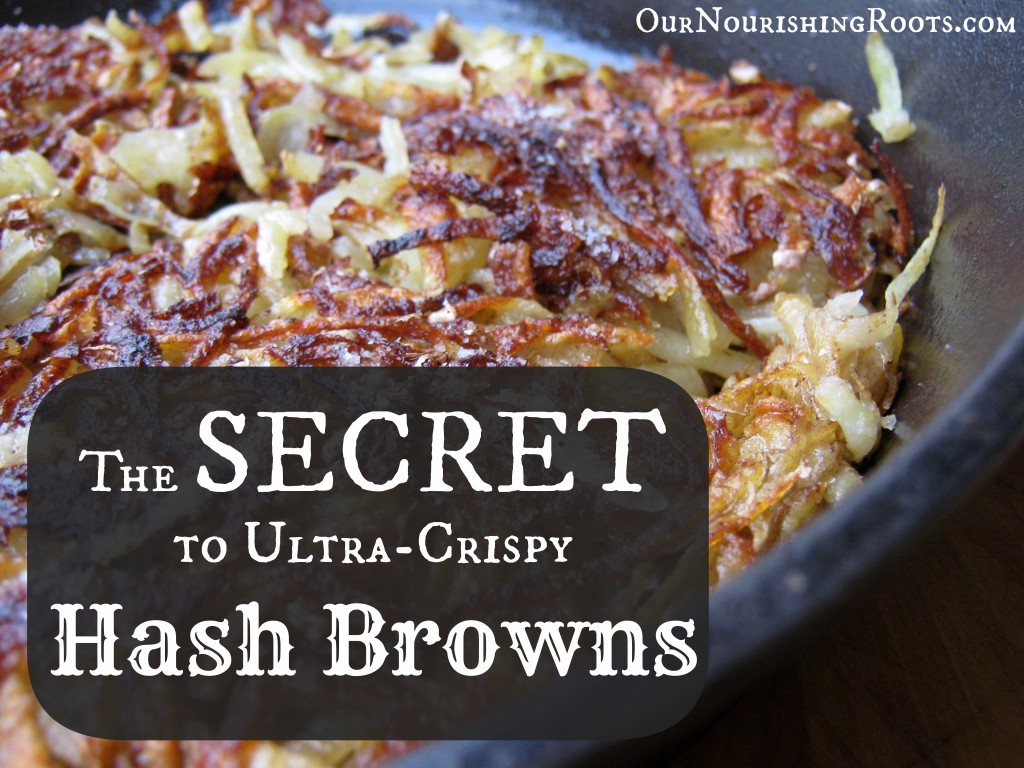
Hash Browns

Ever since I warmed up to the idea of having carbs for breakfast, I have been on the quest to find the most delicious and full of carbs breakfast ever. I sometimes think I finally got it, only to come up with another recipe that beats the first one to the pulp! My quest seems to be never-ending but somehow, I don’t really mind.

Having carbs for breakfast is a great method of raising your body temperature and giving yourself some much needed energy boost before your workday starts. Your metabolism will thank you for it! That’s why I usually eat things like pancakes, toasts, quiches, and instead of avoiding carbohydrates, I embrace them wholeheartedly.

The Simplest Hash Browns

One recipe that I always wanted to try out was hash browns. I love hash browns and eat them whenever I see them on the menu somewhere. But I never tried making my own from scratch because I was under the impression that grating the potatoes takes a long time. I prefer my breakfast making process to be quick and efficient since I rarely have time in the morning to spend an hour over breakfast. And honestly, grating is probably my least liked activity in the kitchen so I always try to avoid it as much as I can.

What finally convinced me to give homemade hash browns a try was a sleepover we had at my husband’s relatives’ house. His cousin served us fresh hash browns for breakfast and it couldn’t have taken her longer than half an hour to cook up a large batch for eight people. I was astounded and immediately asked her what her secret was. And today, I am going to share that with you!

I will never buy frozen hash browns ever again. I was already actively avoiding them (and only giving in when my son would beg me for some) but this recipe will allow me to skip the frozen section at the supermarket entirely.

The Dangers of Vegetable Oil

Frozen potatoes, whether they are in the form of hash browns, potato fries, or tater tots, are most often made and frozen with the addition of vegetable oil. Vegetable oil doesn’t sound so bad, right? However, vegetable oils used in large manufacturing processes are full of unsaturated fats that in large quantities, can cause serious problems for our health.

And the worst offenders of them all are the so-called PUFA oils, meaning oils containing polyunsaturated fatty acids. Vegetable oils used in industrial processes are usually full of PUFA which have been proven to cause heart diseases and disrupt the balance of omega 3 and omega 6 fatty acids in our bodies. So I avoid products containing vegetable oils in favor of healthy saturated fats, like grass-fed butter or coconut oil.

Fortunately, these hash browns turn out perfectly when made using coconut oil. I use expeller-pressed coconut oil instead of virgin olive oil because well, I don’t want my hash browns to taste like coconuts. You can also try ghee if you want – I did it once and I was very happy with the results!

Necessary equipment:

  • a food processor
  • a kitchen towel
  • a medium-sized bowl
  • a cast iron skillet
  • a spatula

Ingredients:

  • 6 large russet potatoes
  • coconut oil OR ghee (how to make ghee)
  • salt and pepper to taste

Instructions:

  1. Peel the potatoes and cut them in half so that they will fit through your food processor tube.
  2. Lay out a large kitchen towel on the kitchen counter. That’s where you will put your shredded potatoes.
  3. Shred the potatoes in the food processor thoroughly and transfer them onto the towel.
  4. Grab the corners of your kitchen towel to create a make-shift bag for your shredded potatoes. Twist the towel to squeeze out the water out of the potatoes over a kitchen sink. This is the key to making your hash browns nice and crispy so repeat a few times if you need to.
  5. Put the shredded potatoes in a bowl for easier scooping and season with salt and pepper.
  6. Melt coconut oil or ghee in a large cast iron skillet over medium high heat.
  7. Put half of the potatoes in the skillet and fry for about 5 to 10 minutes. Once golden, flip to the other side using a spatula. Add more fat if needed.
  8. Remove the hash brown from the skillet and repeat with the other half of the potatoes.
  9. Serve while still warm (my homemade lacto-fermented ketchup tastes great on them!) or store in the fridge to reheat later.

Perfect for Winter: Hot Cocoa with Shortbread Wedges

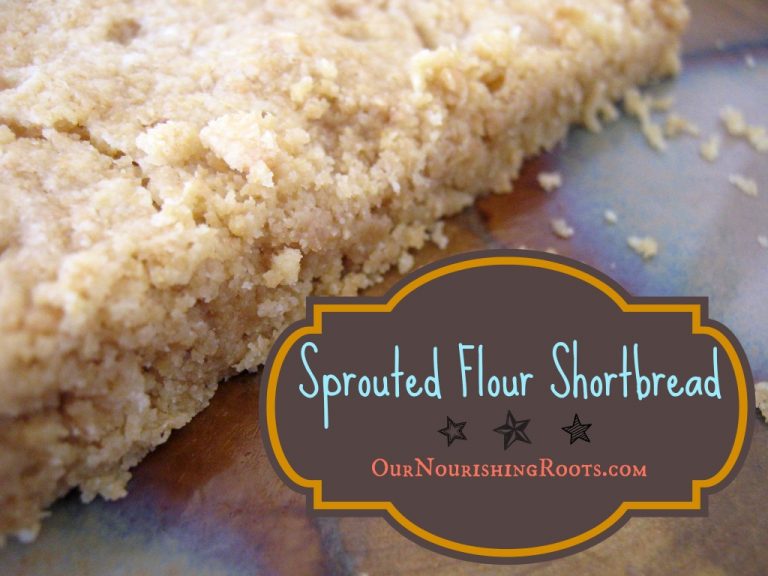
Shortbread Wedges

In this post, I will give you the perfect evening snack combination for cold winter evenings: an aromatic shortbread wedge with some steaming homemade cocoa.

The shortbread wedge is a perfect, and more importantly “clean,” snack for any occasion. It’s made solely from wholesome ingredients that don’t need any chemical additives to taste good. There is something satisfying about enjoying a nice treat without any guilt about what you are putting in your body. The butter provides a warm, almost creamy, aroma and plenty of vitamin K2. The almond flour combined with coconut flour has some natural sweetness in it and creates the crumble-like texture. Thanks to the combination of these two flours, the shortbread is also grain-free so it shouldn’t give you any digestive troubles. And the raw honey just completes the picture, enhancing the already rich flavors and giving the shortbread some additional sweetness that is perfect for curling up under a blanket while snow is falling outside.

Hot Cocoa

And the hot cocoa recipe is so simple yet so elegant! I cannot think of any other beverage I drink as much as this one during the winter season. It’s ideal for those evenings when you just want to wind down after a long day and prepare your body for sleep. By warming yourself up before bed, you will sleep better and be more rested the following morning.

The coconut milk is combined with cocoa powder to make the already rich base for your hot cocoa. The peppermint extract provides a nice refreshing aftertaste so that the drink doesn’t feel too heavy and the vanilla extract gives it a nice holiday-like fragrance. Combine that with some honey and you have the perfect hot cocoa recipe!

Shortbread Wedges

Necessary equipment:

  • measuring cups
  • a round pan OR a glass pie plate
  • a large mixing bowl
  • optional: a pastry blender
  • a sharp knife
  • a spatula

Ingredients:

Instructions:

  1. Preheat the oven to 300 degrees.
  2. Butter your round pan or pie plate and set aside for now.
  3. Combine the almond flour with coconut flour and salt in a large mixing bowl.
  4. Pour the honey in and add cold butter diced into small cubes.
  5. Use a pastry blender to combine the dough until you can pea-sized crumbles. Alternatively, you can use your hands but it will take longer.
  6. Transfer the crumbly dough into your prepared round pan. Spread it as evenly as you can.
  7. Bake for 40 minutes. You will know the shortbread is ready when the edges turn golden.
  8. Take the pan out of the oven and cut the wedges shape while the shortbread is still warm.
  9. Leave to cool completely.
  10. Using a spatula, lift each of the wedges out of the pan. Serve with hot cocoa.

Peppermint Hot Cocoa

Necessary equipment:

  • a saucepan
  • a whisk
  • mugs for serving

Ingredients:

  • 1 1/2 cups of coconut milk
  • 1/2 cup of cocoa powder
  • 1/4 cup of raw honey
  • 1 t. of peppermint extract
  • 1 t. of vanilla extract

Instructions:

  1. Put the coconut milk in a saucepan and heat over low medium heat.
  2. Add in the cocoa powder and keep whisking until it completely melts.
  3. Add in the honey and continue to whisk so that your cocoa is smooth and without lumps.
  4. Add in the extracts and keep whisking until combined.
  5. Pour the still hot cocoa into two mugs.
  6. Serve with the shortbread wedges from the recipe above.

Ultimate Homemade Yogurt

When I’m at a store, I usually buy natural yogurt (with no additives like fruit) or Greek yogurt. You can recognize a good natural yogurt by its ingredients list. It’s very short – just milk and bacteria, the so-called ‘yogurt culture.’ If I want my yogurt to be sweet and fruity, I don’t buy fruit yogurt. The ingredients list gets so long that researching each of them would take an immense amount of time. I simply add in the fresh fruit or combine the yogurt with crushed berry juice to get that pinkish yogurt look.

gap

But I have since noticed that true natural yogurt is getting more and more difficult to come by at my local stores. That’s when I started looking into making my own yogurt at home.

I found that it’s actually not that hard to make yogurt as long as you have the right ingredients. You need quality milk and optionally cream (this depends on how thick you want your yogurt to be). You will also need proper yogurt starter that contains all the culture strains that turn the dairy into yogurt. The bacteria thicken the milk and cream by creating the necessary bacteria. That’s why yogurts are probiotics: they contain bacteria that has a beneficial effect for our bodies. Yogurt is literally one of the healthiest types of dairy you can eat due to its probiotic properties.

Probiotics are very important because they help develop a strong immune system that defends us from diseases. They also have a crucial role in regulating the gut flora so if you have problems in that department, try eating more probiotics like yogurt. And homemade yogurt is how you get the most probiotics because the yogurt is as fresh as it can possibly be.

Yogurt has so many uses that there are weeks I find my myself using them on consecutive days all the time. I like eating it with some fresh fruit and nuts as breakfast. It works great as a crepe filling or smeared on pancakes and waffles. It can be used instead of regular cream to make deliciously thick sauces, like mushroom sauce or creamy potato sauce. Yogurt also works perfectly as an ingredient for a salad dressing.

Types

There are two basic types of yogurt you can make at home. There are mesophilic yogurts that culture at room temperature and there are thermophilic yogurts that need warm temperatures to develop.

Mesophilic yogurts are better for beginners because you don’t need any special equipment to make them. You just set a jar on your kitchen counter and wait for it to turn into yogurt. You will need a mesophilic yogurt starter, though. I recommend the Viili culture from Cultures for Health. I used it myself and I can say with all certainty that it works just as it should.

Thermophilic yogurts, on the other hand, require you to control the temperature. These are best made using a dehydrator or a yogurt maker because these two machines allow you to set specific temperature settings. I started with mesophilic yogurts and only then bought myself a dehydrator to try making thermophilic yogurts as well.

What about Milk and Cream?

Ok, so we know about culture strains but what about the milk and cream? What types are best for making your own yogurt?

The best kind of milk for the healthiest yogurt is by far raw milk (that means milk that hasn’t been pasteurized). However, making yogurt with just raw milk will result in a pretty thin and runny yogurt which doesn’t really resemble what we are used to seeing. It’s still yogurt, of course, but its consistency and texture is not something I’m a fan of.

Adding cream to the mix thickens the yogurt. I also found out that heating your combined milk and cream (up to 110 degrees F) before putting in the starter seems to make a difference and the resulting yogurt is visibly thicker.

Of course, nothing wrong will happen if you use pasteurized milk. The yogurt won’t contain as many good nutrients but it will definitely be proper yogurt. Try to find the best quality milk you can in your area. If you can’t find raw milk, go with grass-fed or whole milk.

And the best thing about making your own yogurt is that each time you make one batch, you can save a few spoonfuls of it to use as a starter for your next batch! So it’s actually efficient to keep making, for example, once a week. Your starter might start failing after a while and then you will need to ‘revive’ it with a new store-bought yogurt starter. If you don’t have anywhere to buy a starter from, you can also use some natural yogurt bought from your local supermarket. Just remember that it has to be really good quality or otherwise, your homemade yogurt won’t work!

Necessary equipment:

Basic Raw Milk Yogurt:

Ingredients:

  • 1 quart of raw milk (about 4 cups)
  • 1 cup of raw cream (you can adjust the amount based on how thick you want your yogurt to be)
  • yogurt starter

Instructions:

  1. Combine the milk and cream in a saucepan.
  2. Gently heat it over medium to medium high heat until the mixture reaches 110 degrees. Stir occasionally.
  3. Remove from the stove and set aside to cool slightly.
  4. Pour the mixture into the glass jars. Remember to leave at least 1.5 inch space at the top.
  5. Add one or two spoonful of your yogurt starter. Stir it gently but firmly so that it combines well.
  6. Cover the jars with lids, making sure they are very tight. Place in your dehydrator or yogurt maker.
  7. Now set the temperature on your machine. In general, the higher the temperature, the thicker you’ll yogurt will be. If you are using store-bought yogurt as your starter, it’s better to go with around 85 to 90 degrees so that you won’t kill the bacteria already there. You can go as high as 100 degrees.
  8. Leave it to culture for about 12 hours. You can estimate when it’s ready by checking if it thickens the way you wanted it to.
  9. Once done, chill the yogurt in the fridge for at least one hour so that it can set properly.

24-Hour GAPS-friendly Yogurt

  1. Combine the milk and cream in a saucepan.
  2. Gently heat it over medium to medium high heat until the mixture reaches 110 degrees. Stir occasionally.
  3. Remove from the stove and set aside to cool slightly.
  4. Pour the mixture into the glass jars. Remember to leave at least 1.5 inch space at the top.
  5. Add one or two spoonful of your yogurt starter. Stir it gently but firmly so that it combines well.
  6. Cover the jars with lids, making sure they are very tight. Place in your dehydrator or yogurt maker.
  7. Now set the temperature on your machine to the one specified on the starter’s packaging. When store-bought yogurt is used as the starter, the temperature should be at 100 degrees.
  8. Leave it to culture for about 24 hours. This way, the lactose in the milk will fully turn to lactic acid, making the yogurt GAPS-friendly.
  9. Once done, chill the yogurt in the fridge for at least one hour so that it can set properly.

Pasteurized Milk Yogurt

  • 1 quart of raw milk (about 4 cups)
  • yogurt starter
  1. Quickly scald the milk in a saucepan and then remove from the stove.
  2. Let cool until it’s no longer hot to touch but still warm.
  3. Pour the mixture into the glass jars. Remember to leave at least 1,5 inch space at the top.
  4. Add one or two spoonful of your yogurt starter. Stir it gently but firmly so that it combines well.
  5. Cover the jars with lids. Place in your dehydrator or yogurt maker.
  6. Now set the temperature on your machine. Set the temperature by following the directions on your starter packaging.
  7. Leave it to culture for about 12 hours. You can estimate when it’s ready by checking if it thickens the way you wanted it to.
  8. Once done, chill the yogurt in the fridge for at least one hour so that it can set properly.